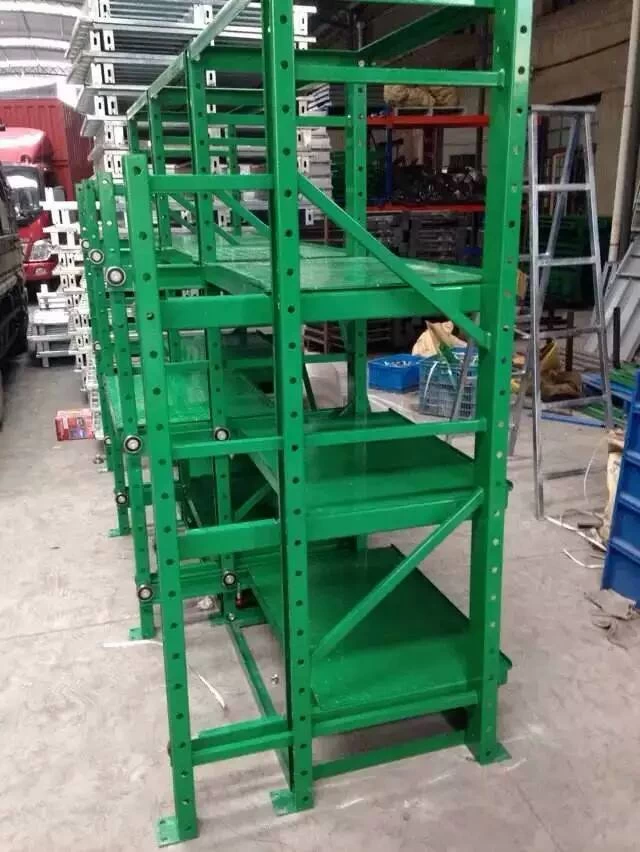
# Comprehensive Guide to Mold Storage Racks: Optimizing Industrial Organization and Efficiency
In industrial manufacturing and tooling environments, mold storage racks are critical components that contribute significantly to operational efficiency, safety, and space optimization. Whether you operate a plastic injection molding facility, metal casting plant, or any other production setup requiring precise mold management, understanding the importance and best practices of mold storage racks can elevate your workflow dramatically.
This article delves deep into mold storage racks—highlighting their types, design considerations, materials, safety aspects, and how they integrate with modern industrial operations. We will also touch on related technical considerations such as box-sizing, margin, padding, and other CSS-like terms metaphorically aligned with mold rack design principles to give a comprehensive overview.
---
## What Are Mold Storage Racks?
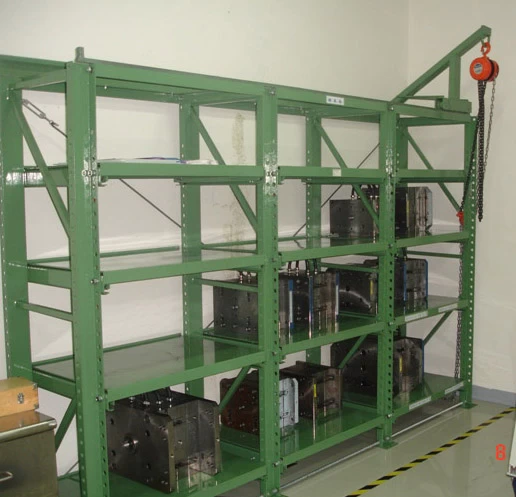
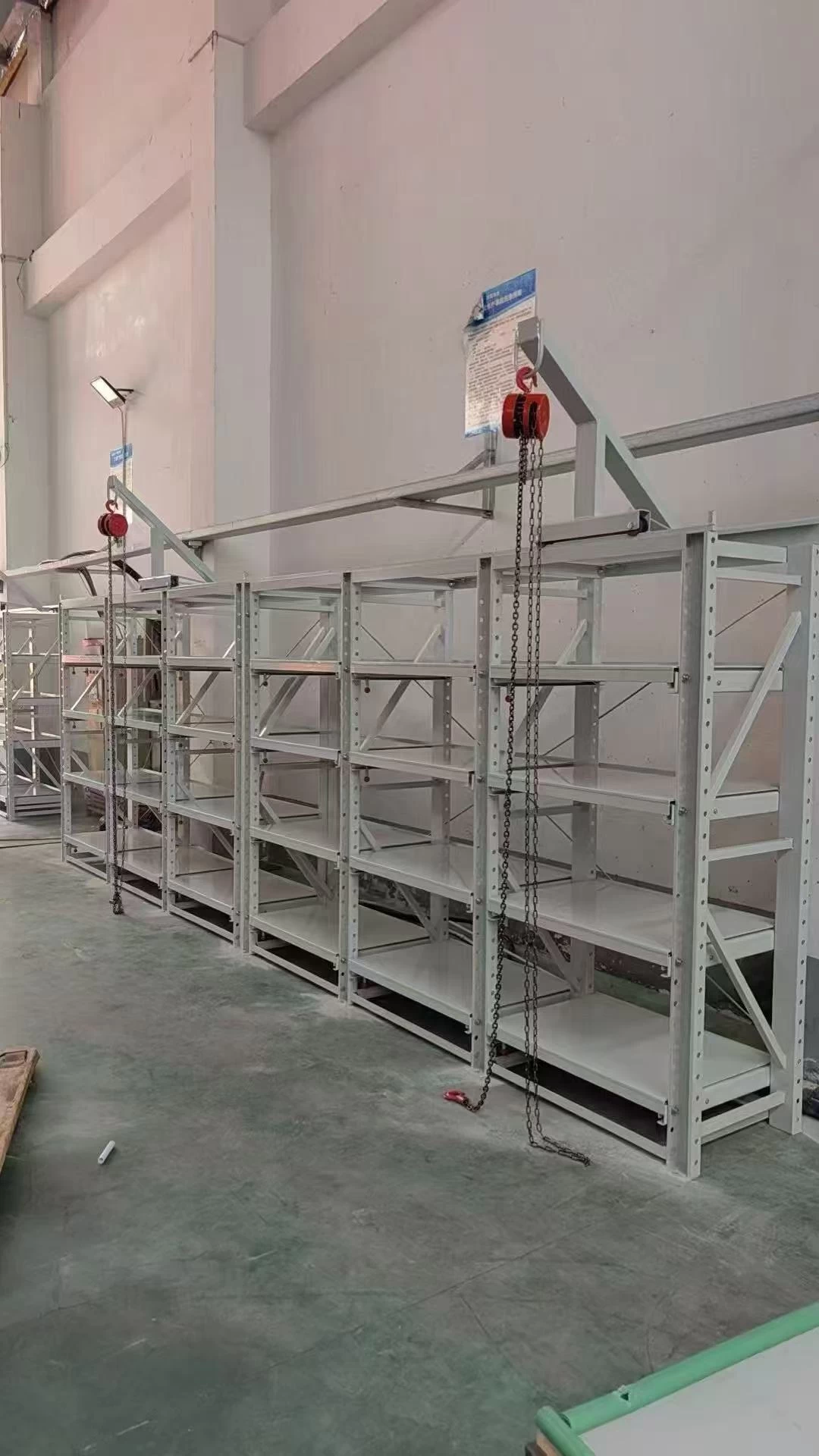
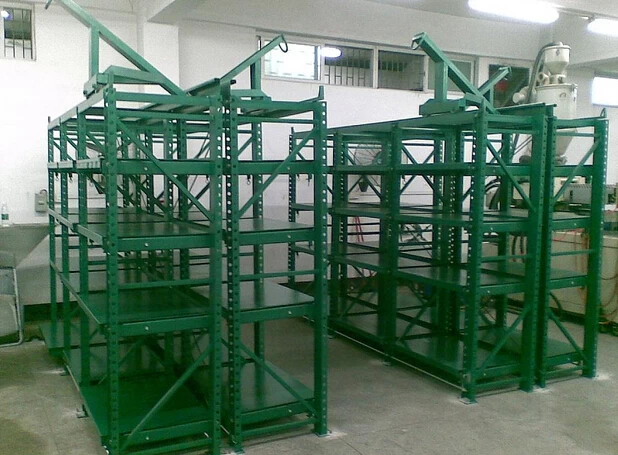
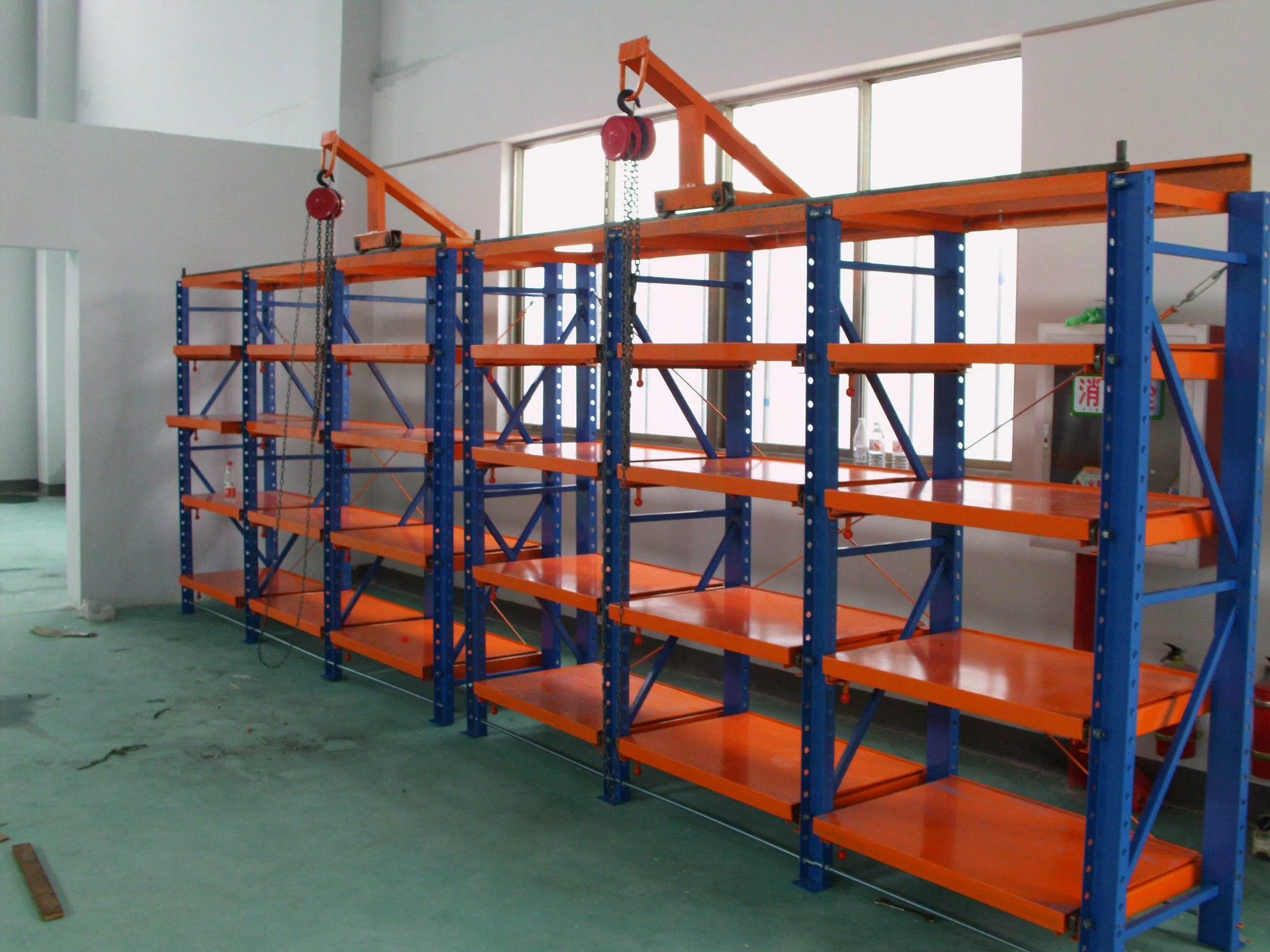
Mold storage racks are specialized shelving systems designed to store molds securely and efficiently in manufacturing facilities. Molds come in various sizes and weights, often requiring robust and adaptable storage solutions to prevent damage, maintain organization, and ensure easy access when needed.
### Why Are Mold Storage Racks Important?
- **Space Optimization:** Mold racks help maximize vertical and horizontal storage space, crucial in facilities where floor space is at a premium.
- **Safety:** Proper racks prevent molds from falling or being damaged, reducing workplace accidents.
- **Organization:** They facilitate quick retrieval and inventory management by providing dedicated slots or compartments for each mold.
- **Protection:** Many racks come with coatings or features that protect molds from corrosion, dust, and environmental hazards.
---
## Types of Mold Storage Racks
Choosing the right type of mold storage rack depends on your facility’s specific needs—considering mold size, weight, frequency of use, and available space.
### 1. **Heavy-Duty Steel Mold Racks**
Constructed from high-strength steel, these racks support large, heavy molds often exceeding several hundred kilograms. They typically feature adjustable shelves and reinforced frames to withstand substantial loads.
- **Key Features:** Welded steel construction, powder-coated finish to prevent rust, adjustable shelving.
- **Common Use:** Automotive, aerospace, and heavy machinery mold storage.
### 2. **Mobile Mold Racks**
These racks are designed with casters or wheels, allowing easy movement around the shop floor. They are ideal for flexible manufacturing setups where molds need to be transported frequently.
- **Key Features:** Lockable wheels, reinforced bases, ergonomic handles.
- **Common Use:** Workshops with dynamic workflows requiring frequent mold repositioning.
### 3. **Vertical Mold Racks**
Optimized for space-saving, vertical racks store molds standing upright. They are especially useful for long, narrow molds or when floor space is limited but ceiling height is ample.
- **Key Features:** Vertical dividers, safety locking mechanisms.
- **Common Use:** Facilities with tall ceilings and limited floor space.
### 4. **Custom Mold Racks**
For unique mold shapes or sizes, custom racks are designed to fit specific molds perfectly, often incorporating foam padding or specialized supports.
- **Key Features:** Tailor-made compartments, shock absorption materials.
- **Common Use:** Precision tooling industries requiring high mold protection.
---
## Design Considerations for Effective Mold Storage Racks
Much like software developers consider parameters like `box-sizing`, `margin`, and `padding` to define element layout precisely, engineers must consider analogous design factors when creating mold racks.
### Load Capacity and Structural Integrity (Box-Sizing Equivalent)
Just as `box-sizing: border-box` ensures an element's width includes its padding and border, mold racks’ load capacity must account for the mold’s size plus any protective padding or accessories. This ensures the rack supports the entire mold assembly without compromising structure.
- **Tip:** Always select racks with a load rating at least 25% higher than your heaviest mold to accommodate unexpected weight variances.
### Space Allocation and Clearance (Margin and Padding)
Margins and padding in CSS create necessary spacing around and within elements, respectively. Similarly, mold racks must provide adequate clearance between stored molds to avoid contact, which could cause damage or complicate handling.
- **Tip:** Allocate at least 50mm (approx. 2 inches) of clearance between molds to facilitate safe insertion and removal.
### Material and Surface Finish (Background and Color)
The choice of materials and finishes protects molds much like the background and color properties in web design enhance visual appeal and readability.
- **Materials:** Steel is most common due to strength; however, aluminum or composite materials may be used for lighter molds.
- **Surface Finishes:** Powder coating, galvanization, or epoxy paint guards against corrosion.
- **Color Coding:** Some facilities use color-coded racks or labels for quick mold identification.
### Accessibility and Ergonomics (Font-Family and Font Size Analogy)
Just as font-family choices impact readability, the design of handles, labeling, and rack height affect user accessibility and safety.
- **Tip:** Position racks at heights that minimize bending or reaching to reduce worker strain.
- **Labeling:** Use clear, durable labels or digital tags to track molds.
### Safety Features (Box-Shadow and Overflow Analogies)
Box-shadow in CSS adds depth, while overflow manages content spilling out of bounds. Similarly, mold racks need safety mechanisms like guard rails or containment edges to prevent molds from slipping or falling.
- **Tip:** Incorporate physical barriers or lips on shelves to contain molds securely.
- **Overflow Prevention:** Avoid overloading shelves beyond their rated capacity.
---
## Integrating Modern Technology with Mold Storage Racks
The industrial sector is increasingly adopting smart technologies—IoT, RFID tags, and automated storage—to streamline mold management.
### Digital Inventory Management
By tagging molds with RFID chips or QR codes and integrating these with warehouse management software, companies can track mold locations, usage history, and maintenance schedules effortlessly.
### Automated Retrieval Systems
Some advanced facilities employ robotic arms or automated guided vehicles (AGVs) that interact with designated mold racks to retrieve or store molds, improving efficiency and minimizing human error.
---
## Maintenance and Best Practices for Mold Storage Racks
Regular maintenance is essential to extend the life of mold storage racks and ensure safety.
- **Routine Inspection:** Check welds, bolts, and coatings for wear or damage.
- **Cleaning:** Keep racks free from dust, grease, and debris that could corrode metals or contaminate molds.
- **Load Management:** Never exceed rated capacities; distribute weight evenly.
- **Worker Training:** Educate personnel on proper loading/unloading techniques and safety protocols.
---
## Environmental Considerations
Environmental conditions such as humidity, temperature fluctuations, and exposure to chemicals can degrade molds and racks.
- **Climate Control:** Maintain controlled environments where possible to prevent rust and mold degradation.
- **Protective Covers:** Use tarps or enclosures for outdoor or semi-exposed storage areas.
- **Material Choices:** Stainless steel or coated racks resist corrosion in harsh environments.
---
## Conclusion
Mold storage racks are more than mere shelves—they are vital infrastructure components that influence manufacturing efficiency, workplace safety, and mold longevity. By selecting the appropriate rack types, considering design principles analogous to technical CSS concepts such as box-sizing, margin, and padding, and integrating modern technology, manufacturers can optimize their mold storage strategies.
Investing time and resources into well-designed, maintained, and managed mold storage solutions pays dividends through reduced downtime, improved safety, and enhanced operational throughput. As industries evolve, embracing smart and customizable mold storage racks will remain a cornerstone of successful manufacturing and tooling operations.
---
**Keywords:** mold storage racks, heavy-duty steel racks, mobile mold racks, vertical mold racks, custom mold racks, load capacity, safety features, industrial storage, mold organization, manufacturing efficiency.