# Customizing Cantilever Racks: Options and Accessories to Consider
In today’s fast-paced industrial and warehousing environments, efficient storage solutions are critical for optimizing space, improving workflow, and ensuring safety. Cantilever racks have emerged as a versatile and popular choice for storing long, bulky, or irregularly shaped items such as lumber, pipes, steel bars, and furniture. However, the true potential of cantilever racking systems is unlocked only through thoughtful customization—tailoring the racks to meet specific operational needs and maximize functionality.
This article delves into the myriad options and accessories available to customize cantilever racks, helping facility managers, warehouse operators, and logistics professionals make informed decisions when designing or upgrading their storage systems.
---
## Understanding Cantilever Racks: A Brief Overview
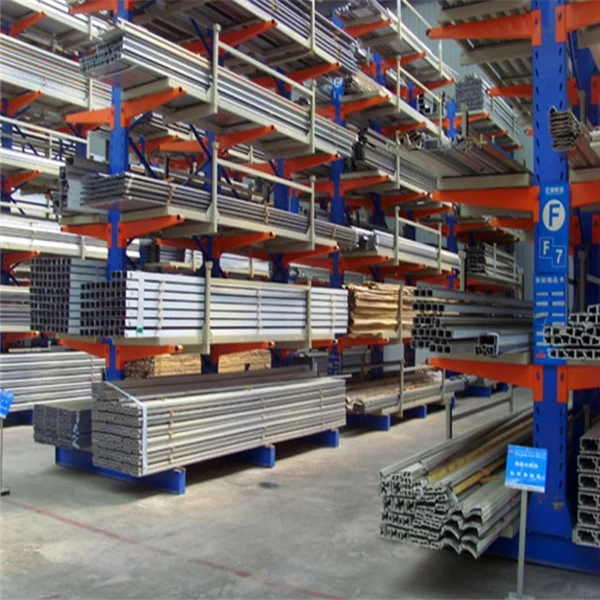
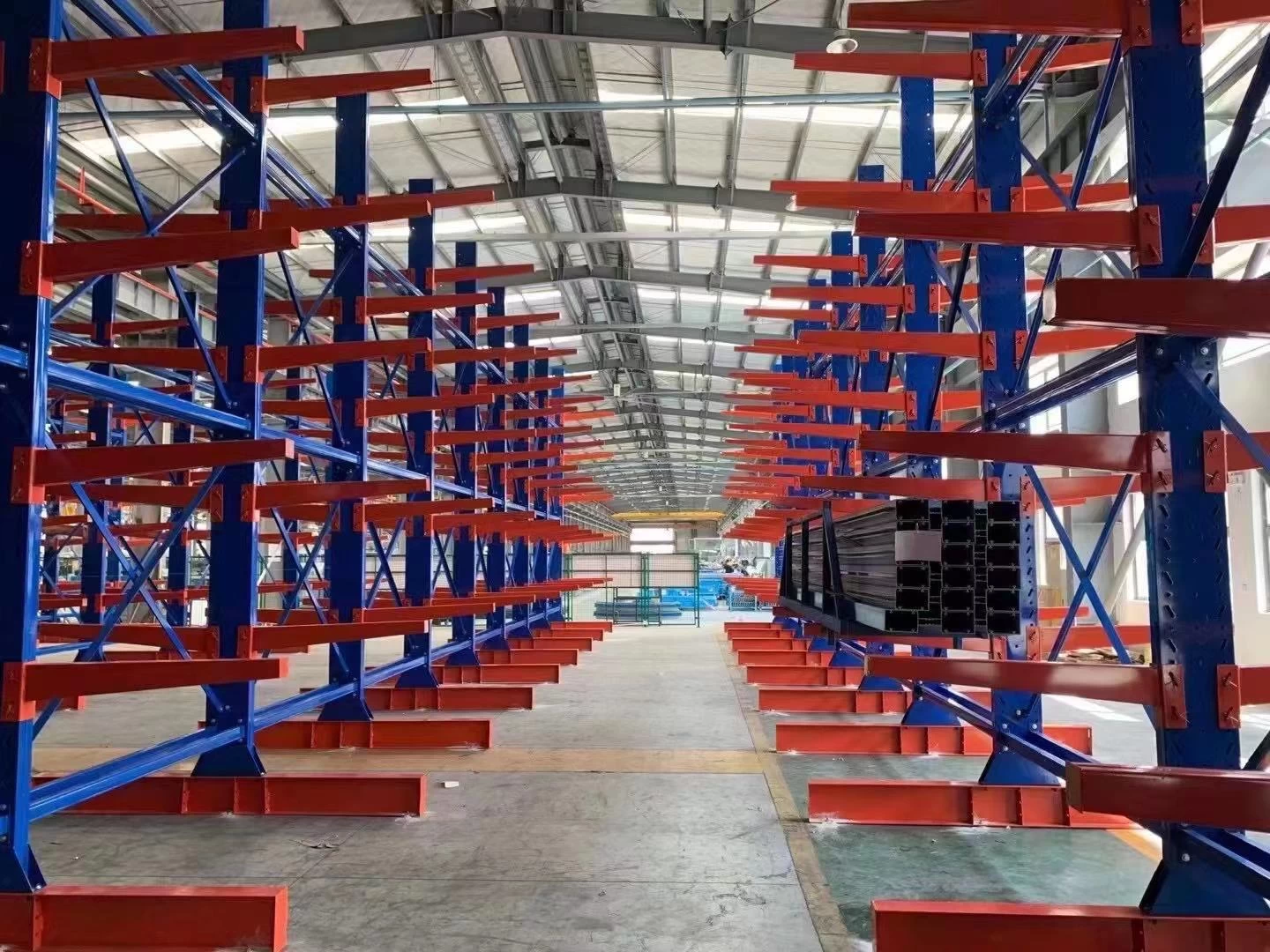
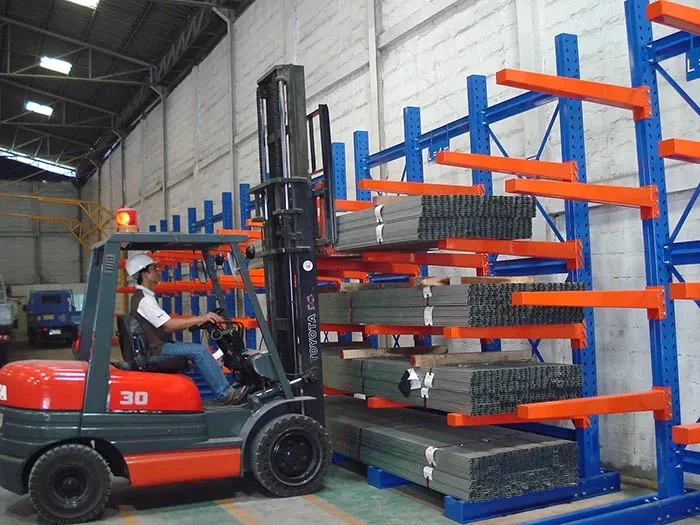
Cantilever racks consist of vertical columns with horizontal arms extending outward, creating an open-front design without vertical obstructions. This structure allows easy loading and unloading of long or wide items, which are difficult to store on traditional pallet racks.
The modular nature of cantilever racks means they can be adjusted or expanded by changing arm lengths, column heights, or adding accessories. Customization is key to adapting these racks to various industries, materials, and spatial constraints.
---
## Why Customize Cantilever Racks?
Every warehouse or manufacturing facility has unique storage demands influenced by:
- Types and dimensions of inventory
- Load weight and frequency of access
- Available floor space and ceiling height
- Safety and regulatory requirements
- Budget and future scalability
Customizing cantilever racks addresses these variables by optimizing rack design for maximum efficiency, safety, and durability. Moreover, carefully chosen accessories enhance operational convenience and help protect stored goods.
---
## Key Customization Options for Cantilever Racks
### 1. **Arm Length and Capacity**
The arms of cantilever racks support the stored materials. Depending on what you store, arm length and load capacity must be tailored accordingly.
- **Arm Lengths:** Common arm lengths range from 24 inches to 72 inches or longer. Longer arms suit bulky or longer items like pipes or wood planks, while shorter arms work well for smaller or medium-sized loads.
- **Load Capacity:** Arms can be configured to carry light loads (a few hundred pounds) or heavy-duty loads exceeding 1,000 pounds per arm. The grade of steel and cross-section design influence strength.
Selecting the correct arm length and capacity ensures safe support without overengineering, which saves costs.
### 2. **Column Height and Base Size**
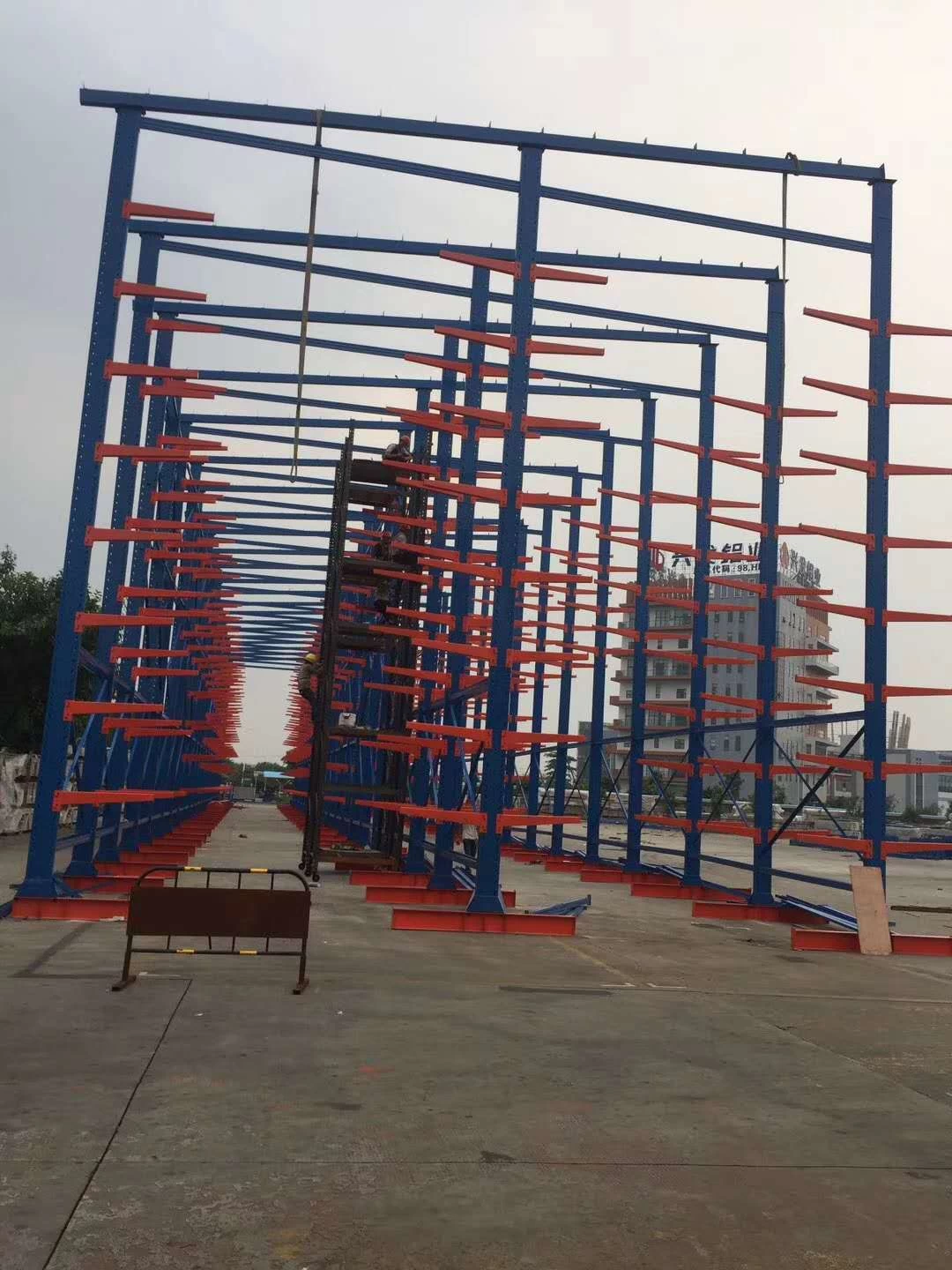
Column height should match ceiling clearance and stacking height requirements, typically ranging from 6 feet to over 20 feet. Taller columns permit greater vertical storage but require more robust foundation bases.
Bases come in various sizes and thicknesses to stabilize the rack and prevent tipping, especially important in seismic zones or high-traffic areas.
### 3. **Material and Finish**
Cantilever racks are usually constructed from steel for durability and strength.
- **Powder Coated Finish:** Offers corrosion resistance and aesthetic appeal, especially in indoor environments.
- **Galvanized Steel:** Provides superior rust protection, ideal for outdoor or humid environments.
- **Stainless Steel:** Used in food, pharmaceutical, or chemical industries requiring hygienic, rust-free storage.
Choosing the right material and finish extends the service life of racks and reduces maintenance.
### 4. **Single-Sided vs. Double-Sided Configuration**
- **Single-Sided Racks:** Mounted against a wall or partition, useful for aisle-side access.
- **Double-Sided Racks:** Accessible from both sides, maximizing aisle space utilization, suitable for open-floor layouts.
The choice depends on warehouse layout and aisle width.
### 5. **Base Plate and Floor Anchoring Options**
Anchoring the rack base to the floor improves stability and safety. Anchor bolt kits, base plates with pre-drilled holes, and optional concrete footings are common features.
Proper anchoring prevents tipping under heavy loads or impacts from forklifts.
---
## Essential Accessories to Enhance Cantilever Rack Functionality
Adding accessories customizes cantilever racks further, improving safety, usability, and adaptability.
### 1. **Safety Bars and Arms**
Safety bars installed between arms prevent stored items from slipping or falling, enhancing worker safety.
- **Safety Pins or Clips:** Lock arms into desired positions, preventing accidental arm displacement.
- **Backstops:** Vertical barriers at arm ends stop items from sliding off.
### 2. **Arm Covers and Pads**
Protect delicate materials such as glass, sheet metal, or furniture by using rubber or plastic arm covers and pads. These reduce scratching or damage during storage and retrieval.
### 3. **Shelf Plates and Decking**
For versatile storage, shelf plates or decking can be placed on arms to create flat surfaces. This allows storage of smaller, boxed, or irregular goods that cannot rest directly on the arms.
Mesh decking or plywood panels are popular choices.
### 4. **Label Holders and Identification Tags**
Organizing inventory efficiently requires clear labeling. Attach label holders on columns or arms for barcoding, SKU numbers, or product information to streamline picking and inventory control.
### 5. **Adjustable Arm Heights**
Some cantilever racks feature adjustable arms that slide vertically along the columns, allowing quick reconfiguration to accommodate different item sizes without dismantling the entire rack.
### 6. **End-of-Aisle Protection**
Install guardrails or bumpers at aisle ends to shield the racks from damage caused by forklifts or pallet jacks.
---
## Designing for Safety and Compliance
Proper cantilever rack customization always prioritizes safety:
- **Load Ratings:** Clearly mark arm and column load capacities to avoid overloading.
- **Spacing:** Ensure adequate aisle widths for forklift maneuverability.
- **Anchoring:** Secure racks firmly to prevent tipping.
- **Inspection and Maintenance:** Regularly check for wear, corrosion, or damage.
Compliance with standards such as OSHA (Occupational Safety and Health Administration) and ANSI (American National Standards Institute) ensures safe operation and minimizes liability risks.
---
## Leveraging Technology in Custom Cantilever Rack Design
Modern warehouse management integrates technology for optimized storage:
- **CAD Software:** Allows virtual modeling of customized racks within facility layouts to maximize space utilization.
- **Inventory Management Systems:** Sync with labeling accessories for real-time tracking.
- **RFID Tags:** Embedded in label holders for automated identification.
Combining physical customization with digital tools creates smart storage environments.
---
## Conclusion
Cantilever racks offer remarkable flexibility and strength for storing long and bulky items, but their full value is realized through strategic customization. Selecting appropriate arm lengths, column heights, materials, and configurations tailored to your inventory needs is essential. Additionally, incorporating accessories such as safety bars, arm pads, shelving, and labeling solutions enhances safety, accessibility, and organization.
When planning cantilever rack customization, it is advisable to consult with experienced manufacturers or storage specialists who understand your industry’s nuances and regulatory requirements. Thoughtful customization not only optimizes your warehouse operations but also safeguards your investment by extending rack longevity and improving workplace safety.
By integrating carefully chosen options and accessories, your cantilever racking system becomes a powerful asset that supports efficient, safe, and scalable storage solutions.
---
*For more insights on warehouse storage optimization and rack customization, subscribe to our blog or contact our storage solutions experts.*