# Safety Tips for Using and Maintaining Cantilever Racks
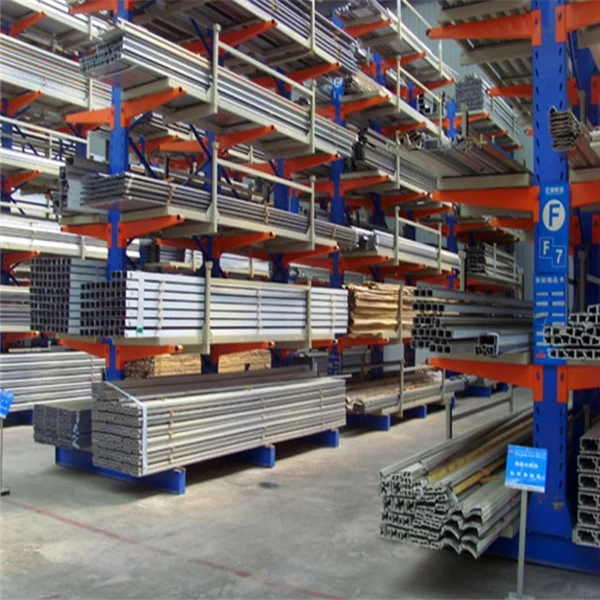
Cantilever racks are a popular storage solution in warehouses, manufacturing plants, and distribution centers due to their versatility in storing long, bulky items such as pipes, lumber, steel bars, and sheets. Their design—comprising horizontal arms extending from vertical columns—makes them an ideal choice for handling items that cannot be stored easily on traditional pallet racks.
However, like any industrial storage system, cantilever racks require proper use and maintenance to ensure safety, durability, and operational efficiency. Neglecting safety protocols can lead to accidents, damage to products, costly downtime, and even severe injury.
In this detailed article, we will explore essential **safety tips for using and maintaining cantilever racks** in a professional setting, helping you optimize your storage while safeguarding your workforce.
---
## Understanding Cantilever Racks: A Brief Overview
Before diving into safety tips, it’s important to understand the basic structure and function of cantilever racks:
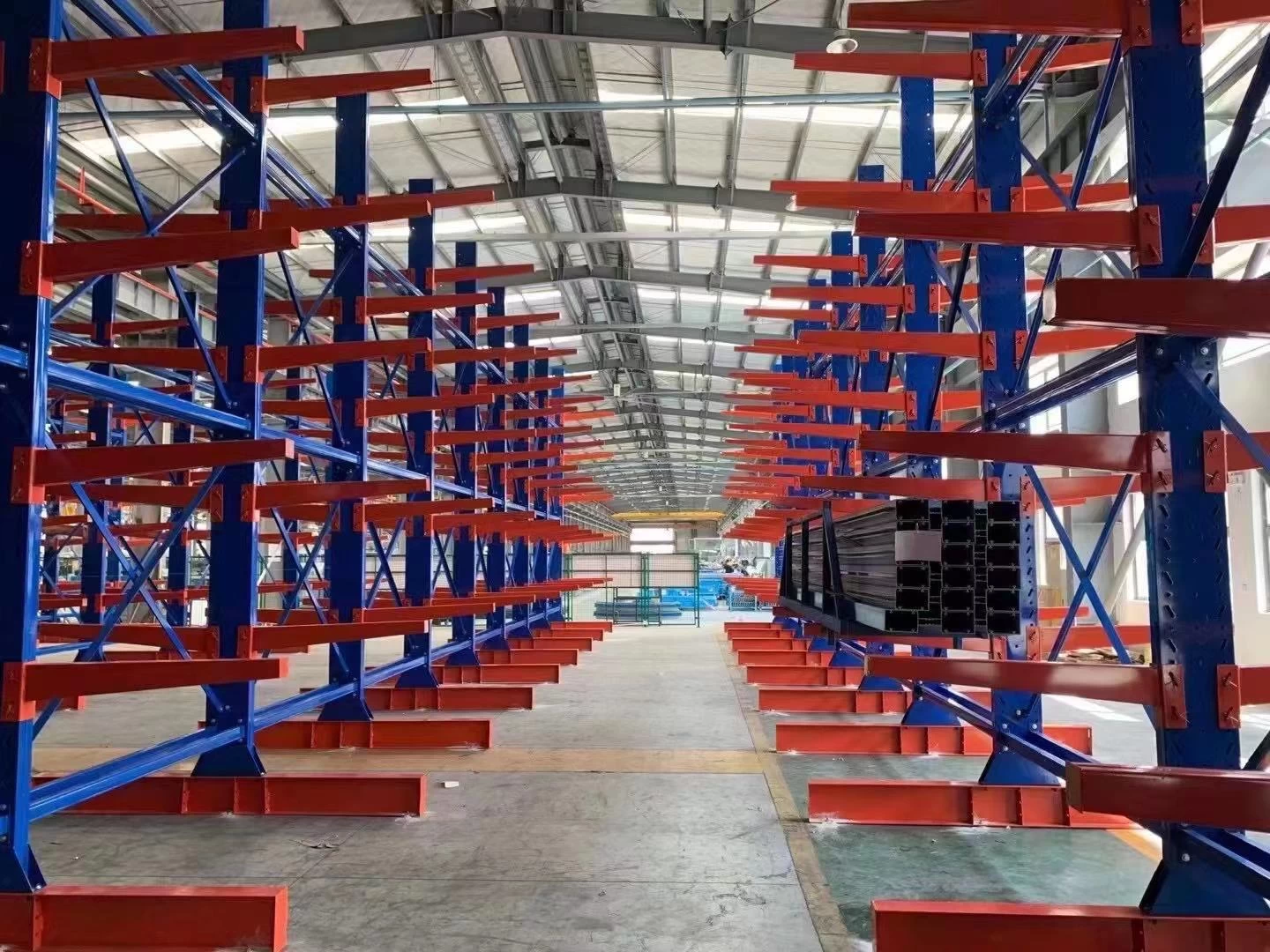
- **Vertical Columns:** These upright supports bear the load and anchor the system to the floor.
- **Horizontal Arms:** Attached perpendicularly to the columns, these arms hold the stored materials.
- **Base:** The foundation of the rack providing stability.
- **Anchoring System:** Bolts and fasteners secure the rack to the floor to prevent tipping.
- **Load Capacity:** Each arm and column has a rated load capacity that must not be exceeded.
Proper installation and adherence to load limits are fundamental to the safe operation of cantilever racks.
---
## 1. Installation Safety Best Practices
Improper installation is one of the leading causes of rack failure and safety hazards. To ensure safety from the outset:
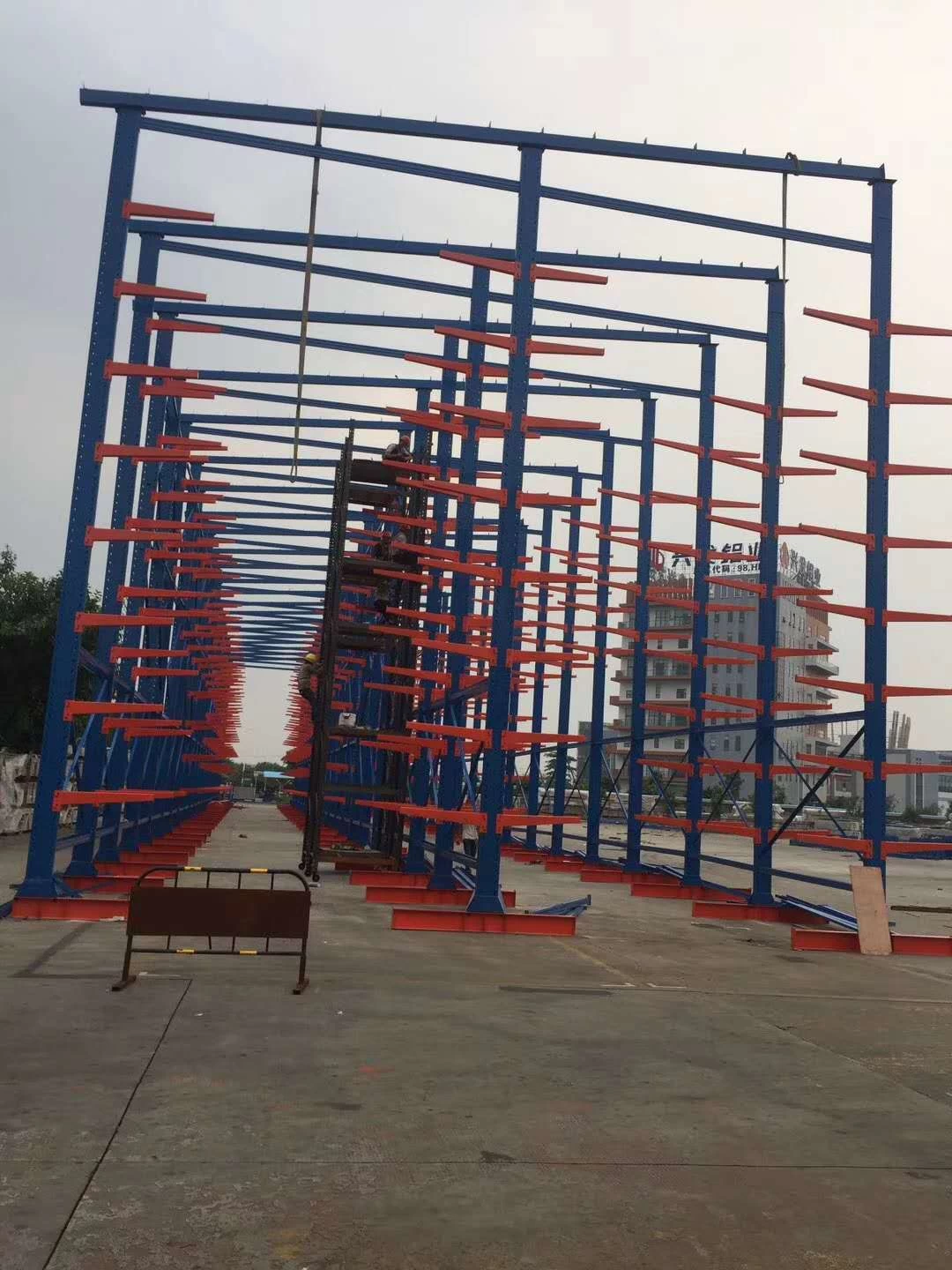
- **Hire Certified Installers:** Always engage professionals trained and certified in industrial racking installation. They understand load calculations, anchoring requirements, and local building codes.
- **Use Quality Materials:** Ensure that all components (arms, columns, anchors, bolts) meet industry standards and are compatible with each other. Inferior materials can compromise structural integrity.
- **Anchor Securely:** Cantilever racks must be firmly anchored to the floor to resist tipping or swaying due to uneven loads or seismic activity. Use high-strength anchors appropriate for your floor type.
- **Verify Load Ratings:** Confirm that the installed racks can handle anticipated weights. Never exceed manufacturer-specified load capacities for individual arms or the entire rack.
- **Inspect Floor Conditions:** The floor where the racks are installed should be level, clean, and capable of supporting the weight. Uneven or cracked floors may cause instability.
---
## 2. Proper Loading Procedures
Even the best-installed racks can fail if loaded incorrectly. Follow these loading guidelines to maintain safety:
- **Distribute Loads Evenly:** Place items so that the weight is evenly distributed across the arms. Avoid overloading one side which can cause tilting or arm bending.
- **Respect Load Limits:** Each arm and column has a maximum load rating. Exceeding these can cause structural deformation or collapse. For example, if an arm is rated for 500 lbs, do not place more than that on it.
- **Load Lengthwise:** Store materials parallel to the arms to minimize overhang and reduce stress on arms.
- **Avoid Overhang:** Excessive overhang can create leverage forces that damage arms or cause tipping. Ensure stored items fit securely within the rack span.
- **Stack Carefully:** When stacking multiple layers of materials, ensure the bottom layers are stable and that the total load remains within limits.
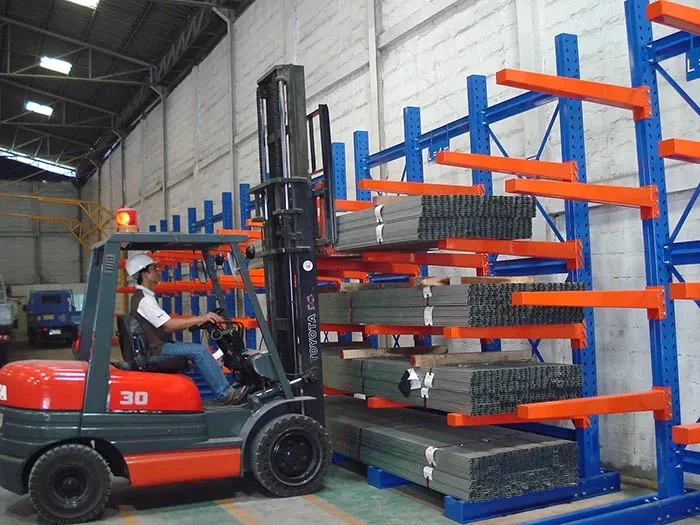
- **Use Mechanical Handling Devices Appropriately:** Forklifts or cranes should be operated by trained personnel who understand the geometry and limitations of cantilever racks. Avoid sudden impacts or collisions with the rack structure.
---
## 3. Routine Inspections and Maintenance
Regular inspection and preventive maintenance are vital to identify and fix potential issues before they escalate into hazards.
- **Daily Visual Checks:** Encourage operators and warehouse staff to visually inspect racks daily for signs of damage such as bent arms, loose bolts, or cracks.
- **Monthly Detailed Inspections:** Safety officers should conduct thorough inspections monthly, checking:
- Integrity of welds and joints
- Condition of anchors and bolts
- Vertical alignment of columns
- Arm straightness and attachment security
- **Load Testing:** Periodically perform load tests to verify that the rack can safely handle rated weights. This can detect hidden weaknesses.
- **Cleanliness:** Keep rack areas free of debris, dust, and spills to avoid slips and falls around the storage zone.
- **Report and Repair Damage Promptly:** Any damaged components must be repaired or replaced immediately. Do not attempt temporary fixes or continue using compromised racks.
---
## 4. Employee Training and Awareness
A well-informed workforce is the best defense against accidents involving cantilever racks.
- **Provide Comprehensive Training:** Workers should receive training on:
- Proper loading and unloading techniques
- Recognizing signs of rack damage
- Safe operation of material handling equipment around racks
- Emergency procedures in case of rack failure
- **Promote a Safety Culture:** Encourage employees to report hazards or unsafe conditions without fear of reprisal.
- **Use Signage:** Clearly display load limits and safety instructions near the racks.
---
## 5. Environmental Considerations
Environmental factors can impact the safety and longevity of cantilever racks:
- **Temperature and Humidity:** Extreme temperatures or moisture can cause metal corrosion or warping. Use corrosion-resistant coatings or stainless steel racks in such conditions.
- **Seismic Zones:** In earthquake-prone areas, racks require additional bracing and anchoring to withstand tremors.
- **Chemical Exposure:** Avoid storing corrosive chemicals near racks unless they are designed to withstand such exposure.
---
## 6. Design and Layout Optimization
Safety also depends on how cantilever racks are integrated into the overall warehouse layout:
- **Adequate Aisle Width:** Provide sufficient space between rows to allow forklifts and operators to maneuver safely without striking the racks.
- **Avoid Overcrowding:** Overcrowded storage areas increase the risk of accidents and make inspection difficult.
- **Visibility:** Good lighting and clear sightlines help operators see racks and avoid collisions.
- **Emergency Access:** Ensure racks don’t block emergency exits, fire extinguishers, or emergency equipment.
---
## 7. Leveraging Technology for Safety
Modern warehouses can enhance cantilever rack safety through technology:
- **Rack Protection Systems:** Install guards or bumpers at the base to protect columns from forklift impacts.
- **Load Monitoring Sensors:** Some advanced racks can be equipped with sensors that monitor load weights in real-time and alert supervisors of overloads.
- **Inspection Drones:** For large facilities, drones can inspect racks safely and efficiently.
---
## Conclusion
Cantilever racks offer excellent flexibility and efficiency for storing long and bulky items, but safety must never be compromised. By following best practices for installation, loading, maintenance, employee training, and environmental adaptation, you can minimize risks associated with these storage systems.
Regular inspections, adherence to load limits, and fostering a culture of safety awareness are crucial steps toward preventing accidents and ensuring the longevity of your cantilever racks. Investing effort into these safety measures not only protects your workforce but also safeguards your inventory and strengthens your operational reliability.
---
### Additional Notes on Styling and Presentation
For those looking to publish related content online, consider the following CSS-inspired styling tips to improve readability and professionalism of your blog:
- Use **box-sizing: border-box** to ensure consistent padding and borders.
- Apply a **background color** like `#eef3f8` to provide a subtle, calming backdrop.
- Choose clean fonts such as **Arial, Helvetica, sans-serif** for readability.
- Maintain a **max-width** around 790px with centered margins (`margin: auto`) to create a comfortable reading width.
- Use **padding (e.g., 30px 10px)** generously around content blocks for whitespace.
- Employ subtle **box-shadow effects** (`0 18px 55px rgba(0,48,110,.18)`) to add depth to content containers.
- Keep text color dark and legible, such as `#102033`, for professional appearance.
- Structure content with clear headings and spacing for easy navigation.
Such attention to detail in presentation complements the professionalism of the subject matter and enhances reader engagement.
---
By implementing these comprehensive safety strategies, your cantilever rack system will remain a reliable backbone of your storage infrastructure for years to come.