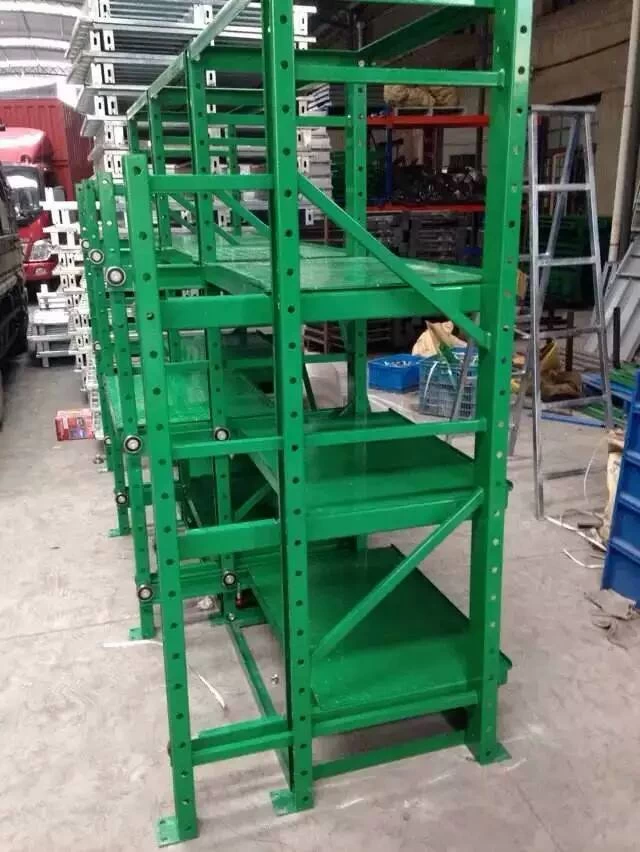
# The Ultimate Guide to Choosing Mold Storage Racks for Your Workshop
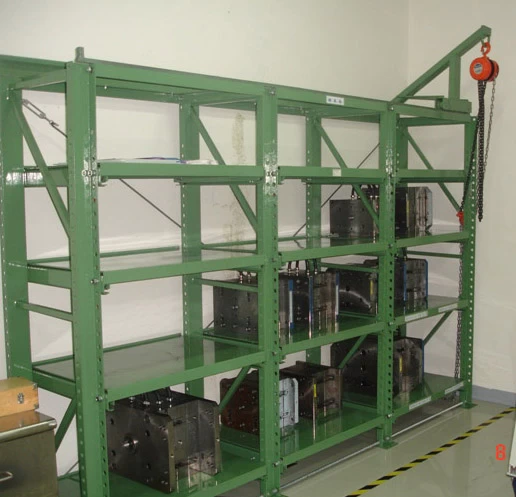
In any professional workshop or manufacturing environment, efficient storage solutions are critical to maintaining organization, productivity, and safety. One of the most important yet often overlooked elements is the storage of molds—whether for injection molding, casting, or other fabrication processes. Proper mold storage racks not only protect these valuable assets from damage but also streamline workflow and optimize space utilization.
This comprehensive guide will walk you through everything you need to know about choosing the ideal mold storage racks for your workshop. From understanding the specific requirements of mold storage to evaluating design options and materials, this article will equip you with the knowledge to make an informed decision tailored to your operational needs.
---
## Why Mold Storage Racks Matter
Molds are precision tools that require careful handling. They can be costly to replace or repair, and any damage can lead to production delays or compromised product quality. Mold storage racks serve several key purposes:
- **Protection:** Prevents physical damage such as dents, scratches, or corrosion.
- **Organization:** Keeps molds systematically arranged for quick access.
- **Space Optimization:** Makes the best use of available floor space.
- **Safety:** Reduces workplace hazards by keeping heavy molds secured.
- **Maintenance:** Facilitates regular inspection and cleaning of molds.
Choosing the right mold storage racks is therefore a strategic investment that extends the lifespan of your tools and enhances operational efficiency.
---
## Key Factors to Consider When Choosing Mold Storage Racks
### 1. **Load Capacity and Structural Integrity**
The foremost consideration is the weight and size of your molds. Mold storage racks must be constructed to support the heaviest molds without risk of collapse or deformation. Check the load capacity ratings of racks and ensure they exceed your maximum mold weight, incorporating a safety margin.
Steel construction is generally preferred for its strength and durability. Look for racks made with high-quality steel beams and reinforced joints. Additionally, consider racks with adjustable shelving or cantilever arms to accommodate molds of varying dimensions.
### 2. **Design and Accessibility**
Efficient mold storage racks should allow easy access and retrieval, minimizing handling time and reducing the risk of accidents. There are multiple designs available:
- **Vertical Shelving Units:** Ideal for smaller molds or flat molds stacked horizontally.
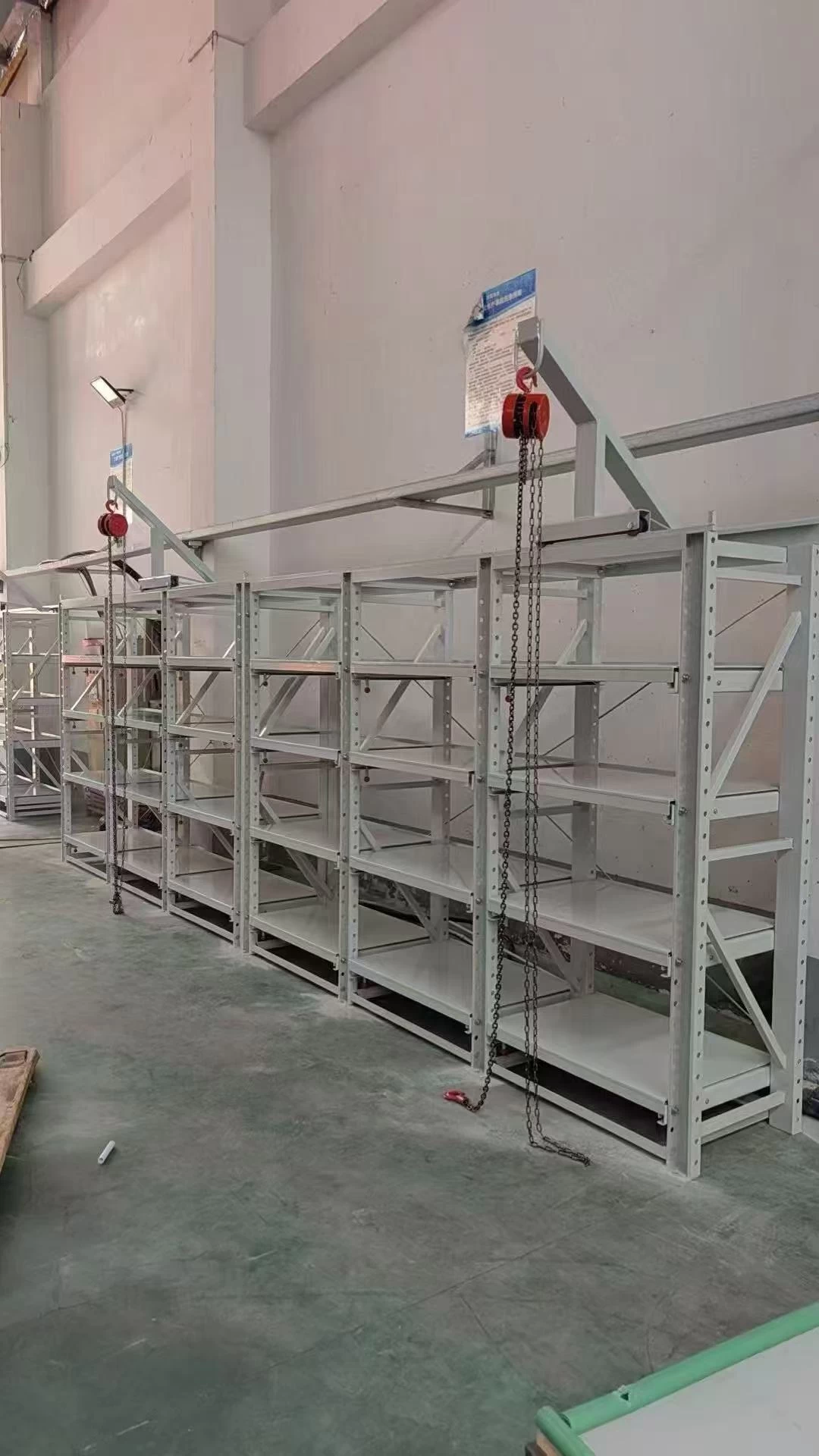
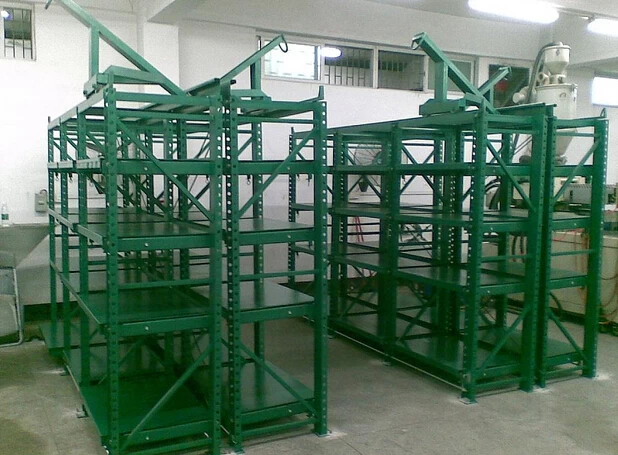
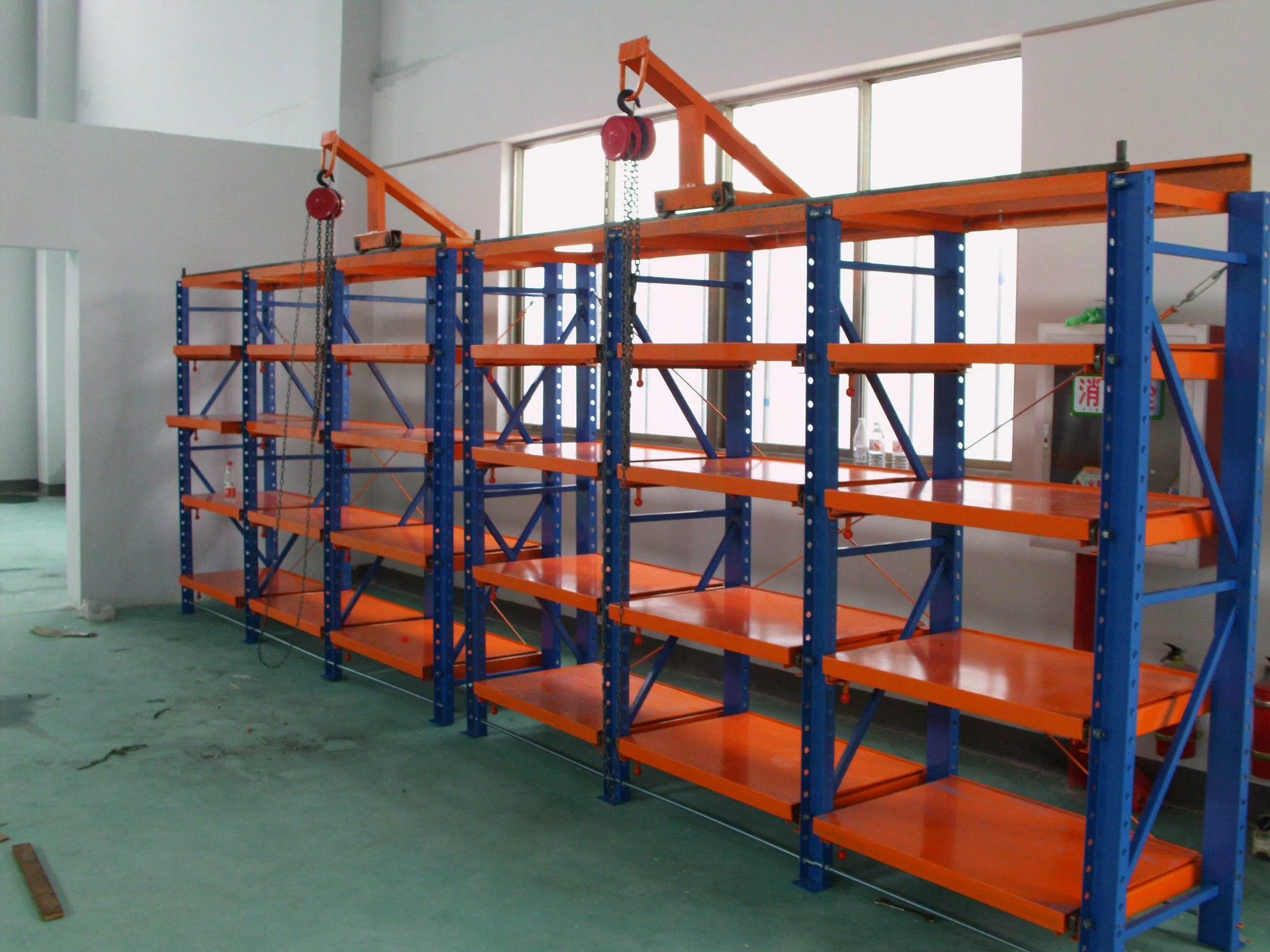
- **Cantilever Racks:** Provide open-front access, suitable for large or irregularly shaped molds.
- **Mobile Racking Systems:** Mounted on wheels or rails for movable storage, maximizing space flexibility.
- **Drawer Systems:** Useful for storing small molds or mold components securely.
Consider the workflow in your workshop—where molds are used versus where they are stored—and choose a design that aligns with ergonomic principles.
### 3. **Space Utilization**
Workshop space is often at a premium. Choose mold storage racks that maximize vertical storage while maintaining safe clearances for movement. Adjustable shelves or modular components enable customization as your inventory grows or changes.
Utilizing compact storage systems with features like double-deep shelving or drawer units can help optimize floor space. Also, consider the footprint of the rack relative to aisle widths and equipment paths.
### 4. **Durability and Corrosion Resistance**
Since molds may be stored in environments with exposure to moisture, lubricants, or chemicals, selecting racks with corrosion-resistant finishes is essential. Powder-coated steel or stainless steel racks provide longevity and require minimal maintenance.
Additionally, look for racks with protective coatings or liners to prevent metal-on-metal contact that could damage molds.
### 5. **Safety Features**
Heavy molds present significant safety risks if stored improperly. Features to look for include:
- **Secure Locking Mechanisms:** To prevent accidental dislodging.
- **Load Indicators:** To prevent overloading.
- **Anti-Tip Designs:** Especially for tall shelving units.
- **Ergonomic Access Points:** Such as handles or ramps for ease of movement.
Ensure your rack selection complies with local workplace safety regulations and standards.
### 6. **Customization and Expandability**
Workshops evolve, and so do their storage needs. Opt for mold storage racks that offer modular designs allowing expansion or reconfiguration. Customizable racks can be tailored to specific mold shapes or integrated with storage accessories like bins, labels, or RFID systems for inventory control.
---
## Materials and Finishes: What Works Best?
When selecting mold storage racks, material choice directly impacts durability, maintenance, and cost.
### Steel
- **Pros:** High strength, long-lasting, easily welded or fabricated.
- **Cons:** Susceptible to corrosion if not properly coated.
- **Typical Use:** Heavy-duty racks, industrial workshops.
### Stainless Steel
- **Pros:** Excellent corrosion resistance, hygienic surface.
- **Cons:** Higher cost.
- **Typical Use:** Environments with chemical exposure or high humidity.
### Aluminum
- **Pros:** Lightweight, corrosion resistant.
- **Cons:** Lower load capacity than steel.
- **Typical Use:** Lighter molds, portable racks.
### Composite or Plastic
- **Pros:** Resistant to corrosion, lightweight.
- **Cons:** Limited load-bearing capacity.
- **Typical Use:** Small molds or components, clean rooms.
For most mold storage applications, powder-coated steel racks present the best balance between cost, strength, and corrosion resistance.
---
## Installation and Maintenance Tips
Proper installation and ongoing maintenance ensure your mold storage racks deliver peak performance.
### Installation Best Practices
- Install racks on level, solid floors to maintain stability.
- Secure racks to walls or floors as needed to prevent tipping.
- Follow manufacturer guidelines for load limits and assembly.
- Maintain clear aisle spaces around racks for safety and accessibility.
### Maintenance Guidelines
- Regularly inspect racks for signs of wear, corrosion, or damage.
- Clean racks with appropriate solvents to remove oils or contaminants.
- Reapply protective coatings as necessary.
- Lubricate moving parts on mobile racks to ensure smooth operation.
- Review load distribution periodically to prevent uneven stress.
---
## Integrating Mold Storage Racks with Workshop Workflow
Storage solutions should complement your production processes. Consider these integration tips:
- Position racks near molding machines to reduce transport times.
- Label mold locations clearly using durable tags or digital tracking.
- Implement inventory management software to track mold usage and location.
- Train staff on proper handling and storage procedures to minimize damage.
---
## The Role of Aesthetics and Ergonomics
While functionality is paramount, the appearance and user-friendliness of your mold storage racks can impact employee satisfaction and operational efficiency.
- Choose rack colors and finishes that complement your workshop’s branding or environment.
- Ensure ergonomic height levels to reduce strain during mold handling.
- Incorporate anti-slip surfaces or padding where molds interface with racks.
---
## Common Mistakes to Avoid
- **Underestimating Load Requirements:** Leading to unsafe conditions and rack failure.
- **Ignoring Space Constraints:** Resulting in crowded areas and workflow disruptions.
- **Neglecting Corrosion Protection:** Causing premature rack deterioration.
- **Overlooking Safety Features:** Increasing accident risks.
- **Failing to Plan for Growth:** Limiting future scalability.
---
## Conclusion
Selecting the right mold storage racks is a critical decision that affects the efficiency, safety, and longevity of your workshop operations. By carefully considering factors such as load capacity, design, materials, and integration with your workflow, you can ensure your molds are well-protected and easily accessible.
Investing in high-quality, customizable mold storage racks not only safeguards your tools but also contributes to a more organized and productive work environment. Use this ultimate guide as a roadmap to evaluate your current storage needs and identify the best rack solutions tailored to your workshop.
---
### Additional Resources
- Industry standards for mold handling and storage.
- Case studies on optimizing workshop storage.
- Supplier directories for mold storage racks.
- Software solutions for inventory and asset management.
---
By implementing the insights shared here, you’ll be well-positioned to enhance your workshop’s mold storage capabilities, ensuring a safer, more efficient, and professional manufacturing environment.