# Top Advantages of Using I-Beam Platforms in Construction
The construction industry continuously evolves by integrating materials and technologies that enhance structural integrity, efficiency, and safety. Among various structural components, **I-beam platforms** have emerged as a cornerstone in modern construction projects. Their unique design and versatile applications make them an indispensable element for engineers, architects, and builders aiming for durable and cost-effective structures.
In this comprehensive article, we will explore the **top advantages of using I-beam platforms in construction**, detailing their structural benefits, economic value, and design flexibility. Additionally, we will briefly touch upon relevant technical considerations such as CSS styles and layout properties—terms often encountered in digital presentations of construction designs and documentation.
---
## What is an I-Beam Platform?
An **I-beam**, also known as an H-beam or universal beam, is a steel beam with a distinctive “I” shape when viewed in cross-section. The vertical section, called the **web**, resists shear forces, while the horizontal sections, known as **flanges**, handle bending moments. When used in platforms, these beams provide the foundational support structure for floors, walkways, and other elevated surfaces in buildings, bridges, and industrial sites.
---
## 1. Superior Structural Strength and Load-Bearing Capacity
One of the primary reasons I-beams are favored in construction is their remarkable **strength-to-weight ratio**. The I-shape efficiently distributes weight and stress across the web and flanges, allowing platforms to support heavy loads without excessive material use.
- **Efficient Stress Distribution:** The vertical web absorbs shear stress, while the flanges counteract bending stress. This dual functionality optimizes the beam’s ability to withstand both vertical and lateral forces.
- **Long Spanning Capabilities:** I-beams can span long distances without intermediate supports, making them ideal for large platforms where open space beneath is required.
- **Resistance to Deflection:** Due to their shape and material composition, I-beams exhibit minimal deflection under load, ensuring platform stability and user safety.
---
## 2. Versatility in Design and Application
I-beam platforms are incredibly adaptable to various architectural and engineering requirements.
- **Customizable Dimensions:** I-beams come in numerous sizes and thicknesses to suit specific load requirements and spatial constraints.
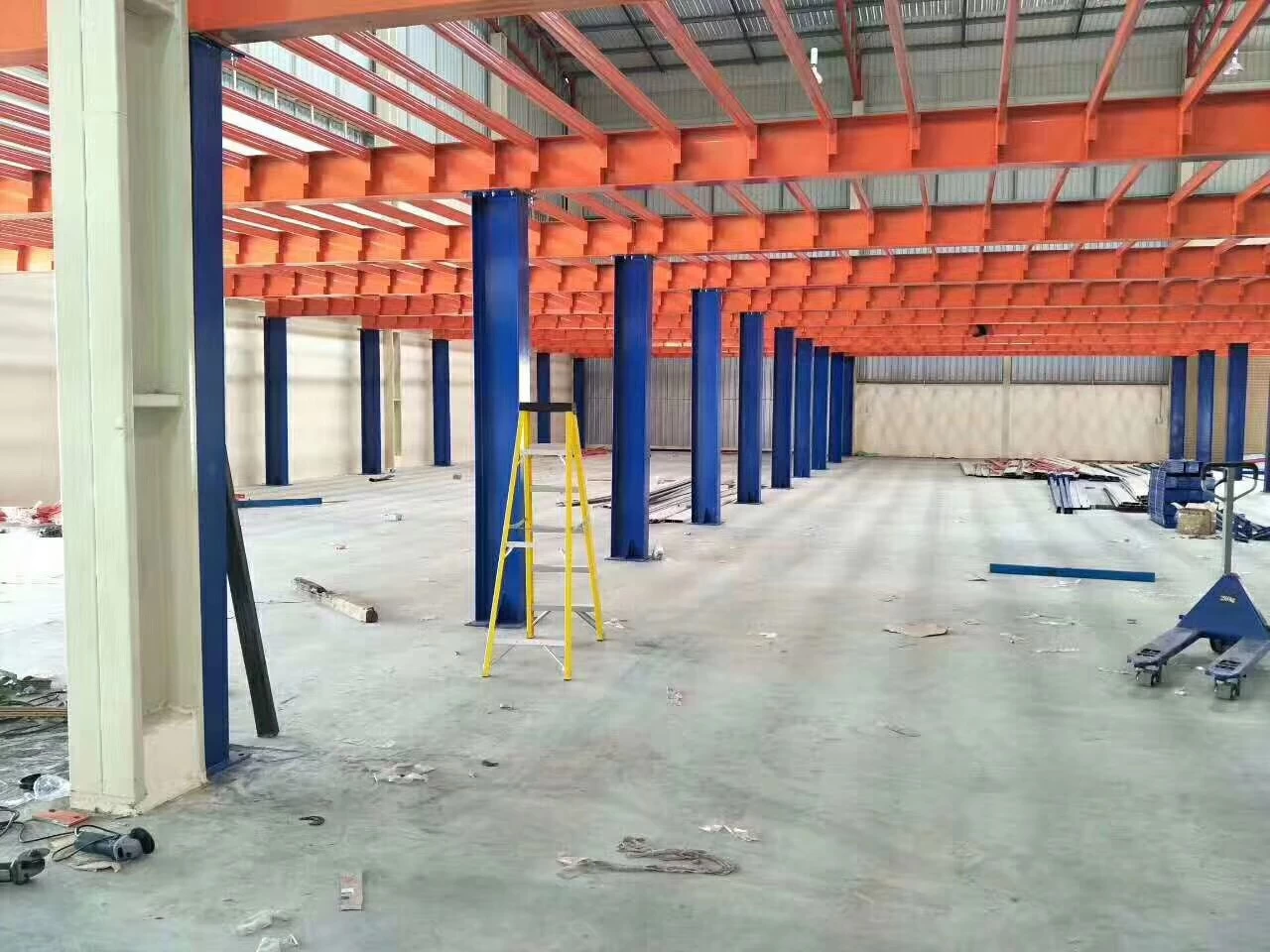
- **Compatibility with Other Materials:** They can be combined with concrete slabs, timber decking, or metal grating to form composite platforms that enhance durability and aesthetics.
- **Integration with Modern Architectural Styles:** Thanks to their sleek profile, I-beams can be exposed as part of the design, contributing to industrial-style aesthetics frequently seen in contemporary buildings.
---
## 3. Cost-Effectiveness and Material Efficiency
Using I-beam platforms can significantly reduce construction costs over time.
- **Reduced Material Usage:** Because of their efficient load distribution, less steel is needed compared to solid rectangular beams to achieve the same strength.
- **Lower Labor Costs:** The ease of fabrication, transportation, and installation of I-beams leads to shorter construction timelines and reduced labor expenses.
- **Durability Reduces Maintenance:** I-beams resist deformation and corrosion (especially when properly treated), minimizing repair costs and extending service life.
---
## 4. Enhanced Safety Features
Safety is paramount in construction, and I-beam platforms contribute to safer structures in several ways:
- **Stable Load Bearing:** Their structural integrity reduces the risk of platform failure under unexpected loads or environmental stresses.
- **Fire Resistance:** Steel I-beams exhibit higher fire resistance than wooden alternatives, enhancing overall building safety.
- **Ease of Inspection:** Their simple geometry allows for straightforward inspection and maintenance, ensuring ongoing reliability.
---
## 5. Environmental Impact and Sustainability
Sustainability has become a critical factor in construction decisions. I-beams offer ecological advantages:
- **Recyclability:** Steel I-beams are 100% recyclable, and many are made from recycled steel, reducing raw material demand.
- **Long Lifespan:** Their durability means fewer replacements and less material waste over time.
- **Lightweight Transport:** Due to their strength, fewer beams are needed, which reduces transportation fuel consumption and associated emissions.
---
## 6. Integration with Modern Digital Design Tools
In today’s construction landscape, digital tools play a crucial role in planning and visualization. While not directly related to the physical properties of I-beams, understanding **CSS styles** and layout properties is useful when presenting construction documents or designs online.
For example, when showcasing I-beam platforms on a website or in an electronic portfolio, developers may use CSS properties such as:
- **box-sizing: border-box;** to control the sizing model of elements.
- **margin, padding, width, and max-width** to optimize content spacing and layout.
- **font-family: Arial, Helvetica, sans-serif;** to ensure readable typography.
- **color and background** settings to enhance visual appeal.
- **box-shadow** and **linear-gradient** for subtle stylistic effects.
- **position-relative** and **overflow-hidden** to manage element positioning and clipping.
Such careful design ensures that the presentation of construction projects—highlighting I-beam platforms—is both professional and accessible.
---
## Conclusion
I-beam platforms stand out as one of the most advantageous structural elements in construction due to their superior strength, versatility, cost-effectiveness, safety, and environmental benefits. Their ability to combine with various materials and adapt to complex designs makes them indispensable in modern building projects.
Moreover, the integration of digital design principles such as CSS styling enhances how these platforms are showcased and communicated among stakeholders, contributing to better project coordination and client engagement.
For construction professionals seeking reliable, efficient, and aesthetically flexible platform solutions, I-beam technology remains a top choice—one that supports innovation while maintaining the highest standards of structural performance.
---
### References
- American Institute of Steel Construction (AISC). *Steel Construction Manual.*
- ASTM International. *Standards for Structural Steel.*
- U.S. Green Building Council. *LEED Certification and Sustainable Materials.*
---
By leveraging the strengths and advantages of I-beam platforms, the construction industry can continue to build safer, more sustainable, and economically viable structures for the future.