# How I-Beam Platforms Enhance Structural Stability in Industrial Settings
In the realm of industrial construction and engineering, structural integrity is paramount. Facilities such as factories, warehouses, refineries, and manufacturing plants demand robust frameworks capable of withstanding heavy loads, dynamic forces, and environmental stressors. A crucial element contributing to this resilience is the use of **I-beam platforms**. Recognized for their exceptional strength-to-weight ratio and versatility, I-beams serve as foundational components that enhance structural stability significantly.
This article delves into the technical and practical aspects of how I-beam platforms bolster structural stability in industrial settings. We will explore the design principles behind I-beams, their mechanical advantages, applications in platform construction, and the synergy between material choice and engineering practice that ensures safety and durability.
---
## Understanding I-Beams: Design and Mechanics
### The Anatomy of an I-Beam
An I-beam, also referred to as an H-beam or universal beam, is a steel member characterized by its I-shaped cross-section. This shape consists of three main parts:
- **Flanges**: The horizontal elements at the top and bottom of the beam.
- **Web**: The vertical component connecting the flanges.
The geometry of I-beams allows them to resist bending and shear forces efficiently. The flanges handle most of the bending moment, while the web resists shear stress.
### Material Efficiency and Load Distribution
I-beams are engineered to provide maximum strength while minimizing material use. The distribution of steel in the flanges and web maximizes resistance to bending moments arising from loads applied perpendicular to the beam's length. This design ensures:
- **High moment of inertia**, which reduces deflection under load.
- **Efficient handling of shear forces** due to the web's placement.
- **Optimized weight-to-strength ratio**, crucial in industrial applications where load capacity and ease of installation matter.
---
## Role of I-Beam Platforms in Industrial Settings
Industrial environments often involve heavy machinery, equipment, and storage racks that exert significant static and dynamic loads on structural platforms. I-beam platforms play a pivotal role in addressing these challenges.
### 1. Load-Bearing Capacity and Stability
The primary advantage of utilizing I-beams in platforms is their ability to support large loads without excessive deformation. In industries such as oil and gas, chemical processing, or heavy manufacturing, platforms must sustain not only the weight of personnel but also heavy machinery and material handling equipment.
I-beam platforms distribute these loads evenly, preventing localized stress points that could lead to structural failure. Their inherent stiffness reduces vibration and sway, which enhances operational safety.
### 2. Resistance to Dynamic and Environmental Forces
Industrial platforms are exposed to various forces beyond static weight, including wind loads, seismic activity, and thermal expansion. The robustness of I-beams contributes to the structure's overall damping properties and resilience.
Furthermore, I-beams fabricated from high-grade steel with appropriate corrosion protection withstand harsh environmental conditions, such as chemical exposure and moisture, extending the platform's lifespan.
### 3. Modular and Scalable Construction
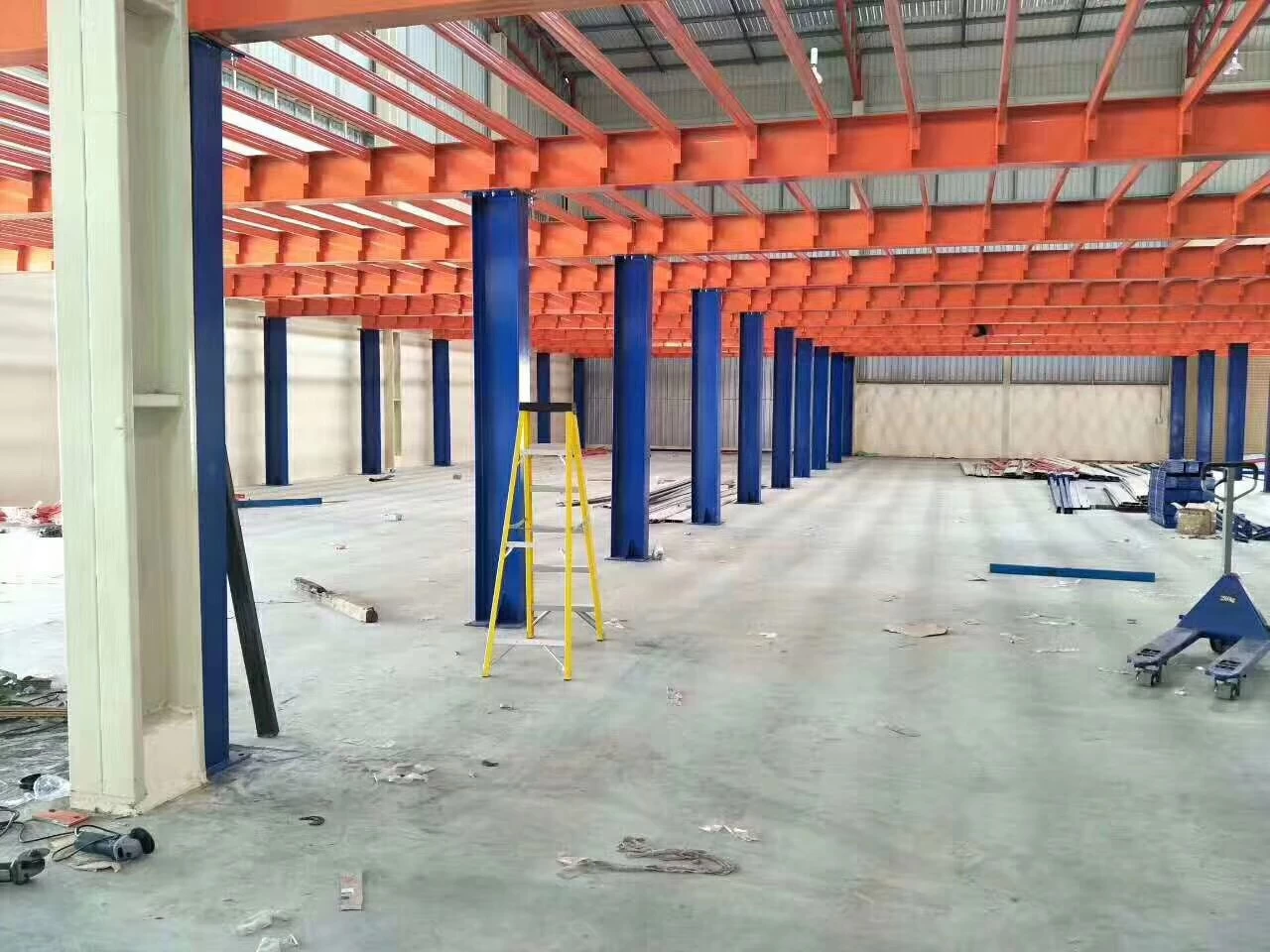
I-beam platforms offer modularity, enabling engineers to design scalable structures adaptable to evolving industrial needs. They facilitate easy integration with other structural elements, such as columns, braces, and decking materials, enhancing the flexibility of platform layouts.
This modular approach supports efficient construction timelines and cost management while maintaining high safety standards.
---
## Integrating I-Beam Platforms with Modern Engineering Practices
The use of I-beam platforms is complemented by advancements in design, fabrication, and construction technologies. For instance, computer-aided design (CAD) software enables precise modeling of I-beam configurations to optimize structural performance.
Moreover, the incorporation of **CSS styles** in digital blueprints and documentation — including properties such as `box-sizing: border-box`, `margin`, `padding`, and `box-shadow` — facilitates clear visualization and communication among project stakeholders. Although CSS primarily pertains to web design, analogous principles of layout and spacing apply in drafting and presenting engineering plans effectively.
### Material Selection and Protective Coatings
Steel grade selection is critical for ensuring the platform meets specific industrial requirements. Common choices include ASTM A36, A992, and weathering steels, each offering varying strengths and corrosion resistance.
Protective coatings, such as galvanizing or epoxy paints, provide additional defense against rust and chemical degradation. These treatments maintain the platform’s structural integrity over time, especially in harsh environments.
---
## Case Studies Demonstrating I-Beam Platform Effectiveness
### Petrochemical Refinery Maintenance Platforms
In petrochemical refineries, elevated platforms built on I-beam frameworks enable safe access for maintenance personnel. These platforms support heavy tools and equipment while resisting vibrations from nearby processing units.
The use of I-beams allows these platforms to span large distances between supports, minimizing obstruction and facilitating workflow efficiency.
### Warehouse Mezzanine Floors
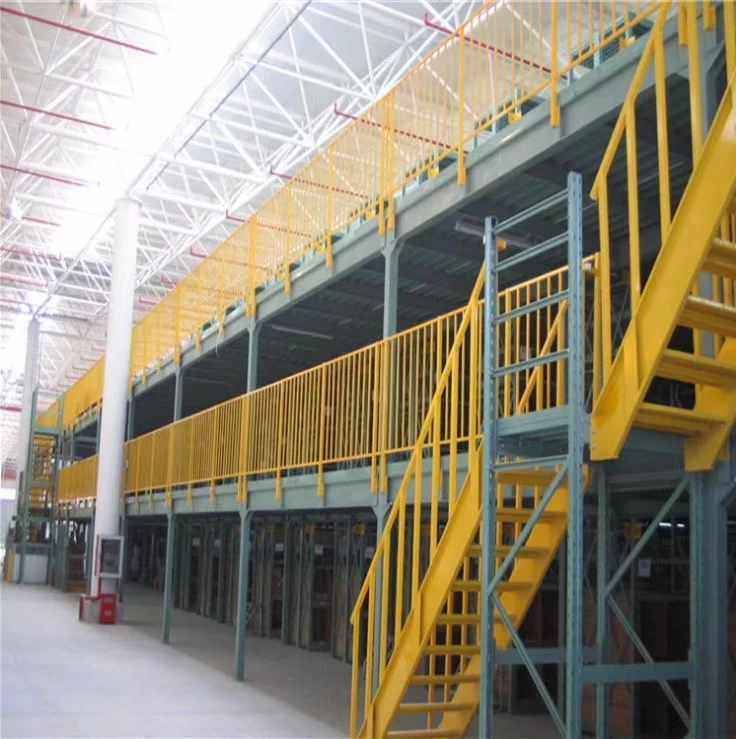
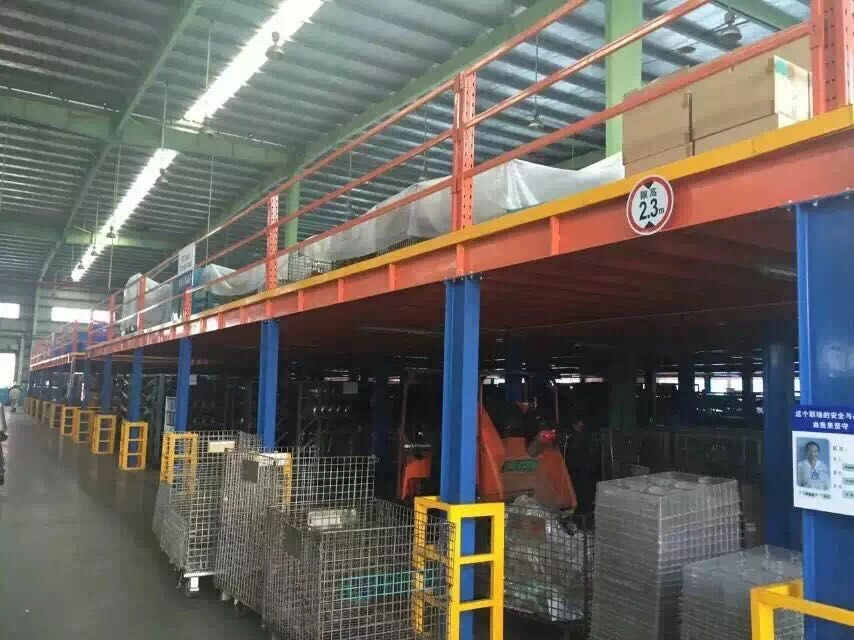
Warehouse operations benefit from mezzanine floors constructed with I-beam platforms, which increase storage capacity vertically. These platforms accommodate heavy pallet loads, forklift traffic, and dynamic loading scenarios.
The structural stability afforded by I-beams ensures safety compliance and reduces the risk of floor deflection or collapse under load.
---
## Best Practices for Designing I-Beam Platforms
To maximize the benefits of I-beam platforms, engineers must consider several key factors during design and implementation:
1. **Load Analysis**: Accurate assessment of both static and dynamic loads is essential to determine beam size and spacing.
2. **Deflection Criteria**: Platforms should be designed to limit deflection within acceptable thresholds, ensuring comfort and safety.
3. **Connection Detailing**: Bolted or welded connections must be designed to transfer loads efficiently without compromising structural integrity.
4. **Corrosion Protection**: Selecting appropriate coatings and maintenance routines prevents premature deterioration.
5. **Compliance with Codes**: Designs must adhere to relevant standards such as AISC (American Institute of Steel Construction) specifications and OSHA regulations.
---
## Conclusion
I-beam platforms are integral to the structural stability of industrial facilities. Their unique geometry, high load-bearing capacity, and adaptability make them ideal for supporting heavy equipment and personnel safely. By understanding the mechanical principles behind I-beams and integrating modern engineering practices, industries can construct durable, efficient, and safe platforms tailored to their operational needs.
Through meticulous design, material selection, and protective measures, I-beam platforms continue to be a cornerstone of industrial structural engineering, enabling facilities to meet the demands of modern production and maintenance activities with confidence.
---
*By leveraging the strengths of I-beam platforms, industrial engineers and architects ensure that safety and functionality remain at the forefront of infrastructural development.*