# A Step-by-Step Guide to Installing I-Beam Platforms Safely
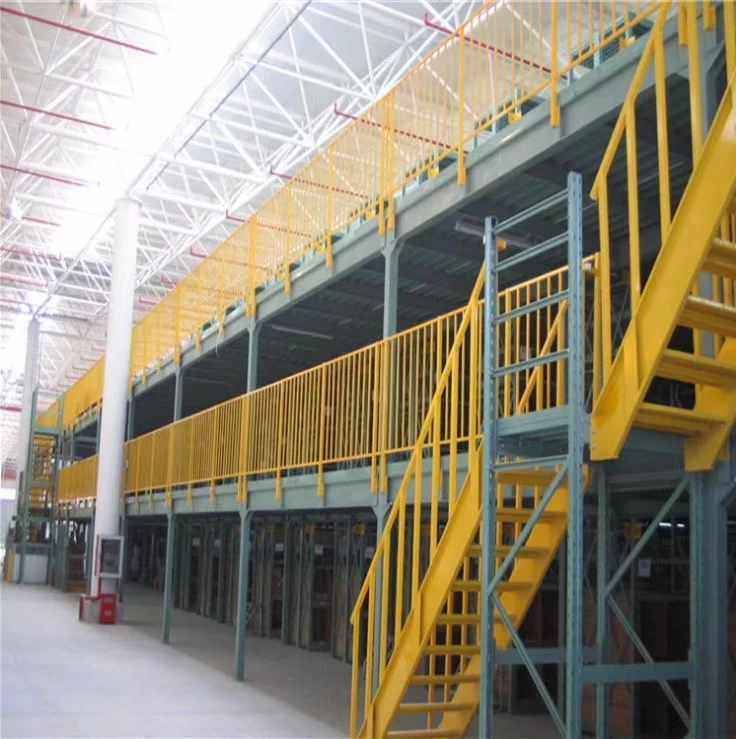
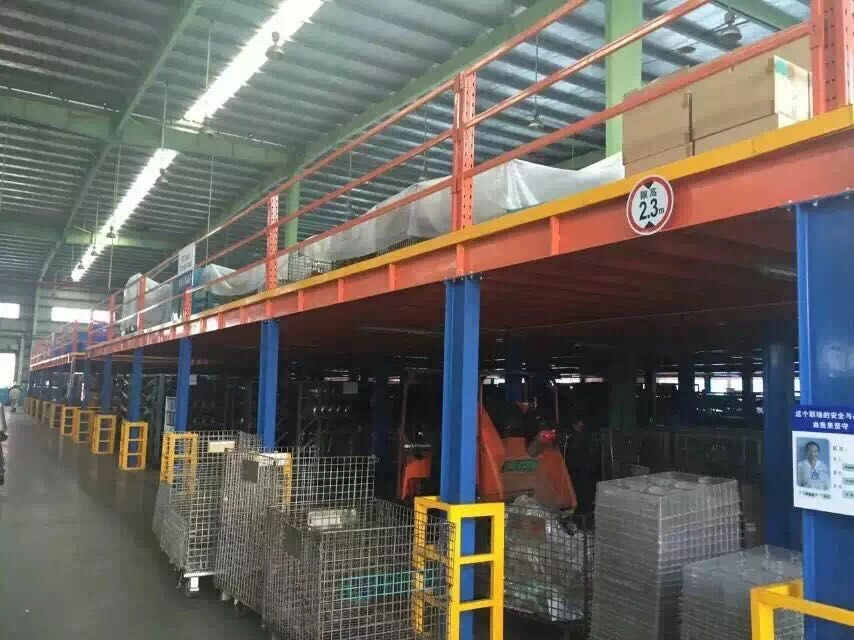
I-beam platforms are essential components in construction, manufacturing, and industrial settings where strong and durable support structures are required. These platforms provide stability and load-bearing capacity, making them ideal for walkways, mezzanines, and elevated work areas. However, the installation of I-beam platforms demands strict adherence to safety protocols and best practices to prevent accidents and ensure structural integrity.
This comprehensive guide will walk you through the step-by-step process of installing I-beam platforms safely, from preparation and material selection to final inspection. We will also touch on relevant CSS styles keywords mentioned such as box-sizing, border-box, and font-family—noting how precision and attention to detail in both physical installations and digital presentations can be paralleled.
---
## Understanding I-Beam Platforms
Before diving into installation steps, it’s important to understand what an I-beam platform is and why it is widely used. An I-beam consists of a vertical web with horizontal flanges at the top and bottom, forming the shape of a capital "I." This geometry offers high bending resistance and strength-to-weight ratio, making it a preferred choice for supporting heavy loads.
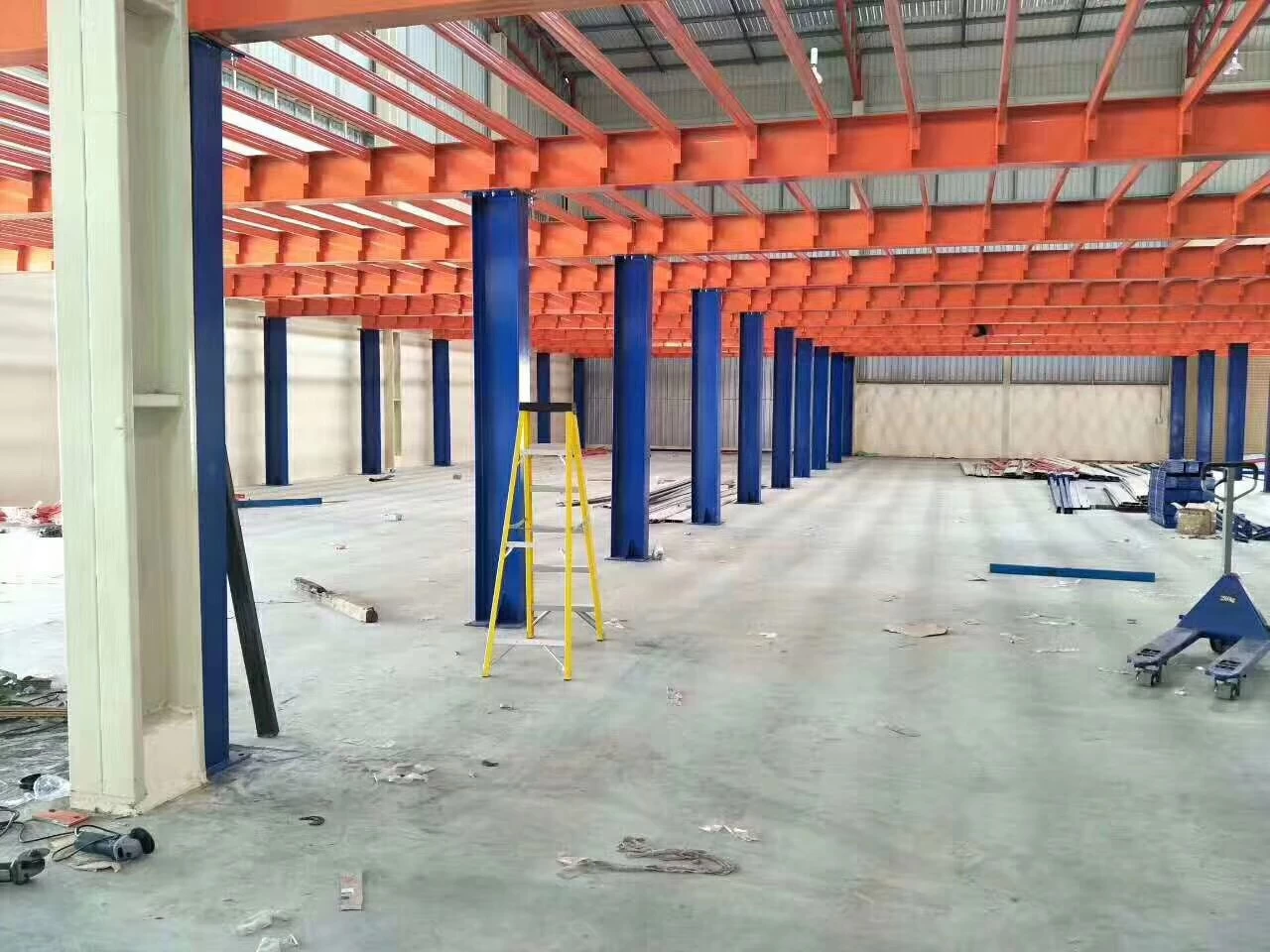
I-beam platforms typically involve placing horizontal I-beams side-by-side or spaced apart, then adding decking or flooring material on top to create a walkable surface. These platforms can be custom fabricated or prefabricated and require precise installation to maximize safety and functionality.
---
## Step 1: Planning and Preparation
### Site Assessment and Design Verification
- **Assess the Installation Site:** Conduct a thorough site survey to understand the existing conditions, including the floor level, clearance, and potential obstructions.
- **Verify Design Specifications:** Confirm the dimensions, load capacities, and configuration of the I-beam platform according to engineering drawings.
- **Gather Necessary Permits:** Ensure all local building permits and safety regulations are in place before beginning work.
### Tools and Materials Checklist
Prepare all tools and materials in advance:
- I-beams (correct size and grade of steel)
- Fasteners (bolts, nuts, washers)
- Welding equipment (if applicable)
- Measuring tape, level, and laser alignment tools
- Personal protective equipment (PPE): helmets, gloves, safety glasses, harnesses
- Scaffolding or lifts as needed for elevated work
The meticulousness here is akin to defining CSS properties such as `box-sizing: border-box` or `font-family: Arial, Helvetica, sans-serif;` where precision influences the final render—in this case, physical stability and safety.
---
## Step 2: Site Preparation and Safety Measures
### Clear the Work Area
Remove debris, equipment, and non-essential personnel from the vicinity. Establish barricades and clear signage to prevent unauthorized access.
### Set Up Safety Protocols
- **Fall Protection:** Install guardrails, safety nets, or personal fall arrest systems where necessary.
- **Load Handling:** Use cranes or hoists rated for the weight of the I-beams.
- **Communication:** Maintain clear communication channels among workers using radios or hand signals.
Safety here is paramount—just like applying `overflow-hidden` in CSS to prevent unwanted content spillover, safety measures prevent uncontrolled hazards.
---
## Step 3: Positioning and Securing I-Beams
### Aligning the Beams
- Use laser levels or string lines to ensure the beams are perfectly aligned horizontally and vertically.
- Adjust beam positions carefully before securing them.
### Securing the Beams
- Bolt or weld the beams according to design specifications.
- Use torque wrenches to tighten bolts to the specified torque.
- Inspect welds for completeness and uniformity.
Attention to spacing and alignment relates to setting widths and margins in CSS (`width`, `margin`), which affects layout integrity.
---
## Step 4: Installing Platform Decking
### Selecting Decking Material
Choose decking that is compatible with the I-beam structure and meets load requirements. Common materials include steel grating, plywood, or composite panels.
### Installation Process
- Lay decking panels across I-beams ensuring even spacing.
- Fasten decking securely using appropriate fasteners.
- Apply anti-slip coatings or finishes if necessary.
This is similar to applying background colors or gradients (`background`, `linear-gradient`, `rgba`) in CSS to enhance visual appeal and functionality.
---
## Step 5: Final Inspection and Testing
### Visual Inspection
- Check for any misaligned beams, loose fasteners, or damaged decking.
- Verify that all safety features (guardrails, toe boards) are installed correctly.
### Load Testing
- Conduct load tests based on engineering guidelines.
- Monitor for deflection or instability.
### Documentation
- Record all inspection results and any corrective actions taken.
Much like validating CSS styles (`box-shadow`, `padding`) to ensure consistent appearance, these inspections guarantee the platform’s performance and safety.
---
## Best Practices for Maintaining I-Beam Platforms
- **Regular Inspections:** Schedule periodic checks to identify corrosion, wear, or damage.
- **Cleaning:** Remove debris and apply protective coatings to prevent rust.
- **Load Management:** Avoid overloading beyond design limits.
---
## Conclusion
Installing I-beam platforms safely requires careful planning, precise execution, and strict adherence to safety protocols. By following this step-by-step guide, construction teams can ensure the structural integrity and longevity of the platforms while minimizing risks to workers.
Remember, attention to detail in physical construction parallels the precision required in digital design—where CSS properties such as `box-sizing: border-box`, `font-family: Arial, Helvetica, sans-serif;`, and `box-shadow` contribute to a seamless user experience, similarly, exact measurements, proper fastening, and safety measures contribute to the success of an I-beam platform installation.
With the right approach, your I-beam platform will not only stand strong but also serve as a safe and efficient workspace for years to come.
---
**Keywords:** box-sizing, border-box, sde-body, margin, background, font-family, Arial, Helvetica, sans-serif, color, sde-detail, width, padding, sde-page, max-width, box-shadow, overflow-hidden, sde-hero, position-relative, min-height, linear-gradient, rgba, base64 image data, CSS styles