# Top 5 Uses of Mezzanine Shelves in Industrial and Commercial Spaces
In today’s fast-paced industrial and commercial environments, efficient use of space is paramount. Businesses continually seek innovative storage solutions that optimize available floor space while improving accessibility and operational efficiency. Among these solutions, mezzanine shelves have emerged as a versatile and highly effective option. Combining the advantages of mezzanine flooring with robust shelving systems, mezzanine shelves provide a multi-tiered storage solution that enhances vertical space utilization without compromising safety or accessibility.
This article explores the **top 5 uses of mezzanine shelves in industrial and commercial spaces**, outlining their benefits and practical applications. Whether you operate a warehouse, manufacturing plant, retail outlet, or distribution center, understanding how mezzanine shelving can transform your storage capabilities is essential.
---
## What Are Mezzanine Shelves?
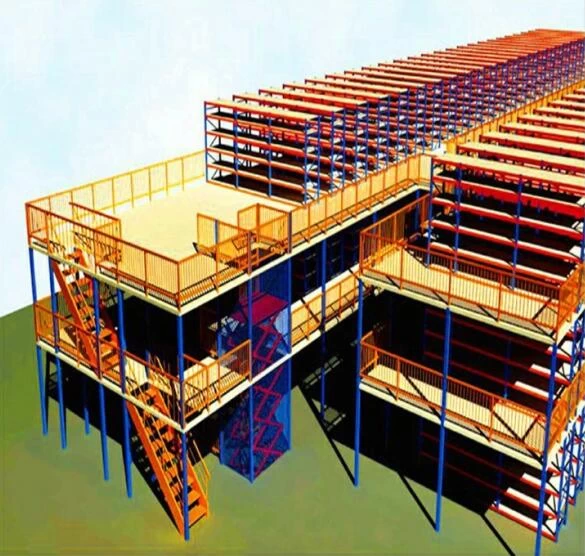
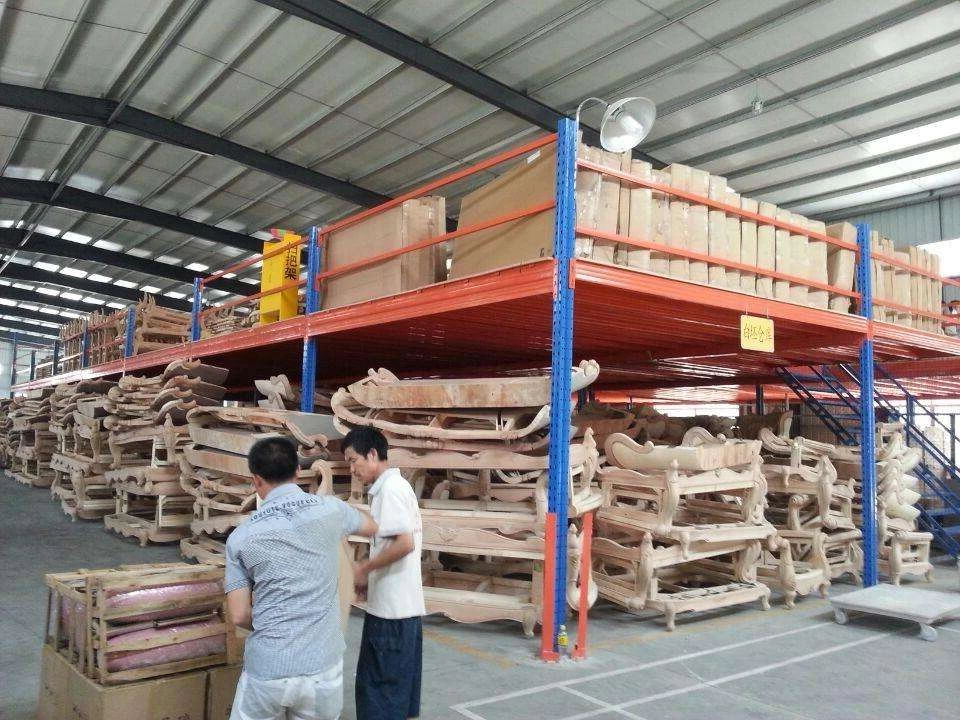
Before diving into their uses, it’s important to clarify what mezzanine shelves are. A mezzanine shelf system integrates shelving units on elevated platforms (mezzanines), effectively creating additional floors within an existing building structure. Unlike traditional shelving, these systems capitalize on vertical space by building upwards, thereby expanding storage capacity without the need for costly building extensions.
Mezzanine shelves are typically constructed from steel frameworks supporting heavy-duty shelving surfaces, designed to bear significant loads. They are commonly equipped with safety railings, staircases, and sometimes even integrated lighting to ensure safe and convenient access.
---
## 1. Maximizing Warehouse Storage Capacity
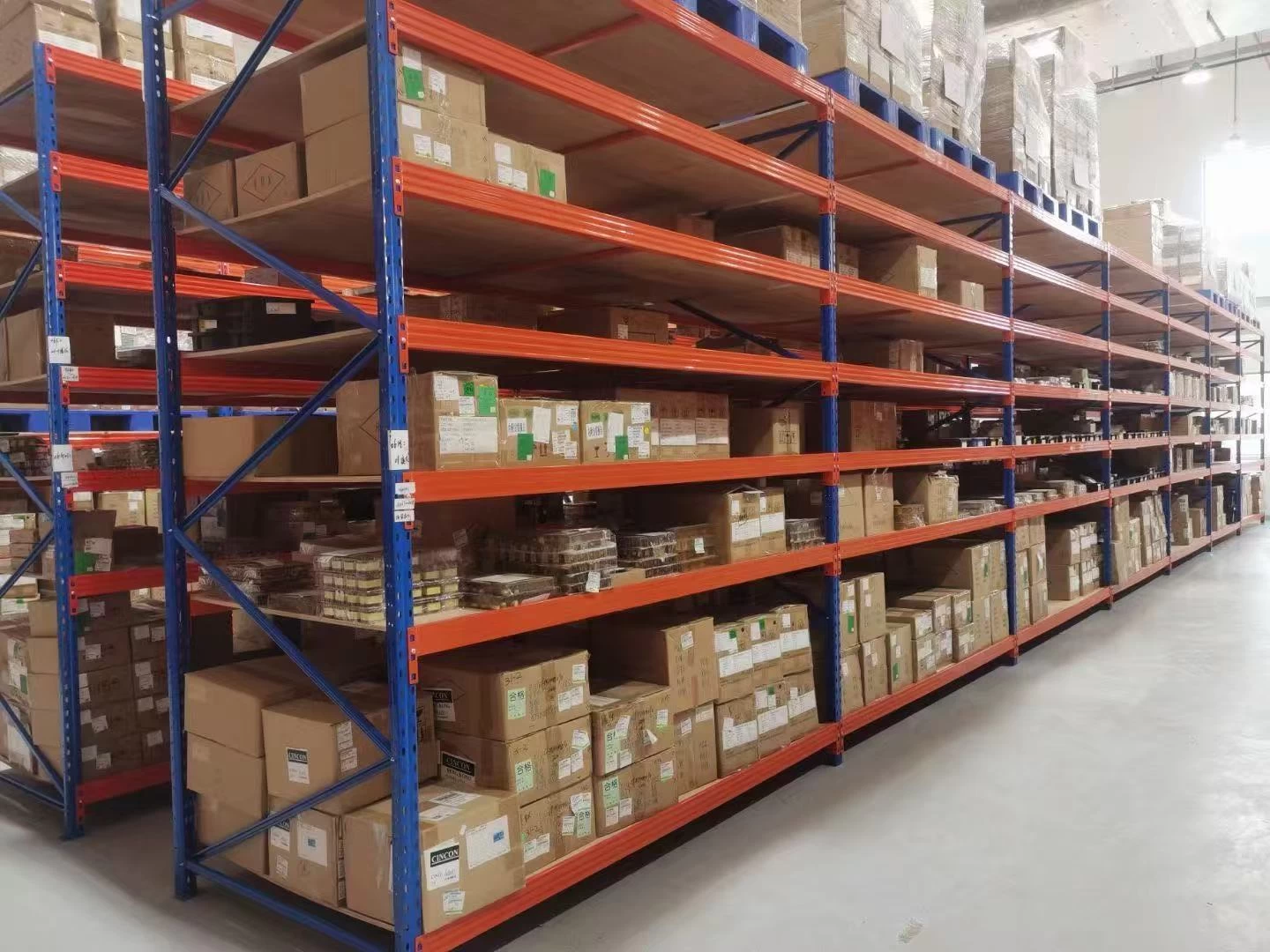
One of the most common and impactful uses of mezzanine shelves is in **warehouse storage**. Warehouses often face challenges related to limited floor space, especially as inventory levels fluctuate or grow. Installing mezzanine shelves allows warehouses to:
- Increase storage density by utilizing vertical space.
- Separate different types of inventory on multiple levels.
- Improve inventory organization and retrieval times.
For example, a warehouse storing both large bulk items and smaller components can designate the mezzanine level for lighter, high-turnover goods, while heavier items remain on the ground floor. This stratification enhances operational workflows and reduces congestion in busy warehouse aisles.
Moreover, mezzanine shelves can be customized with various shelving configurations — such as pallet racking, bin shelving, or cantilever racks — to accommodate diverse product types. This flexibility ensures that space optimization doesn’t sacrifice adaptability.
---
## 2. Enhancing Manufacturing Floor Efficiency
In industrial manufacturing facilities, mezzanine shelves serve more than just storage purposes; they also contribute to **workflow optimization**. Manufacturing plants often require segregated areas for raw materials, work-in-progress inventory, and finished goods. Mezzanine shelves enable:
- Clear delineation of these zones vertically.
- Easy access to tools, parts, and supplies directly at the point of use.
- Reduction in downtime caused by material handling inefficiencies.
For instance, parts and components necessary for assembly lines can be stored on mezzanine shelves adjacent to production stations, minimizing the time workers spend fetching items from distant storage rooms. Additionally, by raising storage off the ground, mezzanine shelves free up valuable floor space for machinery, equipment, or additional workstations.
Safety is a critical consideration in manufacturing environments, and mezzanine shelves are designed to comply with industrial safety standards, including load ratings and fall protection measures, ensuring that increased vertical storage does not compromise worker safety.
---
## 3. Optimizing Retail Backroom and Stockroom Organization
Retail operations often struggle with limited backroom or stockroom space, especially in urban settings where real estate is expensive. Mezzanine shelves offer an elegant solution for **retail inventory management**, enabling stores to:
- Expand storage capacity without relocating or enlarging premises.
- Organize stock by categories or sales cycles efficiently.
- Facilitate rapid restocking of sales floors.
In fashion retail outlets, for example, mezzanine shelves can store seasonal items, excess inventory, or promotional materials above the main stock area, keeping the floor clutter-free. Similarly, grocery stores and convenience marts benefit from mezzanine shelving to manage perishable and non-perishable goods separately, maintaining order and easy access.
The aesthetic integration of mezzanine shelves with the existing store design is also an advantage, as it helps maintain a clean and professional environment without overwhelming customers or staff with clutter.
---
## 4. Supporting Distribution Centers and Logistics Operations
Distribution centers rely heavily on speed, accuracy, and volume in their operations. Mezzanine shelves contribute significantly to these goals by enabling **efficient order fulfillment and material handling** through:
- Increased storage capacity for diverse SKUs.
- Improved sorting and staging areas for outbound shipments.
- Segmentation of high-velocity versus low-velocity inventory.
By installing mezzanine shelves, distribution centers can create dedicated picking zones on upper levels while bulk storage remains below. This vertical segregation streamlines the picking process by reducing travel distances and improving worker productivity.
Furthermore, mezzanine shelves can incorporate conveyor systems or automated retrieval mechanisms, further enhancing logistics efficiency. With proper design, mezzanine shelves facilitate smooth flow-through processes, from receiving incoming goods to shipping completed orders.
---
## 5. Creating Office and Workspace Areas Above Storage Zones
Beyond pure storage applications, mezzanine shelves can be part of larger mezzanine structures that include office or workspace areas above storage zones. This dual-use approach is particularly beneficial in industrial and commercial facilities where:
- Space constraints limit the possibility of separate office buildings.
- Supervisory staff need proximity to operations.
- On-site training or meeting rooms are required within facility bounds.
By combining shelving systems with mezzanine floors, companies create functional multi-use spaces that maximize every square foot. For example, an industrial workshop might have machine tool storage on the lower mezzanine shelves, with a quality control office or engineering workspace above, separated by safety barriers and sound insulation.
This integration reduces time lost in communication and oversight, while also optimizing the footprint of the facility. It exemplifies how mezzanine shelves go beyond storage to support broader operational needs.
---
## Key Considerations When Implementing Mezzanine Shelves
While the benefits of mezzanine shelves are clear, successful implementation requires careful planning and adherence to best practices:
- **Load Capacity:** Ensure shelving and mezzanine floors are rated for anticipated weight loads, including dynamic loads during stocking and retrieval.
- **Safety Compliance:** Install guardrails, staircases, anti-slip surfaces, and signage per OSHA or local regulations to protect employees.
- **Access Solutions:** Incorporate appropriate access points such as stairs, lifts, or forklifts compatible with mezzanine height and usage.
- **Customization:** Work with specialists who understand your industry’s specific needs to design shelving configurations, dimensions, and materials.
- **Integration:** Coordinate mezzanine shelving installation with existing facility layouts, workflows, and technology systems such as inventory management software.
Addressing these factors upfront prevents costly modifications later and ensures that mezzanine shelves deliver maximum value.
---
## Conclusion
Mezzanine shelves represent an innovative and practical solution for optimizing storage and workspace in industrial and commercial settings. By leveraging vertical space, they help businesses:
1. Maximize warehouse storage capacity.
2. Enhance manufacturing floor efficiency.
3. Optimize retail backroom and stockroom organization.
4. Support distribution center and logistics operations.
5. Create office and workspace areas above storage zones.
Adopting mezzanine shelving systems can drive operational improvements, reduce costs associated with space limitations, and improve overall facility management. As industries continue to evolve, integrating mezzanine shelves offers a sustainable path forward for efficient space utilization.
---
Whether you are looking to expand your warehouse capabilities, streamline manufacturing processes, or improve retail stock management, mezzanine shelves provide a flexible, scalable, and cost-effective storage solution. Partner with experienced providers to design and install mezzanine shelving tailored to your unique business requirements, and unlock the full potential of your industrial or commercial space.
---
*If you found this article insightful, consider exploring more about warehouse optimization strategies and industrial storage innovations to keep your operations running smoothly and efficiently.*