# The Role of Mezzanine Shelves in Streamlining Inventory Management
In today’s fast-paced and highly competitive business landscape, efficient inventory management is crucial for operational success. Companies across industries are constantly seeking innovative solutions to optimize storage space, improve accessibility, and enhance overall warehouse efficiency. One such solution gaining widespread recognition is the implementation of mezzanine shelving systems. This article explores the pivotal role of mezzanine shelves in streamlining inventory management, detailing their benefits, applications, and best practices.
---
## Understanding Mezzanine Shelves
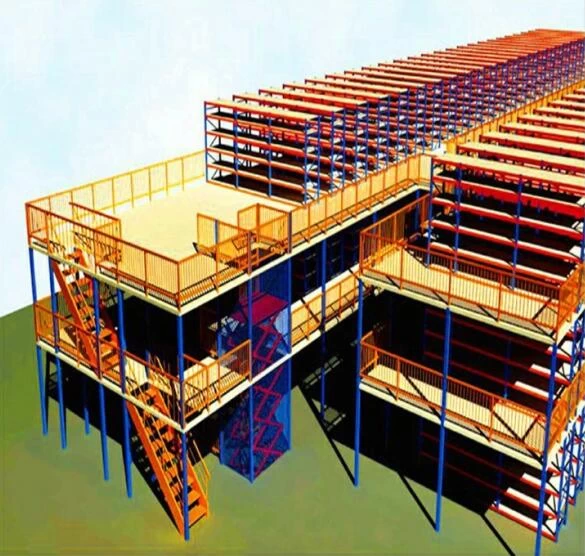
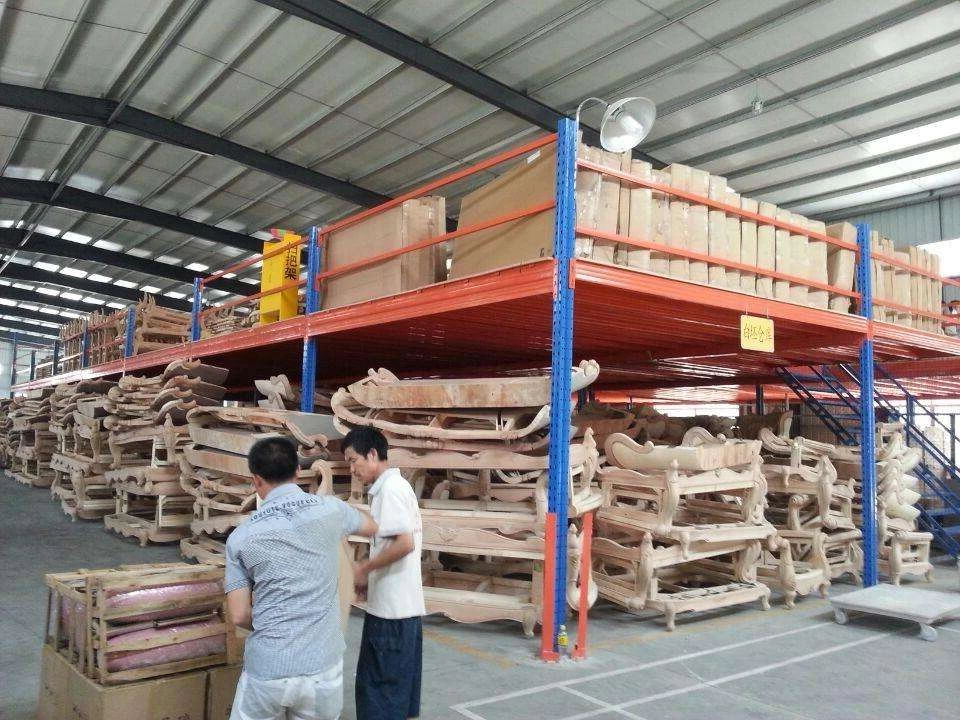
Mezzanine shelves refer to intermediate floor platforms installed within warehouses or storage facilities. Unlike traditional shelving that is limited to ground-level storage, mezzanine systems effectively utilize vertical space by creating additional storage layers. These elevated platforms can support heavy loads and are often modular, allowing customization based on specific inventory needs.
The design of mezzanine shelves typically includes sturdy decking materials supported by steel structures, with safety features such as guardrails and staircases for easy access. This setup not only maximizes cubic storage capacity but also promotes organized inventory layouts.
---
## Challenges in Traditional Inventory Management
Before delving into the advantages of mezzanine shelves, it’s important to recognize common challenges faced in conventional storage environments:
- **Limited Vertical Utilization:** Most warehouses tend to use only the floor space, neglecting the potential cubic volume available.
- **Disorganized Storage Layouts:** Overcrowded shelving and poor categorization lead to inefficiencies in locating and retrieving items.
- **Safety Concerns:** Cramped aisles and unstable stacking increase risks of accidents and product damage.
- **High Operational Costs:** Inefficient layouts can cause delays, increased labor costs, and higher expenses related to space expansion.
These challenges underscore the need for smarter storage solutions that enhance both space utilization and workflow.
---
## How Mezzanine Shelves Enhance Inventory Management
### 1. **Maximizing Warehouse Space**
One of the primary benefits of mezzanine shelving is the optimal use of vertical space. By adding an intermediate platform, businesses effectively double or even triple their usable floor area without expanding the building footprint. This is especially valuable in urban locations where real estate costs are high.
For example, a warehouse with a ceiling height of 20 feet can install a mezzanine level at 10 feet, creating two separate storage floors. This additional space can be dedicated to different product categories or stages in the supply chain, reducing clutter and improving organization.
### 2. **Improved Organization and Accessibility**
Mezzanine shelves facilitate better inventory categorization by segmenting stock logically across multiple levels. This separation helps warehouse personnel quickly locate items, reducing search times and minimizing picking errors.
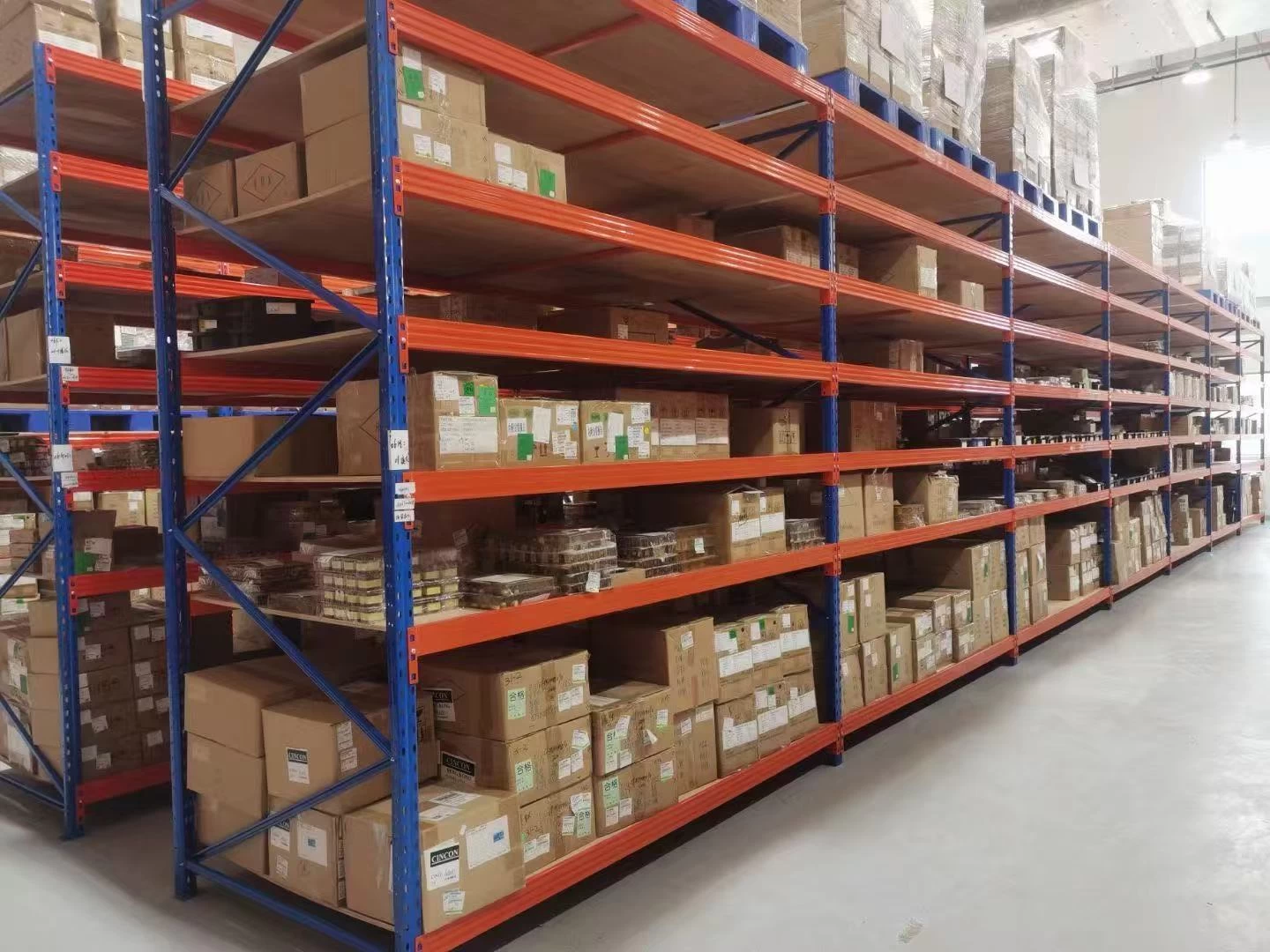
Furthermore, mezzanines can incorporate mezzanine shelving units designed for specific types of goods, such as pallet racks or bin shelving, enhancing accessibility. Safety staircases and lifts allow smooth movement between levels, ensuring that workers can efficiently handle stock with minimal downtime.
### 3. **Enhanced Safety and Ergonomics**
Modern mezzanine installations prioritize worker safety through robust construction and integrated safety features such as guardrails, non-slip flooring, and proper lighting. By organizing inventory vertically and reducing overcrowding on the main floor, mezzanines help maintain clear aisles and emergency exits.
Additionally, mezzanine shelves allow items to be stored at ergonomic heights, reducing strain during loading and unloading processes. This focus on ergonomics contributes to lower injury rates and boosts employee productivity.
### 4. **Scalability and Flexibility**
Businesses with fluctuating inventory volumes benefit significantly from the modular nature of mezzanine shelving systems. These platforms can be reconfigured, expanded, or relocated as storage needs evolve. For instance, seasonal inventory spikes or product line expansions can be accommodated without major infrastructural changes.
Flexibility extends to integrating mezzanine systems with existing warehouse management technologies, such as barcode scanners and automated picking systems, enabling seamless inventory tracking and control.
### 5. **Cost-Effectiveness**
Investing in mezzanine shelves often proves more economical than relocating to larger facilities or leasing additional warehouse space. The ability to maximize current premises reduces capital expenditures and lowers operational costs associated with transportation and inventory handling.
Moreover, improved inventory flow and reduced picking times translate to labor cost savings and faster order fulfillment, enhancing overall profitability.
---
## Applications Across Industries
Mezzanine shelves find utility in diverse sectors, each leveraging their benefits to meet unique inventory management demands.
- **Retail and E-commerce:** High SKU counts and rapid turnover require efficient storage solutions. Mezzanine shelving allows retailers to stock seasonal and bulk items separately, facilitating quick replenishment and order processing.
- **Manufacturing:** Raw materials, work-in-progress goods, and finished products can be systematically stored on different levels, optimizing production workflows and reducing downtime.
- **Pharmaceuticals:** Controlled environments and stringent regulations demand organized and accessible storage. Mezzanines provide segregated spaces for different drug categories, improving compliance and inventory accuracy.
- **Automotive:** Large and heavy components benefit from mezzanine shelving’s load-bearing capacity, while the ability to customize shelf configurations suits varied part sizes.
---
## Best Practices for Implementing Mezzanine Shelves
To fully harness the advantages of mezzanine shelves, consider the following best practices:
### Conduct a Comprehensive Needs Assessment
Analyze current inventory types, volumes, and turnover rates to determine the appropriate mezzanine design, shelving units, and load capacities.
### Engage Experienced Designers and Installers
Professional consultation ensures the mezzanine meets building codes, safety standards, and integrates smoothly with existing infrastructure.
### Prioritize Safety Features
Install guardrails, anti-slip surfaces, adequate lighting, and clearly marked stairways to promote a safe working environment.
### Integrate Technology
Link mezzanine shelving with warehouse management systems (WMS) for real-time inventory tracking and optimized picking routes.
### Plan for Future Growth
Design mezzanine systems with scalability in mind, allowing easy modifications as business needs change.
---
## Conclusion
Mezzanine shelves represent a strategic investment for businesses aiming to streamline inventory management. By maximizing vertical space, enhancing organization, improving safety, and offering scalability, mezzanine systems address many limitations of traditional storage methods. Their versatility across industries further underscores their value in modern warehouse operations.
As companies continue to seek operational efficiencies and cost savings, mezzanine shelving stands out as a practical solution that aligns with these goals. Implementing well-designed mezzanine shelves not only optimizes storage capacity but also fosters smoother workflows, ultimately driving better business outcomes.
---
By adopting mezzanine shelving solutions, organizations embrace a forward-thinking approach to inventory management—one that leverages innovation to achieve sustainable efficiency and competitive advantage.