# The Impact of Double Deep Pallet Racking on Inventory Management Efficiency
In the rapidly evolving world of supply chain and warehouse management, optimizing storage space and streamlining inventory handling are paramount to operational success. One storage solution that has gained significant attention for its potential to enhance warehouse capacity while maintaining operational efficiency is **double deep pallet racking**. This system offers a unique approach to maximizing vertical and horizontal storage density, but it also brings specific implications for inventory management practices.
This article delves deeply into how double deep pallet racking impacts inventory management efficiency. We will explore the design and functionality of double deep systems, analyze their advantages and challenges, and provide practical recommendations for businesses considering or currently using this system. Additionally, we will integrate considerations related to warehouse layout, technology integration, and labor dynamics to offer a comprehensive perspective.
---
## Understanding Double Deep Pallet Racking
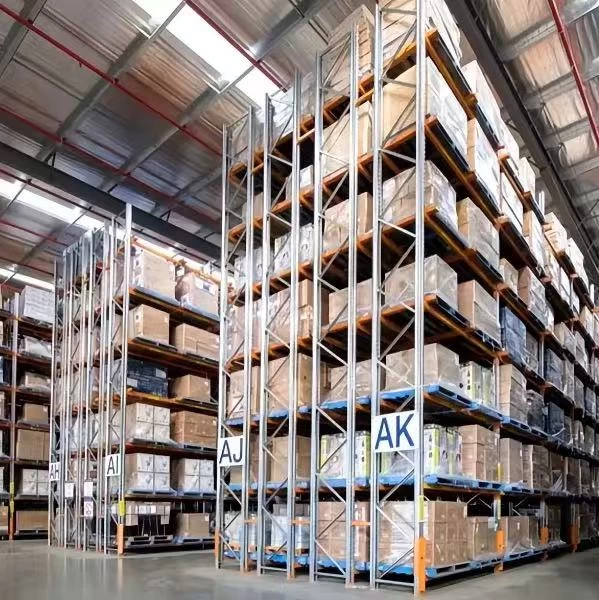
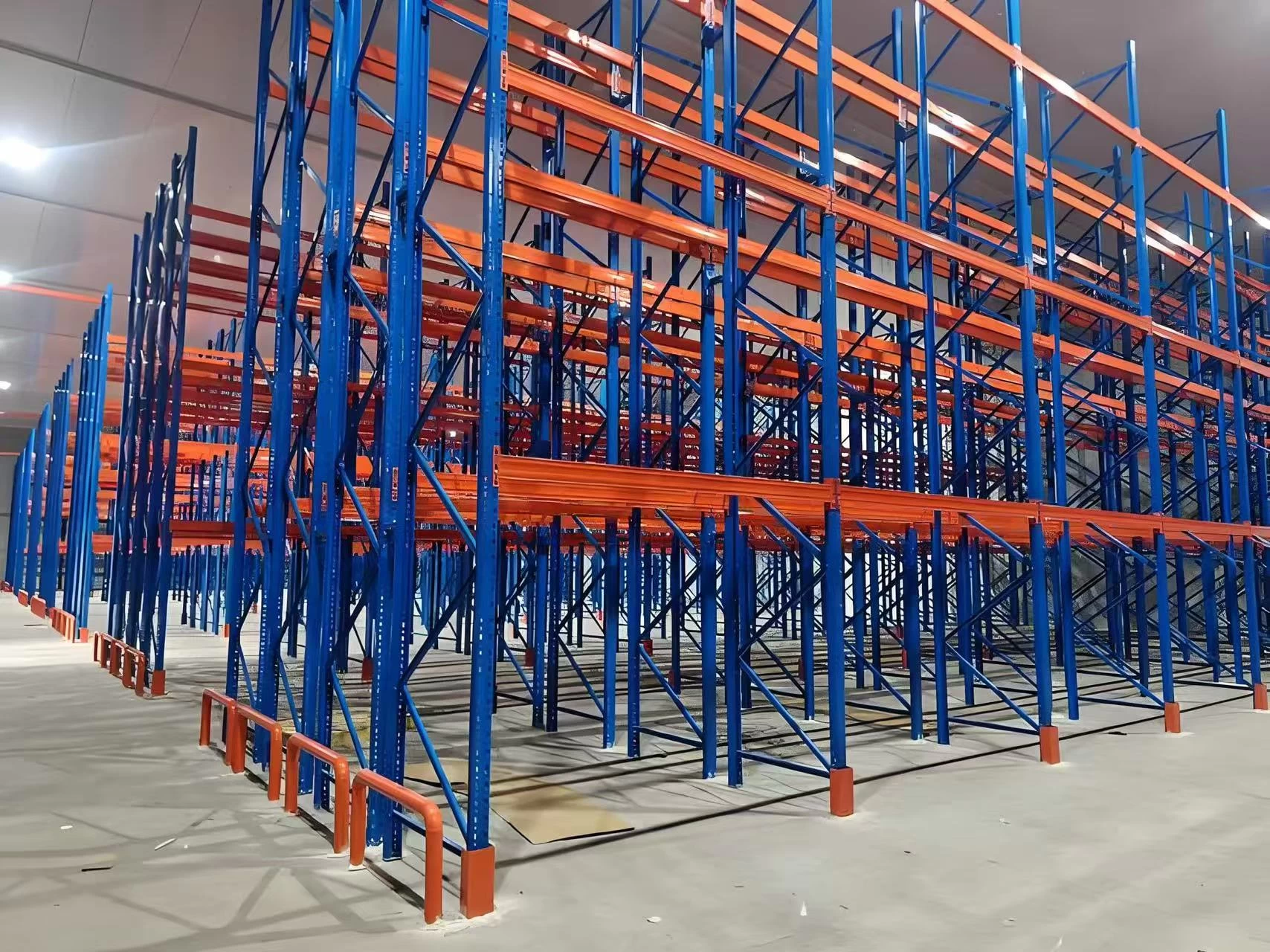
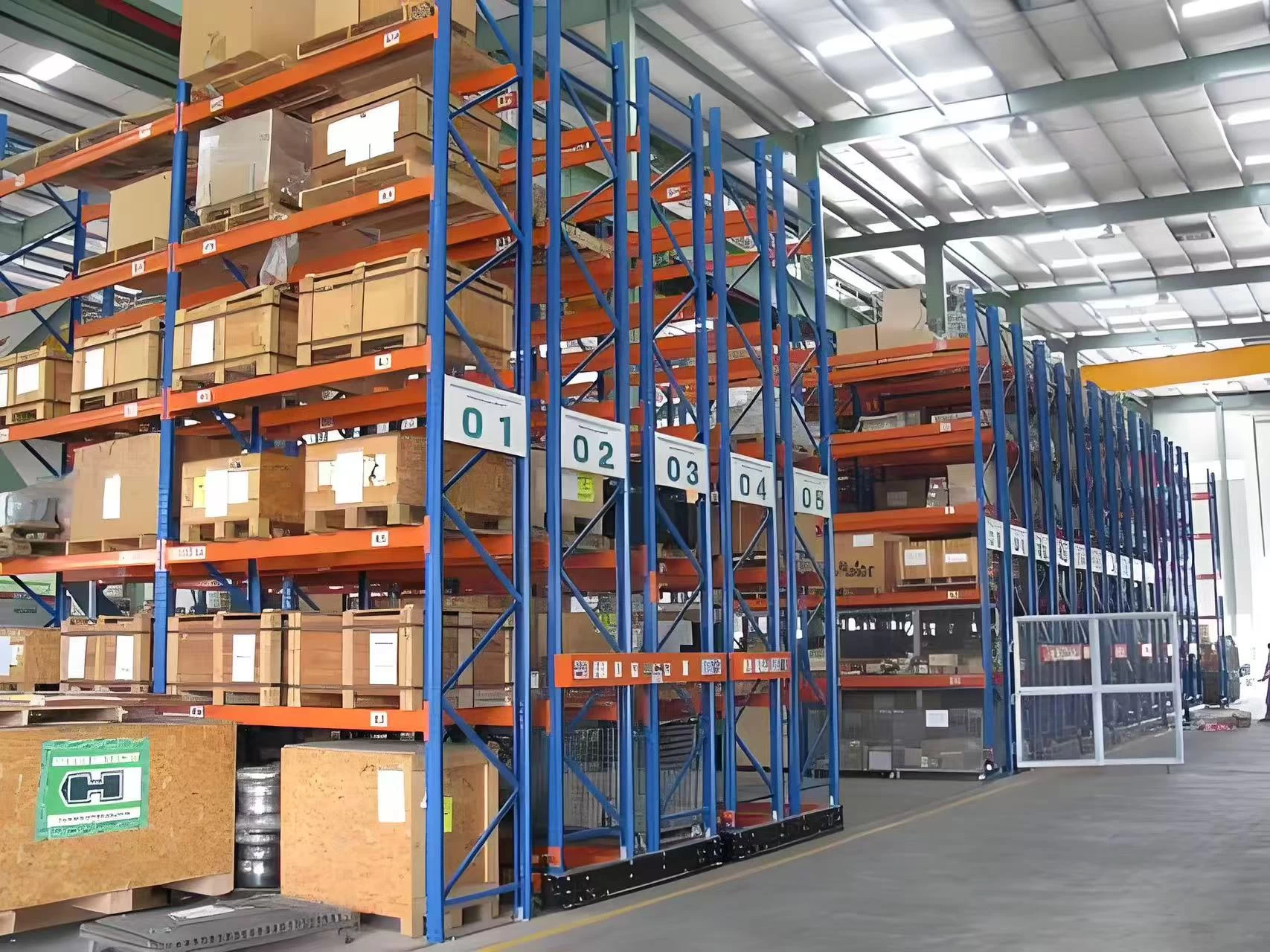
Double deep pallet racking is a storage system where pallets are stored two positions deep, rather than the traditional single-depth racks. This means that instead of accessing only the front pallet, the forklift or retrieval system must reach past one pallet to access another behind it.
### Key Characteristics:
- **Space Optimization:** By storing pallets two deep, warehouses can essentially double the storage capacity along the length of the rack without expanding the floor area.
- **Reduced Aisle Widths:** Fewer aisles are needed compared to single deep systems, as each aisle services more pallets.
- **Forklift Requirements:** Specialized equipment such as reach trucks with telescoping forks or longer forks are often required to access the second pallet.
---
## Advantages of Double Deep Pallet Racking in Inventory Management
### 1. Increased Storage Density and Space Utilization
One of the most immediate benefits of double deep pallet racking is **enhanced storage density**. Warehouses often face constraints related to square footage and ceiling height. By doubling the depth of pallet storage, organizations can:
- Store more pallets per square foot.
- Decrease the number of aisles needed, thereby saving valuable space.
- Optimize vertical space by combining double deep racks with higher stacking options.
This enhanced utilization directly translates into **cost savings** related to real estate and potentially delays the need for facility expansion.
### 2. Improved Inventory Turnover Control
By design, double deep pallet racking typically operates on a **Last-In-First-Out (LIFO)** basis for the rear pallets, since the front pallet must be moved to access the one behind it. This system is particularly suitable for inventory that doesn’t require strict FIFO (First-In-First-Out) rotation, such as non-perishable goods or products with stable demand patterns.
For inventory managers, this presents an opportunity to **segment products** based on turnover rates and shelf life, assigning slower-moving items to double deep racks while keeping fast-moving items in more accessible locations.
### 3. Reduced Aisle Maintenance and Traffic Congestion
With fewer aisles, there is less need for frequent aisle cleaning and maintenance. Additionally, warehouse traffic flow improves as forklifts have more space to maneuver without congestion from numerous narrow aisles. This contributes to:
- Enhanced safety.
- Reduced operational delays.
- Streamlined picking and replenishment cycles.
---
## Challenges and Considerations in Inventory Management
While double deep pallet racking offers clear storage advantages, it introduces specific challenges that must be addressed to maintain or improve inventory management efficiency.
### 1. Accessibility and Handling Complexity
The foremost challenge is **limited accessibility** to pallets stored in the rear position. Accessing the second pallet requires moving the front pallet first, which can increase handling time and labor costs.
To mitigate this:
- Use **specialized reach trucks** capable of extended reach.
- Implement **warehouse management systems (WMS)** that optimize picking sequences.
- Prioritize storage of slow-moving or bulk inventory in double deep racks.
### 2. Inventory Visibility and Tracking
Because pallets are stored two deep, visual inspection becomes more difficult. This can lead to challenges in:
- Accurate inventory counts.
- Timely detection of damaged or expired goods.
- Efficient cycle counting and auditing.
To overcome these issues, warehouses should invest in:
- **Barcode/RFID scanning** technologies.
- Integration with automated data capture tools.
- Real-time inventory tracking systems.
### 3. Impact on Picking Strategies
Double deep pallet racking favors **batch or zone picking** strategies over piece picking due to the retrieval complexity. Inventory management systems need to adapt to:
- Group picking tasks logically to reduce redundant movements.
- Schedule replenishment to ensure front pallets are restocked promptly.
- Monitor slotting optimization to minimize travel distances.
---
## Best Practices for Maximizing Efficiency with Double Deep Pallet Racking
To fully leverage the benefits and mitigate the challenges of double deep pallet racking, consider the following recommendations:
### 1. Conduct Thorough Slotting Analysis
Inventory slotting involves assigning products to storage locations based on demand frequency, size, weight, and handling requirements. For double deep racks:
- Assign **slow-moving, bulky, or non-perishable items** to the rear positions.
- Keep **fast-moving, frequently accessed products** at the front to reduce double handling.
- Use data analytics to regularly review and adjust slotting based on changing demand patterns.
### 2. Integrate Advanced Warehouse Management Systems (WMS)
A robust WMS is crucial for managing the complexities introduced by double deep systems. Features to prioritize include:
- Real-time inventory visibility.
- Automated picking and replenishment alerts.
- Integration with material handling equipment.
- Support for advanced picking strategies like wave or batch picking.
### 3. Invest in Appropriate Material Handling Equipment
Reach trucks designed for double deep racking increase forklift operator productivity and reduce damage risks. Training operators on the use of these specialized machines is equally important to:
- Minimize errors during pallet retrieval.
- Enhance safety protocols in tight aisle environments.
- Improve overall throughput.
### 4. Incorporate Safety and Ergonomics Considerations
Tight aisle widths and deeper pallet placements can pose safety hazards. Implement measures such as:
- Protective rack guards.
- Clear signage and lighting.
- Regular safety training for employees.
- Ergonomic equipment to reduce worker strain.
---
## Case Study: Enhancing Efficiency in a Distribution Center
Consider a mid-sized distribution center handling consumer packaged goods that implemented double deep pallet racking to address space limitations. Prior to implementation, the warehouse faced congestion and inefficient picking routes.
**Post-implementation results included:**
- **30% increase in storage capacity** without expanding the physical footprint.
- **Reduction in average picking time by 15%**, aided by improved slotting and WMS integration.
- **Lowered operational costs** through decreased aisle maintenance and optimized labor deployment.
- **Improved inventory accuracy** with barcode scanning technology integrated into the WMS.
Challenges encountered included initial operator training and adjustments in picking strategies, but continuous process improvement led to sustained gains in efficiency.
---
## Conclusion
Double deep pallet racking represents a powerful tool in the arsenal of warehouse storage solutions, especially when addressing the dual challenges of limited space and the need for efficient inventory management. When implemented thoughtfully, it can significantly **boost storage density**, **reduce operational costs**, and **streamline inventory turnover**.
However, its impact on inventory management efficiency largely depends on how well a warehouse adapts its processes, technology, and labor practices to the unique demands of double deep storage. By embracing advanced WMS solutions, investing in proper equipment, and applying strategic slotting principles, organizations can harness the full potential of double deep pallet racking to improve their overall supply chain performance.
Businesses contemplating this system should undertake comprehensive planning and continuous monitoring to ensure it aligns with their product characteristics, inventory turnover patterns, and operational goals. With the right approach, double deep pallet racking can be a cornerstone of a modern, efficient, and scalable warehouse operation.
---
*Keywords: double deep pallet racking, inventory management efficiency, storage density, warehouse management system, slotting optimization, reach trucks, warehouse layout, picking strategies.*