**Common Challenges and Solutions When Using Double Deep Pallet Racks**
In modern warehousing and distribution centers, maximizing storage density while maintaining operational efficiency is a critical challenge. Double deep pallet racking systems have emerged as a popular solution to increase storage capacity by allowing pallets to be stored two rows deep. However, despite their advantages, double deep pallet racks come with specific challenges that warehouse managers and logistics professionals must address to optimize their use.
This article explores the common challenges encountered when using double deep pallet racks and provides practical solutions to overcome these issues. Whether you are considering implementing double deep systems or seeking to improve your existing setup, understanding these factors will help you enhance storage efficiency and safety.
---
### Understanding Double Deep Pallet Racks
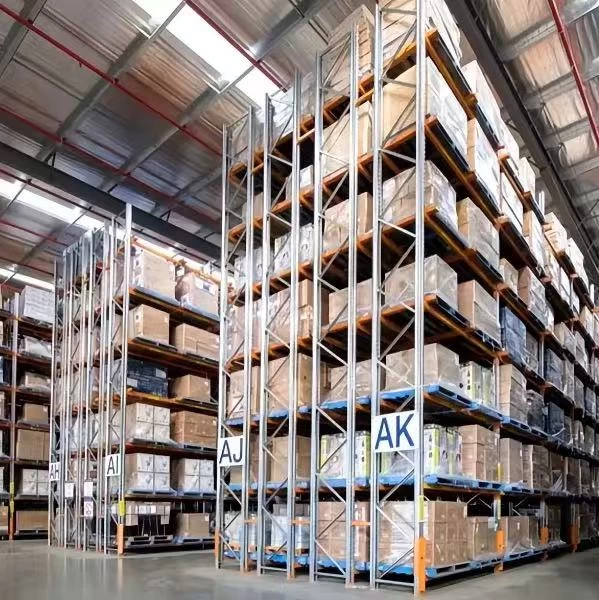
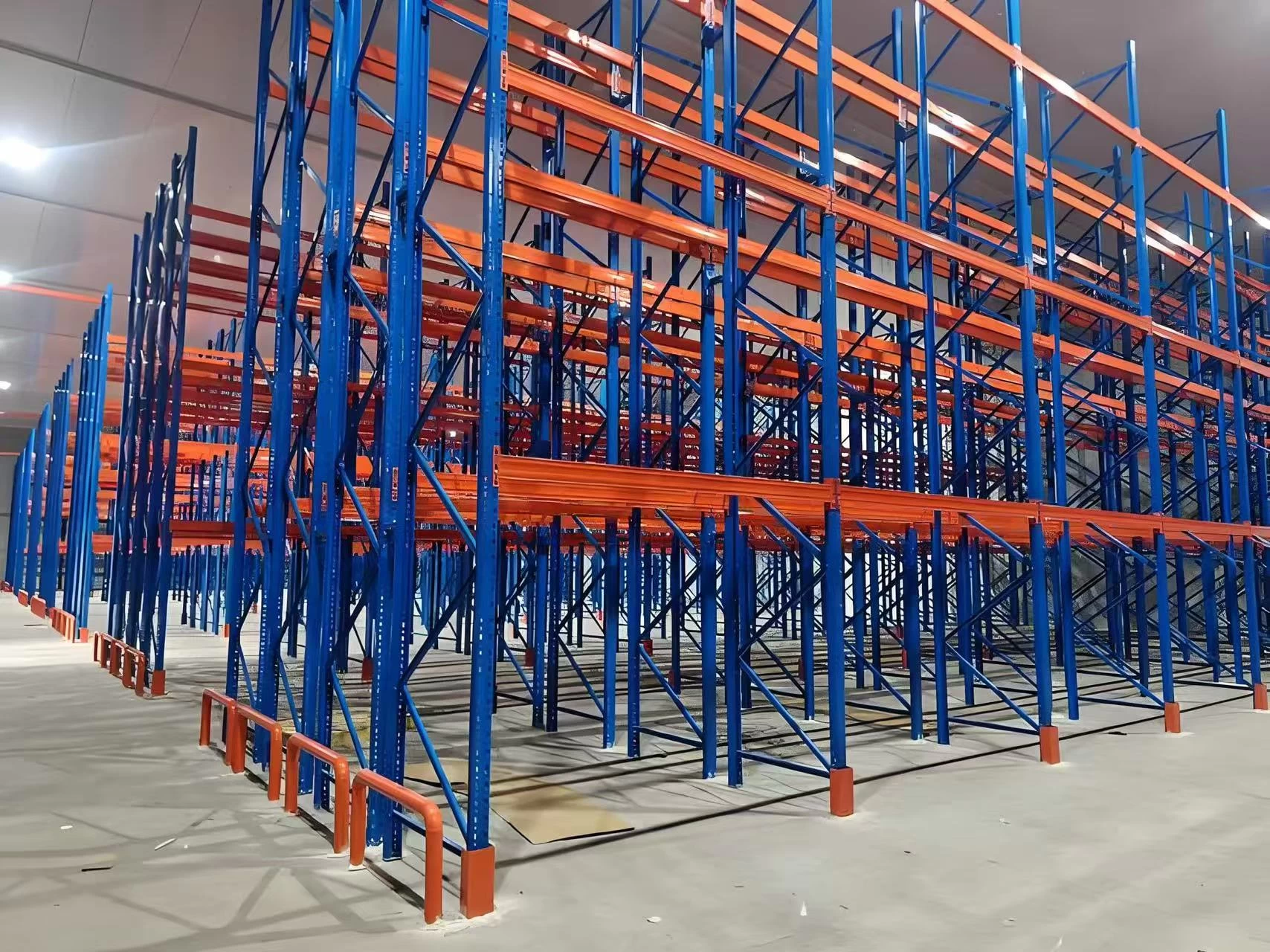
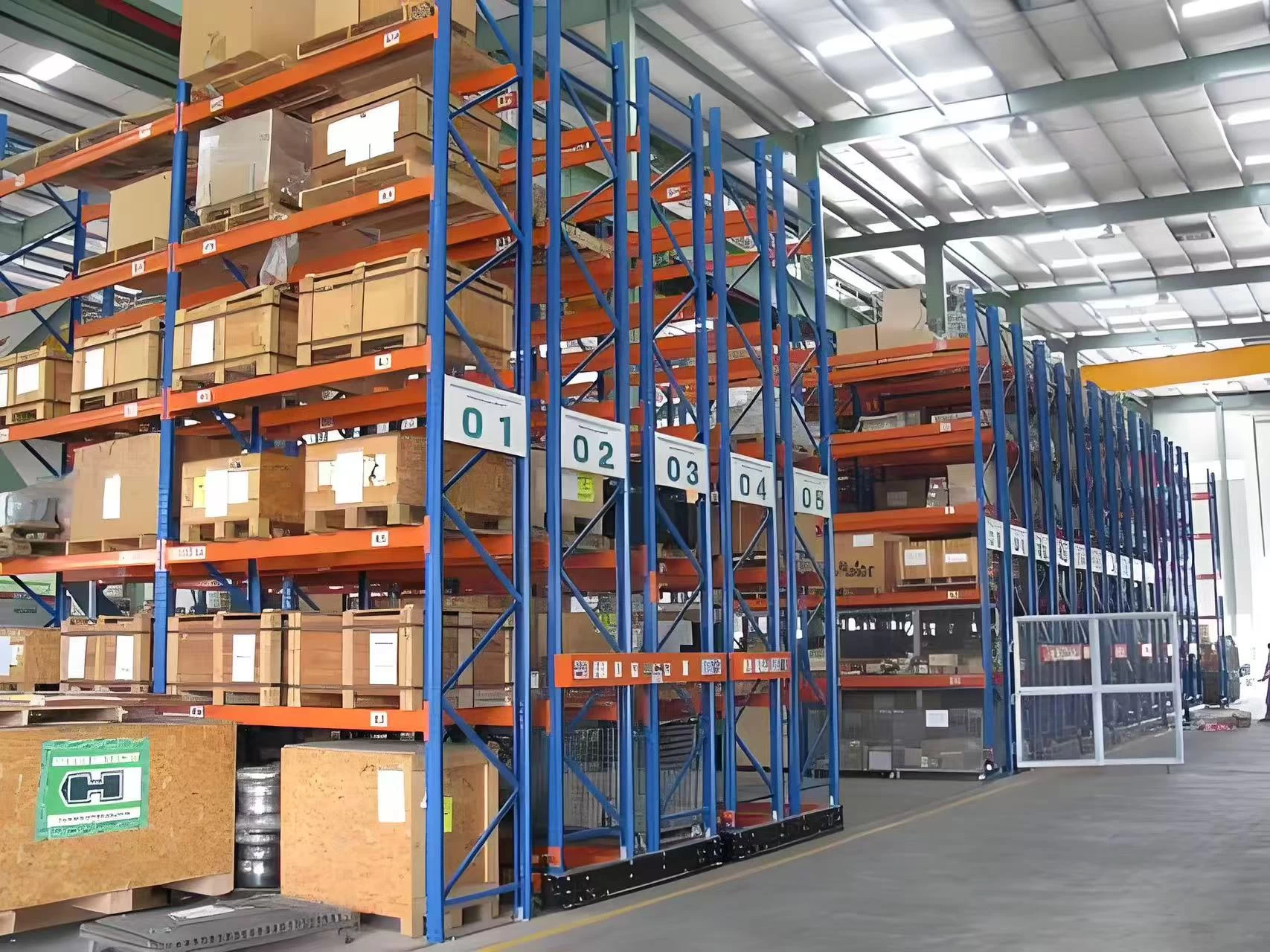
Double deep pallet racks are essentially an extension of selective pallet racking systems, where pallets are stored two positions deep rather than just one. This design effectively doubles the storage capacity within the same floor footprint, making it ideal for warehouses with limited space. However, because pallets at the rear are not immediately accessible, this system requires specialized equipment such as double deep reach trucks and careful inventory management strategies.
---
### Common Challenges When Using Double Deep Pallet Racks
#### 1. **Reduced Accessibility and Increased Handling Complexity**
A fundamental challenge in double deep racking systems is reduced accessibility. Unlike single deep racks where each pallet is directly accessible from the aisle, double deep racks require moving the front pallet to access the rear one. This can lead to increased handling times and potential disruptions in order picking workflows.
##### Solution:
- **Use Specialized Equipment:** Invest in double deep reach trucks designed to operate within narrow aisles and retrieve pallets from the second depth position safely.
- **Implement FIFO/LIFO Strategies Appropriately:** Depending on your inventory turnover rate, consider whether a Last-In-First-Out (LIFO) or First-In-First-Out (FIFO) approach suits your operational needs. For example, using LIFO can minimize the need to move front pallets frequently.
- **Inventory Slotting:** Assign slow-moving items to the rear positions and fast-moving products to the front to reduce unnecessary handling.
#### 2. **Increased Risk of Damage**
Handling pallets stored two deep increases the risk of damage to both pallets and rack structures. The need to maneuver forklifts deeper into the racking system may cause collisions or incorrect placements.
##### Solution:
- **Operator Training:** Provide comprehensive training for forklift operators on the correct handling techniques specific to double deep racks.
- **Install Protective Accessories:** Use rack protection devices such as column guards, end-of-aisle protectors, and pallet stops to minimize impact damage.
- **Regular Inspections:** Conduct frequent safety audits and inspections to identify and repair any structural damage early.
#### 3. **Inventory Management Challenges**
Maintaining accurate inventory records becomes more complex because stock is stored in multiple depths, sometimes obscuring pallets from view. This can lead to errors in stock counting and misplacement.
##### Solution:
- **Warehouse Management Systems (WMS):** Deploy a robust WMS capable of tracking inventory location precisely, including the depth of pallets within racks.
- **Barcoding and RFID:** Use barcoding or RFID technologies to automate inventory tracking and reduce human error.
- **Cycle Counting:** Implement regular cycle counts targeted at double deep storage locations to maintain inventory accuracy.
#### 4. **Space Constraints and Aisle Width Requirements**
While double deep racks save aisle space by reducing the number of aisles, they often require wider aisles to accommodate specialized handling equipment. This can offset some of the space-saving benefits.
##### Solution:
- **Optimize Aisle Width:** Carefully balance aisle width to enable forklift operations without sacrificing too much storage space. Narrow aisle forklifts may be necessary.
- **System Layout Planning:** Engage in thorough warehouse layout planning to ensure optimal use of floor space, considering the dimensions of double deep racks and equipment.
#### 5. **Load Stability and Pallet Compatibility**
Double deep racks demand consistent pallet sizes and stable loads to prevent shifting during storage and retrieval. Incompatible pallets or unstable stacking can pose safety hazards.
##### Solution:
- **Standardize Pallets:** Use uniform pallet sizes and types across inventory to ensure compatibility with rack dimensions.
- **Load Securing:** Employ load securing methods such as shrink wrap, strapping, or load bars to maintain pallet integrity.
- **Rack Inspection and Maintenance:** Regularly check rack components such as beams and supports to ensure they handle expected load weights safely.
---
### Best Practices for Maximizing Efficiency with Double Deep Pallet Racks
Beyond addressing challenges, companies can adopt best practices to fully leverage the benefits of double deep pallet racks:
- **Conduct a Thorough Needs Assessment:** Analyze your inventory characteristics, turnover rates, and equipment capabilities before choosing double deep racks.
- **Integrate Technology:** Use automation and real-time data analytics to streamline operations and improve decision-making.
- **Prioritize Safety:** Develop and enforce strict safety protocols tailored to double deep rack operations.
- **Continuous Training:** Keep staff updated on best practices, equipment use, and safety standards.
---
### Conclusion
Double deep pallet racks offer significant advantages for warehouses aiming to maximize storage density without expanding their physical footprint. However, these benefits come with challenges related to accessibility, handling, inventory control, and safety. By understanding these common obstacles and implementing targeted solutions—such as specialized equipment, advanced inventory management systems, and rigorous training—warehouse operators can optimize their storage systems for efficiency and safety.
Effective planning, ongoing maintenance, and technology integration are key to overcoming the complexities of double deep pallet racking. When managed properly, this storage method can be a powerful asset in meeting the demands of today’s fast-paced supply chain environment.
---
### About the Author
[Your Name] is a logistics and warehouse management specialist with over a decade of experience in optimizing storage solutions for diverse industries. Passionate about integrating innovative technologies and best practices, [Your Name] helps businesses enhance operational efficiency and safety in their warehouse operations.
---
### References
- Warehouse Management Systems: Enhancing Inventory Accuracy, Journal of Logistics
- Safety Protocols for Industrial Racking, Occupational Safety and Health Administration (OSHA)
- Best Practices for Pallet Rack Maintenance, Material Handling Industry Magazine
---
*For further insights and customized warehouse solutions, contact [Your Company Name] at [Contact Information].*