# How to Safely Operate Forklifts with Double Deep Pallet Racks
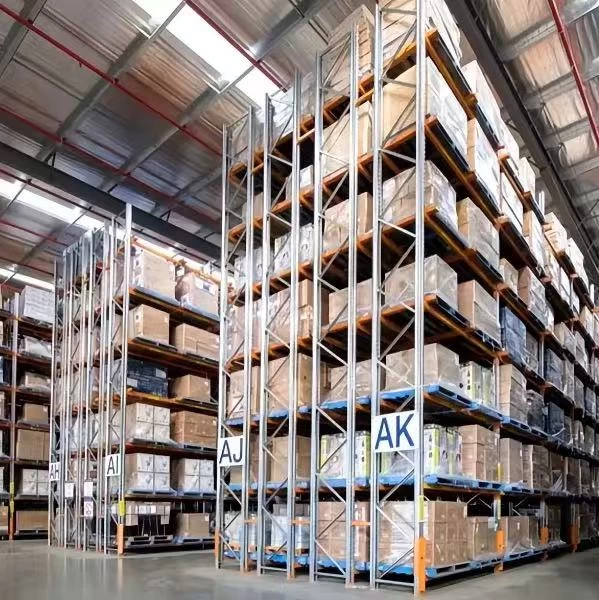
In modern warehouse operations, optimizing storage capacity while maintaining efficient and safe material handling is paramount. One of the widely adopted solutions to maximize vertical and horizontal storage space is the use of **double deep pallet racks**. These racks allow pallets to be stored two rows deep, effectively doubling storage density compared to traditional single-deep racking systems.
However, operating forklifts safely with double deep pallet racks requires specialized knowledge, equipment, and best practices. This article will provide a comprehensive guide on how to safely operate forklifts within these systems, highlighting key considerations, safety protocols, and operational tips to ensure workplace safety and efficiency.
---
## Understanding Double Deep Pallet Racks
### What Are Double Deep Pallet Racks?
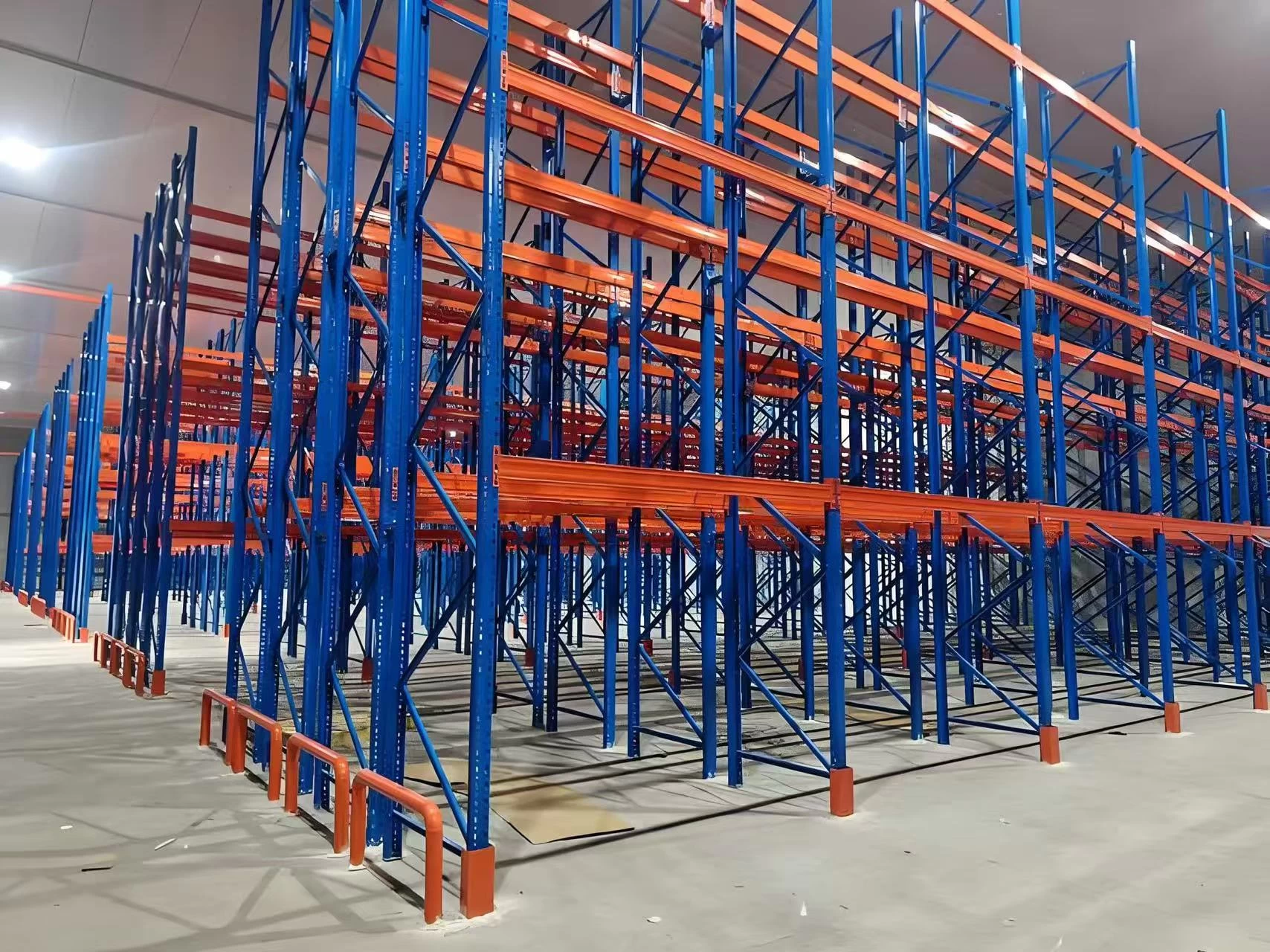
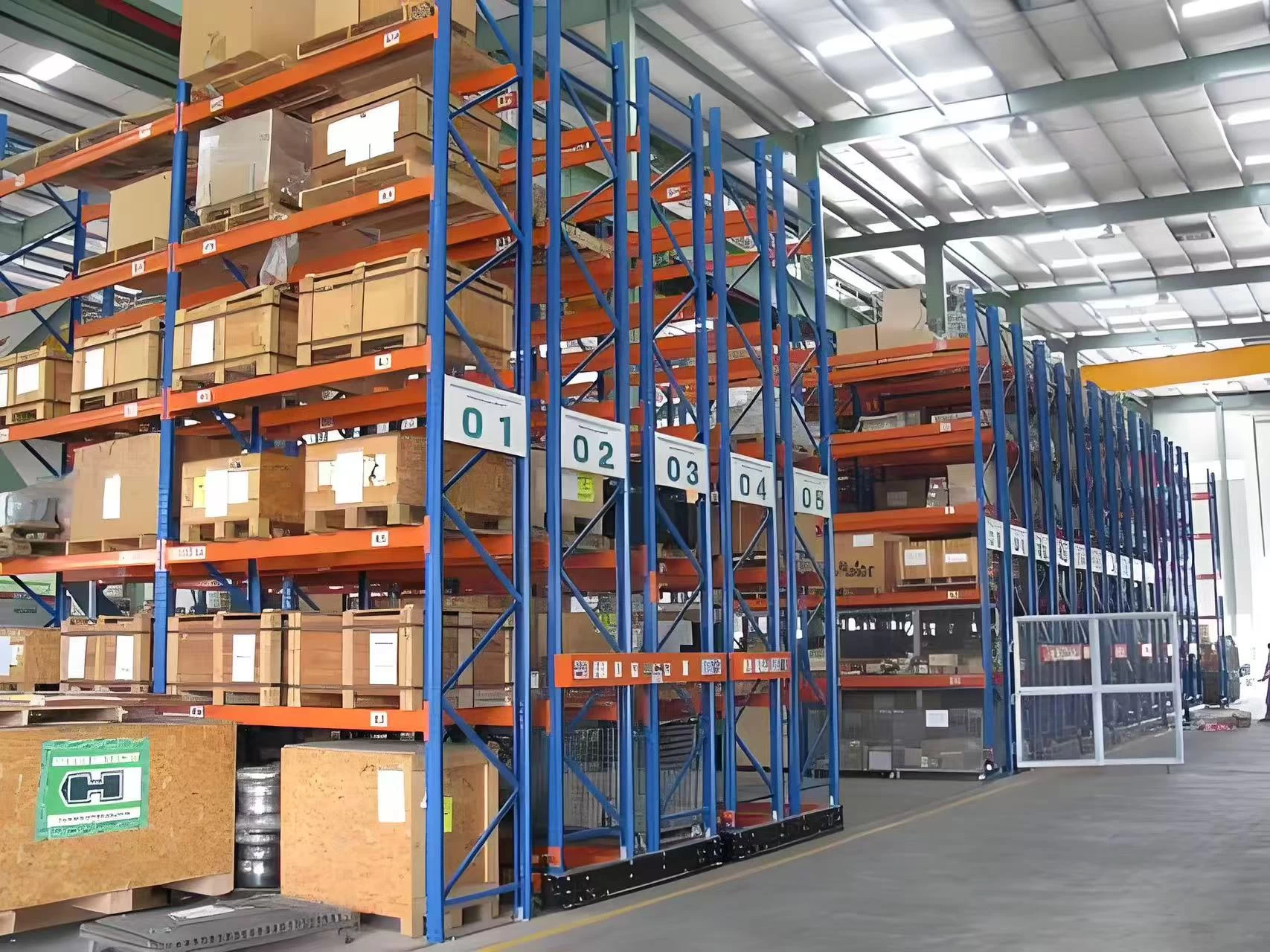
Double deep pallet racks are storage systems designed with two pallet positions in depth instead of one. This configuration increases storage density by allowing forklifts to place pallets two units deep in a single bay. It is especially useful for warehouses facing space constraints but requiring high storage volumes.
However, unlike single deep racks where forklifts access pallets directly, double deep racks necessitate specialized forklifts—usually **reach trucks with extended forks or telescopic forks**—to retrieve pallets from the second position without unloading the first.
### Benefits and Challenges
**Benefits:**
- Increased storage density.
- Better utilization of floor space.
- Potential reduction in warehouse footprint.
**Challenges:**
- Reduced selectivity since pallets in the back cannot be accessed without moving the front pallet.
- Need for specialized forklifts.
- Higher risk of accidents due to limited visibility and maneuverability.
- Increased complexity in inventory management.
---
## Forklift Requirements for Double Deep Pallet Racks
Operating forklifts safely within double deep racks requires equipment specifically designed or adapted for this purpose.
### Reach Trucks and Telescopic Forks
Standard forklifts are often insufficient because they cannot reach the second pallet row. Instead, **reach trucks with extended reach capability** or forklifts equipped with **telescopic forks** are preferred. These forklifts can extend their forks into the rack to pick or place pallets deeper inside the storage bay.
### Additional Safety Features
Forklifts used in double deep pallet racks should ideally have:
- **Load backrest extensions:** Prevent pallet loads from falling backward.
- **Cameras and sensors:** Improve operator visibility when reaching deep.
- **Fork positioners:** Aid in precise placement and retrieval in narrow spaces.
- **Ergonomic controls:** Reduce operator fatigue and enhance control accuracy.
---
## Essential Safety Measures for Operating Forklifts with Double Deep Racks
### 1. Operator Training and Certification
The foundation of any safe forklift operation is comprehensive training. Operators should be trained specifically on:
- Maneuvering forklifts equipped with reach or telescopic forks.
- Navigating narrow aisles typical of double deep racking systems.
- Understanding load capacities and limits associated with extended reach.
- Recognizing hazards unique to double deep pallet racks, such as potential collisions with upright frames or other racks.
Regular refresher courses and evaluations are also critical to maintaining high safety standards.
### 2. Pre-Operation Inspection
Before commencing work, operators must conduct thorough pre-operation checks, including:
- Inspecting forks and mast for damage or wear.
- Checking hydraulic systems for leaks.
- Testing safety features like lights, alarms, and sensors.
- Ensuring that the reach mechanism operates smoothly.
- Verifying load capacity settings and ensuring they correspond to the intended lift.
### 3. Proper Load Handling Techniques
- **Load Stability:** Ensure that pallets are properly stacked and stable before lifting. Avoid overhanging or damaged pallets.
- **Centering Loads:** Load pallets should be centered on the forks and balanced to prevent tipping.
- **Slow and Controlled Movements:** Especially when extending forks into the second pallet row, slow and precise movements reduce the risk of accidental impacts.
- **Avoid Overloading:** Never exceed the forklift’s rated capacity, accounting for the added leverage effect when forks are extended.
### 4. Visibility and Communication
Limited visibility is a significant safety challenge when working with double deep racks.
- Use forklifts equipped with cameras or mirrors where available.
- Implement clear communication protocols between operators and ground personnel.
- Employ spotters in congested or complex areas to guide forklift movement.
### 5. Warehouse Layout and Traffic Management
- **Aisle Widths:** Ensure aisles are wide enough for forklifts to maneuver safely, considering the additional length needed for reaching second-row pallets.
- **Signage:** Clearly mark pedestrian walkways, forklift operating zones, and hazard areas.
- **Traffic Flow:** Design traffic flow patterns to minimize crossing paths and congestion.
- **Barriers and Guards:** Install protective barriers around racks to prevent damage from accidental forklift impact.
---
## Operational Best Practices
### Efficient Picking and Stacking Strategies
Due to limited selectivity, consider grouping pallets by turnover rates and stacking fast-moving goods in the front positions for easier access. This reduces unnecessary movements into the deeper racks.
### Regular Maintenance of Racking Systems
Inspect racks regularly for structural integrity, alignment, and damage. Any bent or compromised uprights can pose serious safety risks when operating forklifts near them.
### Utilizing Technology for Inventory Management
Implement warehouse management systems (WMS) that track pallet locations precisely. This reduces the time operators spend searching for pallets and minimizes unnecessary forklift movements.
---
## Environmental and Ergonomic Considerations
### Lighting and Visibility
Ensure warehouse aisles and rack areas are well-lit to improve operator visibility. Poor lighting can increase accident risk, especially in deep rack configurations.
### Operator Ergonomics
Forklift cabins should be designed to reduce operator fatigue:
- Adjustable seats and controls.
- Climate control for temperature regulation.
- Easy-to-use joysticks and controls for fork extension.
Reducing fatigue helps maintain operator alertness and reduces errors.
---
## Case Study: Implementing Safe Forklift Operations in Double Deep Pallet Facilities
A leading logistics company recently transitioned to double deep pallet racks to optimize storage. Their approach included:
- **Investing in new reach trucks** with integrated cameras and sensors.
- **Developing a specialized training program** focusing on double deep rack operations.
- **Redesigning warehouse layout** to accommodate wider aisles and dedicated pedestrian zones.
- **Implementing a WMS system** for real-time inventory tracking.
As a result, they experienced a **30% increase in storage capacity** without compromising safety, and reported a **40% reduction in forklift-related incidents** within six months.
---
## Conclusion
Operating forklifts safely in warehouses employing double deep pallet racks demands a combination of appropriate equipment, skilled operators, and stringent safety protocols. While these racks offer significant benefits in storage density, they introduce complexities that require careful attention.
By investing in specialized forklifts, prioritizing operator training, adhering to safety measures, and leveraging technology, warehouse managers can ensure safe and efficient material handling in double deep pallet rack systems. Through these strategies, organizations not only protect their workforce but also optimize their operational productivity.
---
## Style Note on Blog Presentation
To present this content effectively on a professional blog page, consider the following CSS styling principles:
```css
* {
box-sizing: border-box;
}
.sde-body {
margin: 0;
background: #eef3f8;
font-family: Arial, Helvetica, sans-serif;
color: #102033;
width: 100%;
padding: 30px 10px;
}
.sde-page {
max-width: 790px;
margin: 0 auto;
background: #fff;
box-shadow: 0 2px 8px rgba(16,32,51,0.1);
overflow: hidden;
padding: 20px 30px;
}
.sde-hero {
position: relative;
min-height: 650px;
background: linear-gradient(135deg, #eef3f8 0%, #dbe9f4 100%);
margin-bottom: 40px;
}
```
This approach ensures a clean, readable, and aesthetically pleasing layout consistent with professional standards.
---
By understanding the intricacies of forklift operation in double deep pallet rack environments and applying best practices outlined above, your warehouse can achieve enhanced safety, efficiency, and storage optimization.