# Key Considerations Before Installing Double Deep Pallet Racks
In today’s fast-paced warehousing and logistics environments, optimizing storage space while maintaining operational efficiency is crucial. Double deep pallet racking systems have emerged as a popular solution for businesses looking to maximize cubic footage within their warehouses. However, before investing in and installing double deep pallet racks, it is essential to carefully evaluate a range of factors that impact not only the functionality but also the safety and overall cost-effectiveness of the system.
This article delves into the key considerations you should assess before proceeding with the installation of double deep pallet racks. Whether you’re a warehouse manager, logistics planner, or facility engineer, understanding these aspects will empower you to make an informed decision tailored to your specific operational needs.
---
## What Are Double Deep Pallet Racks?
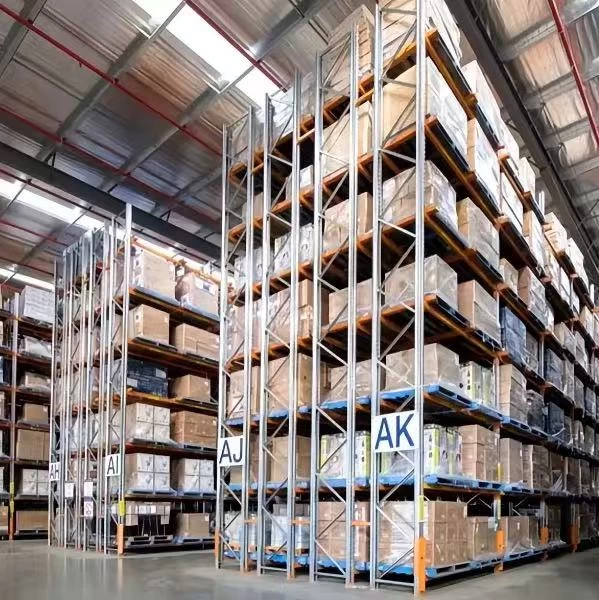
Double deep pallet racking involves storing pallets two positions deep instead of one, effectively doubling the storage density on a given aisle footprint. Unlike selective pallet racks, which allow access to every pallet from the aisle, double deep racks require specialized equipment like double deep forklifts or reach trucks to handle pallets deeper inside the rack.
This configuration reduces the number of aisles needed, increasing storage capacity but potentially complicating material handling and inventory management.
---
## 1. Warehouse Layout and Space Constraints
Before installing double deep pallet racks, conduct a thorough analysis of your warehouse layout. Key spatial considerations include:
- **Aisle Width:** Double deep racks necessitate wider aisles to accommodate reach trucks equipped for accessing pallets two-deep. Measure available aisle widths and determine if modifications are feasible without disrupting workflow.
- **Ceiling Height and Clearance:** Ensure that the ceiling height supports the increased vertical stacking that often accompanies double deep systems. Adequate overhead clearance is critical for safe forklift operation.
- **Floor Load Capacity:** The additional pallets stored in a double deep rack increase the concentrated load on the floor. Confirm that the floor slab can support these loads without risk of structural damage.
Careful planning here prevents costly retrofits and safety hazards after installation.
---
## 2. Material Handling Equipment Compatibility
The success of a double deep pallet rack system largely depends on the compatibility of your existing or planned material handling equipment.
- **Forklift or Reach Truck Type:** Standard counterbalance forklifts are generally unsuitable for double deep racks. Instead, narrow aisle reach trucks or specialized double deep forklifts with extendable forks are required to reach pallets at the back of the rack.
- **Operator Training:** Operators must be trained on the unique maneuvering techniques necessary for safely loading and unloading pallets two-deep. This ensures safety and minimizes damage risks.
- **Maintenance and Availability:** Factor in maintenance costs and availability of parts for specialized equipment. Downtime of critical machinery can severely hamper productivity.
Investing in compatible and reliable equipment is non-negotiable for efficient double deep rack operations.
---
## 3. Inventory Management and Turnover Rates
Double deep racks are best suited for inventory with relatively low turnover rates due to the nature of first-in, first-out (FIFO) challenges inherent in this system.
- **Limited Selectivity:** Access to pallets stored at the back of the rack requires moving the front pallet first, potentially slowing down retrieval times for fast-moving products.
- **Inventory Type:** Bulk items or slow-moving goods benefit most from double deep storage. For high-turnover or perishable inventory, selective rack systems might be preferable.
- **Warehouse Management Systems (WMS):** Integrate your WMS to track pallet locations accurately and optimize stock rotation strategies to minimize delays and obsolescence.
Understanding your inventory profile helps determine if double deep racking aligns with your operational goals.
---
## 4. Structural Integrity and Safety Compliance
Safety is paramount when installing any racking system. Double deep racks come with unique structural and safety considerations.
- **Load Ratings:** Verify that the racking components meet or exceed the weight requirements of your heaviest pallets, including dynamic loads during forklift movement.
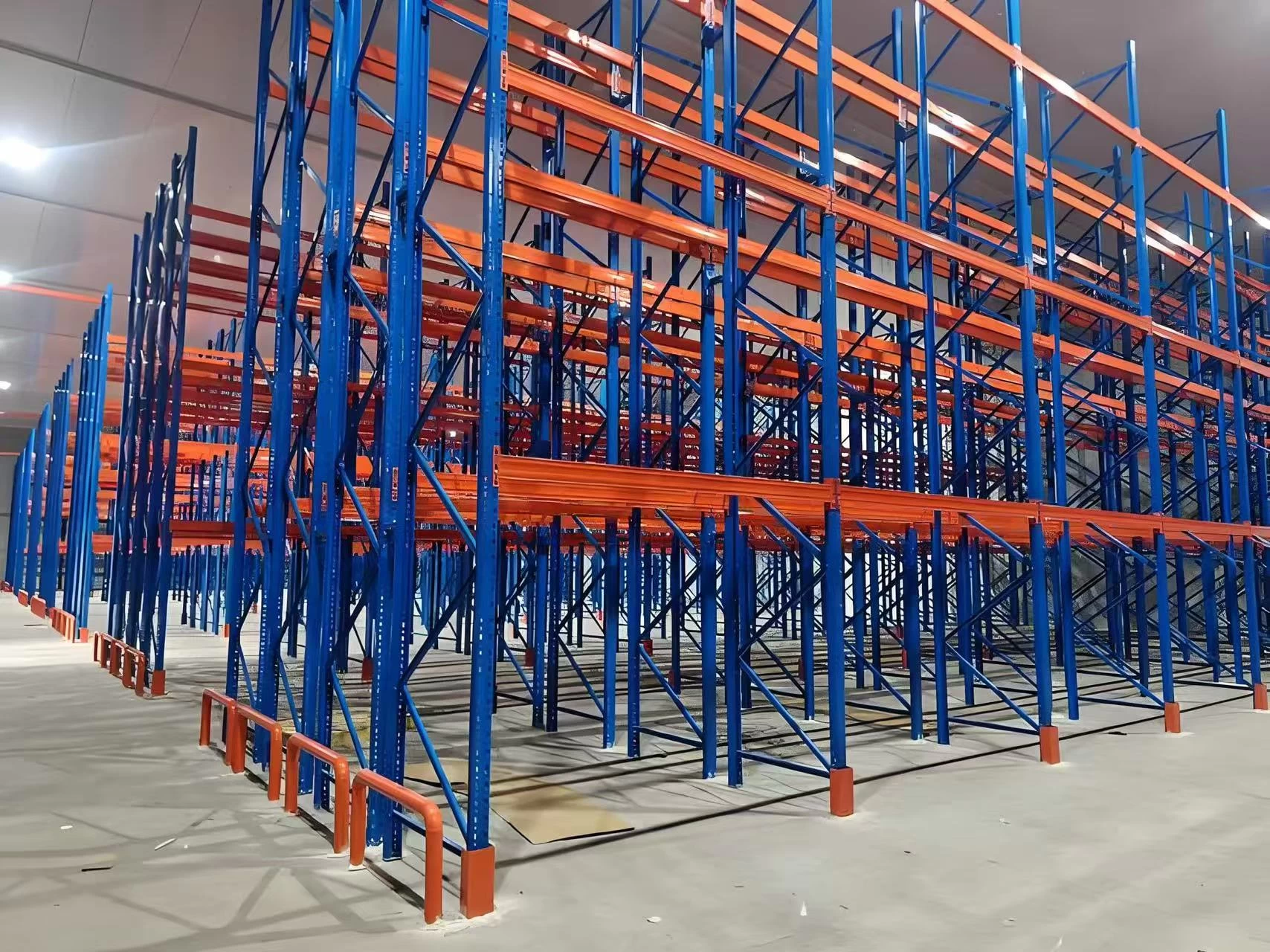
- **Rack Protection:** Install column guards, end-of-aisle protectors, and beam protectors to reduce damage from accidental forklift contact.
- **Seismic and Building Codes:** Ensure compliance with local building and seismic codes, which may mandate specific anchoring and bracing requirements.
- **Regular Inspections:** Implement routine inspections and maintenance protocols to detect and repair any structural damage early.
Prioritizing safety reduces accident risks, protects employees, and prevents costly downtime.
---
## 5. Cost Implications and Return on Investment (ROI)
While double deep pallet racks provide enhanced storage density, upfront investment and ongoing expenses must be carefully analyzed.
- **Initial Costs:** Double deep racks and compatible reach trucks tend to be more expensive than standard selective racks and traditional forklifts.
- **Operational Costs:** Factor in operator training, equipment maintenance, and possible slower retrieval times impacting labor productivity.
- **Space Savings vs. Productivity:** Calculate the trade-off between increased storage capacity and potential reductions in selectivity and speed.
- **Long-Term ROI:** Conduct a detailed cost-benefit analysis considering your inventory turnover, labor costs, and warehouse expansion plans.
A well-calculated ROI justifies the investment and ensures long-term operational efficiency.
---
## 6. Installation and Future Scalability
Planning for installation and scalability ensures your racking system remains adaptable to changing business needs.
- **Professional Installation:** Engage experienced rack installers who understand the nuances of double deep configurations to guarantee correct assembly.
- **Modularity:** Choose modular rack components that allow easy expansion or reconfiguration as inventory demands evolve.
- **Integration with Automation:** Consider future integration with automated storage and retrieval systems (AS/RS) or conveyor systems for enhanced efficiency.
- **Disruption Minimization:** Schedule installation during off-hours or phased implementation to avoid significant disruption to warehouse operations.
Forward-thinking installation planning safeguards your investment and prepares your facility for growth.
---
## 7. Environmental and Aesthetic Considerations
Though often overlooked, environmental factors and facility aesthetics can influence the choice and installation of double deep racks.
- **Lighting:** Deeper racks can create shadowed areas, so adequate lighting must be installed to maintain visibility and safety.
- **Humidity and Temperature Control:** Assess whether the storage environment requires climate controls that could affect rack materials or forklift operation.
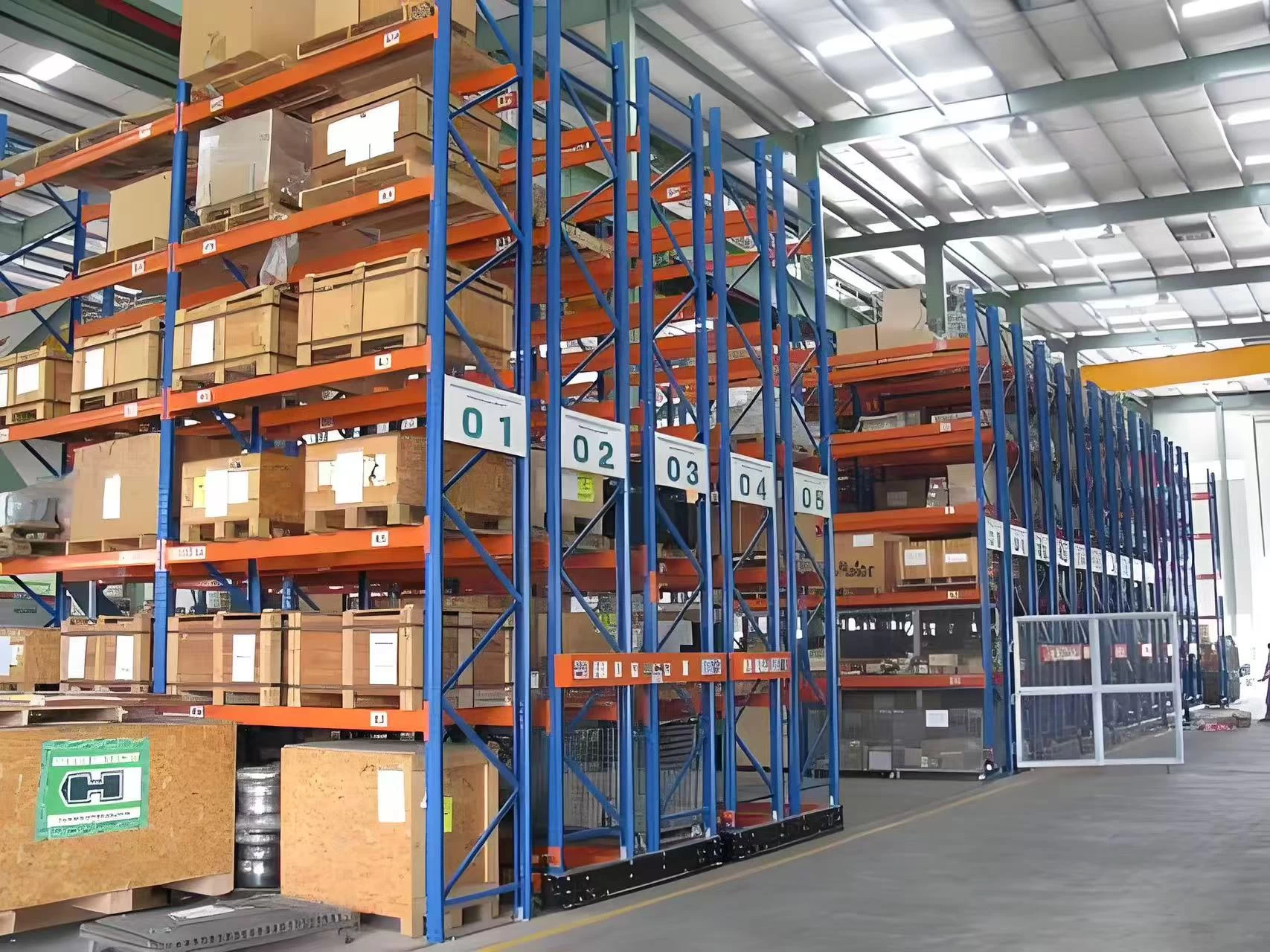
- **Color Coding and Signage:** Use clear signage and color coding on racks to improve navigation and reduce picking errors.
- **Visual Impact:** In some facilities, maintaining a clean and professional appearance is important; choose rack finishes and layouts that complement your facility standards.
Thoughtful environmental and design considerations contribute to a safer and more pleasant working environment.
---
## Conclusion
Double deep pallet racking systems offer a compelling solution for maximizing warehouse storage density, but they are not a one-size-fits-all approach. Careful consideration of warehouse layout, equipment compatibility, inventory management, safety, costs, installation, and environmental factors is essential to ensure a successful implementation.
By conducting a comprehensive evaluation based on the key considerations outlined above, warehouse managers and logistics professionals can confidently decide whether double deep pallet racks align with their operational objectives, budget constraints, and long-term growth strategies. When executed properly, these systems can unlock significant storage efficiencies and drive productivity gains, positioning your warehouse for future success.
---
**Keywords:** box-sizing, border-box, sde-body, margin, background, #eef3f8, font-family, Arial, Helvetica, sans-serif, color, #102033, sde-detail, width: 100%, padding: 30px 10px, sde-page, max-width: 790px, margin: 0 auto, background: #fff, box-shadow, overflow:hidden, sde-hero, position: relative, min-height: 650px, linear-gradient