**Customizing Double Deep Pallet Racks for Different Industry Applications**
In today’s fast-paced logistics and warehousing environments, efficient storage solutions are paramount to maintaining productivity and optimizing space utilization. Among the various racking systems available, double deep pallet racks have gained significant traction due to their ability to maximize warehouse density while maintaining accessibility to inventory. However, no two industries or warehouse operations are identical, which necessitates the customization of double deep pallet racks to meet specific application requirements.
This comprehensive article explores how double deep pallet racks can be customized for different industry applications, highlighting the factors influencing design decisions, customization strategies, and practical considerations to ensure optimal performance across diverse sectors.
---
### Understanding Double Deep Pallet Racks
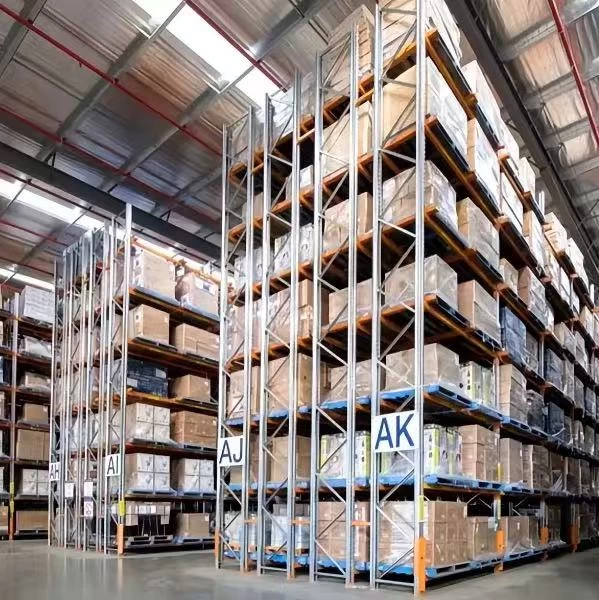
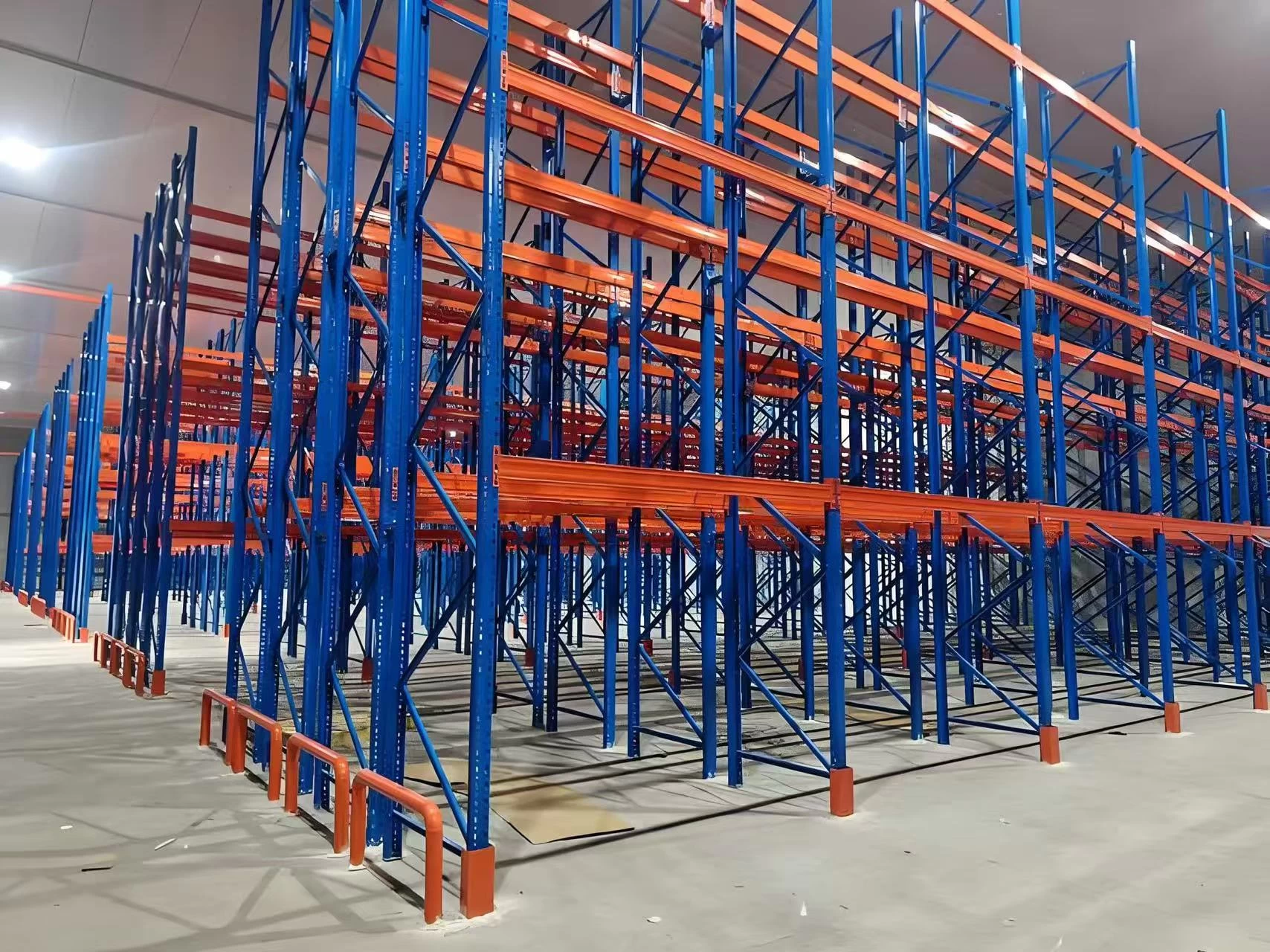
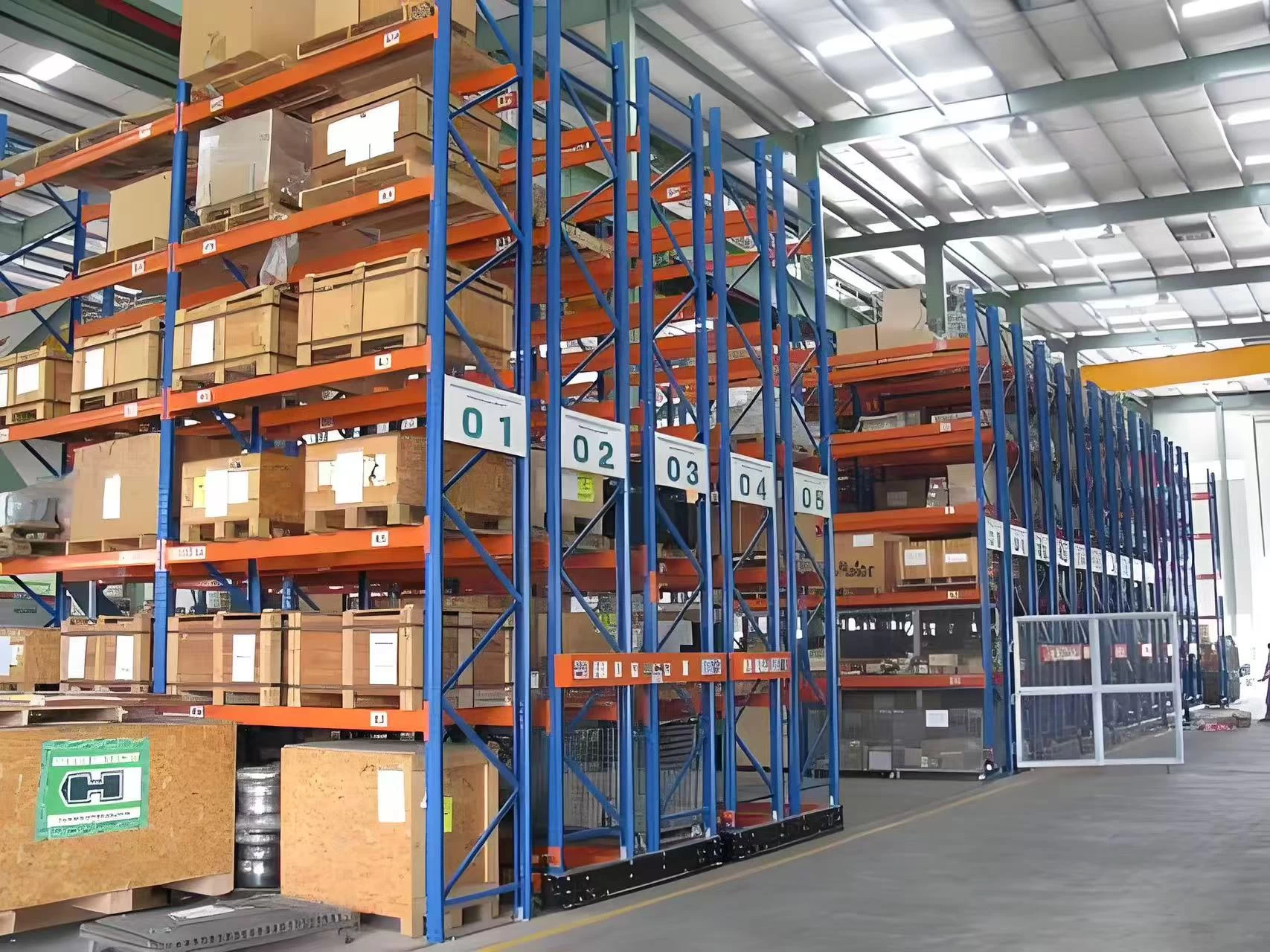
Double deep pallet racks are a type of selective racking system designed to increase storage density by placing pallets two rows deep instead of one. This configuration allows warehouses to effectively double their storage capacity compared to standard single-deep racks without expanding their footprint.
Unlike traditional pallet racks, where forklifts access each load directly from the aisle, double deep racks require specialized handling equipment such as reach trucks with extended forks or telescopic handlers to retrieve pallets from the second position. While this adds complexity, the trade-off is a significant increase in storage density, making double deep racks ideal for operations with high-volume, low-SKU (stock-keeping unit) inventory.
---
### Why Customize Double Deep Pallet Racks?
While double deep pallet racks provide inherent advantages, their success depends heavily on how well they align with the unique demands of an industry or operation. Customization enables businesses to tailor the rack design, materials, and accessories to best suit their products, handling equipment, workflow patterns, and safety protocols.
Key reasons for customization include:
- **Product Characteristics:** Size, weight, fragility, and packaging of products vary widely across industries.
- **Handling Equipment:** Compatibility with forklifts, reach trucks, or automated guided vehicles (AGVs) affects rack dimensions and load capacities.
- **Warehouse Layout:** Floor space, ceiling height, and aisle widths influence rack configurations.
- **Operational Flow:** Picking strategies, inventory turnover rates, and order fulfillment processes dictate access needs.
- **Safety and Compliance:** Industry-specific regulations may require reinforced structures or additional safety features.
---
### Customization Considerations for Various Industries
#### 1. **Retail and Consumer Goods**
Retail distribution centers typically handle a wide variety of SKUs with moderate to high turnover rates. The challenge lies in balancing storage density with accessibility to facilitate efficient picking.
- **Rack Depth and Selectivity:** While double deep racks optimize space, certain SKUs may require front-row accessibility. Customized designs often combine double deep racks with selective racks to create a hybrid system.
- **Adjustable Beam Levels:** Retail goods vary in size, so racks with adjustable beam heights accommodate diverse product dimensions.
- **Load Capacity:** Since consumer goods can range from lightweight apparel to heavy electronics, racks are customized for varied load ratings.
- **Integrated Picking Platforms:** For faster order fulfillment, racks can be equipped with mezzanine floors or pick modules integrated with double deep systems.
#### 2. **Automotive Industry**
Automotive parts warehouses manage bulky and heavy components requiring robust storage solutions.
- **Heavy-Duty Construction:** Pallet racks are reinforced with thicker steel sections and higher grade materials to support heavy loads.
- **Deeper Bay Configurations:** To store large parts, racks may be extended beyond standard depths, requiring customized beam lengths and uprights.
- **Specialized Load Supports:** Custom-designed shelves or fixtures are integrated to stabilize irregularly shaped parts.
- **Enhanced Safety Features:** Due to the weight and value of stored items, additional safety measures such as rack protectors, guardrails, and seismic bracing are incorporated.
#### 3. **Food and Beverage**
This sector demands strict hygiene standards and temperature-controlled environments, influencing rack customization.
- **Corrosion-Resistant Materials:** Stainless steel or coated racks prevent rust and contamination in refrigerated or humid conditions.
- **Sanitary Design:** Smooth surfaces with minimal crevices facilitate cleaning and reduce pest infestations.
- **Ventilated Beam Designs:** Open beam styles allow proper air circulation for chilled or frozen goods.
- **Compliance with Food Safety Standards:** Racks are customized to meet FDA or local regulatory requirements for food storage.
#### 4. **Pharmaceuticals**
Pharmaceutical warehouses emphasize traceability, controlled environments, and security.
- **Narrow Aisle Customization:** To maximize space, racks are designed for narrow aisle reach trucks, necessitating precise dimensional customization.
- **Integration with Automation:** Double deep racks are often paired with automated storage and retrieval systems (AS/RS) for enhanced control.
- **Temperature Control Compatibility:** Similar to food storage, racks must accommodate cold storage environments without compromising structural integrity.
- **Labeling and Tracking Systems:** Racks incorporate mounting points for barcode scanners or RFID readers to streamline inventory management.
#### 5. **Manufacturing and Heavy Industry**
Manufacturing facilities store raw materials, work-in-progress goods, and finished products that vary greatly in size and weight.
- **Modular Rack Systems:** Customizable modular designs enable quick reconfiguration as production needs evolve.
- **Variable Load Capacities:** Sections of the rack can be engineered with higher load limits to handle machinery parts or raw materials.
- **Integration with Production Lines:** Pallet racks may be aligned with conveyor systems or assembly stations for seamless material flow.
- **Durability Enhancements:** Industrial-grade coatings and impact-resistant components extend rack lifespan in harsh environments.
---
### Key Elements of Double Deep Pallet Rack Customization
#### Structural Dimensions
Customization begins with tailoring the key dimensions:
- **Depth:** Standard double deep racks typically are twice the depth of single racks (~48 inches), but can be adjusted to fit pallet sizes or handling equipment constraints.
- **Height:** Depending on warehouse ceiling clearance and stacking requirements, uprights can be customized from a few feet to over 30 feet.
- **Width:** Beam lengths are selected based on pallet widths and spacing requirements.
#### Load Capacity and Material Strength
Selecting appropriate materials and design specifications is critical:
- **Steel Gauge:** Heavier gauge steel enhances strength but increases cost and weight.
- **Beam Profiles:** Box-shaped or step beams offer varying load capabilities.
- **Connection Methods:** Boltless clip-in systems facilitate installation and future adjustments.
#### Accessories and Safety Features
Customization extends to accessories that bolster functionality and safety:
- **Row Spacers:** Maintain alignment and stability between double deep rows.
- **Back and Side Mesh Panels:** Prevent pallets from falling off or protruding into aisles.
- **Rack Guards and Column Protectors:** Shield uprights from forklift impacts.
- **Load Stops and Pallet Supports:** Ensure pallets do not move excessively within the racks.
#### Integration with Warehouse Systems
Modern warehouses increasingly rely on technology integration:
- **Automation Compatibility:** Incorporating sensors, conveyors, and robotic pickers into rack design.
- **Inventory Management:** Mounting hardware for barcode scanners or RFID tags.
- **Lighting and Signage:** Attaching LED indicators or aisle markers for efficient navigation.
---
### Design Process and Collaboration
Successful customization involves collaboration among stakeholders:
- **Warehouse Managers:** Provide operational insights and workflow needs.
- **Structural Engineers:** Ensure compliance with load and safety standards.
- **Material Handling Experts:** Advise on equipment compatibility.
- **Rack Manufacturers:** Offer design options and custom fabrication services.
The design process typically includes:
1. **Needs Assessment:** Analyzing inventory types, storage volume, handling methods, and regulatory requirements.
2. **Layout Planning:** Using CAD software to visualize rack placement and warehouse flow.
3. **Specification Development:** Defining dimensions, loads, materials, and accessories.
4. **Prototype and Testing:** Building sample sections to validate design assumptions.
5. **Installation and Training:** Ensuring correct assembly and educating staff on usage and maintenance.
---
### Maintenance and Future-Proofing
Customization should also consider long-term maintenance and adaptability:
- **Ease of Modification:** Modular designs facilitate future expansions or reconfigurations.
- **Durable Finishes:** Powder coating or galvanizing protects against wear.
- **Inspection Access:** Designs allow for easy inspection and damage assessment.
- **Spare Parts Availability:** Standardized components simplify repairs.
---
### Conclusion
Double deep pallet racks represent a versatile and space-efficient storage solution adaptable across numerous industries. However, the true value lies in thoughtful customization that aligns rack design with the unique operational, safety, and environmental demands of each sector.
By carefully considering factors such as product characteristics, handling equipment, warehouse layout, and regulatory compliance, businesses can create tailored double deep pallet rack systems that enhance storage density, streamline workflows, and improve overall warehouse efficiency.
Engaging with experienced rack manufacturers and material handling consultants early in the design process ensures that customized double deep pallet racks will meet both current needs and future growth, delivering a robust foundation for industrial success.
---
*For businesses seeking to optimize their warehouse storage with customized double deep pallet racks, partnering with knowledgeable providers and leveraging industry-specific expertise is the key to unlocking maximum operational potential.*