# Safety Tips for Operating Drive-In and Drive-Thru Pallet Rack Systems
In the modern warehouse and distribution center environment, optimizing storage space while ensuring operational efficiency is paramount. Drive-in and drive-thru pallet rack systems are popular solutions widely adopted to maximize vertical and horizontal storage density. These high-density storage systems allow forklifts to drive directly into rack lanes to place or retrieve pallets, minimizing aisle space and increasing storage capacity. However, this design also introduces specific safety challenges that require careful attention to prevent accidents, equipment damage, and product loss.
This article will explore critical safety tips for operating drive-in and drive-thru pallet rack systems effectively. Whether you are a warehouse manager, forklift operator, or safety officer, understanding these best practices can help create a safer work environment and maximize the lifespan of your racking infrastructure.
---
## Understanding Drive-In and Drive-Thru Pallet Rack Systems
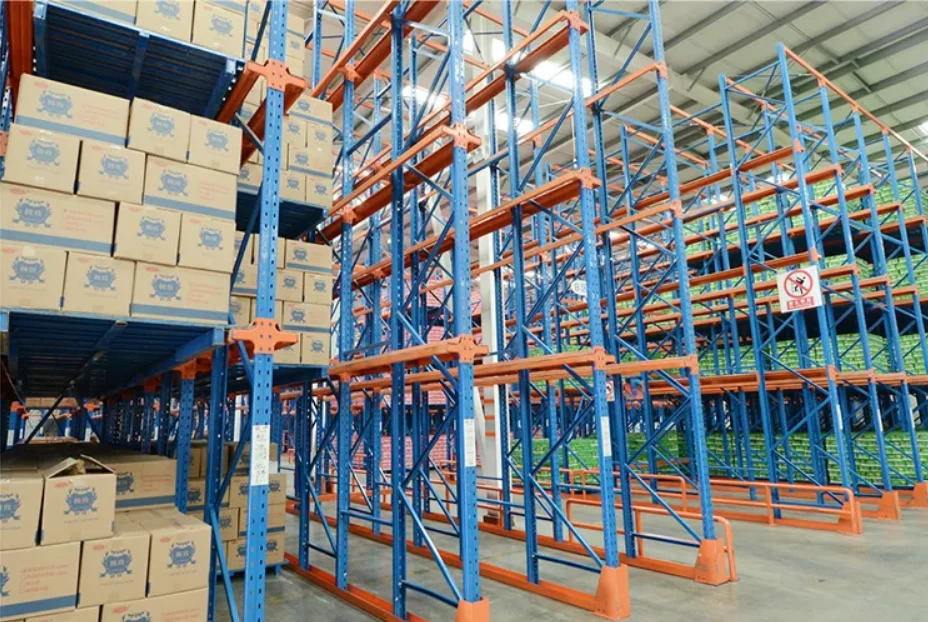
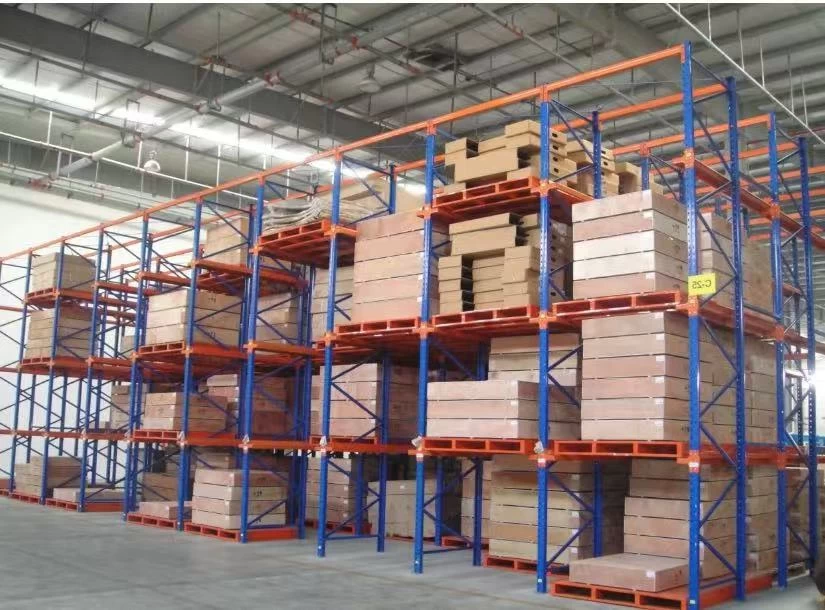
Before diving into safety protocols, it’s important to understand the fundamental differences between drive-in and drive-thru pallet racks:
- **Drive-In Pallet Rack**: This system has entry points from only one side, requiring forklifts to enter and exit the same aisle. It operates on a Last-In, First-Out (LIFO) inventory flow.
- **Drive-Thru Pallet Rack**: This design allows forklifts to enter from one side and exit through the opposite side, permitting First-In, First-Out (FIFO) inventory management.
Both types feature deep lanes where pallets are stored multiple positions deep on rails or beams. Because forklifts enter the rack structure itself, maintaining structural integrity and safe operation is essential.
---
## Key Safety Tips for Operating Drive-In and Drive-Thru Pallet Racks
### 1. Conduct Regular Structural Inspections
The structural components of drive-in and drive-thru racks endure significant stress from forklift traffic and pallet loads. Regular inspections should focus on:
- **Damage to Uprights and Beams**: Look for dents, bends, or cracks that compromise load-bearing capacity.
- **Rail and Support Integrity**: Check the rails that support pallets for wear or deformation.
- **Anchor Bolts and Base Plates**: Ensure racks remain securely anchored to the floor.
Implementing routine safety audits helps identify damaged sections early, preventing catastrophic failures. Any compromised components should be repaired or replaced immediately by qualified personnel.
### 2. Train Forklift Operators Thoroughly
Forklift operators play a crucial role in maintaining safety within drive-in and drive-thru systems:
- **Operator Certification**: Only trained and certified operators should handle forklifts in these systems.
- **Awareness of Load Limits**: Operators must understand the weight capacities of each rack level and avoid overloading.
- **Driving Techniques**: Emphasize slow, controlled driving when entering and exiting rack lanes to reduce impact risks.
- **Proper Pallet Placement**: Pallets should be positioned squarely on rails to ensure even load distribution.
Regular refresher training sessions ensure operators remain alert to the unique demands of these high-density racks.
### 3. Maintain Clear Signage and Markings
Visual cues are vital to guiding forklift operators safely through rack aisles:
- **Load Capacity Labels**: Clearly mark maximum allowable loads on each rack beam and upright.
- **Height and Width Indicators**: Post signage to indicate clearance heights and lane widths.
- **Directional Arrows**: Use floor markings or signs to designate entry and exit points, especially for drive-thru racks.
- **Warning Signs**: Highlight potential hazards like low clearances or restricted zones.
Clear and consistent signage reduces confusion and helps prevent operator errors.
### 4. Implement Protective Rack Guards and Barriers
Drive-in and drive-thru racks are vulnerable to impact damage from forklifts. Installing protective devices can significantly enhance safety:
- **Column Protectors**: Heavy-duty steel guards shield uprights from collision damage.
- **Rack End Guards**: Reinforced barriers prevent forklifts from striking the front edges of rack lanes.
- **Traffic Barriers**: Physical barriers guide forklift movement and protect pedestrian walkways adjacent to storage lanes.
These measures absorb impacts and preserve rack integrity, reducing downtime and repair costs.
### 5. Enforce Proper Load Management Procedures
Correct pallet loading and unloading practices maintain system stability:
- **Stacking Consistency**: Ensure pallet loads are stable, evenly distributed, and do not extend beyond the pallet edges.
- **Weight Distribution**: Heavy pallets should be placed on lower levels to lower the center of gravity.
- **Avoid Empty Pallet Storage in Drive Lanes**: Empty pallets or debris inside rack lanes can cause accidents or blockages.
- **FIFO/LIFO Adherence**: Follow proper inventory rotation guidelines to minimize unnecessary forklift movements within racks.
Effective load management prevents tipping hazards and facilitates smooth operations.
### 6. Monitor Environmental Conditions
Environmental factors can affect rack safety and forklift operation:
- **Lighting**: Adequate illumination inside rack aisles improves visibility and reduces collision risk.
- **Floor Conditions**: Floors must be level, clean, and free of spills or debris that could impair forklift stability.
- **Ventilation**: Proper airflow prevents heat buildup, which can weaken rack components or affect operator comfort.
- **Temperature Extremes**: Cold storage environments may require special rack coatings or materials to prevent brittleness.
Maintaining optimal environmental conditions enhances both safety and productivity.
### 7. Utilize Technology for Enhanced Safety
Recent advances in warehouse technology can bolster safety in drive-in and drive-thru pallet rack systems:
- **Forklift Guidance Systems**: Sensors and cameras assist operators in navigating narrow lanes precisely.
- **Load Monitoring Devices**: Digital scales and weight sensors alert operators if a pallet exceeds load limits.
- **Rack Safety Monitoring**: IoT-enabled sensors can detect impacts or structural shifts in real-time.
- **Automated Material Handling**: Automated guided vehicles (AGVs) programmed to operate within racks reduce human error.
Investing in technology provides data-driven insights and proactive safety management.
### 8. Establish Emergency Response Protocols
Despite precautions, accidents can happen. Having clear emergency procedures minimizes injury and damage:
- **Immediate Area Evacuation**: Operators and personnel should know how to quickly vacate the area after an incident.
- **Incident Reporting**: Document all rack damages or near-misses to identify root causes.
- **First Aid and Medical Access**: Ensure quick access to medical assistance if required.
- **Emergency Contact Lists**: Post contacts for maintenance, safety officers, and emergency services.
Preparedness expedites response and reduces operational disruptions.
---
## Conclusion
Drive-in and drive-thru pallet rack systems offer tremendous benefits in maximizing warehouse storage density but come with unique safety challenges. By implementing rigorous inspection routines, comprehensive operator training, clear signage, protective barriers, and leveraging technology, warehouse managers can mitigate risks and safeguard personnel and assets.
Safety in drive-in and drive-thru systems is not a one-time effort but a continuous process involving vigilant monitoring, maintenance, and education. Investing in these safety measures ultimately enhances operational efficiency, protects inventory, and promotes a culture of safety excellence.
---
**Keywords**: box-sizing, border-box, sde-body, margin, background, font-family, Arial, Helvetica, sans-serif, color, sde-detail, width, padding, sde-page, max-width, auto margin, box-shadow, overflow, sde-hero, position, min-height, linear-gradient, rgba colors, base64 image data, font