# Maximizing Space Efficiency with Drive-In Drive-Thru Pallet Racking Solutions
In today's fast-paced logistics and warehousing landscape, maximizing space efficiency is paramount. With increasing demands for higher storage capacities and streamlined operations, businesses are turning to innovative storage solutions that optimize every cubic foot of available space. Among these, **drive-in and drive-thru pallet racking systems** have emerged as powerful tools for maximizing warehouse storage density while maintaining operational efficiency.
This comprehensive article explores the advantages, design principles, operational considerations, and best practices related to drive-in and drive-thru pallet racking solutions. We will delve into how these systems help maximize space utilization, the differences between them, and key factors for successful implementation.
---
## Understanding Drive-In and Drive-Thru Pallet Racking Systems
### What is Drive-In Pallet Racking?
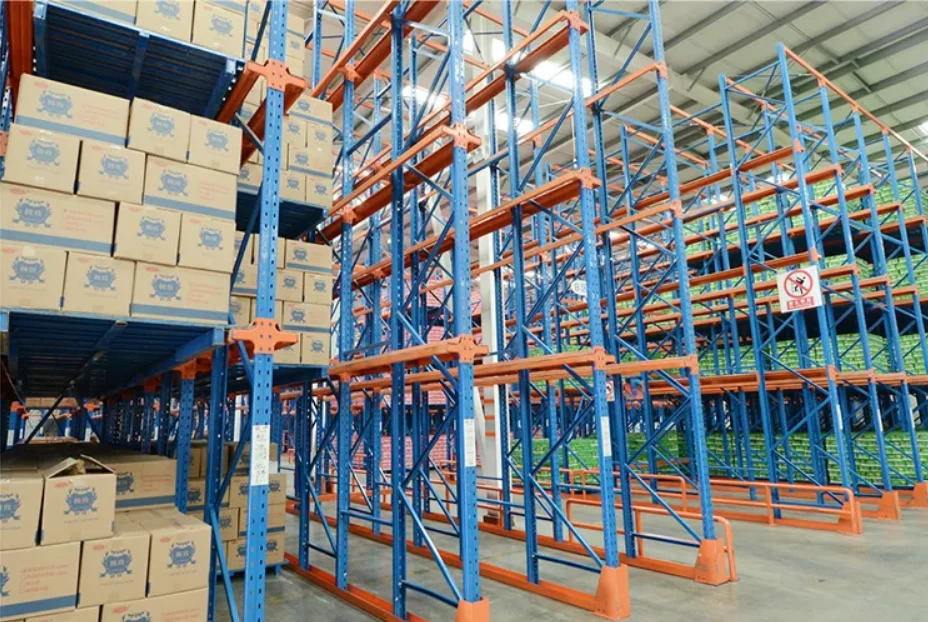
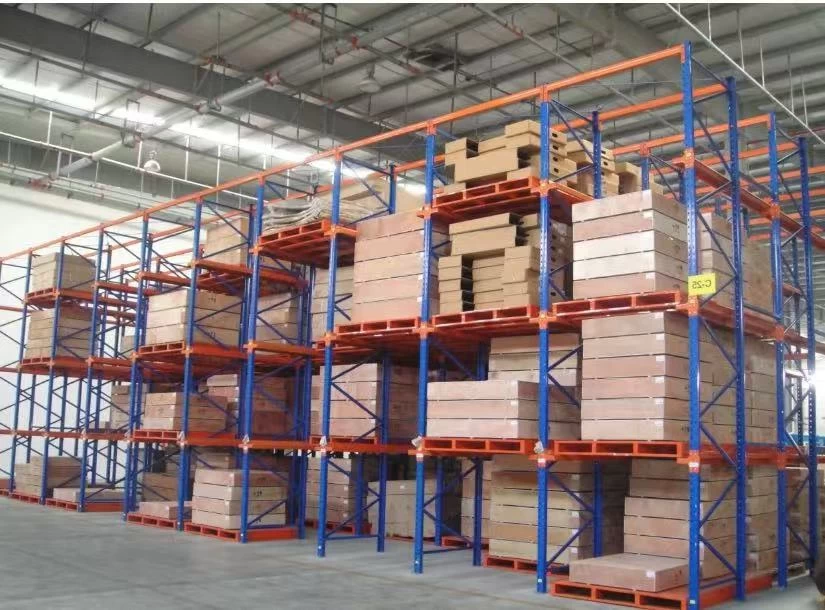
Drive-in pallet racking is a high-density storage system designed to allow forklifts to drive directly into the rack structure to store and retrieve pallets. Unlike traditional selective racking where each pallet position is individually accessible from the aisle, drive-in racks work on a **Last-In, First-Out (LIFO)** principle. Pallets are stored on rails or beams within the rack, creating multiple depth levels.
This system is ideal for storing large quantities of homogeneous products with low SKU variety. By eliminating multiple aisles, it significantly increases storage density, making it a popular choice for cold storage, food distribution centers, and warehouses handling bulk items.
### What is Drive-Thru Pallet Racking?
Drive-thru pallet racking operates on a similar concept but features **two open sides**, allowing forklifts to enter from one side and exit from the other. This enables a **First-In, First-Out (FIFO)** inventory rotation, beneficial for perishable goods or products with expiration dates.
Drive-thru systems combine the high-density storage benefits of drive-in racks with the added flexibility of cross-aisle accessibility, enhancing product turnover efficiency.
---
## Advantages of Drive-In and Drive-Thru Pallet Racking Solutions
### 1. Increased Storage Density
The primary benefit of both systems is their ability to maximize storage density. By reducing the number of aisles needed for forklift access, warehouses can store more pallets in the same footprint. This spatial efficiency translates to lower facility costs or capacity expansion without additional square footage.
### 2. Cost-Effective Use of Warehouse Space
Warehouse real estate is often one of the largest operational expenses. Drive-in and drive-thru racking systems optimize vertical and horizontal space utilization, minimizing wasted cubic footage. This efficient use of space can defer or eliminate the need for costly warehouse expansions.
### 3. Improved Inventory Management
Drive-thru systems enable FIFO inventory management, which is critical for industries handling perishable goods, pharmaceuticals, or any products with shelf life constraints. This reduces the risk of product obsolescence and spoilage.
### 4. Enhanced Operational Flow
By allowing forklifts to drive directly into the rack structure, these systems reduce travel time within the warehouse. This streamlined material flow boosts productivity and lowers labor costs.
---
## Design Considerations for Optimal Space Efficiency
Maximizing space efficiency with drive-in and drive-thru racking requires thoughtful design tailored to specific warehouse needs. Here are key factors to consider:
### A. Rack Configuration and Dimensions
- **Depth and Height:** The depth of racks determines how many pallets can be stored in each lane, while height optimization leverages vertical space. However, height must be balanced against forklift reach capabilities and safety regulations.
- **Lane Width:** The width of drive-in lanes should accommodate the dimensions and maneuverability of forklifts used. Narrow lane widths increase storage density but may require specialized equipment.
### B. Load Capacity and Safety
- Structural integrity is paramount. Drive-in and drive-thru racks must support significant loads safely. Using high-quality materials and adhering to engineering standards ensures durability and reduces maintenance costs.
- Incorporate safety features such as column guards, end-of-aisle barriers, and clear signage to protect personnel and equipment.
### C. Flooring and Surface Requirements
Smooth, level flooring is essential to support forklift traffic within the racks. Uneven or damaged floors can impede operations and pose safety hazards.
### D. Integration with Warehouse Management Systems (WMS)
Linking racking systems with WMS software facilitates inventory tracking, slotting optimization, and real-time monitoring, enhancing overall warehouse efficiency.
---
## Operational Best Practices for Drive-In and Drive-Thru Systems
### 1. Forklift Operator Training
Operators must be trained to navigate the confined lanes safely and efficiently. Proper handling minimizes risks of rack damage and accidents.
### 2. Regular Maintenance and Inspections
Routine inspections ensure racks remain structurally sound. Prompt repairs prevent costly downtime.
### 3. Implementing Clear Labeling and Signage
Clear identification of storage locations aids in quick retrieval and replenishment, reducing errors and delays.
### 4. Inventory Control Strategies
For drive-in systems operating on LIFO, manage inventory to avoid issues with obsolete stock. Drive-thru systems facilitate FIFO but require coordination to maintain flow.
---
## Comparing Drive-In and Drive-Thru: Which is Right for Your Warehouse?
| Feature | Drive-In Racking | Drive-Thru Racking |
|---------------------------|--------------------------------|--------------------------------|
| Access | One side only | Two sides (entry and exit) |
| Inventory Rotation | LIFO | FIFO |
| Storage Density | Higher due to more compact lanes | Slightly less dense |
| Suitable For | Homogeneous products, non-perishable | Perishable products, mixed SKUs |
| Equipment Requirements | Standard forklifts | May require specialized forklifts |
| Operational Complexity | Simpler flow | More complex, requires coordination |
Choosing between the two depends on inventory characteristics, turnover rates, and warehouse layout.
---
## Case Study: Boosting Storage Capacity by 40% with Drive-In Racking
A mid-sized food distributor faced escalating storage demands without the luxury of expanding its warehouse footprint. By switching from conventional selective racking to a drive-in pallet racking system, they achieved a **40% increase in pallet positions** within the same area. This transition allowed the company to consolidate inventory, reduce cross-aisle travel time, and improve order fulfillment speed.
---
## Leveraging Technology to Enhance Drive-In/Drive-Thru Racking Efficiency
Modern warehouses increasingly implement technologies like **automated guided vehicles (AGVs)**, **RFID tracking**, and **real-time inventory management software** to further capitalize on the benefits of dense racking systems. Automation reduces human error and optimizes space usage by precise pallet placement and retrieval.
---
## Conclusion
Drive-in and drive-thru pallet racking solutions represent strategic investments for warehouses aiming to maximize space efficiency and operational productivity. By understanding the unique features, benefits, and design considerations of these systems, businesses can tailor their storage infrastructure to meet evolving supply chain demands effectively.
Selecting the appropriate system, combined with operator training, regular maintenance, and integration with technology, empowers warehouses to unlock their full storage potential—turning limited space into a competitive advantage.
---
**Keywords:** drive-in pallet racking, drive-thru pallet racking, warehouse storage solutions, maximizing space efficiency, high-density storage, FIFO inventory, LIFO inventory, warehouse optimization, pallet racking design, warehouse management system.
---
*For more insights on optimizing warehouse storage strategies and advanced racking solutions, subscribe to our newsletter or contact our experts for a personalized consultation.*