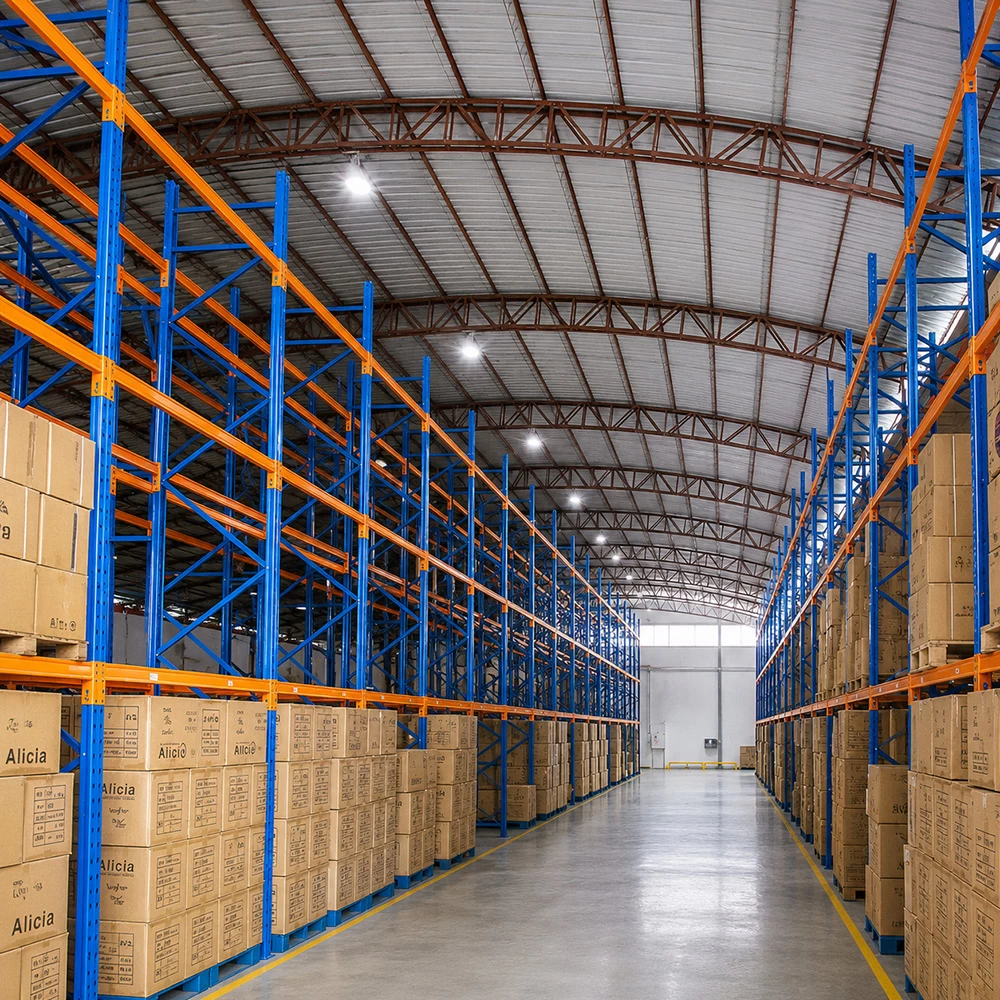
# Pallet Rack Safety Tips: Preventing Accidents in the Warehouse
Warehouse environments are dynamic, fast-paced spaces where efficiency and safety must go hand in hand. Among the critical components of warehouse infrastructure, pallet racks play a vital role in organizing inventory and optimizing storage capacity. However, if not properly maintained or handled, pallet racks can also become a significant safety hazard, potentially leading to accidents, injuries, and costly downtime.
This article explores comprehensive **pallet rack safety tips** designed to prevent accidents in the warehouse, ensuring a secure working environment for employees while maximizing operational productivity. We will delve into best practices for installation, inspection, maintenance, and employee training, supported by practical guidelines that warehouse managers and safety officers can implement immediately.
---
## Understanding the Importance of Pallet Rack Safety
Pallet racks are structural frameworks designed to store materials on pallets or skids. They maximize vertical storage space, allowing warehouses to accommodate more goods within the same footprint. Despite their apparent robustness, pallet racks are susceptible to damage from impacts, improper loading, or environmental factors such as corrosion.
When safety measures are neglected, compromised pallet racks can lead to:
- Collapse of shelving units causing injuries or fatalities
- Damage to stored products resulting in financial loss
- Disruption of warehouse operations due to cleanup and repairs
- Legal consequences from regulatory violations
According to industry statistics, a significant proportion of warehouse accidents are associated with improper use or maintenance of pallet racks. Therefore, safety protocols focused on these structures are paramount.
---
## 1. Proper Design and Installation
### Choosing the Right Pallet Racks
Before focusing on safety measures, it is crucial to select pallet racks that suit your warehouse’s specific needs. Factors to consider include:
- Load-bearing capacity (weight per shelf and total load)
- Rack dimensions (width, height, depth) aligned with pallet sizes
- Material type and finish (e.g., galvanized steel for corrosion resistance)
- Compatibility with warehouse equipment such as forklifts
Collaborate with structural engineers or experienced suppliers to ensure compliance with relevant standards such as ANSI MH16.1 or OSHA regulations.
### Professional Installation Practices
The installation process must be executed meticulously:
- Ensure the floor surface is level and capable of supporting the rack load.
- Anchor rack frames securely to the floor using appropriate bolts and hardware.
- Assemble components according to manufacturer specifications.
- Maintain correct spacing between beams and uprights to prevent overloading.
- Incorporate safety features like row spacers, beam locks, and column protectors.
Misaligned or loosely installed racks increase the risk of collapse under pressure.
---
## 2. Regular Inspection and Maintenance
### Scheduled Inspections
Routine inspections are essential to identify and mitigate risks early. Recommended practices include:
- Visual checks for signs of damage such as bent beams, cracked welds, or rust.
- Verifying that load capacities are clearly marked and adhered to.
- Ensuring that safety accessories like beam locks and end guards are intact.
- Checking for any unauthorized modifications or missing components.
Inspection frequency depends on usage intensity but should generally occur at least quarterly, with additional checks following incidents such as forklift collisions.
### Maintenance and Repairs
When damage or wear is detected:
- Remove or restrict access to affected sections immediately.
- Replace damaged beams or uprights rather than attempting temporary fixes.
- Tighten loose fasteners and re-anchor racks if necessary.
- Clean racks periodically to prevent buildup of dust or debris that could obscure damage.
Maintaining a maintenance log helps track repairs and schedule future inspections.
---
## 3. Safe Loading and Unloading Procedures
### Adhering to Load Limits
Overloading racks beyond their rated capacity is a common cause of failure. To prevent this:
- Display load limits prominently on each rack section.
- Train employees on the importance of not exceeding these limits.
- Distribute loads evenly to avoid point loading or unbalanced weight.
Uneven loading can cause racks to tip or beams to bend.
### Proper Placement of Pallets
Operators must:
- Position pallets squarely on beams without overhanging edges.
- Use compatible pallet sizes to fit rack widths.
- Avoid stacking pallets too high or unevenly.
- Utilize forklifts carefully to prevent accidental impact with rack components.
Implementing standard operating procedures (SOPs) for material handling reduces human error.
---
## 4. Forklift and Equipment Safety
Forklifts are indispensable in warehouses but pose a notable risk to pallet rack integrity.
### Operator Training and Certification
Ensure all forklift operators:
- Are certified and trained in safe driving and handling techniques.
- Understand the layout and traffic flow of the warehouse.
- Know how to approach racks cautiously, especially in tight aisles.
### Protective Measures
Install physical protections such as:
- Column guards and rack protectors to absorb minor impacts.
- Aisle delineators and bollards to guide vehicle movement.
- Warning signage indicating clearance heights and speed limits.
Enforcing strict speed controls and designated routes minimizes collision risks.
---
## 5. Employee Training and Awareness
Human factors play a major role in maintaining pallet rack safety.
### Comprehensive Training Programs
Develop training modules covering:
- The basics of pallet rack structure and load limits.
- Safe loading and unloading practices.
- How to identify and report signs of rack damage.
- Emergency response procedures in case of rack collapse.
Regular refresher courses keep staff updated on safety protocols.
### Promoting a Safety Culture
Encourage employees to:
- Report unsafe conditions without fear of reprisal.
- Participate in safety audits and meetings.
- Follow housekeeping rules to keep aisles and racks clear.
A culture emphasizing safety increases vigilance and compliance.
---
## 6. Leveraging Technology for Enhanced Safety
Modern technologies can augment traditional safety methods:
- **Load sensors** embedded in racks can monitor weight in real-time and alert supervisors to overloads.
- **Digital inspection checklists** streamline maintenance documentation and scheduling.
- **Surveillance cameras** help monitor forklift movements and detect unsafe behaviors.
- Warehouse Management Systems (WMS) can optimize inventory placement to reduce hazardous stacking.
Integrating these tools supports proactive risk management.
---
## 7. Compliance with Regulations and Standards
Adhering to regulations is not only legal but ensures best safety practices.
### Key Regulatory Bodies and Guidelines
- **Occupational Safety and Health Administration (OSHA):** Provides standards for warehouse safety including pallet rack requirements.
- **American National Standards Institute (ANSI):** Publishes MH16.1 standards relating to racking systems.
- **National Fire Protection Association (NFPA):** Addresses fire safety considerations for storage racks.
Regularly review updates and ensure warehouse policies reflect current mandates.
---
## Conclusion
Warehouse pallet racks are an indispensable asset for efficient inventory storage, but they require diligent attention to safety to prevent accidents. By focusing on proper design and installation, regular inspections, safe loading practices, forklift safety, employee training, technological integration, and regulatory compliance, warehouse managers can create a secure environment that safeguards personnel and assets alike.
Investing time and resources in pallet rack safety not only protects workers but also enhances operational continuity and profitability. As warehouses continue to evolve with increasing automation and complexity, a proactive approach to pallet rack safety remains foundational to successful supply chain management.
---
## Quick Reference: Pallet Rack Safety Checklist
| Safety Aspect | Key Actions |
|---------------------------|------------------------------------------------|
| Design & Installation | Professional setup; compliance with load specs |
| Inspection | Scheduled visual and structural checks |
| Maintenance | Immediate repairs; maintenance logs |
| Loading | Adhere to load limits; even pallet placement |
| Forklift Operation | Certified operators; protective barriers |
| Employee Training | Regular safety training and awareness programs |
| Technology | Utilize sensors, digital tools, and monitoring |
| Regulatory Compliance | Align with OSHA, ANSI, NFPA standards |
By integrating these tips into daily warehouse operations, organizations can significantly reduce the risk of pallet rack-related accidents and cultivate a culture of safety excellence.
---
*For further information on warehouse safety solutions and pallet rack products, contact your local industrial safety consultant or pallet rack supplier.*