# Maximizing Warehouse Efficiency with Selective Pallet Racking Systems
In today’s fast-paced logistics and supply chain environment, warehouses are under increasing pressure to improve operational efficiency, optimize space utilization, and enhance inventory management. One of the most effective solutions to achieve these objectives is the implementation of selective pallet racking systems. This article explores how selective pallet racking can maximize warehouse efficiency, discusses its key benefits, and provides insights into best practices for its deployment.
---
## Understanding Selective Pallet Racking Systems
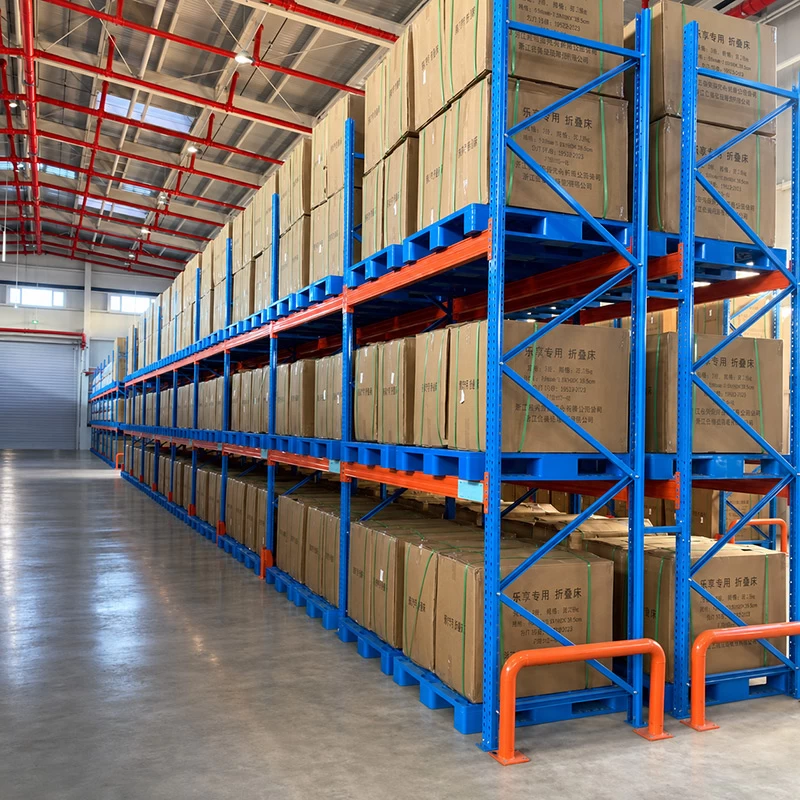
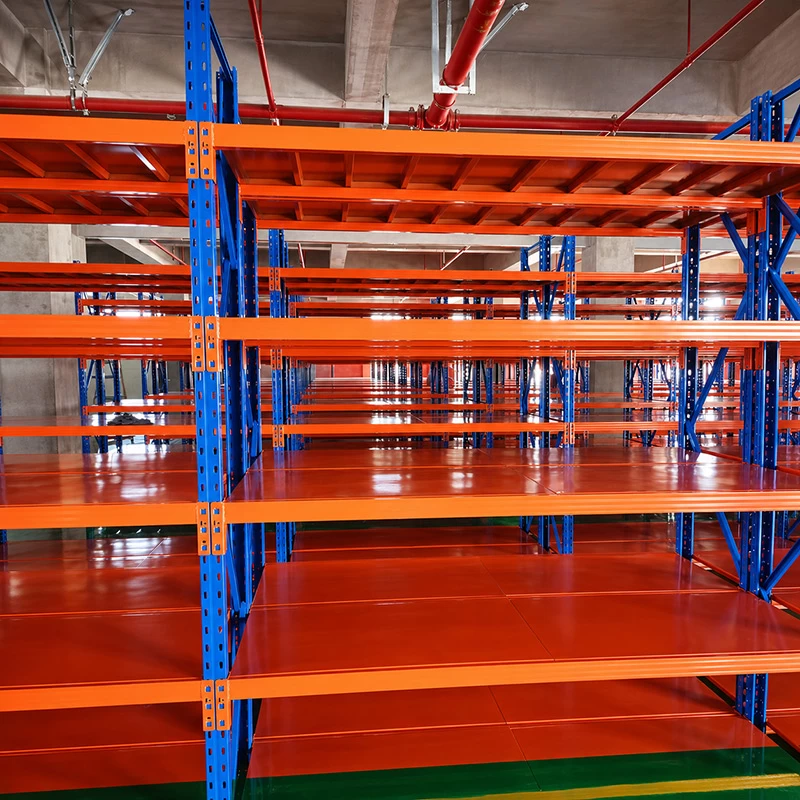
Selective pallet racking is one of the most common and versatile storage systems used in warehouses worldwide. It consists of upright frames and horizontal beams designed to store pallets in rows with open access from the aisle. This system allows forklifts or pallet jacks to access any pallet directly without the need to move other pallets, making it ideal for warehouses that require frequent picking and replenishment.
The design typically features adjustable beams that accommodate various pallet sizes and weights. The racks are engineered to support heavy loads while maximizing vertical and horizontal space within the warehouse.
---
## Why Choose Selective Pallet Racking?
Warehouse managers face numerous challenges, including limited floor space, inventory accuracy, and efficient order fulfillment. Selective pallet racking addresses these issues effectively by offering:
### 1. Direct Accessibility
Each pallet stored in a selective racking system has direct aisle access, which significantly reduces handling time. Unlike drive-in or push-back rack systems where pallets are stored several deep, selective racks enable “first-in, first-out” (FIFO) or “last-in, first-out” (LIFO) inventory management without repositioning other pallets.
### 2. Flexibility and Scalability
Selective pallet racks are highly adaptable. Beams can be adjusted vertically to accommodate different pallet heights, and additional bays can be added as storage needs expand. This scalability makes selective racking suitable for warehouses with fluctuating inventory volumes and product dimensions.
### 3. Cost-Effectiveness
Compared to automated storage systems or more complex racking configurations, selective pallet racking offers an affordable solution with relatively low installation costs. Its simple design reduces maintenance needs and downtime, enabling continuous operations.
### 4. Enhanced Inventory Control
Clear visibility of inventory items is a hallmark of selective pallet racking, aiding better stock rotation and reducing the risk of obsolete stock. Easy access to pallets improves cycle counting and inventory audits, contributing to improved accuracy.
---
## Maximizing Warehouse Efficiency: Key Benefits of Selective Pallet Racking
### Optimized Space Utilization
While selective racking requires aisle space for access, it optimizes vertical space effectively, often reaching the full height of the warehouse. This maximizes cubic storage capacity, which is crucial in facilities where floor space is at a premium.
### Faster Order Fulfillment
By enabling direct access to all pallets, workers spend less time searching for and retrieving products. This reduces picking time, accelerates order processing, and improves overall customer satisfaction.
### Reduced Product Damage
Since pallets do not need to be moved around to access other pallets, the risk of damage during handling is minimized. This protection helps maintain product integrity and reduces losses.
### Improved Safety
Selective pallet racks are engineered to meet rigorous safety standards. Properly installed racks provide stable support and reduce the risk of accidents related to falling objects or forklift collisions.
---
## Design Considerations for Implementing Selective Pallet Racking
To fully leverage the advantages of selective pallet racking, thoughtful planning and design are essential. Key factors include:
### Load Capacity and Rack Configuration
Understanding the weight and size of pallets is vital to selecting the appropriate beam strength and upright frame specifications. Overloading racks can lead to structural failure and safety hazards.
### Aisle Width Optimization
Balancing aisle width between forklift maneuverability and space conservation is critical. Narrow aisles save floor area but may limit the type of equipment used, whereas wide aisles ease handling but reduce storage density.
### Integration with Warehouse Management Systems (WMS)
Combining selective pallet racking with WMS technology enhances inventory tracking, reduces picking errors, and facilitates real-time data on stock levels.
### Environmental Conditions
Warehouses storing temperature-sensitive or hazardous materials must consider environmental controls such as humidity, ventilation, and fire safety when designing racking systems.
---
## Best Practices for Maintaining Selective Pallet Racking Efficiency
### Regular Inspections and Maintenance
Periodic inspections help detect damage, misalignment, or corrosion that could compromise rack integrity. Maintenance protocols should include tightening bolts, repairing dents, and replacing worn components promptly.
### Employee Training
Proper training on safe forklift operation and rack usage minimizes accidents and damage. Staff should be aware of load limits and how to properly place pallets on racks.
### Use of Protective Measures
Rack protectors, column guards, and safety netting can safeguard racks against forklift impacts, enhancing durability and safety.
### Continuous Improvement
Regularly review warehouse layout and racking configuration based on operational data. Adjust rack settings or aisle widths as needed to respond to changing inventory profiles or throughput requirements.
---
## Addressing Common Challenges in Selective Pallet Racking
Despite its many benefits, selective pallet racking is not without challenges:
- **Space Inefficiency in High-Density Storage:** Because each pallet requires aisle access, selective racks consume more floor space than dense storage systems like drive-in racking. To mitigate this, warehouses can combine selective racking with other storage methods or optimize aisle width.
- **Complexity in Managing Diverse Inventory:** Products with varying shapes and sizes can complicate pallet placement. Customizable beam spacing and modular racks can help address this issue.
- **Initial Layout Planning:** Poor initial design can lead to inefficient workflows. Engaging experienced warehouse designers and leveraging simulation software can optimize rack layout before installation.
---
## Future Trends: Smart Selective Pallet Racking
Advances in technology are transforming traditional racking systems into smart warehousing solutions. For instance:
- **IoT Sensors:** Embedded sensors can monitor rack load, temperature, and occupancy, providing real-time alerts to prevent overloading and optimize storage.
- **Automated Guided Vehicles (AGVs):** Integration with AGVs can enable automated pallet retrieval, further improving efficiency while maintaining the flexibility of selective racking.
- **Data Analytics:** Leveraging data from warehouse management systems can facilitate predictive maintenance and storage optimization, aligning rack usage with demand forecasts.
---
## Conclusion
Selective pallet racking systems remain an indispensable tool for warehouses aiming to maximize efficiency, flexibility, and safety. By providing direct access to each pallet, facilitating scalable storage, and supporting effective inventory management, selective racking enables warehouses to meet evolving supply chain demands.
Successful implementation hinges on careful design, integration with technology, and adherence to best practices in maintenance and operation. As warehouses continue to embrace digital transformation, selective pallet racking systems will evolve, incorporating smart technologies that further enhance their role in efficient warehouse management.
Organizations investing in selective pallet racking can expect improved space utilization, faster order fulfillment, and enhanced safety—key drivers in achieving competitive advantage in today’s dynamic logistics landscape.
---
*For warehouses seeking to optimize their storage solutions, selective pallet racking offers a proven, flexible, and cost-effective approach to maximizing operational efficiency.*