# Common Mistakes to Avoid When Installing Selective Pallet Racks
Selective pallet racking systems are among the most widely used storage solutions in warehouses, distribution centers, and industrial facilities. Their versatility, accessibility, and cost-effectiveness make them a popular choice for organizing pallets and maximizing vertical space. However, installing selective pallet racks requires careful planning and execution to ensure safety, efficiency, and longevity of the system.
In this detailed article, we will explore the **common mistakes to avoid when installing selective pallet racks**. Whether you are a warehouse manager, facility engineer, or installation contractor, understanding these pitfalls can save time, reduce costs, and prevent operational disruptions.
---
## Understanding Selective Pallet Racks
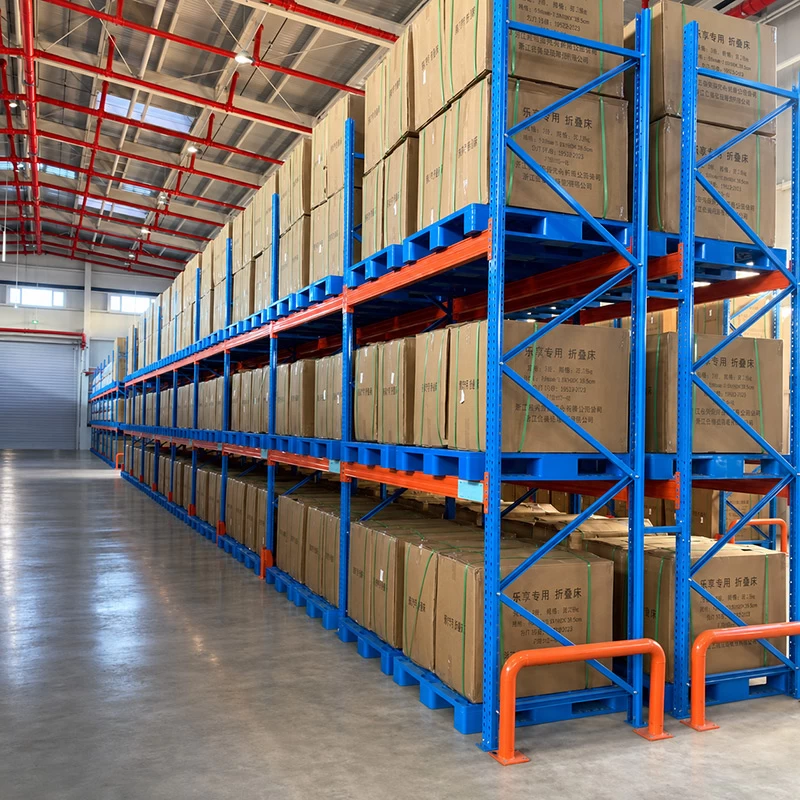
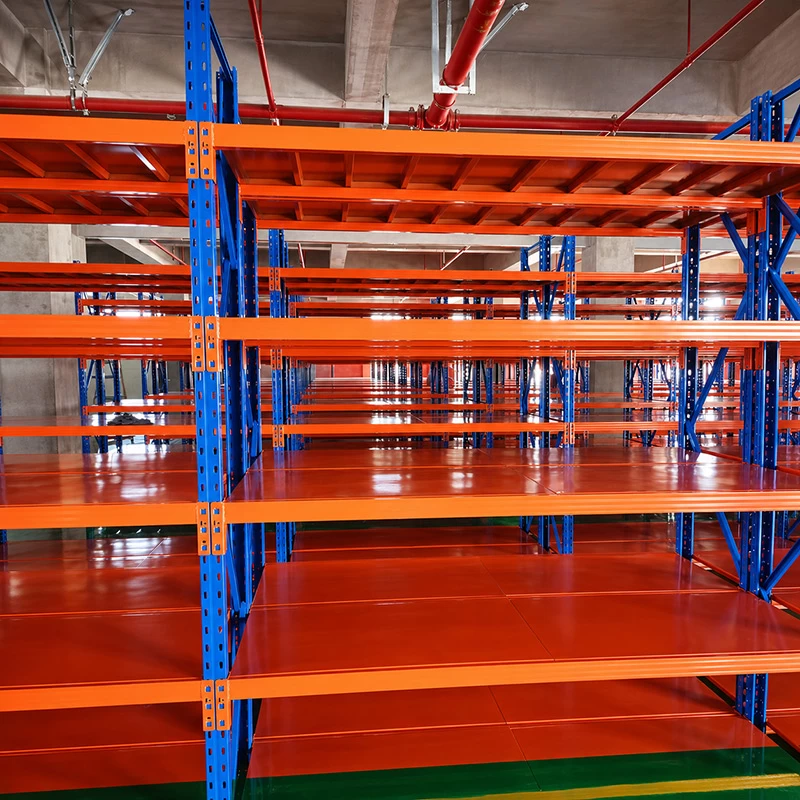
Before diving into the common mistakes, it is essential to understand what selective pallet racks are. These racks provide direct access to each pallet, making them ideal for warehouses with a wide variety of SKUs or products that require frequent movement. The design typically includes upright frames, horizontal beams, and decking options, allowing pallets to be stored on multiple levels.
The installation process involves assembling these components correctly and securely anchoring the system to the floor. Deviations from best practices can compromise the rack's structural integrity and cause accidents.
---
## 1. Inadequate Planning and Layout Design
One of the biggest mistakes during pallet rack installation is insufficient planning. Warehouse layout and traffic flow must be thoroughly analyzed before installation begins.
- **Ignoring Workflow Efficiency:** Poorly planned rack placement can lead to bottlenecks, longer pick times, and inefficient use of space.
- **Overlooking Aisle Widths:** Narrow aisles can hinder forklift movement and increase collision risks. Standard aisle widths typically range from 10 to 14 feet depending on equipment.
- **Not Accounting for Future Growth:** Failing to anticipate future inventory increases or changes in product mix can result in costly reconfigurations.
A detailed site survey and consultation with warehouse operations teams are crucial to designing an optimal selective pallet rack layout.
---
## 2. Using Incorrect or Inferior Quality Materials
Selective pallet racks must comply with strict safety and quality standards. Using substandard materials or incompatible components is a critical error.
- **Non-Standard Frames and Beams:** Components not meeting load ratings or dimensional specifications can reduce rack stability.
- **Improper Fasteners and Anchors:** The wrong bolts, nuts, or floor anchors may fail under stress.
- **Cutting Corners on Protective Coatings:** Skipping powder coatings or rust-resistant finishes leads to corrosion over time, weakening the structure.
Always procure racks and accessories from reputable manufacturers who adhere to industry standards such as those set by the Rack Manufacturers Institute (RMI).
---
## 3. Poor Floor Preparation and Anchoring
The foundation is the backbone of any pallet racking system. Improper floor preparation and anchoring are common causes of rack failure.
- **Uneven or Cracked Floors:** Installing racks on uneven surfaces creates instability. Floors should be flat, level, and free of cracks.
- **Insufficient Anchoring:** Anchors must be installed at correct depths and intervals to secure the rack against tipping or lateral forces.
- **Ignoring Load Concentration Points:** Anchor placement should correspond to load-bearing points on the uprights to distribute weight effectively.
Conducting a thorough floor assessment and using appropriate anchor types (wedge, epoxy, or sleeve anchors) guarantees a solid rack foundation.
---
## 4. Incorrect Assembly and Component Installation
Many issues arise from improper assembly techniques during installation.
- **Misalignment of Upright Frames:** Frames must be plumb and aligned to prevent leaning or collapse.
- **Improper Engagement of Beams:** Beam connectors should lock securely into the upright slots. Loose connections risk beam displacement.
- **Skipping Safety Locking Pins:** These pins prevent accidental beam disengagement and should never be omitted.
- **Incorrect Load Distribution:** Overloading beams beyond their rated capacity or uneven loading can cause structural stress.
Following manufacturer assembly instructions meticulously, including torque specifications for fasteners and safety checks, is vital.
---
## 5. Neglecting Safety Measures During Installation
Safety should be paramount when installing pallet racks. Unfortunately, many installations overlook critical safety protocols.
- **Lack of Personal Protective Equipment (PPE):** Workers should wear helmets, gloves, steel-toed boots, and eye protection.
- **Ignoring Weight Limits:** Installing racks without considering weight limits can lead to overloading and catastrophic failure.
- **No Safety Inspections:** Regular inspection during and after installation ensures components are secure and undamaged.
- **Poor Training for Installation Crew:** Untrained personnel may misuse tools or mishandle components.
Implementing a comprehensive safety plan—including risk assessments and training—reduces injury risk and ensures a safe working environment.
---
## 6. Overlooking Environmental Factors
Environmental conditions affect the durability and performance of pallet racks.
- **Exposure to Moisture and Chemicals:** Warehouses with high humidity or chemical exposure require racks with special coatings or materials.
- **Temperature Variations:** Extreme temperatures can affect metal expansion and contraction, impacting rack stability.
- **Lighting and Visibility:** Poor lighting reduces visibility of rack components, increasing installation mistakes.
Consider environmental factors in material selection and installation procedures to enhance rack lifespan.
---
## 7. Failure to Incorporate Load Management Systems
Selective pallet racks are designed to carry specific loads safely. Ignoring load management can cause uneven stress and damage.
- **No Labeling of Load Capacities:** Each rack level should have clear signage indicating maximum allowable weight.
- **Lack of Pallet Stop and Rack Protection:** Accessories like pallet stops, wire decking, and column guards protect racks from accidental damage.
- **Ignoring Rack Inspection and Maintenance:** Even well-installed racks need periodic inspection to identify wear, damage, or deformation.
Incorporate load management protocols and protective accessories during installation to maintain rack integrity.
---
## 8. Ignoring Integration with Warehouse Management Systems (WMS)
Modern warehouses often utilize WMS for inventory tracking and optimization.
- **Not Aligning Rack Design with WMS:** Rack layouts should facilitate efficient picking and replenishment as dictated by the software.
- **Lack of Barcode or RFID Placement:** Proper installation should include locations for scanning devices to improve accuracy.
- **Overcomplicating Layouts:** Complex designs that confuse operators or do not match system logic reduce productivity.
Coordinating with IT and operations teams during installation ensures seamless integration between physical infrastructure and digital management.
---
## Conclusion
Installing selective pallet racks may seem straightforward, but a multitude of factors can jeopardize safety, efficiency, and durability if not approached correctly. To summarize, here are the **key mistakes to avoid**:
- Insufficient layout and workflow planning
- Using poor-quality or incompatible materials
- Inadequate floor preparation and anchoring
- Improper assembly and component installation
- Neglecting safety protocols during installation
- Overlooking environmental conditions
- Failing to manage rack loads properly
- Ignoring integration with warehouse management systems
By recognizing and addressing these common errors, organizations can optimize their storage systems, improve operational workflows, and ensure a safe workplace. Always partner with experienced professionals, adhere to industry standards, and conduct thorough inspections to achieve a successful selective pallet rack installation.
---
### Additional Tips for Best Practices
- Conduct a pre-installation meeting with all stakeholders.
- Use digital modeling tools to visualize rack layouts.
- Schedule periodic training refreshers for installation crews.
- Keep detailed documentation of rack specifications and installation procedures.
- Invest in high-quality tools and equipment for assembly.
A proactive approach to installation not only protects assets but also maximizes the return on investment in your warehouse infrastructure.
---
If you found this article helpful or have questions about selective pallet rack installation, feel free to reach out or leave a comment below. Safe and efficient storage starts with smart installation!