# Maintenance Tips to Extend the Life of Your Selective Pallet Rack
Selective pallet racking systems are among the most popular storage solutions in warehouses, distribution centers, and industrial facilities. Their versatility, accessibility, and cost-effectiveness make them a go-to choice for efficient inventory management. However, like any critical warehouse infrastructure, selective pallet racks require regular maintenance to ensure safety, durability, and optimal performance over time.
In this comprehensive guide, we delve into essential **maintenance tips to extend the life of your selective pallet rack**, focusing on practical strategies, safety considerations, and routine inspection protocols. By implementing these best practices, facility managers and maintenance teams can protect their investment, reduce downtime, and promote a safer working environment.
---
## Understanding Selective Pallet Racking Systems
Before exploring maintenance tips, it’s important to understand what selective pallet racks are and why they need ongoing care.
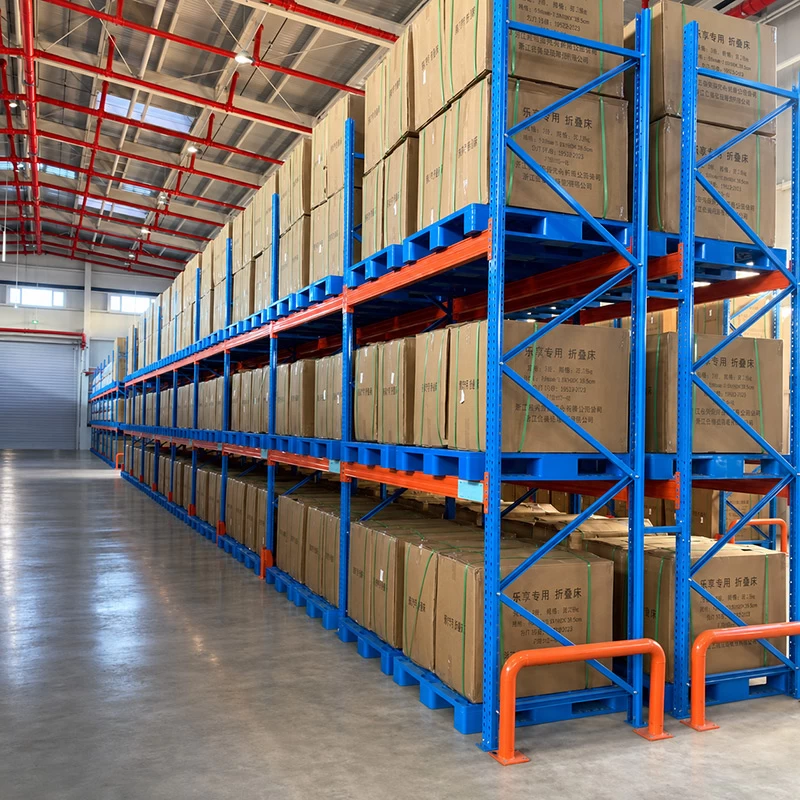
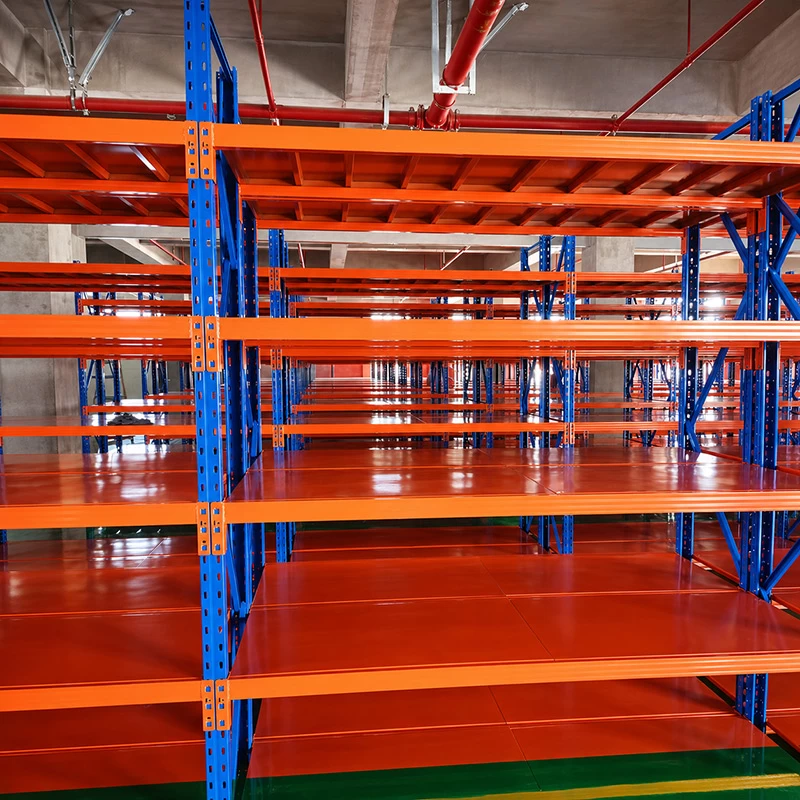
Selective pallet racks consist of upright frames and horizontal beams that create multiple levels of storage bays, allowing pallets to be loaded and retrieved individually. This system offers direct access to every pallet without needing to move others, making it highly flexible for diverse inventory types.
Because selective racks support heavy loads and endure constant handling by forklifts and other equipment, structural integrity and alignment must be preserved through regular upkeep.
---
## Why Maintenance Matters
Ignoring maintenance can result in:
- Structural failures or collapses
- Increased risk of workplace accidents
- Reduced storage capacity due to misaligned racks
- Higher repair and replacement costs
- Operational disruptions and downtime
Hence, maintenance is not just about prolonging equipment life but also about ensuring safety and operational efficiency.
---
## Key Maintenance Tips for Selective Pallet Racks
### 1. Conduct Regular Visual Inspections
Routine inspections are the cornerstone of rack maintenance. Schedule visual checks weekly or monthly depending on usage intensity. Key aspects to inspect include:
- **Bent or damaged beams and uprights:** Look for dents, cracks, bends, or warping caused by forklift impacts or overloading. Even minor damage can compromise rack stability.
- **Loose or missing bolts and fasteners:** Tighten or replace hardware immediately to maintain frame rigidity.
- **Rack alignment:** Ensure beams are level and frames stand plumb (vertically straight). Misalignment can lead to uneven load distribution.
- **Load labels:** Verify that load capacity labels are visible and legible to prevent overloading.
Document findings and prioritize repairs or replacements as needed.
---
### 2. Implement Load Management Best Practices
Overloading racks beyond their designed capacity is a common cause of premature wear and catastrophic failure. To prevent this:
- Train warehouse personnel on understanding and respecting load limits.
- Use clear signage indicating maximum load weight per bay.
- Distribute pallet loads evenly across beams and shelves.
- Avoid stacking pallets too high or leaning them improperly.
Proper load management reduces stress on rack components and prevents deformation.
---
### 3. Maintain a Clean and Organized Environment
Dust, debris, and clutter can hide damage and accelerate material degradation. For effective maintenance:
- Keep aisles and rack areas free from garbage, pallets, and spills.
- Regularly clean racks to remove dust and grime that can corrode metal surfaces.
- Inspect flooring beneath racks for cracks or unevenness that could affect rack stability.
A clean environment not only facilitates safer operations but also simplifies inspections.
---
### 4. Protect Racks from Forklift Impact
Forklifts are indispensable in warehouses but can inadvertently damage racks through collisions or improper loading. To minimize impact damage:
- Install protective guards or column protectors around rack uprights.
- Mark traffic lanes clearly to guide forklift operators.
- Provide ongoing training emphasizing careful maneuvering near racks.
- Use spotters or sensors in tight spaces to prevent accidental hits.
Preventing physical damage preserves the structural integrity of your selective pallet racks.
---
### 5. Address Rust and Corrosion Promptly
Metal racks are susceptible to rust, especially in humid environments or where spills occur. Rust weakens the metal and can lead to failure if untreated. Maintenance steps include:
- Inspect racks for signs of rust or corrosion regularly.
- Clean affected areas with wire brushes or sandpaper.
- Apply rust-inhibiting primers and repaint with durable coatings.
- Consider using powder-coated racks or stainless steel options in corrosive environments.
Proactive rust control extends the lifespan and appearance of pallet racks.
---
### 6. Schedule Professional Structural Assessments
Even with diligent in-house inspections, periodic professional evaluations are recommended:
- Certified engineers or rack safety experts can perform comprehensive structural assessments.
- They can detect subtle issues such as stress fractures, foundation settling, or design inadequacies.
- Experts provide repair recommendations, reinforcement solutions, or retrofit options if necessary.
Professional assessments ensure compliance with safety regulations and industry standards such as OSHA and RMI (Rack Manufacturers Institute) guidelines.
---
### 7. Document Maintenance Activities
Maintaining detailed records of inspections, repairs, and upgrades is crucial for accountability and continuous improvement. Documentation should include:
- Inspection dates and findings
- Repairs performed and parts replaced
- Training sessions conducted
- Incidents or near misses related to rack damage
Digital tools and maintenance management software can streamline record-keeping and scheduling.
---
### 8. Utilize Quality Replacement Parts
When repairs are necessary, always use manufacturer-approved components to maintain rack integrity. Substandard parts may not fit properly or meet load specifications, increasing risk.
Stock essential spare parts such as safety clips, beam connectors, and anchor bolts to enable prompt repairs.
---
## Enhancing Rack Safety Through Design and Maintenance Synergy
Maintenance alone does not guarantee rack longevity. Thoughtful rack design and initial installation quality significantly influence durability:
- Choose racking systems designed for your specific load profiles and warehouse conditions.
- Ensure proper anchoring to concrete floors with expansion bolts or chemical anchors.
- Avoid modifications that compromise structural elements.
Collaborating with experienced rack suppliers and installers will set a strong foundation for easier maintenance and longer service life.
---
## Conclusion
Selective pallet racks are vital assets that support warehouse operations by optimizing storage and retrieval processes. To maximize their lifespan and maintain safe working conditions, systematic maintenance is indispensable.
By conducting regular inspections, managing loads correctly, protecting racks from impact, controlling corrosion, and engaging professionals for thorough evaluations, you can prevent costly failures and extend the functional life of your selective pallet rack system.
Remember, maintenance is an ongoing process that requires commitment, training, and attention to detail. Invest in the health of your pallet racks today to safeguard your warehouse efficiency and employee safety tomorrow.
---
**Keywords:** box-sizing, border-box, margin, background, font-family, Arial, Helvetica, sans-serif, color, width, padding, max-width, auto margin (centered layout), box-shadow, overflow-hidden, position-relative, min-height, linear-gradient, rgba colors, base64 image (JPEG), sde-body, sde-detail