# Maximizing Storage Efficiency with Mezzanine Shelves
In today’s fast-paced world, efficient storage solutions are critical for businesses and individuals alike. Whether you’re managing a warehouse, retail space, or office inventory, optimizing the use of vertical and horizontal space can translate into significant cost savings and operational improvements. One of the most effective tools for achieving this goal is the mezzanine shelf system. This article explores how mezzanine shelves can maximize storage efficiency, the design considerations involved, and best practices for implementation.
---
## Understanding Mezzanine Shelves
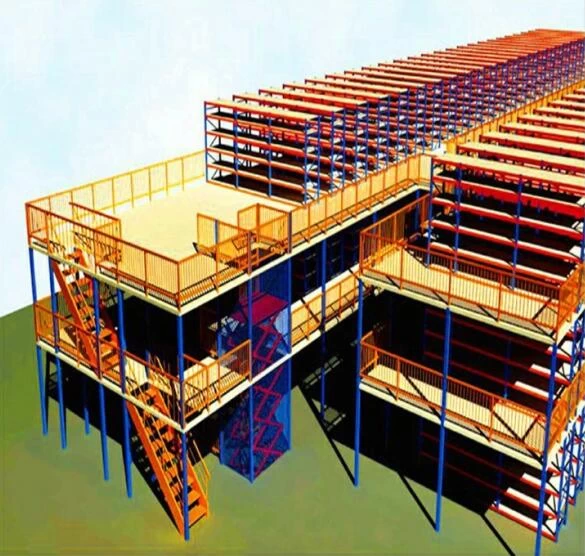
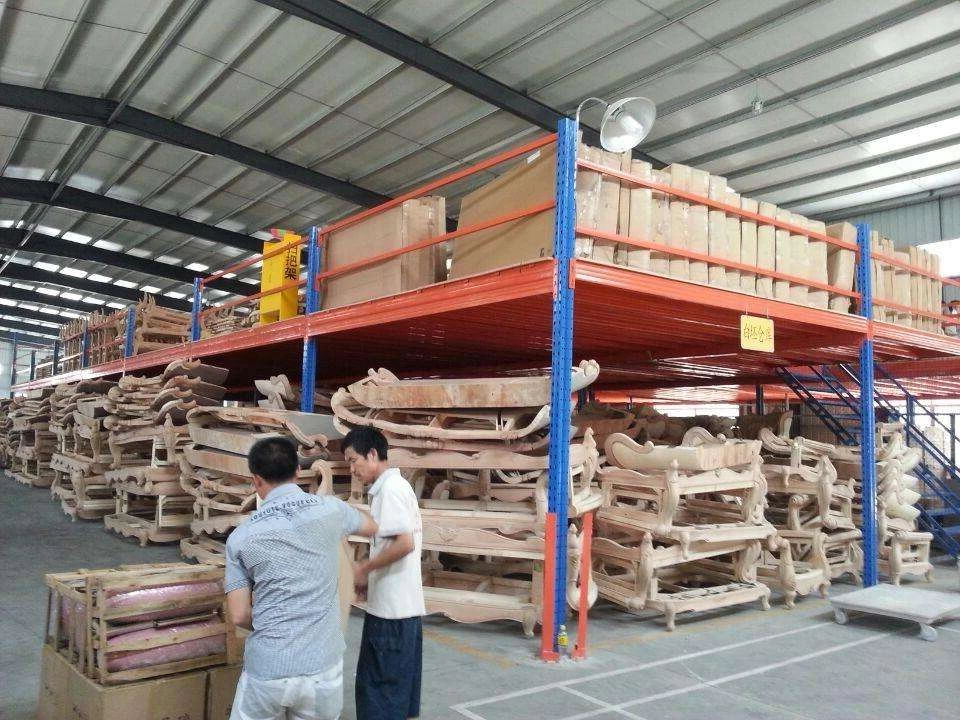
Mezzanine shelving refers to an intermediate floor or platform installed within a building, creating additional storage or workspace above the existing floor level. Unlike traditional shelving, which occupies only floor space, mezzanine shelves take advantage of the vertical height of a facility, effectively multiplying storage capacity without expanding the building footprint.
Mezzanines serve as versatile platforms that support shelving units, pallets, or even office spaces. When integrated with robust shelving systems, they facilitate organized, accessible, and scalable storage solutions tailored to diverse needs.
---
## Key Benefits of Mezzanine Shelves in Maximizing Storage Efficiency
### 1. Optimal Use of Vertical Space
Many facilities have considerable unused vertical space. Mezzanine shelves transform this often-overlooked asset into productive storage areas. By stacking storage levels vertically, businesses can increase their storage capacity by 50% to 100% or more without costly building expansions.
### 2. Cost-Effective Expansion
Constructing new warehouses or leasing additional space can be prohibitively expensive. Mezzanine shelves offer a cost-effective alternative by enabling internal expansion. Installation is quicker and less disruptive compared to moving operations or constructing new buildings.
### 3. Enhanced Organization and Accessibility
With proper design, mezzanine shelves improve inventory organization. Items can be categorized and stored based on accessibility, frequency of use, or type, promoting faster retrieval and reducing labor costs. Staircases, lifts, or conveyors integrated with mezzanines further streamline movement between levels.
### 4. Flexibility and Scalability
Modular mezzanine shelving systems can be reconfigured as storage needs evolve. This flexibility allows businesses to adapt to seasonal fluctuations, product line changes, or growth without major investments in infrastructure.
### 5. Improved Safety and Compliance
Modern mezzanine shelves adhere to stringent safety standards and can incorporate guardrails, safety gates, and anti-slip flooring. This ensures secure storage and reduces workplace accidents.
---
## Design Considerations for Mezzanine Shelving Systems
To maximize storage efficiency, careful planning and design of mezzanine shelves are imperative. Several factors influence the effectiveness and safety of the installation:
### Load Capacity and Structural Integrity
Before installation, it’s essential to assess the load-bearing capacity of the building’s floor and the mezzanine structure itself. The combined weight of shelving units, stored goods, and personnel must be safely supported. Collaborating with structural engineers ensures compliance with building codes and prevents costly failures.
### Layout and Space Utilization
Efficient layout planning involves balancing storage density with accessibility. Narrow aisles maximize storage but may hinder movement and picking speed. Conversely, wide aisles promote ease of access but reduce storage volume. Utilizing warehouse management software can help simulate different layouts to find the optimal balance.
### Shelf Types and Materials
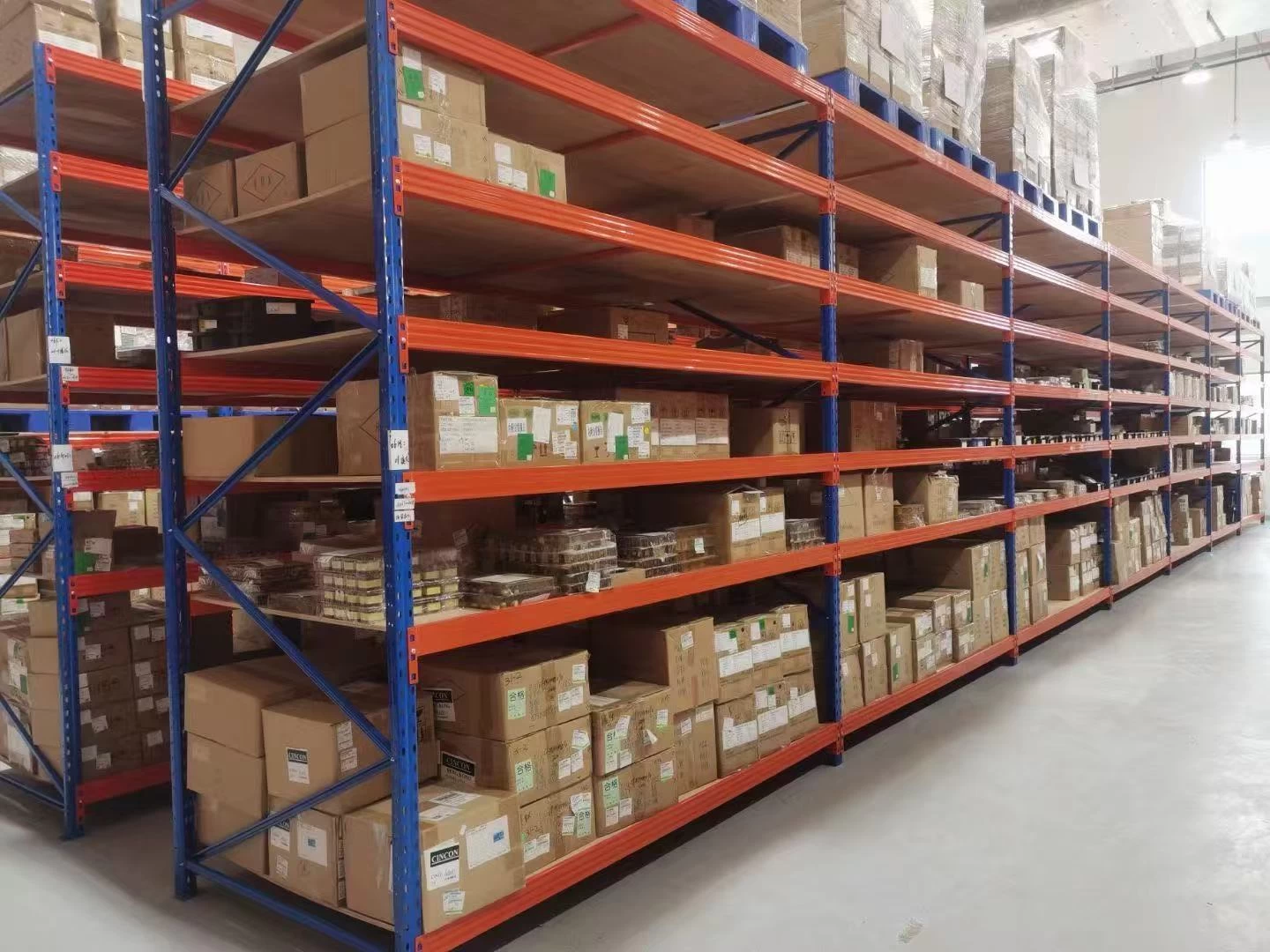
Selecting the appropriate shelving type—such as pallet racks, cantilever, or wire decking—depends on the nature of stored items. Materials should be durable, corrosion-resistant, and compatible with the environment (e.g., moisture or temperature considerations).
### Integration with Warehouse Operations
Mezzanine shelves should integrate seamlessly with existing warehouse workflows. Incorporating conveyor systems, automated picking technologies, or barcode scanning stations can enhance efficiency. Additionally, considering lighting, ventilation, and safety features contributes to a productive environment.
### Compliance with Regulations
Adherence to local building codes, fire safety regulations, and occupational health standards is mandatory. This includes providing sufficient egress routes, fire suppression systems, and ensuring the structural design meets required load factors.
---
## Implementing Mezzanine Shelves: Best Practices
### Conduct a Thorough Needs Assessment
Begin by analyzing current storage challenges, inventory turnover rates, and projected growth. This data-driven approach informs the mezzanine design specifications, ensuring the solution aligns with operational goals.
### Engage Experienced Professionals
Partnering with reputable mezzanine manufacturers and installation specialists is crucial. Experts provide valuable insights on materials, design optimization, and compliance, minimizing risks during and after installation.
### Prioritize Ergonomics and Worker Safety
Design the mezzanine with worker comfort and safety in mind. Proper staircases, handrails, adequate lighting, and non-slip surfaces reduce accident risks and improve efficiency.
### Incorporate Technology for Inventory Management
Combining mezzanine shelves with warehouse management systems (WMS) enables real-time tracking, inventory optimization, and streamlined picking processes. This synergy enhances overall productivity.
### Plan for Future Expansion
Design mezzanine shelving systems with modularity to accommodate future growth. Easy-to-modify components allow scaling without extensive downtime or expense.
---
## Case Study: Transforming Warehouse Storage with Mezzanine Shelves
Consider a mid-sized distribution center struggling with limited floor space and increasing inventory demands. By installing a custom-designed mezzanine shelving system covering 60% of the warehouse’s vertical height, the company effectively doubled its storage capacity.
The new layout featured:
- Sturdy steel platforms supporting pallet racks.
- Wide aisles on both levels for forklift and manual picking.
- Integrated stairways and hydraulic lifts for efficient material movement.
- LED lighting and safety barriers enhancing visibility and protection.
Post-installation, inventory management improved significantly, order fulfillment times decreased by 30%, and the need for external storage facilities was eliminated, resulting in substantial cost savings.
---
## Leveraging CSS Principles for Mezzanine Shelf Planning Tools
Modern digital tools used for designing and visualizing mezzanine shelf layouts often rely on web-based applications incorporating CSS (Cascading Style Sheets). Though seemingly unrelated, concepts such as `box-sizing: border-box`, margin settings, background colors, font-family choices (Arial, Helvetica, sans-serif), and other CSS properties contribute to creating intuitive, user-friendly interfaces.
For example:
- Applying `box-sizing: border-box` ensures consistent sizing of layout elements, aiding precise visualization of shelf dimensions.
- Using calm background colors like `#eef3f8` provides a visually comfortable environment for users.
- Setting font-family to Arial or Helvetica improves readability of design specifications and instructions.
- Employing shadows (`box-shadow`) and overflow handling (`overflow: hidden`) enhances the clarity and aesthetics of interactive diagrams.
These interface details, though subtle, contribute to the effective communication of complex design ideas, benefiting planners and stakeholders.
---
## Conclusion
Mezzanine shelves represent a strategic investment for maximizing storage efficiency. By leveraging vertical space, improving organization, and enabling scalable growth, mezzanine systems offer practical solutions to storage challenges faced by many industries. Successful implementation requires thoughtful design, adherence to safety standards, and integration with operational workflows.
As businesses continue to seek smarter ways to manage space and resources, mezzanine shelves stand out as a versatile, cost-effective solution that delivers measurable benefits. Whether upgrading existing facilities or planning new ones, embracing mezzanine shelving systems can unlock untapped potential, driving productivity and profitability.
---
**Keywords:** box-sizing, border-box, sde-body, margin, background, #eef3f8, font-family, Arial, Helvetica, sans-serif, color, #102033, sde-detail, width 100%, padding 30px 10px, sde-page, max-width 790px, margin auto, background #fff, box-shadow, overflow hidden, sde-hero, position relative