# Maximizing Space with Vertical Mold Storage Racks
In today’s fast-paced manufacturing and industrial environments, efficient use of space is more critical than ever. As production floors become increasingly crowded with machinery, tools, and materials, the need for smart storage solutions is paramount. One such solution that has gained significant traction is the use of **vertical mold storage racks**. These innovative storage systems not only optimize floor space but also enhance accessibility, organization, and safety.
This article delves into the concept of vertical mold storage racks, their benefits, design considerations, and best practices for implementation. Whether you’re managing a tooling department, a plastic injection molding facility, or any operation requiring mold storage, understanding how to maximize your space with vertical racks can lead to substantial operational improvements.
---
## Understanding Vertical Mold Storage Racks
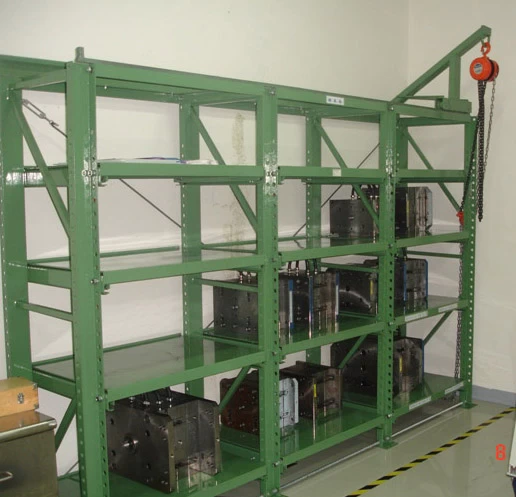
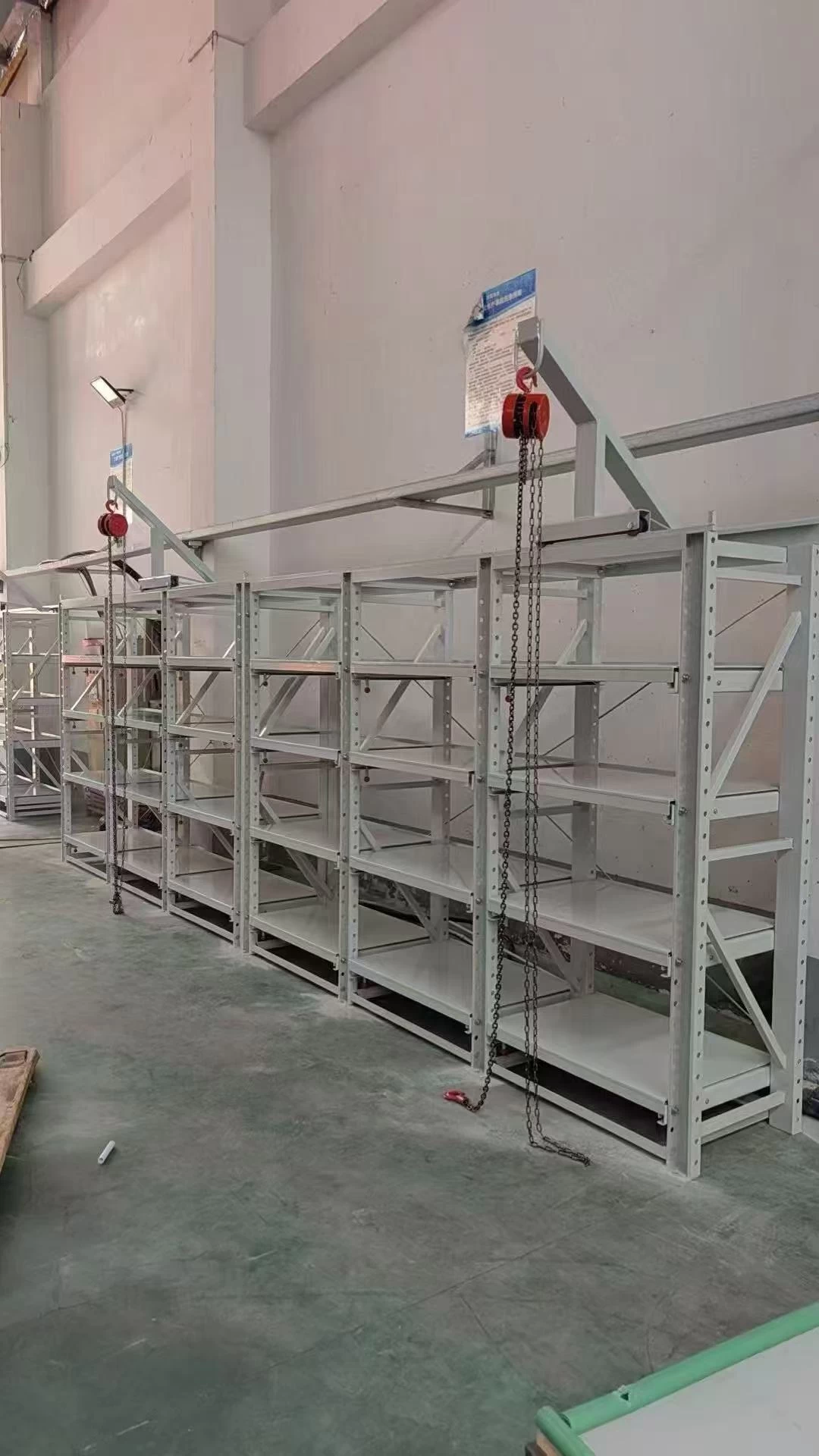
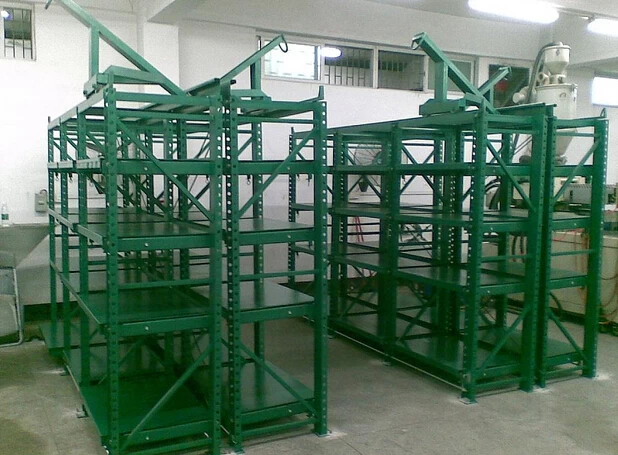
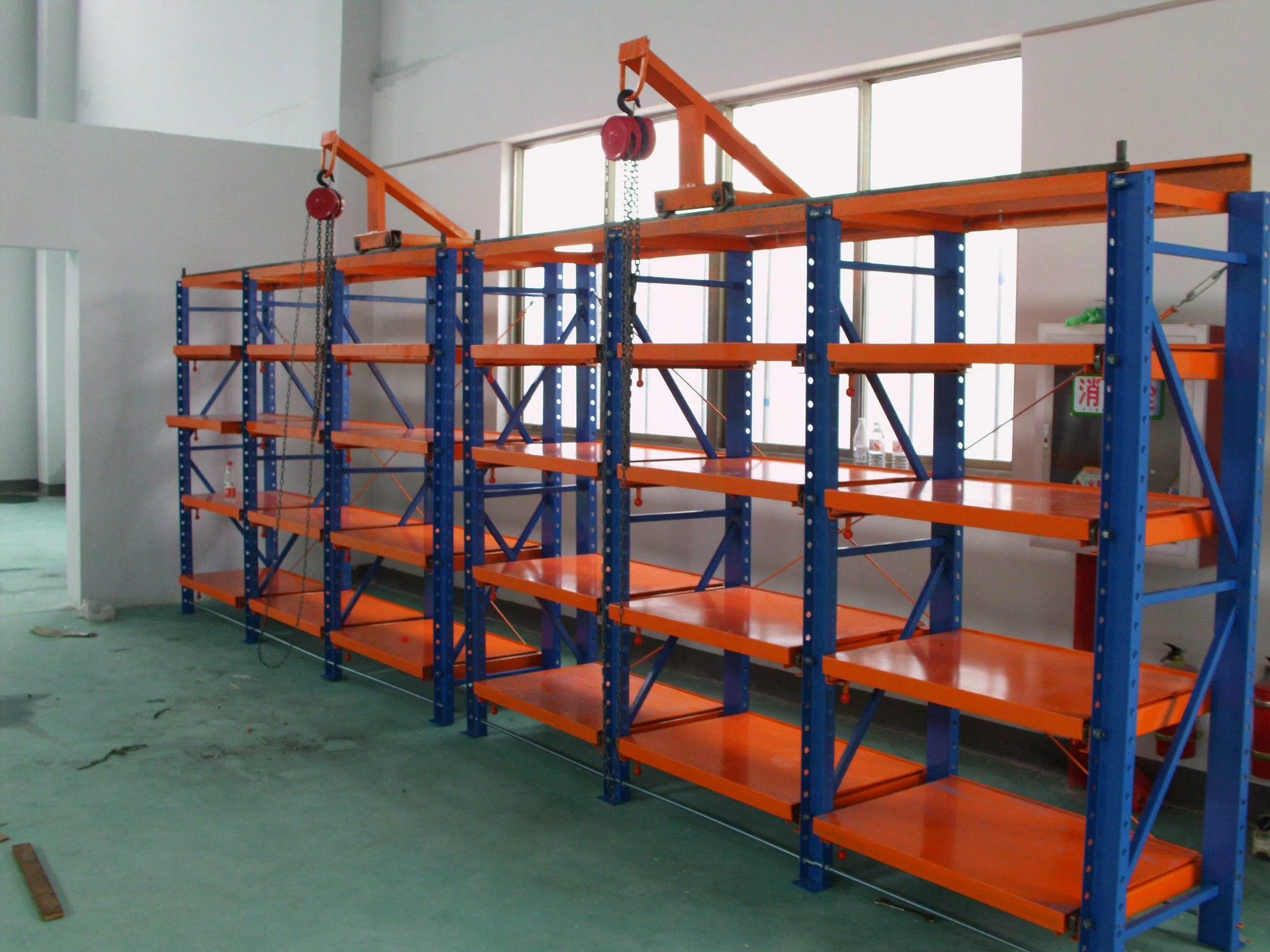
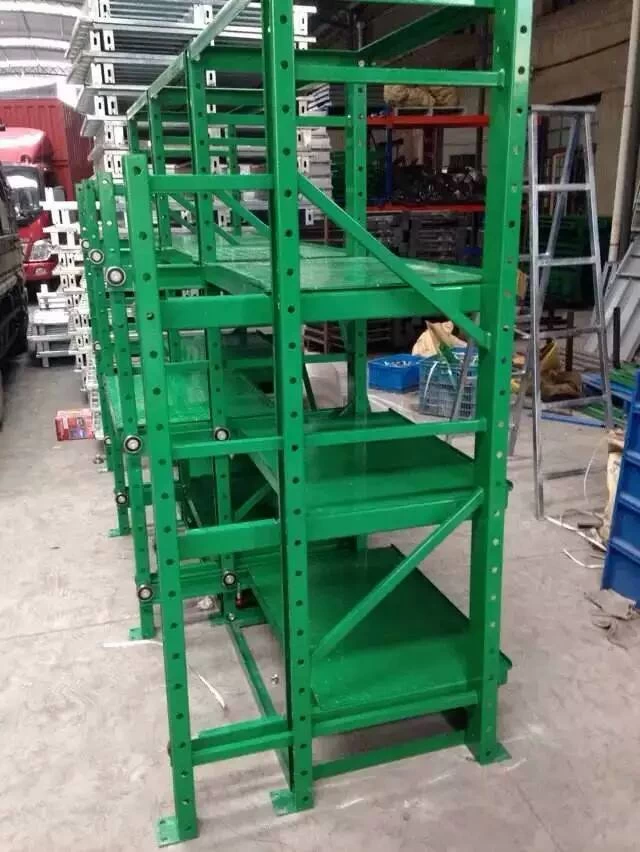
Vertical mold storage racks are specialized shelving units designed to hold molds upright rather than lying flat. Traditional horizontal storage often consumes large amounts of floor space and can make accessing specific molds cumbersome and time-consuming. In contrast, vertical storage racks capitalize on the vertical plane, making it possible to store more molds within the same footprint.
These racks typically consist of sturdy steel frameworks with adjustable shelves or slots to accommodate molds of various sizes and shapes. The design ensures that molds are securely held in place to prevent damage and facilitate easy retrieval.
---
## The Importance of Space Optimization in Mold Storage
The molds used in injection molding, metal casting, and other manufacturing processes are often large, heavy, and delicate. Storing them improperly risks damage, safety hazards, and inefficient workflows. With the high cost and critical nature of these molds, optimizing storage is essential.
### Challenges with Traditional Storage
- **Floor Space Constraints**: Horizontal mold storage takes up extensive floor space, limiting the room available for other equipment or activities.
- **Accessibility Issues**: Stacking molds horizontally complicates retrieval and inventory management, leading to longer downtime.
- **Risk of Damage**: Improper stacking or insufficient support can cause deformation or wear on molds.
- **Safety Concerns**: Heavy molds stored at ground level or stacked unsafely pose injury risks to workers.
Vertical mold storage racks address many of these challenges by utilizing height rather than floor area, improving organization, and enhancing safety.
---
## Benefits of Vertical Mold Storage Racks
### 1. **Maximized Space Utilization**
The most significant advantage of vertical racks is the efficient use of vertical space. Many industrial facilities have considerable unused overhead space that can be harnessed for storage, effectively multiplying the storage capacity without expanding the physical footprint.
### 2. **Improved Accessibility and Organization**
Vertical racks allow molds to be stored in an upright position, making labels, tags, or part numbers easily visible. This visibility simplifies inventory tracking and reduces the time spent searching for specific molds.
### 3. **Enhanced Safety**
By securing molds vertically, the risk of accidental tipping or falling is reduced. Racks are engineered with safety features such as locking mechanisms and reinforced supports to hold heavy molds securely.
### 4. **Reduced Mold Damage**
Properly designed vertical racks distribute the weight evenly and prevent molds from resting on edges or corners that could cause damage. The upright positioning also facilitates ventilation, reducing moisture buildup and corrosion risks.
### 5. **Streamlined Workflow**
Efficient mold storage translates to faster mold changes and less downtime. Operators can quickly identify and retrieve the required mold, enhancing overall production efficiency.
---
## Design Considerations for Vertical Mold Storage Racks
When selecting or designing vertical mold storage racks, several factors must be considered to ensure optimal performance:
### 1. **Material and Construction**
Racks should be constructed from high-strength steel or similar durable materials capable of supporting heavy loads. Powder-coated finishes can provide corrosion resistance, especially in humid industrial environments.
### 2. **Adjustability and Customization**
Molds vary widely in size and shape; hence, racks should offer adjustable shelves or modular components to accommodate diverse molds. Customizable racks can be tailored to specific mold dimensions, maximizing storage density.
### 3. **Load Capacity**
Each shelf or slot should be rated for specific weight limits, factoring in the heaviest molds to be stored. Overloading racks can lead to structural failure and safety hazards.
### 4. **Space and Dimensions**
Rack height should align with facility ceiling heights and accessibility requirements. Adequate aisle space around racks ensures safe and efficient mold handling.
### 5. **Integration with Handling Equipment**
Consider compatibility with forklifts, cranes, or automated retrieval systems. Some racks may include built-in rails or guides to facilitate mechanical handling.
---
## Implementing Vertical Mold Storage Racks: Best Practices
To maximize the benefits of vertical mold storage racks, organizations should follow best practices during implementation:
### 1. **Conduct a Needs Assessment**
Evaluate the number, sizes, and weights of molds to be stored. Assess current storage inefficiencies and forecast future growth to select appropriately sized racks.
### 2. **Optimize Layout Planning**
Use CAD or space planning software to design rack layouts that maximize vertical space while maintaining safe access. Consider workflow patterns to minimize travel time during mold retrieval.
### 3. **Train Personnel**
Proper training on mold handling and rack usage reduces accidents and mold damage. Employees should understand load limits, rack adjustment procedures, and safety protocols.
### 4. **Regular Inspection and Maintenance**
Scheduled inspections detect wear, corrosion, or structural issues early. Maintenance such as tightening bolts, repainting, or replacing damaged components prolongs rack lifespan.
### 5. **Leverage Technology**
Integrate barcode or RFID tagging systems for molds stored on vertical racks to streamline inventory management and reduce errors.
---
## Styling and Presentation: Incorporating Visual Enhancements
While the focus of vertical mold storage racks is functionality, the presentation of information regarding their use can benefit from professional styling in documentation and digital content. Applying principles such as `box-sizing: border-box` ensures consistent element sizing across platforms. Using fonts like Arial, Helvetica, or sans-serif maintains readability and professionalism.
In digital presentations or web-based manuals (`sde-body`, `sde-detail`, `sde-page`), setting margins and padding (`margin`, `padding`) and controlling widths (`width`, `max-width`) with auto margin centering enhances user experience. Adding visual depth with `box-shadow` or using background colors and linear gradients (`background`, `linear-gradient`, `rgba colors`) can highlight important sections without overwhelming the reader.
For example, embedding base64 image data of rack diagrams or mold schematics within styled containers can create informative and visually appealing resources for staff training or client education.
---
## Conclusion
Vertical mold storage racks represent a strategic investment for any manufacturing or tooling operation aiming to maximize space utilization, improve safety, and streamline workflows. By transitioning from traditional horizontal storage to vertical systems, companies can unlock valuable floor space, protect costly molds, and enhance operational efficiency.
Careful consideration of rack design, load capacity, and integration with existing workflows ensures that the benefits are fully realized. Coupled with proper training and maintenance, vertical mold storage racks become a cornerstone of effective mold management.
In an era where every square foot counts, embracing vertical storage solutions is not just beneficial—it’s essential for staying competitive and efficient.
---
If you are considering upgrading your mold storage system or want to explore customized vertical rack solutions, consulting with experienced industrial storage providers can help tailor the perfect setup for your unique needs. The right vertical mold storage racks will pay dividends through improved productivity, safety, and space management for years to come.