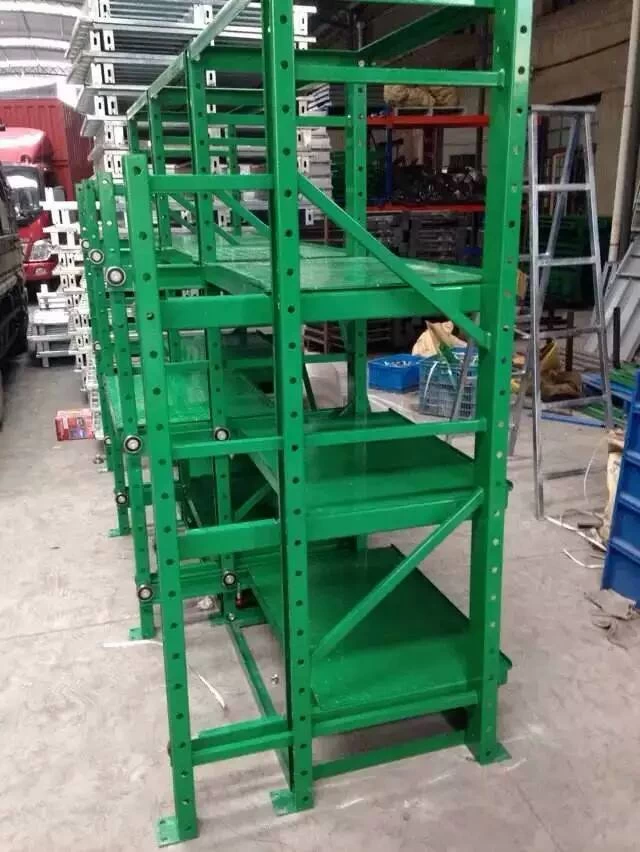
# Maintenance Tips to Extend the Life of Your Mold Storage Racks
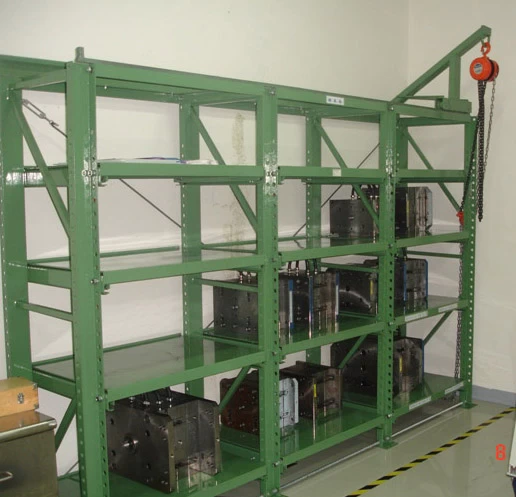
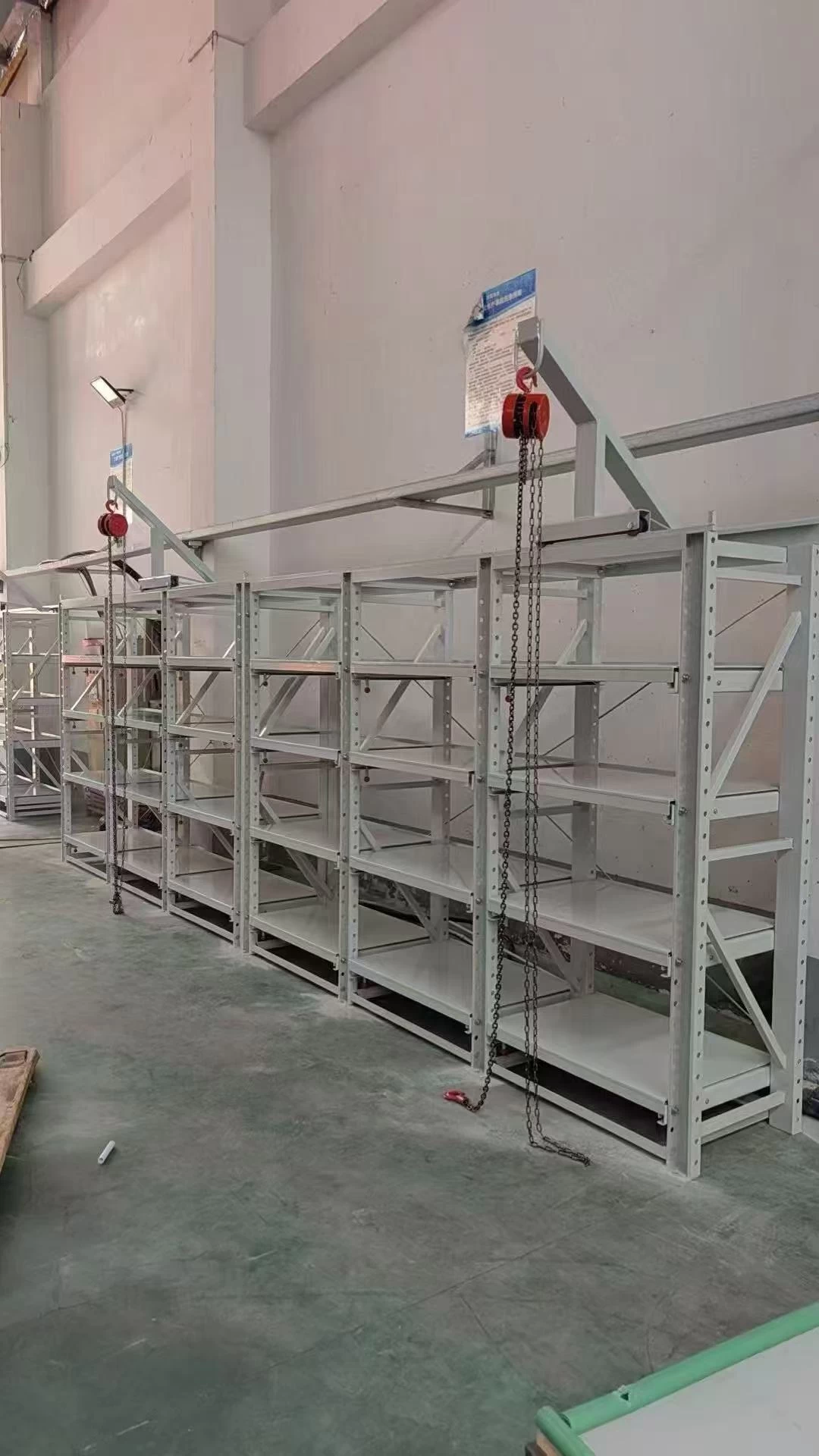
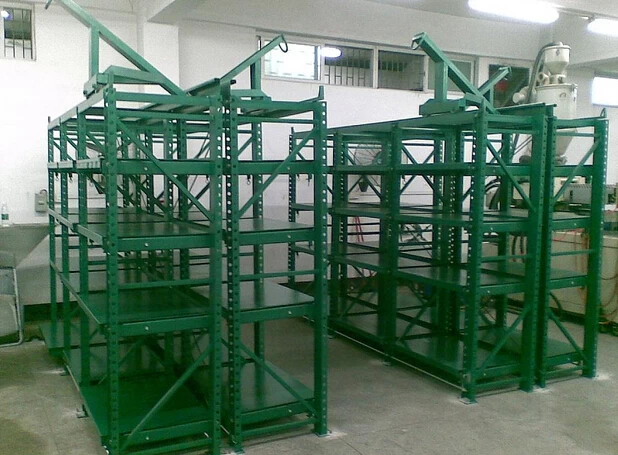
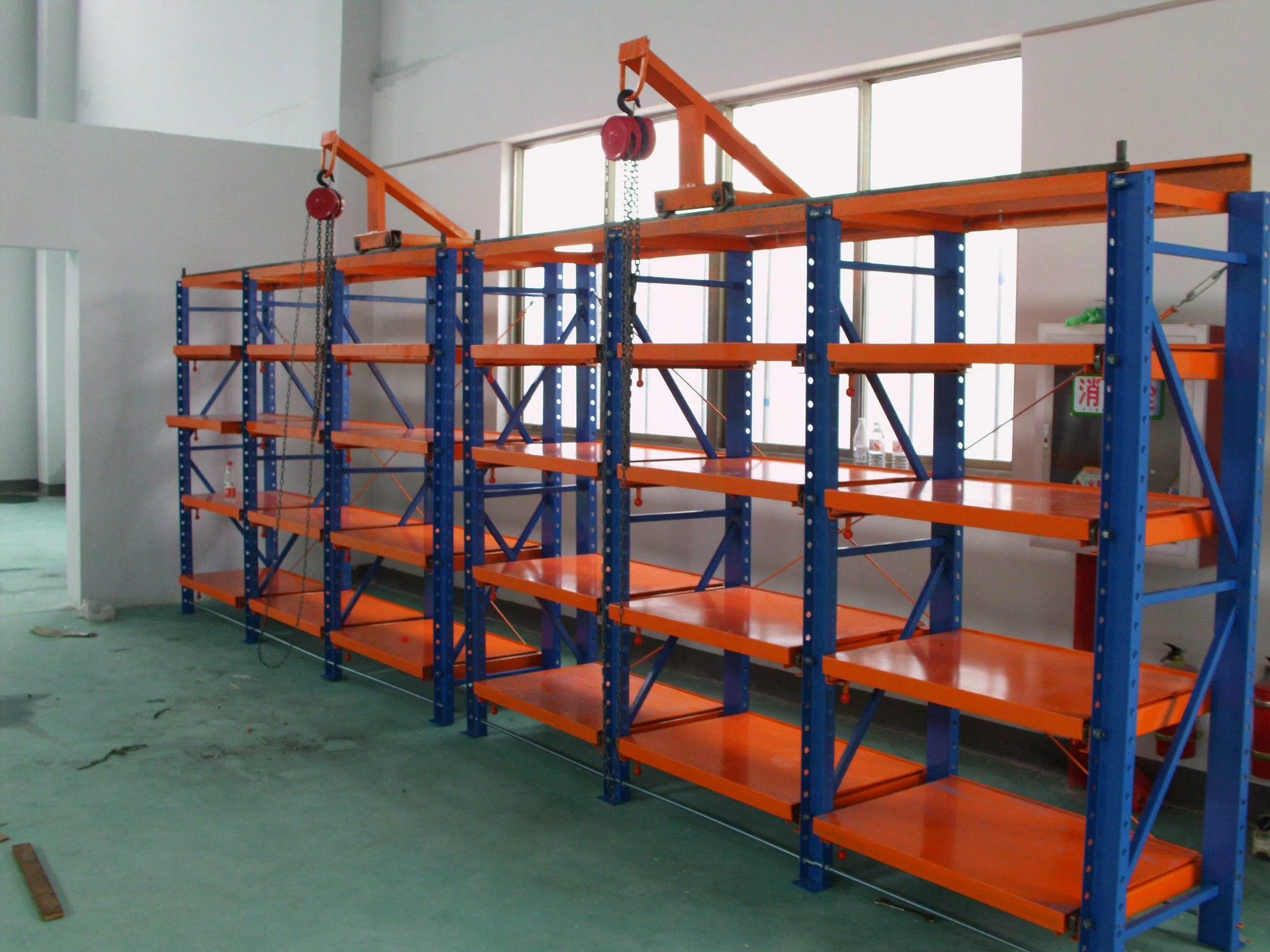
Mold storage racks are indispensable in manufacturing environments, especially in industries such as injection molding, die casting, and other mold-dependent production processes. These specialized racks hold molds securely, ensuring they remain organized, accessible, and protected from damage. Given their critical role, maintaining your mold storage racks is essential not only to preserve their structural integrity but also to optimize operational efficiency and safety.
This article will explore comprehensive maintenance tips designed to extend the life of your mold storage racks. Additionally, we’ll discuss how proper upkeep contributes to workplace safety and reduces long-term costs.
---
## Understanding the Importance of Mold Storage Rack Maintenance
Mold storage racks bear considerable weight, often holding heavy and delicate molds. Over time, exposure to environmental factors such as moisture, dust, and temperature fluctuations can lead to corrosion, warping, or weakening of rack components. Without regular maintenance, these issues may cause catastrophic failures, leading to mold damage, workplace accidents, or expensive replacements.
Maintaining your racks proactively ensures:
- **Structural integrity:** Prevents rust, deformation, and mechanical failures.
- **Operational efficiency:** Keeps molds organized and easily accessible.
- **Safety compliance:** Minimizes hazards for personnel handling heavy molds.
- **Cost savings:** Avoids premature replacements and downtime.
---
## Essential Maintenance Tips for Mold Storage Racks
### 1. Conduct Regular Visual Inspections
Routine inspections are the foundation of effective maintenance. At least once a month, examine your mold storage racks closely for signs of:
- **Rust and Corrosion:** Look for discoloration, flaking paint, or pitting on metal surfaces.
- **Structural Damage:** Check for bent or warped frames, loose bolts, or cracked welds.
- **Load Deformation:** Ensure the shelves and supports are level and free from sagging.
- **Surface Cleanliness:** Identify accumulation of dirt, grease, or debris that could accelerate wear.
Documenting your findings allows you to track deterioration trends over time and plan timely repairs.
### 2. Clean Racks Periodically Using Appropriate Methods
Dirt, dust, and grime buildup not only degrade the rack's appearance but can also contribute to corrosion and mechanical issues. Follow these cleaning guidelines:
- **Dust Removal:** Use compressed air or soft brushes to clear dust from hard-to-reach corners and joints.
- **Surface Cleaning:** Wipe metal surfaces with a damp cloth and mild detergent solution to remove grease or residues. Avoid abrasive cleaners that may scratch protective coatings.
- **Dry Thoroughly:** After cleaning, ensure all parts are completely dry to prevent moisture-induced rust.
Industrial environments may necessitate more frequent cleaning schedules due to airborne contaminants.
### 3. Apply Protective Coatings to Combat Corrosion
Many molds storage racks are constructed from steel, which is susceptible to rust if unprotected. Applying protective coatings will significantly extend their lifespan:
- **Paint Touch-ups:** Regularly inspect painted surfaces and promptly repaint any chipped or scratched areas.
- **Rust Inhibitors:** Use rust-preventive sprays or oils on exposed metal surfaces.
- **Powder Coating:** For new installations or major refurbishments, powder coating offers a durable, corrosion-resistant finish.
Consider environmental factors such as humidity and chemical exposure when selecting coatings.
### 4. Tighten and Replace Hardware as Needed
Bolts, nuts, and screws secure the rack’s structural components. Loose or missing hardware compromises stability:
- **Check Fasteners:** During inspections, use appropriate tools to tighten loose bolts.
- **Replace Damaged Components:** If fasteners are stripped, corroded, or broken, replace them immediately.
- **Use Locking Mechanisms:** Employ lock washers or thread-lock compounds to prevent loosening due to vibrations.
Regular hardware maintenance minimizes the risk of rack collapse.
### 5. Lubricate Moving Parts to Ensure Smooth Operation
Some mold storage racks feature sliding mechanisms, adjustable shelves, or rolling components. To maintain smooth operation:
- **Apply Lubricants:** Use industrial-grade lubricants on hinges, tracks, and wheels.
- **Remove Debris:** Clear away dirt and old grease before applying fresh lubricant.
- **Schedule Lubrication:** Follow manufacturer recommendations for lubrication frequency.
Proper lubrication reduces wear and prevents jamming or sticking during mold retrieval.
### 6. Monitor Load Limits and Distribution
Overloading racks or uneven weight distribution accelerates structural stress and potential failure:
- **Adhere to Weight Ratings:** Always follow manufacturer-specified load limits per shelf and overall.
- **Balance Loads:** Distribute molds evenly to avoid concentrated stress points.
- **Train Personnel:** Educate staff on correct loading procedures and consequences of overloading.
Implementing load management policies preserves rack integrity and enhances safety.
### 7. Control Environmental Conditions
Environmental factors play a significant role in rack longevity:
- **Humidity Control:** Maintain low humidity levels in storage areas to reduce corrosion risk.
- **Temperature Stability:** Avoid extreme temperature fluctuations that could cause material expansion or contraction.
- **Ventilation:** Ensure good airflow to prevent moisture buildup and condensation.
Installing dehumidifiers or climate control systems may be necessary in certain facilities.
### 8. Utilize Proper Rack Accessories
Accessories like rubber mats, protective bumpers, or shelf liners can prevent direct contact damage between molds and rack surfaces:
- **Mold Protection:** Liners cushion molds from scratches or dents.
- **Rack Preservation:** Bumpers absorb impacts from mold handling equipment.
- **Ease of Cleaning:** Mats facilitate easier maintenance by collecting debris.
Selecting compatible accessories enhances both mold and rack lifespan.
### 9. Schedule Professional Inspections and Maintenance
For comprehensive upkeep, enlist professional services periodically:
- **Structural Assessments:** Engineers can perform load testing and detailed evaluations.
- **Repairs and Upgrades:** Skilled technicians can execute welding repairs, component replacements, or retrofits.
- **Compliance Checks:** Professionals ensure racks meet relevant safety standards and regulations.
Incorporating expert inspections complements routine in-house maintenance.
---
## Leveraging Technology for Mold Storage Rack Management
Modern facilities increasingly integrate technology to monitor rack conditions and maintenance needs:
- **Sensors and IoT Devices:** Track load weights, vibrations, and environmental parameters in real-time.
- **Maintenance Software:** Schedule inspections, log repairs, and manage inventory digitally.
- **Data Analytics:** Analyze usage patterns to predict maintenance requirements and optimize rack deployment.
Adopting such innovations can further extend rack life and improve operational efficiency.
---
## Conclusion
Proper maintenance of mold storage racks is a vital investment that safeguards your molds, protects personnel, and supports efficient production operations. By implementing a structured maintenance program — including regular inspections, cleaning, corrosion protection, hardware upkeep, and environmental controls — you can significantly extend the lifespan of your storage racks.
Remember, prevention is far more economical than repair or replacement. Establish clear maintenance protocols, train your team accordingly, and leverage professional expertise when needed. Ultimately, well-maintained mold storage racks contribute to a safer workplace, higher productivity, and substantial cost savings over time.
---
## Additional Resources
- OSHA Guidelines on Storage Rack Safety
- ASTM Standards for Industrial Storage Systems
- Manufacturer Manuals for Mold Storage Rack Maintenance
---
*If you found this article helpful, please share it with your network or subscribe to our blog for more industry insights.*