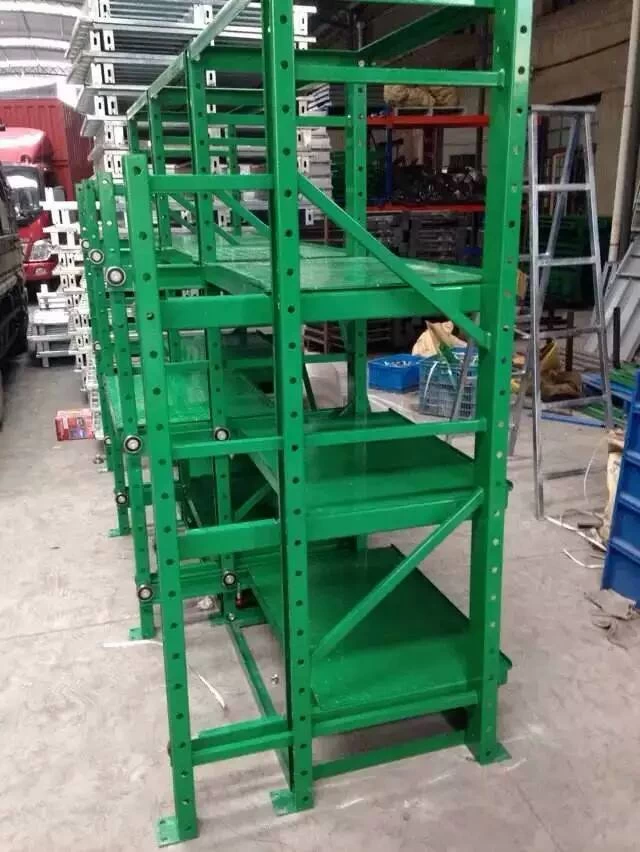
# Materials Matter: Best Construction Materials for Durable Mold Storage Racks
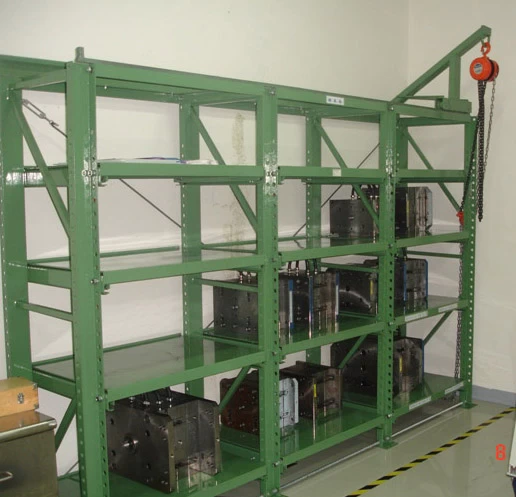
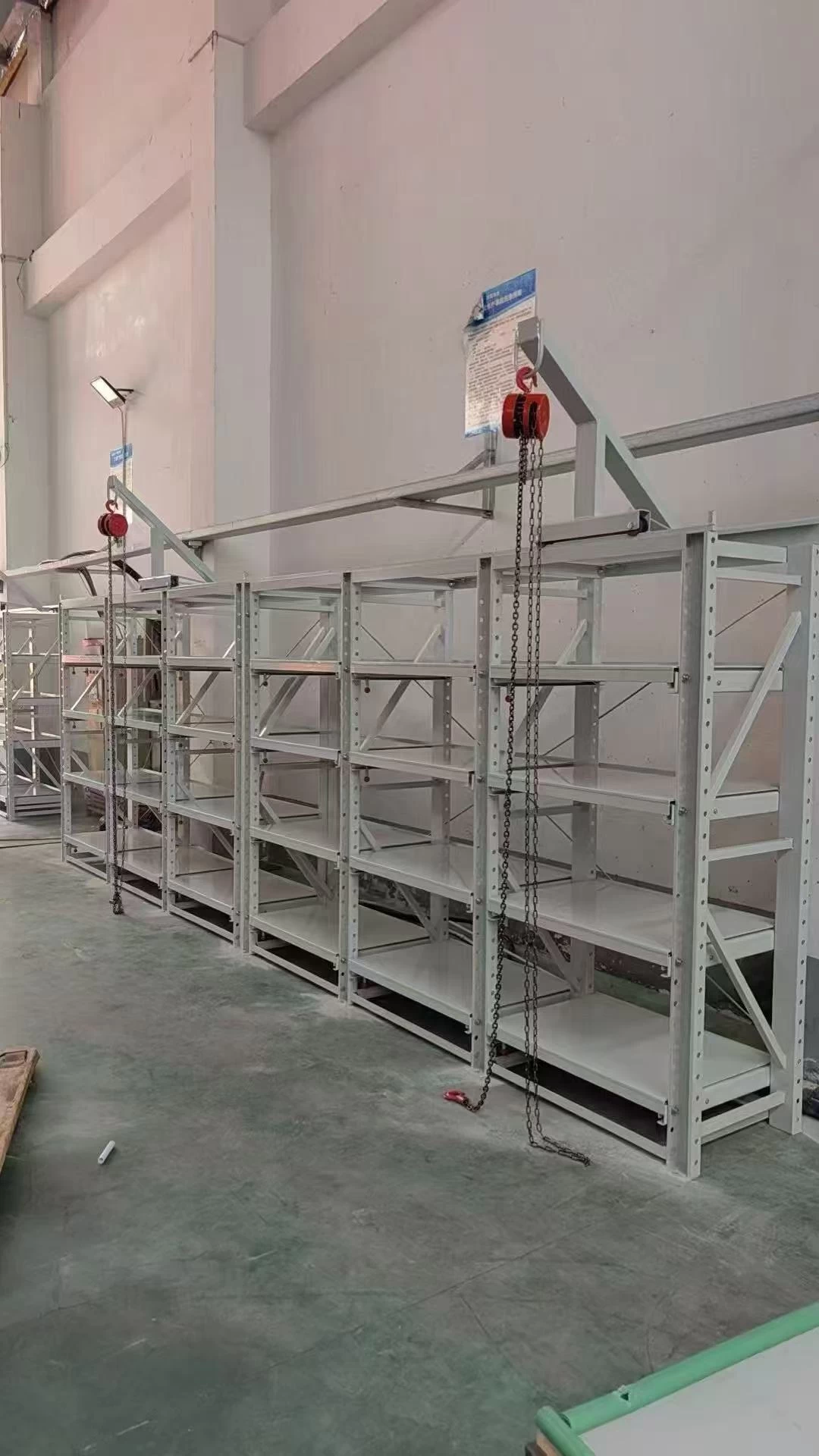
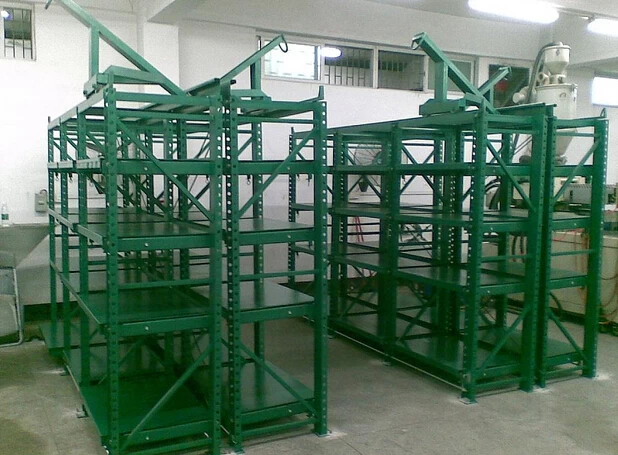
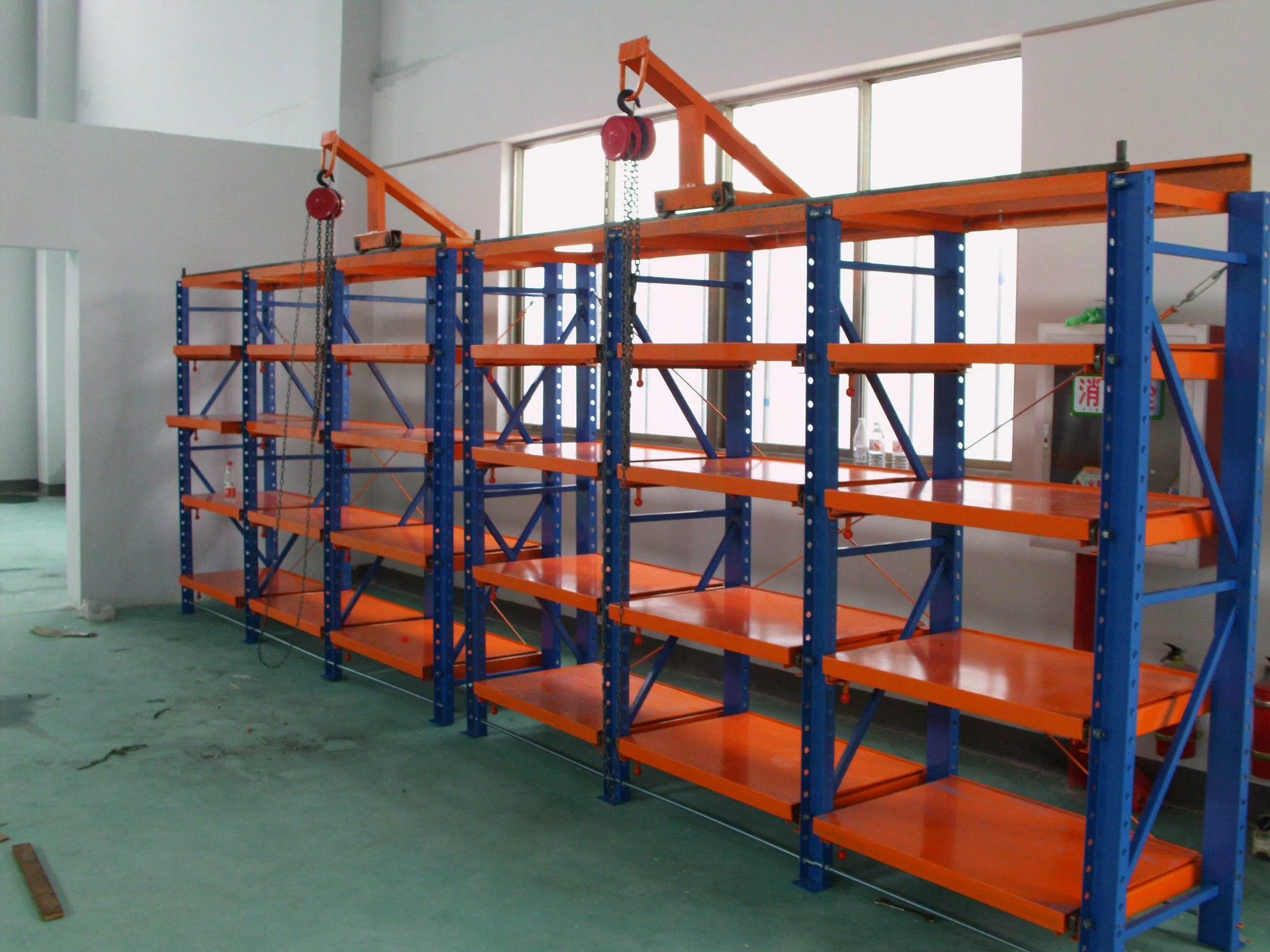
In industrial and manufacturing settings, the proper storage of molds is critical to operational efficiency and product quality. Mold storage racks are essential infrastructure components designed to securely hold molds when they are not in use, protecting them from damage, contamination, and deformation. However, not all storage racks are created equal. The durability, safety, and longevity of these racks largely depend on the materials used in their construction.
This article delves into the best construction materials for durable mold storage racks, evaluating their properties, benefits, and suitability for different industrial environments. Whether you are setting up a new mold storage system or upgrading existing racks, understanding the material science behind these solutions can help you make informed decisions that optimize your workflow and protect your investment.
---
## Understanding the Importance of Mold Storage Racks
Before exploring materials, it’s important to understand why mold storage racks matter. Molds are typically heavy, precision-engineered tools made from metals like steel or aluminum. They require careful handling because even minor damage can lead to defects in the final products.
Mold storage racks serve multiple purposes:
- **Protection:** Prevent physical damage and contamination.
- **Organization:** Facilitate easy identification and retrieval.
- **Space Optimization:** Maximize use of floor space and improve safety.
- **Longevity:** Extend the lifespan of molds by providing stable storage conditions.
To fulfill these roles effectively, the racks must be robust, resistant to environmental factors, and designed to handle significant weight loads.
---
## Key Material Properties for Mold Storage Racks
When selecting materials, several key properties should be considered:
- **Strength and Load Capacity:** Ability to support heavy molds without deformation.
- **Corrosion Resistance:** Resistance to rust and chemical degradation, especially in humid or chemically active environments.
- **Durability:** Longevity under frequent use and exposure to industrial conditions.
- **Ease of Fabrication:** How easily the material can be shaped, welded, or assembled.
- **Maintenance Requirements:** Materials that require minimal upkeep reduce long-term costs.
- **Cost-effectiveness:** Balancing performance with budget constraints.
---
## Top Materials for Durable Mold Storage Racks
### 1. Structural Steel
**Overview:**
Structural steel is the most common material used for heavy-duty storage racks, including mold storage. It offers excellent strength and load-bearing capacity.
**Advantages:**
- **High Strength:** Steel beams and frames can support extremely heavy molds.
- **Versatility:** Easily fabricated into various rack designs.
- **Availability:** Widely available and cost-effective.
- **Weldability:** Can be joined into customized shapes and sizes.
**Considerations:**
- **Corrosion Susceptibility:** Steel is prone to rust if not properly treated.
- **Surface Treatments Needed:** Powder coating, galvanization, or paint can improve corrosion resistance.
- **Weight:** Steel racks can be heavy and may require specialized equipment for installation.
**Typical Applications:**
Factories where molds are stored indoors in controlled environments, or where racks are regularly maintained and coated.
### 2. Stainless Steel
**Overview:**
Stainless steel alloys offer superior corrosion resistance compared to traditional structural steel. Grades such as 304 or 316 stainless steel are commonly used in harsh environments.
**Advantages:**
- **Corrosion Resistance:** Effective against rust and chemical exposure.
- **Aesthetic Appeal:** Clean, professional look.
- **Durability:** Long-lasting with minimal maintenance.
- **Hygienic:** Easy to clean, suitable for food or pharmaceutical industries.
**Considerations:**
- **Higher Cost:** Stainless steel is significantly more expensive than carbon steel.
- **Fabrication Complexity:** Welding and machining stainless steel require specific techniques.
**Typical Applications:**
Environments exposed to moisture, chemicals, or where hygiene is critical.
### 3. Aluminum
**Overview:**
Aluminum is a lightweight metal with good corrosion resistance, making it an attractive option for medium-duty mold storage racks.
**Advantages:**
- **Lightweight:** Easier to move and install.
- **Corrosion Resistant:** Naturally forms an oxide layer that protects against rust.
- **Low Maintenance:** Requires little upkeep.
- **Non-magnetic:** Useful in certain specialized manufacturing settings.
**Considerations:**
- **Lower Strength:** Not suitable for very heavy molds without reinforced design.
- **Cost:** More expensive than carbon steel but less than stainless steel.
- **Surface Damage:** Softer than steel and prone to scratches.
**Typical Applications:**
Light to medium load storage, portable or modular rack systems.
### 4. Composite Materials and Reinforced Polymers
**Overview:**
Advanced composite materials and reinforced polymers are emerging as innovative solutions for lightweight, corrosion-resistant storage racks.
**Advantages:**
- **Corrosion Proof:** Completely resist chemical attack and moisture.
- **Lightweight:** Easy to handle and reconfigure.
- **Customization:** Can be molded into ergonomic shapes.
**Considerations:**
- **Load Bearing Limitations:** Generally lower strength compared to metals.
- **Cost and Availability:** May be more expensive or less readily available.
- **UV Sensitivity:** Some polymers degrade under prolonged UV exposure.
**Typical Applications:**
Cleanrooms, chemical plants, or specialized environments requiring non-metallic solutions.
---
## Additional Material Considerations and Design Factors
### Surface Finishing and Protective Coatings
Regardless of base material, surface treatment plays a vital role in rack durability. Common options include:
- **Powder Coating:** Provides a robust protective layer resistant to chipping and corrosion.
- **Galvanization:** Zinc coating that prevents rust on steel racks.
- **Epoxy Paints:** Chemical-resistant coatings for harsh environments.
- **Anodizing:** Used primarily on aluminum for enhanced corrosion resistance.
### Structural Design and Safety Standards
Material choice must be paired with sound engineering design:
- **Box-sizing and Border-box Principles:** In rack design, understanding how dimensions (width, padding, margin) affect the overall size helps optimize space utilization.
- **Load Distribution:** Uniform distribution prevents point loads that can cause rack failure.
- **Positioning and Anchoring:** Secure attachment to floors or walls enhances stability.
- **Overflow and Margin Allowances:** Ensuring racks are sized with adequate clearance to avoid mold damage or interference.
### Environmental and Operational Factors
- **Temperature Variations:** Some materials expand or contract significantly; this must be accounted for.
- **Chemical Exposure:** Certain coatings or materials are better suited to resist solvents or acids.
- **Humidity:** Corrosion resistance is critical in high humidity.
- **Cleaning Regimens:** Materials should withstand cleaning agents used onsite.
---
## Case Study: Selecting the Ideal Material for a Mold Storage Rack System
A mid-sized automotive manufacturer needed to upgrade its mold storage system. The environment was moderately humid, with occasional exposure to cutting fluids and lubricants. The molds weighed between 500 to 1500 kilograms each, requiring racks to support heavy loads safely.
**Material Evaluation:**
- **Structural Steel:** Strong enough but required extensive corrosion protection.
- **Stainless Steel:** Excellent corrosion resistance but exceeded budget.
- **Aluminum:** Lightweight but insufficient strength for the heaviest molds.
- **Composite:** Not suitable due to load demands.
**Solution:**
The company opted for powder-coated structural steel racks with galvanized components in areas prone to moisture. This hybrid approach balanced strength, durability, and cost. Additionally, rack design incorporated overflow allowances and ergonomic spacing for safe mold handling.
---
## Conclusion
Choosing the right construction material for mold storage racks is a critical decision that impacts operational efficiency, safety, and long-term cost savings. Structural steel remains the industry standard for heavy-duty applications due to its strength and versatility, while stainless steel offers premium corrosion resistance for more demanding environments. Aluminum provides a lightweight alternative for moderate loads, and composites serve niche applications requiring non-metallic solutions.
Beyond the base material, surface treatments, thoughtful design considerations—including box-sizing, margin, padding, and position—and environmental factors play integral roles in ensuring rack durability and functionality. By carefully assessing these variables, manufacturers can invest in mold storage racks that safeguard valuable tooling assets and contribute to streamlined production workflows.
---
## Additional Resources
For more insights on industrial storage solutions and material science, consider exploring resources on:
- Industrial rack design standards
- Corrosion protection techniques
- Material selection for manufacturing equipment
- Ergonomics in factory layout planning
---
**Author Bio:**
[Your Name] is a materials engineer with over 15 years of experience in industrial manufacturing solutions. Specializing in equipment design and durability optimization, [Your Name] helps companies improve operational efficiency through informed material selection and engineering best practices.