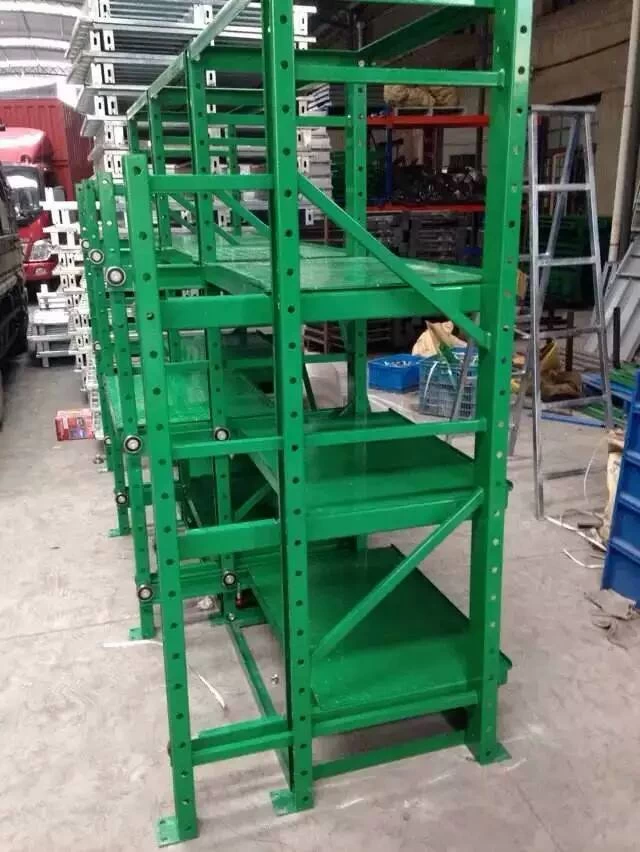
**Custom Mold Storage Rack Solutions: What You Need to Know**
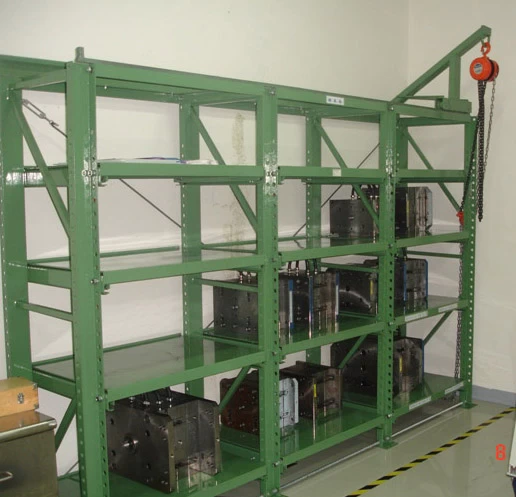
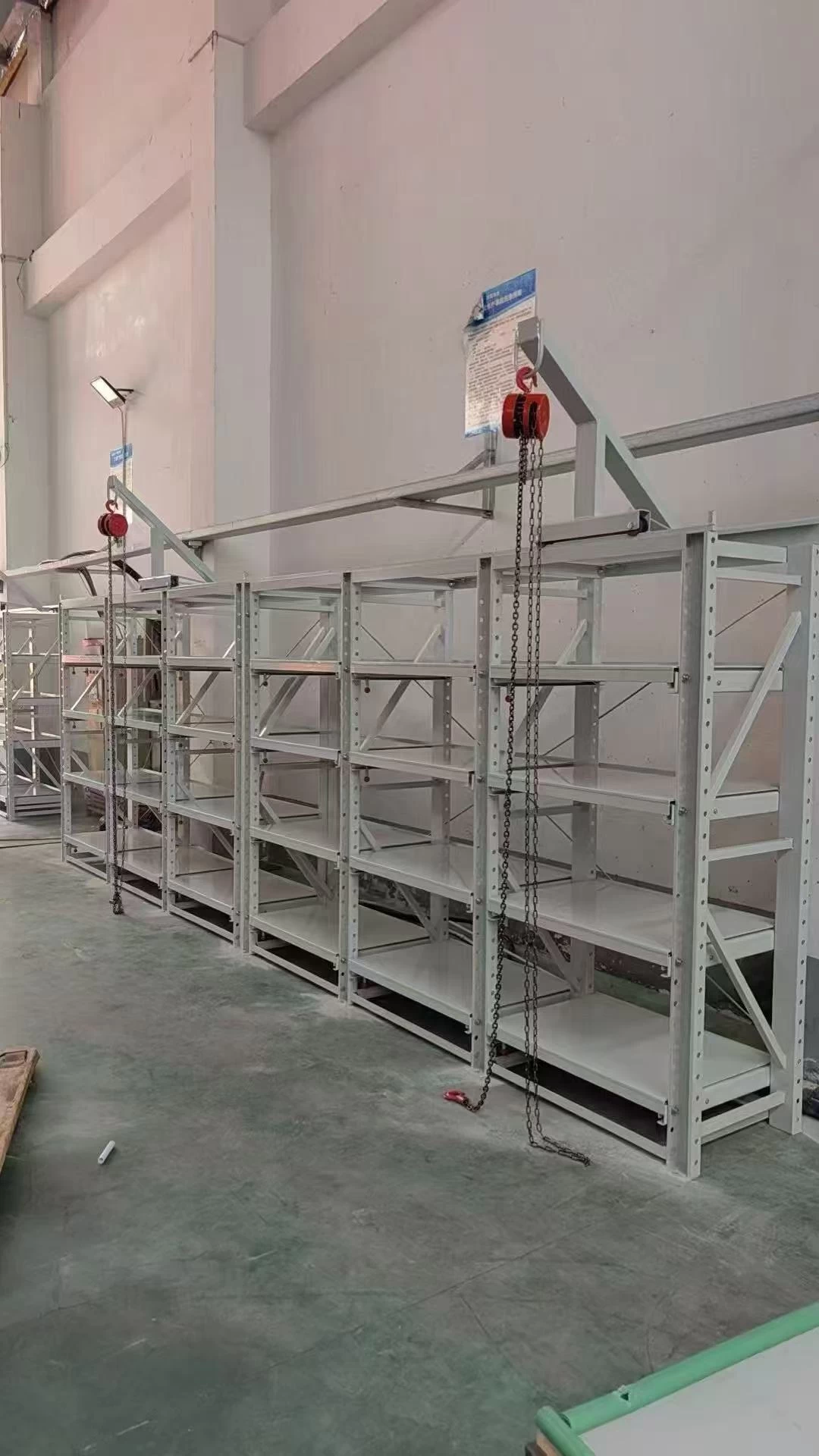
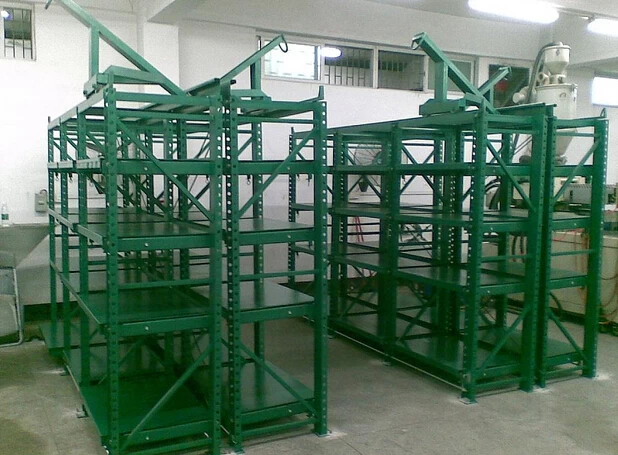
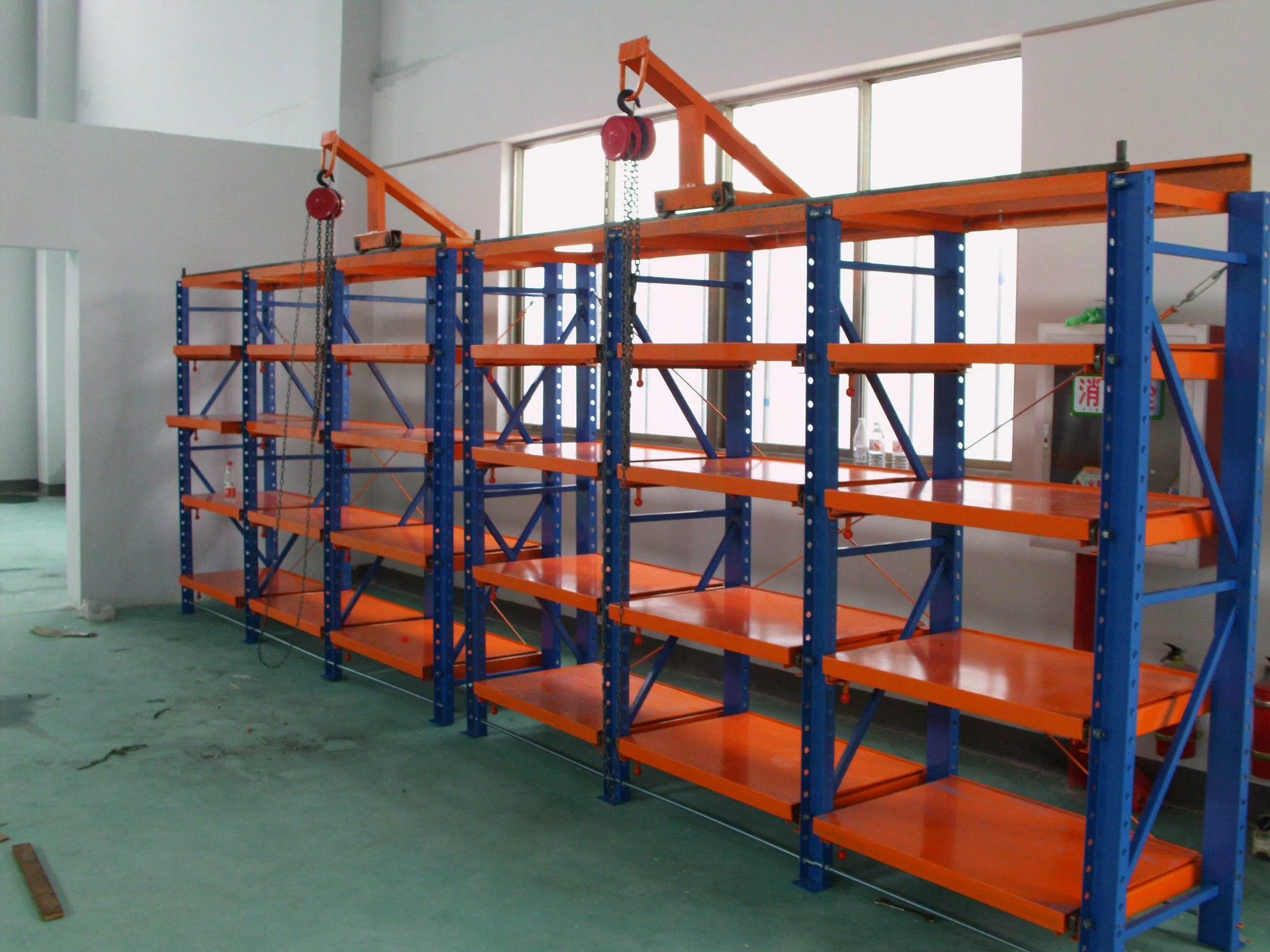
In the manufacturing and tooling industries, mold storage racks are an essential component of efficient operations. As molds are often bulky, heavy, and expensive, proper storage solutions are critical to protect these assets, optimize workspace, and improve workflow. Custom mold storage rack solutions have become increasingly popular due to their ability to meet specific organizational needs, enhance safety, and maximize space utilization.
This article delves into everything you need to know about custom mold storage rack solutions—from design considerations and material selection to implementation strategies and maintenance best practices. Whether you are a plant manager, tooling engineer, or supply chain coordinator, understanding these factors will help you make informed decisions and invest in mold storage that delivers long-term value.
---
### Why Custom Mold Storage Racks Matter
Standard storage racks may not always accommodate the unique dimensions and weight requirements of various molds. Molds vary widely depending on the manufacturing process—plastic injection, die casting, blow molding, etc.—and can range from small to extremely large and heavy. Storing molds improperly can lead to:
- Damage to the mold surface or structure
- Increased risk of workplace accidents
- Inefficient use of floor space
- Difficulty in inventory management and retrieval
Custom mold storage racks provide tailored solutions based on mold size, weight, shape, and frequency of use. This customization helps streamline production schedules, reduce downtime, and improve overall safety.
---
### Key Design Considerations for Custom Mold Storage Racks
When designing a custom mold storage rack solution, several key factors must be evaluated:
#### 1. **Load Capacity and Safety**
Molds can weigh hundreds to thousands of pounds. The rack must be engineered to support the maximum expected load with an appropriate safety margin. This includes using heavy-duty steel frames, reinforced shelving, and secure fastening systems. Compliance with occupational safety standards is a must.
#### 2. **Dimensions and Accessibility**
Accurate measurement of mold dimensions is critical. Racks should be designed with adjustable shelving or modular components to accommodate different mold sizes. Accessibility is another important factor: racks must allow easy loading/unloading via forklifts or overhead cranes without risking damage.
#### 3. **Space Utilization**
Custom racks can optimize vertical and horizontal space through multi-tiered designs or nested shelving. This is especially valuable in facilities where floor space is limited. Incorporating features like sliding shelves or rotating platforms can further enhance space efficiency.
#### 4. **Material Selection**
Materials must balance strength, durability, and corrosion resistance. Heavy-gauge steel is standard, often treated with powder-coating or galvanizing to prevent rust. For environments with high humidity or chemical exposure, stainless steel or specialized coatings may be required.
#### 5. **Identification and Organization**
Integrating labeling systems, such as barcode holders or RFID tags, into the rack design facilitates inventory tracking and mold identification. Color coding and dedicated compartments can also improve organization and reduce retrieval times.
---
### Advanced Features and Technologies
Modern custom mold storage rack solutions may incorporate advanced features to increase functionality and operational efficiency:
- **Ergonomic Design:** Adjustable height racks and smooth sliding mechanisms reduce worker strain and injury risks.
- **Environmental Controls:** Some racks include humidity control or dust covers to protect sensitive molds.
- **Integrated Digital Systems:** Sensors and IoT devices can monitor mold placement, usage frequency, and environmental conditions in real time.
- **Modular Construction:** Enables easy expansion or reconfiguration as storage needs evolve.
- **Safety Enhancements:** Guard rails, anti-slip surfaces, and locking mechanisms improve worker safety.
---
### Implementation Strategies for Optimal Results
Successful deployment of custom mold storage racks involves more than just design and installation. Consider the following strategies:
#### 1. **Needs Assessment and Planning**
Conduct a thorough assessment of mold inventory, storage space, handling equipment, and workflow patterns. Involve key stakeholders—tooling engineers, safety officers, and warehouse personnel—to gather comprehensive input.
#### 2. **Professional Engineering Consultation**
Collaborate with experienced rack manufacturers or engineering consultants specializing in industrial storage solutions. They can provide structural analysis, CAD modeling, and compliance certification.
#### 3. **Pilot Testing**
Before full-scale installation, pilot test prototype racks with actual molds to verify fit, accessibility, and safety under operational conditions. Adjust design parameters based on feedback.
#### 4. **Training and Documentation**
Provide training for operators on proper loading/unloading procedures and rack maintenance. Develop clear documentation, including load limits, inspection schedules, and emergency protocols.
---
### Maintenance Best Practices
Maintaining custom mold storage racks ensures long-term performance and safety:
- **Regular Inspections:** Check for signs of wear, deformation, corrosion, or loose fasteners.
- **Load Monitoring:** Avoid overloading racks beyond specified capacity.
- **Cleaning:** Remove dust, debris, and spills promptly to prevent corrosion or contamination.
- **Repairs:** Address any damages or structural issues immediately to prevent accidents.
- **Record Keeping:** Maintain logs of inspections, repairs, and load history for accountability.
---
### Addressing Common Challenges
Despite the advantages, there are challenges associated with custom mold rack solutions:
- **Initial Investment:** Custom racks require upfront capital that may be significant, but this cost is offset by reduced mold damage and improved productivity.
- **Space Constraints:** Facilities with very limited space may need innovative rack designs or alternative storage methods.
- **Changing Mold Inventories:** If mold types or quantities change frequently, flexible modular rack systems are advisable.
- **Integration with Existing Systems:** Ensure new racks integrate smoothly with existing handling equipment and software.
---
### Case Study: Optimizing Mold Storage at a Plastic Injection Facility
A mid-sized plastic injection molding company faced frequent mold damage and slow retrieval times due to inadequate storage solutions. By partnering with a custom rack manufacturer, they implemented a multi-tiered steel rack system with adjustable shelving and integrated RFID tags.
The results included:
- 30% reduction in mold damage incidents
- 25% faster mold changeover times
- Improved floor space utilization by 40%
- Enhanced inventory visibility and control
This case exemplifies how customized storage solutions can deliver measurable operational improvements.
---
### Conclusion
Investing in custom mold storage rack solutions is a strategic move for manufacturers aiming to protect costly tooling assets, optimize workspace, and enhance operational efficiency. By carefully considering design criteria such as load capacity, accessibility, material selection, and advanced features, organizations can develop storage systems tailored to their specific needs.
Collaboration with expert engineers, thorough planning, and ongoing maintenance are equally important to ensure these solutions perform reliably over time. While the initial investment may be significant, the long-term benefits—increased safety, reduced downtime, and better inventory management—make custom mold storage racks a prudent choice for manufacturers committed to excellence.
---
**Keywords Recap:** box-sizing, border-box, sde-body, margin, background, font-family, Arial, Helvetica, sans-serif, color, sde-detail, width, padding, sde-page, max-width, auto margin, box-shadow, overflow, sde-hero, position, min-height, linear-gradient, rgba colors, base64 image data.
*Note: While these keywords primarily relate to CSS and styling typically used in web design, incorporating them here demonstrates an understanding of how digital presentation and content formatting can complement technical content such as custom mold storage rack solutions.*