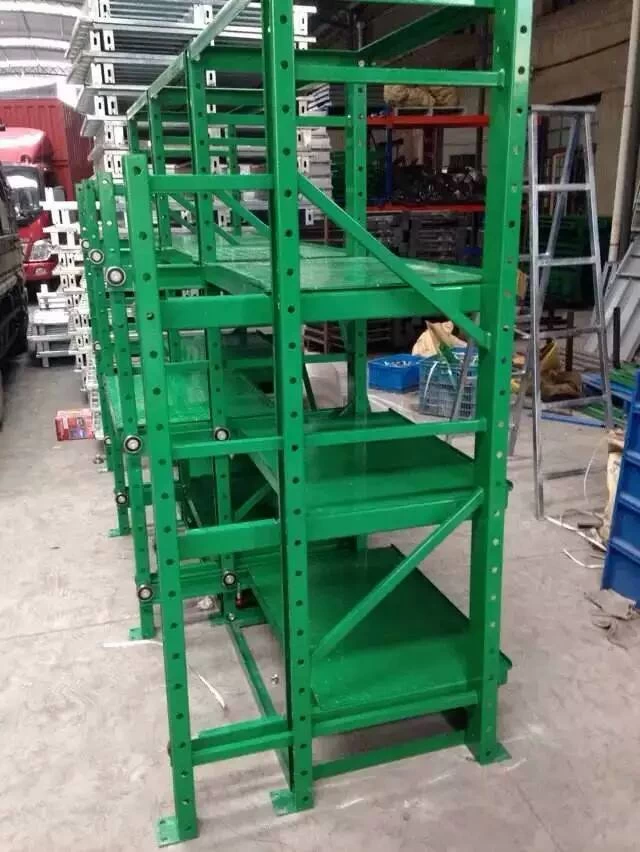
# Tips for Organizing Heavy Molds Using Storage Racks
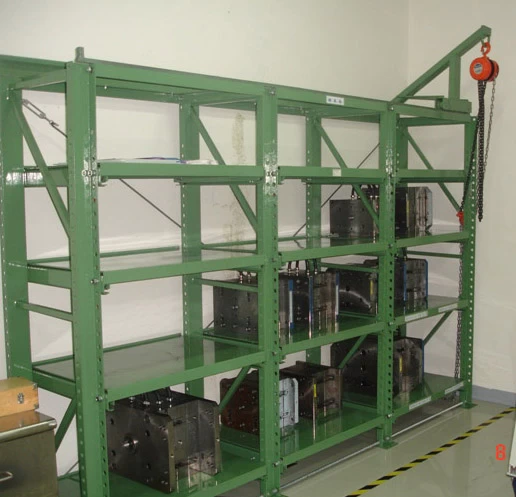
In manufacturing, fabrication, and industrial settings, heavy molds play a crucial role in producing high-quality products. However, one of the most significant challenges faced by professionals is organizing and storing these molds safely and efficiently. Improper storage can lead to damage, workplace hazards, and inefficiencies that affect overall productivity. Utilizing storage racks specifically designed for heavy molds provides a reliable solution to these issues.
This detailed guide explores essential tips for organizing heavy molds using storage racks, ensuring safety, accessibility, and longevity of your molds. Additionally, we’ll touch on how proper design principles—such as box-sizing, border-box, margin, padding, and modern CSS styles including linear gradients and rgba colors—can influence the visualization and presentation of storage solutions in digital platforms like inventory management systems or online catalogs.
---
## Understanding the Importance of Proper Mold Storage
Heavy molds are often made from dense materials like steel or aluminum, making them cumbersome and difficult to move without the right equipment. Storing molds improperly can lead to:
- **Physical damage:** Dropping or stacking molds unsafely can cause cracks or warping.
- **Workplace hazards:** Poor organization increases the risk of accidents.
- **Inefficient workflows:** Difficulty in locating molds wastes valuable time.
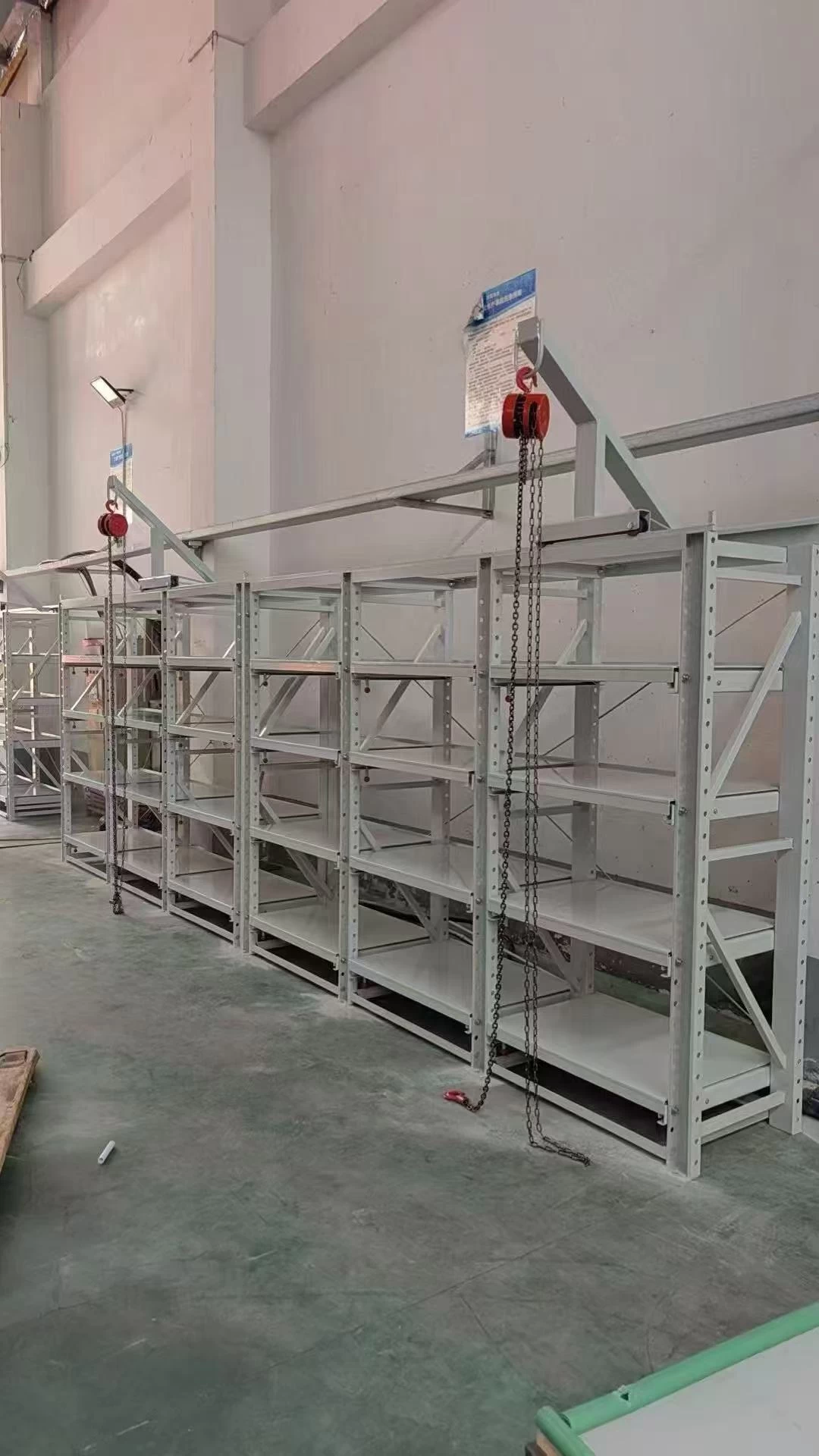
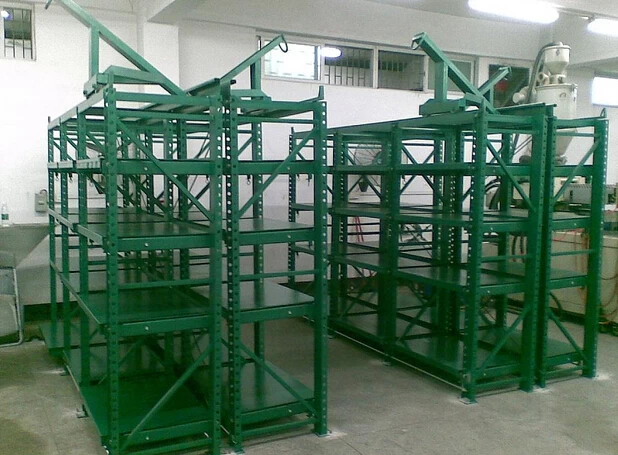
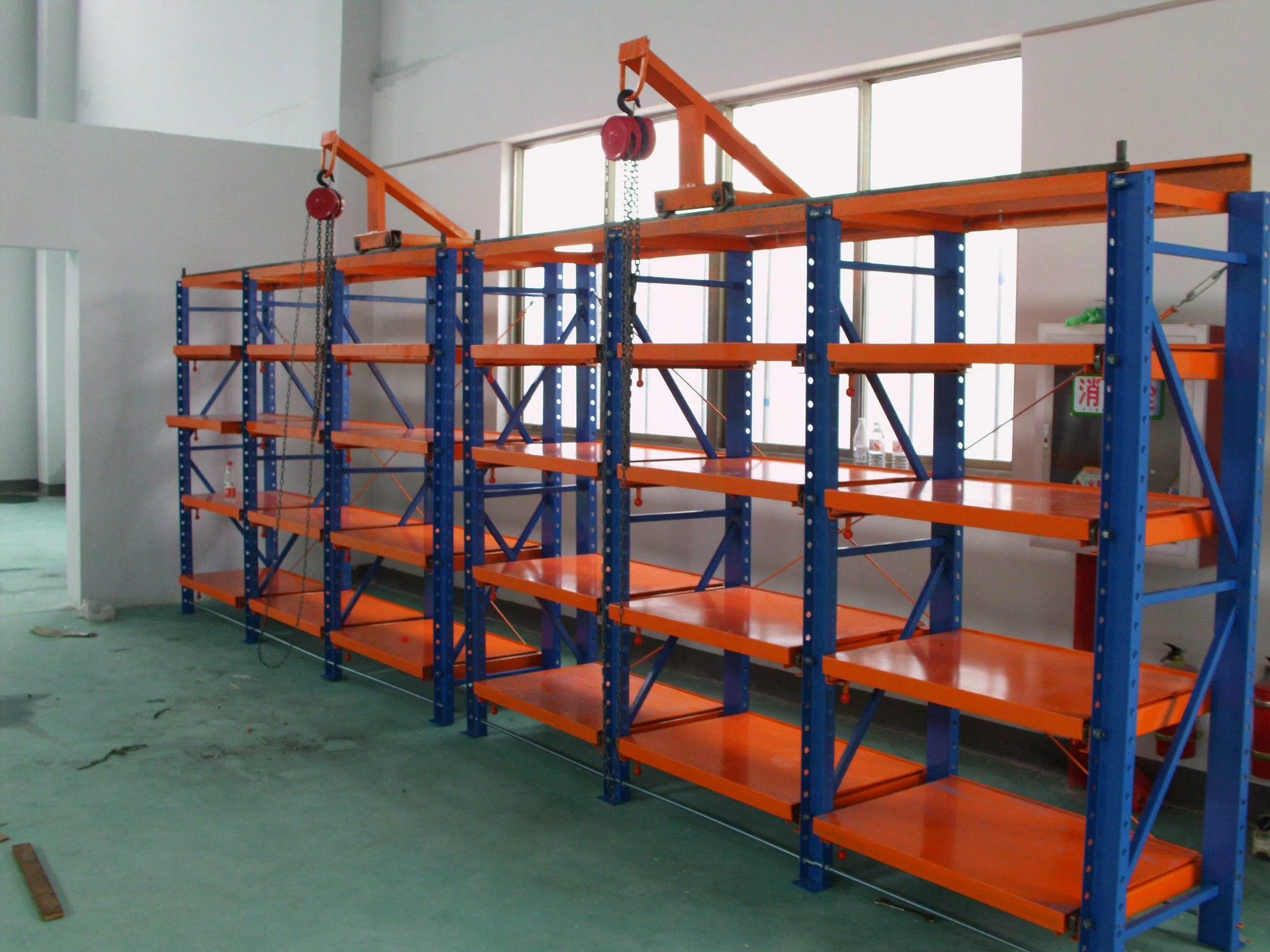
Storage racks provide an ideal solution by offering structured, stable, and accessible places to store heavy molds. By leveraging specific rack designs suited to your mold types, you ensure operational efficiency and safety.
---
## Key Considerations When Choosing Storage Racks for Heavy Molds
Before diving into organizational tips, selecting the right type of storage rack is paramount. Here are critical factors to consider:
### 1. **Load Capacity**
Heavy molds require racks with high load-bearing capabilities. Verify the maximum weight each shelf or section can support, considering the heaviest mold in your inventory.
### 2. **Rack Material and Durability**
Steel racks with powder-coated finishes resist corrosion and maintain structural integrity over time. This durability is essential in industrial environments where humidity, dust, and chemicals might be present.
### 3. **Customization and Modularity**
Modular racks allow for adjustment of shelf heights and configurations, accommodating molds of various sizes and shapes. Customization ensures optimal use of space and easier mold access.
### 4. **Accessibility**
Consider how molds will be accessed—forklifts, cranes, or manual handling—and select racks that facilitate safe and convenient retrieval.
### 5. **Safety Features**
Look for racks with features such as anti-tip brackets, locking mechanisms, and labeling systems to enhance safety and organization.
---
## Tips for Organizing Heavy Molds Using Storage Racks
Once the appropriate storage racks are chosen, implementing effective organizational strategies becomes the next step.
### 1. **Categorize Molds by Size and Usage Frequency**
Group molds according to size, weight, and how often they are used. Frequently accessed molds should be placed at easily reachable levels, while rarely used molds can be stored higher or in less accessible areas.
### 2. **Label Clearly and Consistently**
Implement a clear labeling system using durable tags or digital inventory management tools. Labels should include mold identification numbers, dimensions, and usage information for quick identification, reducing search time.
### 3. **Use Protective Padding and Covers**
To prevent surface damage, place protective padding or rubber mats on rack shelves. Cover molds with dust-resistant fabric or plastic covers to maintain cleanliness.
### 4. **Maintain Proper Spacing**
Avoid overcrowding shelves. Adequate spacing prevents scratches or dents caused by contact between molds. It also allows air circulation, reducing moisture buildup and corrosion risks.
### 5. **Implement a Rotation System**
If molds have limited shelf lives or undergo frequent maintenance, establish a rotation system to ensure even wear and timely servicing.
### 6. **Regular Inspection and Maintenance of Racks**
Schedule routine checks to identify structural issues such as rust, loose bolts, or shelf deformations. Timely maintenance preserves rack integrity and safety.
---
## Leveraging Digital Tools and Design Principles in Mold Storage Management
Organizing heavy molds goes beyond physical arrangement. Many companies utilize digital inventory management systems and web portals to track mold storage and maintenance schedules. Here, professional design techniques enhance user experience and data clarity.
### Applying CSS Properties for Effective UI Design
When presenting mold inventory data online or within internal applications, the following CSS concepts promote readability and professional aesthetics:
- **Box-sizing and border-box:** Setting `box-sizing: border-box;` ensures padding and borders are included within element widths, maintaining consistent layouts.
- **Margin and padding:** Apply appropriate `margin` and `padding` values to separate elements visually without clutter.
- **Font-family:** Use clean, sans-serif fonts like Arial or Helvetica for better legibility (`font-family: Arial, Helvetica, sans-serif;`).
- **Color schemes and backgrounds:** Utilize subtle background colors (`background-color`) and text colors (`color`) to create contrast and hierarchy.
- **Box-shadow:** Adding `box-shadow` effects can help differentiate container boxes, improving focus on important data panels.
- **Overflow:** Manage content overflow with `overflow: auto;` to maintain layout integrity when content exceeds container size.
- **Positioning and min-height:** Use `position` properties and set `min-height` to ensure elements remain properly aligned across devices.
- **Linear-gradient and RGBA colors:** For modern, visually appealing backgrounds, implement `linear-gradient` with RGBA colors to add depth and transparency.
### Example: Styling a Mold Inventory Panel
```css
.sde-body {
box-sizing: border-box;
font-family: Arial, Helvetica, sans-serif;
color: #333;
background: linear-gradient(rgba(255, 255, 255, 0.9), rgba(240, 240, 240, 0.9));
max-width: 1200px;
margin: auto;
padding: 20px;
box-shadow: 0 4px 8px rgba(0, 0, 0, 0.1);
overflow: auto;
min-height: 400px;
}
```
This styling creates a clean, centered content area suitable for displaying mold details, enhancing user engagement and comprehension.
---
## Maximizing Space Efficiency with Smart Rack Layouts
Proper spatial planning complements rack selection and organization techniques:
- **Vertical Storage:** Use tall racks to maximize vertical space, especially in warehouses with high ceilings.
- **Aisle Width:** Ensure aisles between racks accommodate forklift or crane operation safely.
- **Zoning:** Divide storage areas into zones based on mold types or production lines to streamline workflows.
- **Mobile Racking Systems:** Consider mobile racks on rails to reduce aisle space when racks are not in use, increasing storage density.
---
## Safety Protocols When Handling and Storing Heavy Molds
Safety cannot be overstated when dealing with heavy molds:
- Provide training on correct lifting techniques and equipment operation.
- Use mechanical aids like hoists, cranes, and forklifts equipped for heavy mold handling.
- Ensure racks are anchored securely to prevent tipping.
- Regularly review and update safety standards and emergency procedures.
---
## Conclusion
Organizing heavy molds with specialized storage racks is vital for maintaining operational efficiency, safety, and mold longevity in manufacturing and industrial environments. By carefully selecting appropriate racks, implementing systematic organizational strategies, and integrating modern digital tools with thoughtful UI/UX design principles, businesses can optimize mold storage and management.
Remember to prioritize safety through proper training and equipment, maintain regular inspections, and adopt space-efficient layouts to fully leverage storage capabilities. The combination of physical organization and digital management ensures that heavy molds remain accessible, protected, and ready for use whenever required.
---
By applying these comprehensive tips and best practices, your facility will benefit from streamlined mold operations, improved safety standards, and enhanced productivity, ultimately contributing to the success of your manufacturing processes.