# Maximizing Space: Using Light Duty Shelves in the Kitchen
In modern kitchen design, maximizing space without compromising aesthetics or functionality is paramount. Limited square footage, increasing kitchen gadgets, and the need for organized storage have driven homeowners and designers to seek innovative solutions. One such practical and versatile solution is the use of **light duty shelves**. These shelves not only optimize storage but also add an element of style and accessibility to your kitchen.
This article delves into the benefits, practical applications, installation tips, and maintenance of light duty shelves, helping you maximize your kitchen space efficiently.
---
## Understanding Light Duty Shelves
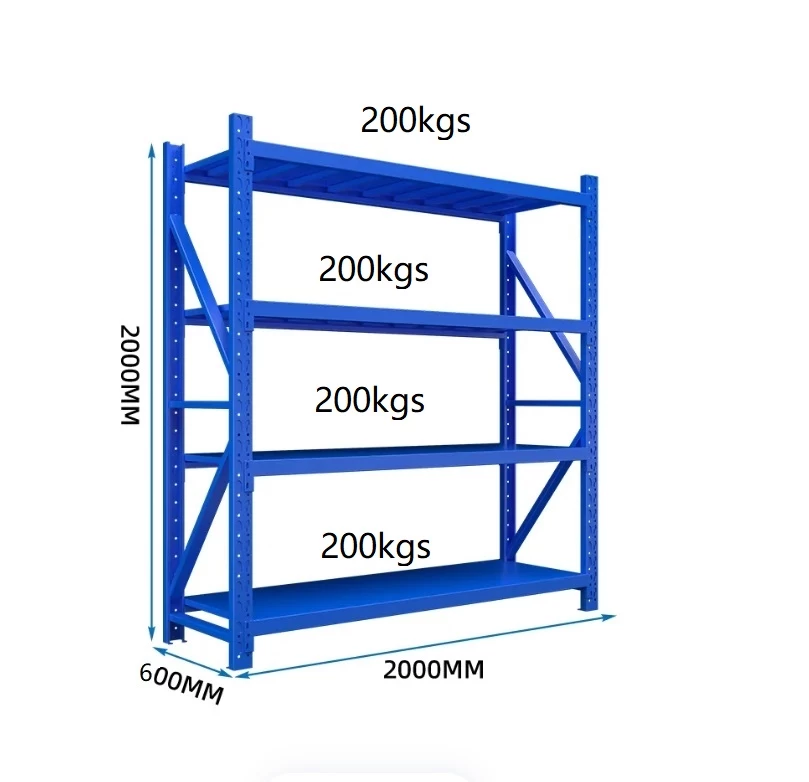
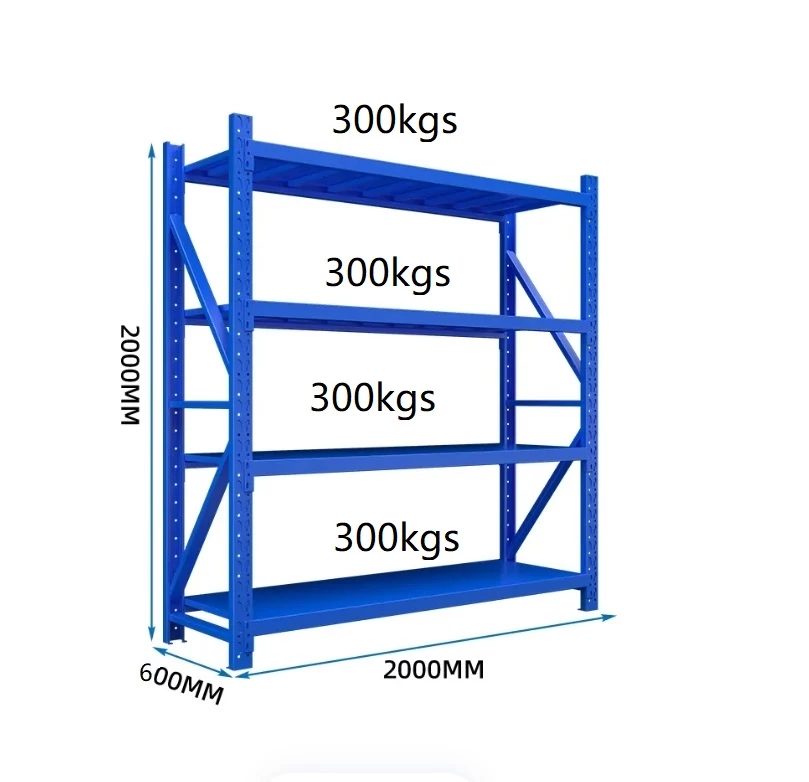
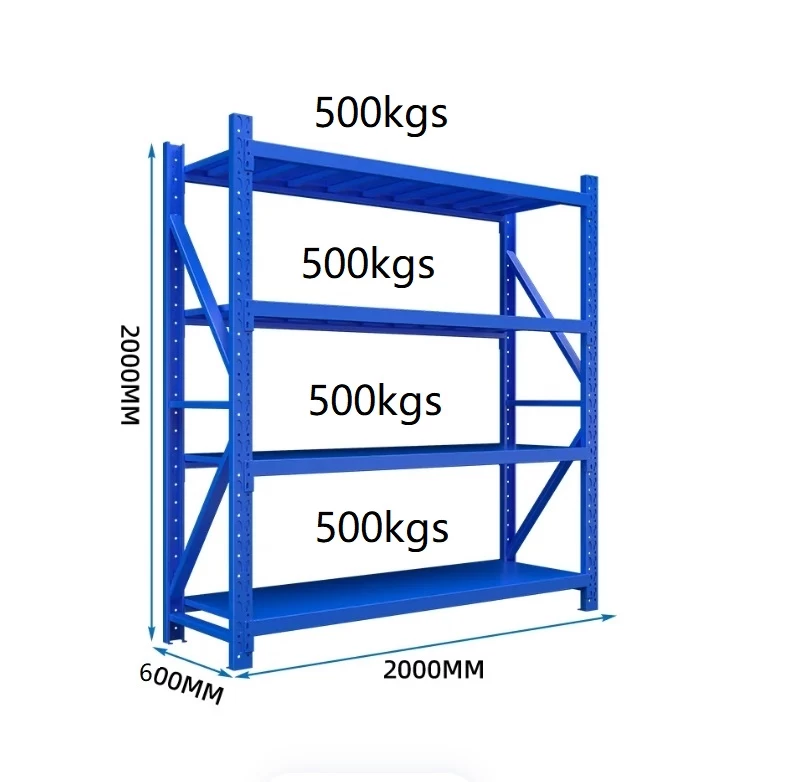
Light duty shelves are shelving units designed to hold relatively lighter weights compared to heavy-duty or industrial shelving. Typically, these shelves support anywhere from 20 to 50 pounds per shelf, making them ideal for storing kitchen essentials such as spices, glassware, small appliances, cookbooks, and decorative items.
### Key Characteristics:
- **Material:** Often made from wood, metal, or plastic composites.
- **Size:** Narrower depth and width suited for kitchen wall spaces.
- **Design:** Minimalistic with open fronts for easy access.
- **Load Capacity:** Supports lightweight to moderate kitchen items.
Their lightweight nature means they are easy to install and reposition, providing flexibility in kitchen organization.
---
## The Importance of Maximizing Kitchen Space
Kitchens—whether in urban apartments or suburban homes—are often constrained by limited space. Efficient use of the available area is essential for:
- **Functionality:** Keeping frequently used items within reach.
- **Aesthetics:** Avoiding cluttered countertops and cabinets.
- **Safety:** Minimizing overcrowding that can lead to accidents.
- **Cleanliness:** Simplifying cleaning by reducing clutter.
Using light duty shelves strategically can help in achieving all these goals.
---
## Practical Applications of Light Duty Shelves in the Kitchen
### 1. **Open Storage for Everyday Items**
Light duty shelves mounted above countertops or near cooking zones are perfect for storing everyday items like spice jars, oils, and frequently used utensils. Their open design allows for quick identification and access, speeding up cooking processes.
### 2. **Display and Storage Combo**
These shelves can double as a display area for attractive dishware, plants, or cookbooks, adding personality and warmth to the kitchen. A white background (#fff) on the wall behind the shelves enhances visibility and creates a clean, modern look.
### 3. **Utilize Vertical Wall Space**
Many kitchens underutilize vertical wall space. Installing multiple tiers of light duty shelving can transform unused wall areas into valuable storage zones without encroaching on floor space.
### 4. **Inside Cabinet Doors**
Installing small light duty shelves on the inside of cabinet doors can provide additional storage for small items such as seasoning packets, measuring spoons, or cleaning supplies.
### 5. **Pantry Organization**
In pantries, light duty shelves can help segregate smaller items, keeping everything visible and accessible. This prevents overstocking and reduces food waste.
---
## Design Considerations
When integrating light duty shelves into your kitchen, consider the following design elements:
### Box-Sizing and Border-Box
The **box-sizing** CSS property is analogous to how the physical dimensions of the shelf are calculated. In web development, `box-sizing: border-box;` ensures padding and borders are included within the total width and height of an element. Similarly, when selecting shelves, consider both the external and internal dimensions to ensure they fit perfectly within the designated space without protruding or leaving gaps.
### Margin and Padding
Like margins and padding in CSS define spacing around and inside elements, physical space around shelves needs to be accounted for. Leave enough margin between shelves and adjacent walls or cabinetry to allow easy access and cleaning. Padding analogs include shelf lip heights or guardrails to prevent items from slipping off.
### Background and Color Palette
Choosing shelf colors that complement or contrast your kitchen's **background** can enhance visual appeal. For example, white shelves on a sde-body with a neutral grey or beige background create an airy feel. Alternatively, dark metal shelves can stand out against light backgrounds.
### Font-Family Analogies
Just as **font-family** (e.g., Arial, Helvetica, sans-serif) affects readability and tone in web content, the material and finish of shelves influence your kitchen’s ambiance. Sleek metal shelves evoke modernity, while wooden shelves suggest warmth and rustic charm.
### Width and Max-Width
Shelves should be wide enough to hold your items but not so wide as to overwhelm the space or sag under weight. Here, `width` and `max-width` concepts apply. For instance, maintaining a shelf width of 24 inches or less is standard in kitchens to ensure stability and accessibility.
### Box Shadow and Overflow Hidden
Although these terms relate to webpage styling, they metaphorically translate to how shelves can cast shadows or hide clutter. Adding lighting beneath shelves can minimize shadows and improve visibility. Using baskets or containers on shelves can manage overflow and maintain tidiness.
---
## Installation Tips for Light Duty Shelves
### Assess Your Wall Material
Before installation, identify your wall type—drywall, brick, tile, or concrete—as this determines the suitable anchors and screws. Drywall anchors are typical for lighter loads, while masonry screws are necessary for brick or concrete.
### Use Stud Finders
For heavier items, mount shelves on studs to ensure stability. Stud finders help locate wooden studs behind drywall, providing secure attachment points.
### Level and Measure Accurately
Use a spirit level to ensure shelves are perfectly horizontal, preventing items from sliding off. Measure spacing carefully, especially when installing multiple shelves vertically.
### Consider Positioning Relative to Work Zones
Position shelves within easy reach of primary kitchen zones—cooking, prep, and cleaning—to maximize efficiency.
### Professional Installation
If unsure about mounting or if walls are uneven or fragile, consult professionals to avoid damage or unsafe installations.
---
## Maintenance and Upkeep
### Regular Cleaning
Dust and grease can accumulate on open shelves. Clean shelves regularly with appropriate cleaners depending on material—mild soap and water for wood, or multipurpose cleaners for metal.
### Avoid Overloading
Adhere to manufacturer weight limits to prevent sagging or detachment. Reassess stored items periodically and redistribute if necessary.
### Touch-Up Finishes
Wood shelves may require periodic varnishing or painting touch-ups to maintain appearance and durability.
---
## Conclusion
Light duty shelves present a smart, stylish, and efficient solution for maximizing kitchen space. By incorporating them thoughtfully, homeowners can declutter countertops, improve accessibility, and introduce personalized design elements. Attention to key details—such as sizing, positioning, and materials—ensures that these shelves serve both functional and aesthetic purposes.
Embrace the versatility of light duty shelves to transform your kitchen into a well-organized, inviting, and space-efficient environment.
---
## Additional Resources
- [How to Choose the Right Kitchen Shelving](#)
- [Top 10 Kitchen Organization Hacks](#)
- [DIY Guide to Installing Kitchen Shelves](#)
---
*Keywords: box-sizing, border-box, sde-body, margin, background, font-family, Arial, Helvetica, sans-serif, color, sde-detail, width, padding, sde-page, max-width, auto margin, white background (#fff), box-shadow, overflow hidden, sde-hero, position relative, min-height 650px, linear-gradient background, rgba colors (4, 105, .92), (1*