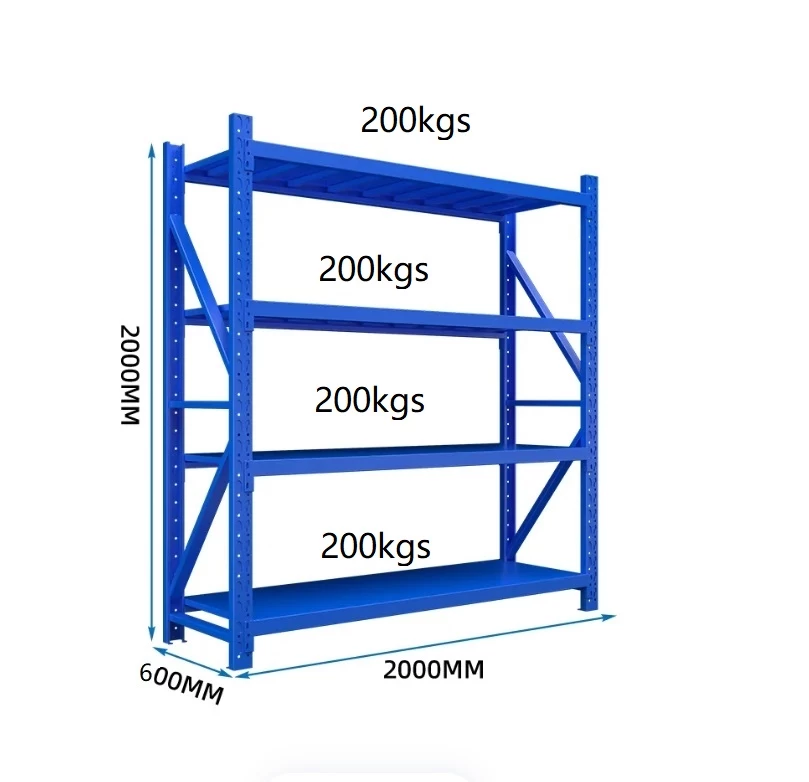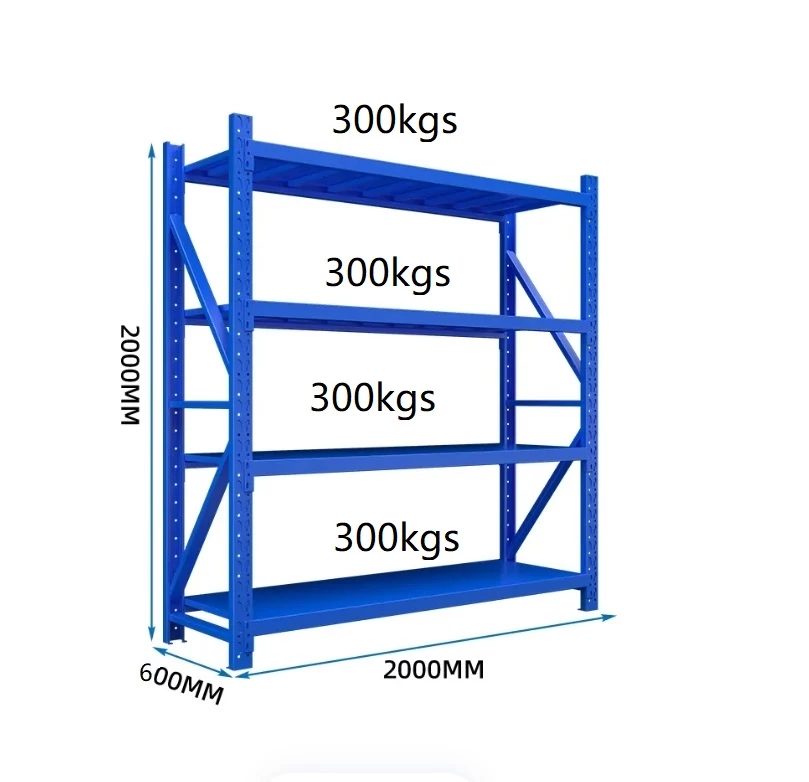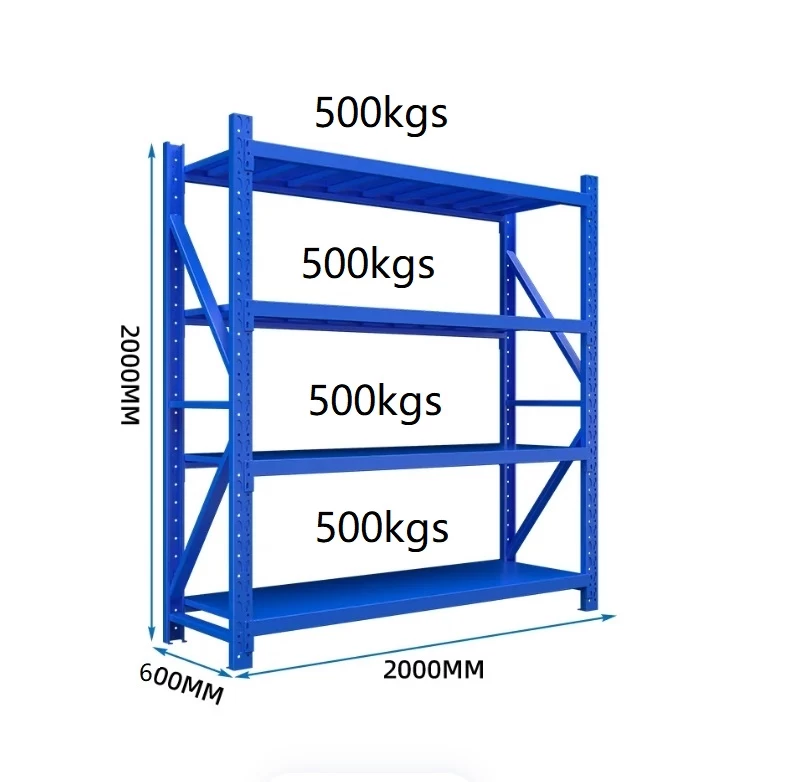
**Best Materials for Light Duty Shelves: Pros and Cons**
When it comes to organizing your space, whether at home, in the office, or a light commercial setting, selecting the right materials for your shelves is crucial. Light duty shelves are typically used to hold items that do not exceed moderate weight limits, such as books, decorative objects, small tools, or lightweight storage boxes. Choosing the best material ensures durability, aesthetic appeal, and functionality while fitting your budget.
In this article, we delve into the most popular materials for light duty shelving, discussing their advantages and disadvantages to help you make an informed decision.
---
### Understanding Light Duty Shelving
Before diving into materials, it's important to understand what exactly defines "light duty." Generally, light duty shelves support loads ranging from 20 to 100 pounds per shelf. These shelves don’t require heavy reinforcement, but they should be sturdy enough to avoid sagging or damage over time.
Light duty shelving is common in homes, classrooms, retail displays, and offices. Because these environments often demand a balance of style and strength, material choice becomes a key factor.
---
### 1. **Wood**
Wood has long been a favorite for shelving due to its natural look and versatility. It comes in various forms including solid wood planks, plywood, MDF (medium-density fiberboard), and particleboard.
#### Pros:
- **Aesthetic Appeal:** Wood offers a warm, classic appearance that can complement almost any décor. Natural grains and finishes add character.
- **Customization:** Easy to cut, paint, or stain to your desired finish and size.
- **Strength:** Solid hardwoods like oak, maple, or cherry provide excellent strength for light to medium duty shelving.
- **Availability:** Widely available in different grades and types at hardware stores.
#### Cons:
- **Cost:** Solid hardwoods tend to be more expensive than other materials.
- **Weight:** Wood, especially hardwood, can be heavy, making installation more challenging.
- **Maintenance:** Wood can warp or swell if exposed to moisture. Requires finishing to protect against humidity.
- **Susceptibility to Damage:** Prone to scratches, dents, and stains without proper treatment.
---
### 2. **Metal**
Metal shelving, often made from steel or aluminum, is another popular option for light duty shelves, particularly in modern or industrial-style interiors.
#### Pros:
- **Durability:** Metal shelves resist warping, cracking, and are generally very durable.
- **Weight Capacity:** Even light gauge metals can support substantial weight relative to their size.
- **Low Maintenance:** Resistant to moisture and pests; easy to clean.
- **Sleek Appearance:** Often features clean lines and a contemporary look.
#### Cons:
- **Cost:** Quality metal shelving can be costly compared to basic wood or plastic options.
- **Weight:** Metal shelves may be heavy depending on thickness.
- **Cold Aesthetic:** May appear sterile or cold in residential settings.
- **Corrosion:** Steel must be powder-coated or galvanized to prevent rusting, especially in humid environments.
---
### 3. **Plastic**
Plastic shelves are a cost-effective and lightweight alternative, suitable for areas where moisture resistance is important.
#### Pros:
- **Water Resistance:** Ideal for bathrooms, garages, or basements where humidity could damage wood.
- **Lightweight:** Easy to handle and install.
- **Affordability:** Generally among the least expensive shelving materials.
- **Variety:** Available in multiple colors and finishes.
#### Cons:
- **Lower Strength:** Plastic shelves usually have lower weight capacities than wood or metal.
- **Durability:** Can crack or warp under heavy load or over time.
- **Aesthetic Limitations:** Often lacks the premium look of wood or metal.
- **Environmental Impact:** Typically less eco-friendly unless recycled materials are used.
---
### 4. **Glass**
Glass shelves are a stylish choice for displaying collectibles, bathroom accessories, or lightweight décor. Tempered glass is recommended for safety and durability.
#### Pros:
- **Modern Look:** Offers a sleek, transparent aesthetic that can make spaces feel more open.
- **Easy to Clean:** Smooth surface that doesn’t absorb stains or odors.
- **Non-reactive:** Immune to moisture and chemical damage.
#### Cons:
- **Fragility:** Glass can break or chip if overloaded or mishandled.
- **Weight Limitations:** Best suited only for very light loads.
- **Installation Complexity:** Requires secure mounting and sometimes specialized brackets.
- **Cost:** Tempered glass can be expensive and requires careful handling.
---
### 5. **Composite Materials**
Composite boards such as MDF or particleboard coated with laminate or veneer are common in ready-to-assemble furniture.
#### Pros:
- **Cost-Effective:** Cheaper than solid wood but offers a similar look when laminated.
- **Smooth Finish:** Laminate coatings provide a clean, uniform surface.
- **Lightweight:** Easier to handle than solid wood.
- **Versatile:** Available in many colors and patterns.
#### Cons:
- **Less Durable:** Susceptible to water damage and swelling.
- **Lower Load Capacity:** Can sag if overloaded.
- **Repair Issues:** Hard to refinish or repair if damaged.
- **Off-gassing:** Some composites emit formaldehyde or other VOCs.
---
### Material Comparison Table
| Material | Strength | Weight | Cost | Aesthetic | Moisture Resistance | Maintenance |
|-----------------|--------------|--------------|--------------|----------------|---------------------|----------------|
| Solid Wood | High | Heavy | High | Warm, Classic | Low (needs sealing) | Moderate |
| Metal | Very High | Moderate/Heavy | Moderate-High | Industrial | High | Low |
| Plastic | Low-Moderate | Light | Low | Basic | Very High | Low |
| Glass | Low | Moderate | High | Modern, Sleek | Very High | Low |
| Composite | Moderate | Light | Low-Moderate | Variable | Low | Moderate |
---
### Selecting the Right Material for Your Needs
Choosing the best material depends heavily on your specific requirements:
- **Load Requirements:** If you need to store heavier objects, metal or solid wood is preferable.
- **Environment:** For humid or wet locations, plastic or glass are better choices.
- **Aesthetic Preferences:** Wood and glass tend to offer more visually appealing options.
- **Budget:** Plastic and composite materials suit tighter budgets.
- **Ease of Installation:** Lightweight materials like plastic or composites are easier to mount.
---
### Tips for Maintaining Light Duty Shelves
Regardless of the material you select, proper maintenance will extend the life and appearance of your shelves:
- **Avoid Overloading:** Stay within the recommended weight limits to prevent sagging or damage.
- **Use Proper Mounting Hardware:** Ensure shelves are securely anchored to walls or frames.
- **Clean Regularly:** Dust and wipe down surfaces to keep them looking new.
- **Protect From Moisture:** Use sealants or coatings on wood; avoid placing wooden shelves in damp areas.
- **Inspect Periodically:** Check for signs of wear, warping, or corrosion, and address issues promptly.
---
### Conclusion
Selecting the best material for light duty shelves involves balancing strength, aesthetics, cost, and environmental factors. Solid wood remains a timeless choice for those wanting durability and beauty, while metal offers unmatched strength and longevity. Plastic and composite materials provide budget-friendly and moisture-resistant solutions, and glass adds a touch of modern elegance for lightweight display needs.
By understanding the pros and cons of each material, you can make an informed decision that suits both your functional requirements and design preferences. Whether organizing your home office or enhancing your retail display, the right shelving material will keep your space neat, accessible, and stylish for years to come.
---
**Keywords:** box-sizing, border-box, sde-body, margin, background, font-family, Arial, Helvetica, sans-serif, color, sde-detail, width, padding, sde-page, max-width, auto margin, white background (#fff), box-shadow, overflow hidden, sde-hero, position relative, min-height 650px, linear-gradient background, rgba colors