# Exploring Medium Duty Shelves: Versatile Storage Solutions for Every Space
In today’s fast-paced world, efficient storage solutions play an essential role in organizing homes, offices, warehouses, and retail spaces. Among the many types of shelving available, medium duty shelves strike a perfect balance between strength, versatility, and cost-effectiveness. Whether you are a small business owner looking to optimize your stockroom or a homeowner seeking a reliable way to declutter, medium duty shelving can offer the ideal solution.
This comprehensive article delves into the features, applications, materials, and design considerations surrounding medium duty shelves. Additionally, we will explore how modern web design principles—such as box-sizing, border-box, and responsive layouts—can be metaphorically applied when choosing and setting up shelving systems in physical spaces.
---
## What Are Medium Duty Shelves?
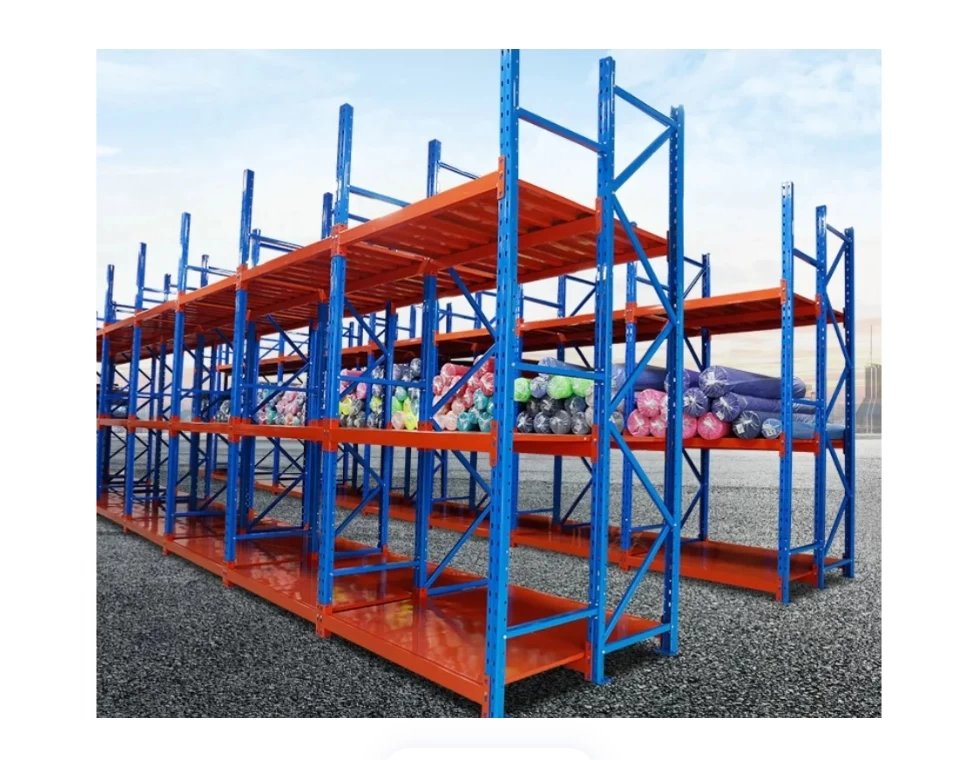
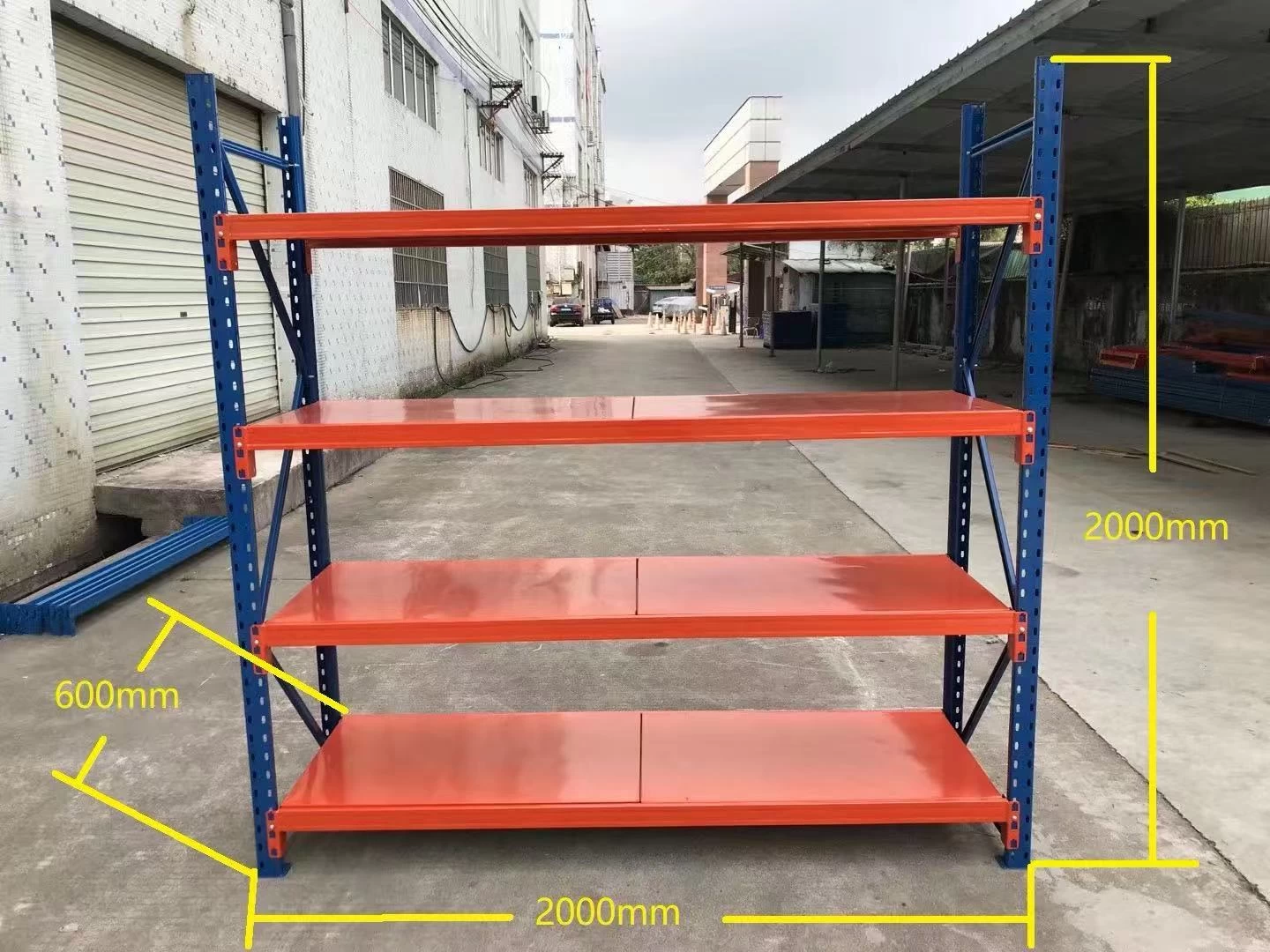
Medium duty shelves refer to storage units designed to hold moderate weights, typically ranging between 150 to 800 pounds per shelf. They stand between light-duty shelves (for lightweight items such as paper files or small tools) and heavy-duty shelving (which supports several thousand pounds, often used in industrial warehouses).
The key characteristics of medium duty shelves include:
- **Load Capacity:** Designed to bear substantial weight without bending or warping.
- **Durability:** Constructed from robust materials like steel or reinforced wood.
- **Flexibility:** Adjustable shelves and modular designs to accommodate different sized objects.
- **Cost Efficiency:** More affordable than heavy-duty shelving, yet stronger than light-duty options.
Medium duty shelves offer an excellent balance, making them suitable for a myriad of environments—from retail backrooms and garages to libraries and laboratories.
---
## Common Materials and Finishes
The choice of material directly impacts the shelf’s durability, aesthetics, and maintenance needs.
### Steel Shelving
Steel is by far the most popular medium duty shelf material due to its strength and longevity. It can withstand heavy loads without deforming and resists environmental wear such as moisture and temperature fluctuations when appropriately treated.
- **Finish:** Powder coating or epoxy paint is commonly applied to prevent rust and provide an attractive appearance. Colors typically range from white (#fff) to neutral grays and blues, complementing various settings.
- **Design Feature:** Box-shadow-like effects, akin to web design, can be metaphorically compared to the subtle texture and finish on steel shelves that add visual depth.
### Wood and Composite Boards
Wooden shelves, often made of plywood or MDF with laminate finishes, offer a warmer aesthetic, ideal for office or residential use. These shelves usually carry lighter loads but can be reinforced for medium duty applications.
- **Surface:** Smooth finishes with linear-gradient effects (in terms of shading and coloration) can enhance the look and feel of wooden shelving units.
- **Maintenance:** Requires careful attention to avoid water damage and warping.
### Wire Shelving
Wire racks provide excellent ventilation and prevent dust buildup, making them ideal for storing electronics, food products, or medical supplies.
- **Advantages:** Lightweight, easy to clean, and adjustable.
- **Drawbacks:** Less surface area for small items and may require additional liners.
---
## Key Design Considerations
When selecting or designing medium duty shelves, several factors should be taken into account to ensure optimal performance and usability.
### Dimensions and Weight Capacity
Understanding the size and weight of the items you plan to store is crucial. Typical shelf widths vary from 24 to 48 inches, while depths range between 12 to 24 inches. Always consider the maximum load per shelf and the total unit capacity.
### Adjustable Shelves
Adjustability enhances flexibility, allowing users to modify shelf heights according to varying item sizes. This feature is analogous to responsive web design where elements resize and reposition based on screen width (max-width) and auto margin settings to center content.
### Stability and Safety
For taller shelving units, stability mechanisms such as wall anchoring or cross braces are essential to prevent tipping. Overflow hidden principles seen in CSS help contain content within fixed boundaries, similar to safely constraining shelves to prevent items from falling off.
### Aesthetic Integration
Shelving should blend seamlessly into its environment. Choosing colors that harmonize with surroundings—like a white background (#fff) or neutral tones—and incorporating subtle textures (box-shadow) can elevate the visual appeal.
---
## Applications of Medium Duty Shelving
Given their versatility, medium duty shelves find applications across numerous sectors.
### Retail Environments
Shop backrooms require sturdy yet flexible shelving to organize inventory efficiently. Adjustable shelves allow accommodation for products of different sizes, while powder-coated steel ensures durability under constant use.
### Warehouses and Distribution
Medium duty shelving often serves as the backbone for order fulfillment areas where items are picked and packed regularly. Their ability to handle moderate loads at an affordable price point makes them a popular option.
### Offices and Libraries
Organizing books, files, and equipment is simplified with medium duty shelves. Their clean lines and finishes complement professional spaces, while customizable layouts maximize storage density.
### Garages and Workshops
Home garages and workshops benefit from medium duty shelving to store tools, parts, and chemicals safely and accessibly.
---
## Installation and Maintenance Tips
### Installation Best Practices
- Use level surfaces for placement.
- Ensure shelving units are fully assembled according to manufacturer instructions.
- Secure freestanding units to walls if necessary.
- Distribute weight evenly across shelves to avoid sagging.
### Maintenance
- Regularly inspect shelves for signs of wear or damage.
- Clean metal surfaces with mild detergents; avoid abrasive cleaners.
- For wooden shelves, monitor humidity levels to prevent warping.
- Tighten bolts and fasteners periodically to maintain structural integrity.
---
## The Digital Parallel: CSS Properties and Shelf Design
Interestingly, some principles from web design and CSS can metaphorically inform our understanding of physical shelving:
- **Box-sizing: border-box** — In CSS, this property ensures that padding and borders are included within an element’s total width and height. Similarly, when designing shelves, one must consider the thickness of materials (equivalent to borders and padding) so that the overall dimensions fit into the designated space.
- **Margin and auto margin (centered)** — Just as margins create spacing around web elements, physical shelving units require buffer zones to allow access and airflow. Centering shelves within a room or along a wall optimizes both aesthetics and usability.
- **Max-width and width** — Defining maximum widths prevents overflow in web pages; likewise, ensuring shelving units don’t exceed room dimensions prevents overcrowding and facilitates movement.
- **Background and linear-gradient** — The choice of color and finish affects perception and mood. Gradients and shadows add depth in digital design, just as finishes and textures do in physical shelving to create an appealing environment.
- **Overflow hidden** — Preventing content spillover in web design equates to securing items properly on shelves to avoid hazards.
By reflecting on these parallels, designers and users can better appreciate how thoughtful shelving integration combines form and function much like effective web layouts do.
---
## Conclusion
Medium duty shelves offer a compelling storage solution for a wide range of needs. Their balance of strength, flexibility, and affordability makes them indispensable in retail, office, industrial, and residential contexts. Selecting the right materials, design features, and installation practices ensures that these shelves serve you well for years.
Moreover, drawing inspiration from digital concepts like box-sizing, margin, and overflow can enhance our approach to physical space planning, marrying technical precision with creative aesthetics.
Whether you are outfitting a new stockroom or organizing your garage, investing in quality medium duty shelving is a practical step toward creating an orderly, efficient, and visually pleasing environment.
---
**Keywords:** box-sizing, border-box, sde-body, margin, background, font-family, Arial, Helvetica, sans-serif, color, sde-detail, width, padding, sde-page, max-width, auto margin (centered), white background (#fff), box-shadow, overflow hidden, sde-hero, position relative, min-height, linear-gradient