# Maximizing Space Efficiency with Medium Duty Shelves in Small Rooms
In today’s world where urban living spaces are becoming increasingly compact, the efficient use of available space is paramount. Small rooms, whether in apartments, offices, or storage areas, often present challenges when it comes to organizing belongings without sacrificing aesthetics or accessibility. One of the most effective solutions to optimize storage without overwhelming the room is the utilization of medium duty shelves. These shelving units strike a perfect balance between strength, versatility, and space efficiency. This article explores how medium duty shelves can be leveraged to maximize space efficiency in small rooms, while also integrating best practices from web design principles such as CSS styling, responsive layout, and visual hierarchy to create an inspiring analogy for physical and digital organization.
---
## Understanding Medium Duty Shelves: Strength Meets Versatility
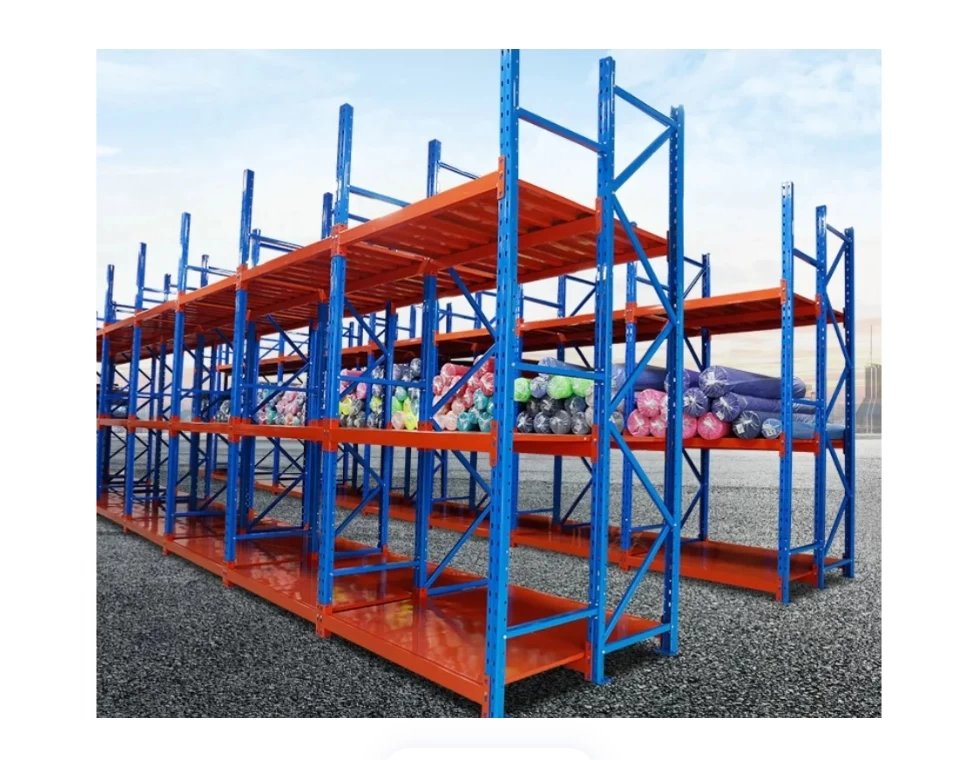
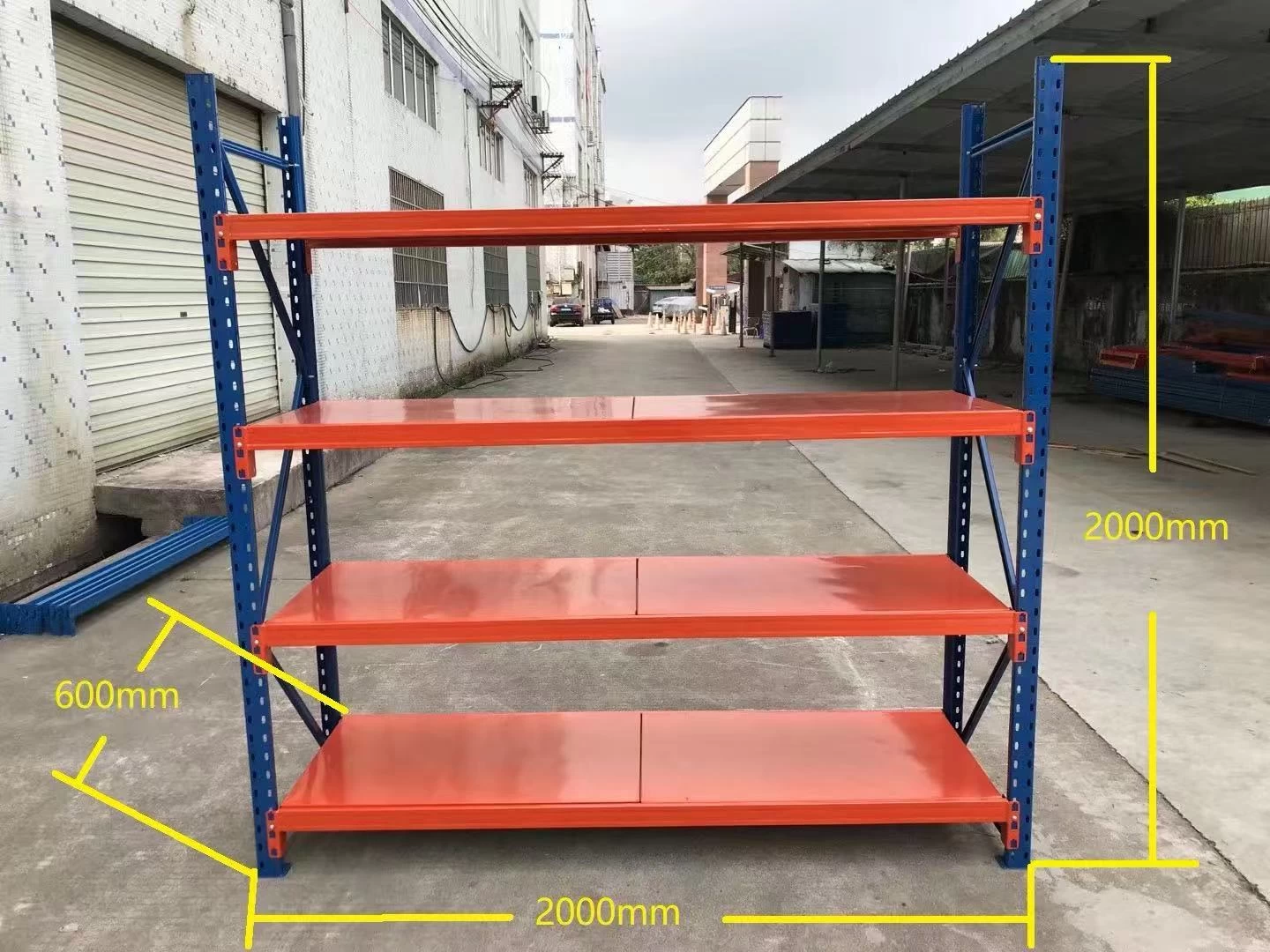
Medium duty shelves are designed to support moderate weight loads, typically ranging between 45 to 176 pounds per shelf depending on materials and design. They offer a practical middle ground between light-duty shelves, which are suited for lightweight items, and heavy-duty industrial shelves meant for very heavy equipment. The versatility of medium duty shelving makes them ideal for various environments – from home offices, bedrooms, and kitchens to garages and retail spaces.
The key features of medium duty shelves include:
- **Load Capacity:** Typically around 73 to 105 kilograms (approximately 160 to 230 pounds)
- **Material Options:** Steel frames with wooden or metal shelves, providing durability and aesthetic flexibility
- **Adjustability:** Many units allow shelf height adjustment, maximizing vertical space usage
- **Compact Footprint:** Designed to occupy minimal floor space, ideal for rooms where every inch matters
The ability to hold a significant amount of weight without requiring bulky construction makes medium duty shelves a go-to solution for small rooms that demand both functionality and style.
---
## Spatial Challenges in Small Rooms
Small rooms are characterized by limited floor area, low storage capacity, and often awkward layouts. These constraints necessitate smart storage solutions that do not encroach upon movement or create visual clutter. Key challenges include:
- **Limited Floor Space:** Reducing footprint while maintaining storage volume
- **Vertical Space Utilization:** Taking advantage of wall height to free up floor area
- **Accessibility:** Ensuring stored items are easy to reach despite limited space
- **Aesthetic Integration:** Keeping the room visually appealing and uncluttered
Medium duty shelves excel in addressing these challenges due to their modularity and customizable configurations.
---
## Maximizing Space Efficiency Using Medium Duty Shelves
### 1. Vertical Storage Optimization
One of the most effective ways to maximize space efficiency is by utilizing vertical space. Medium duty shelves can be mounted or freestanding, allowing homeowners and office managers to stack storage upward rather than outward. Installing shelves that reach near the ceiling leverages otherwise unused space, freeing up valuable floor area.
For example, in a small home office, medium duty shelves installed above a desk provide ample room for books, stationery, and equipment without occupying desk or floor space. Adjusting shelf heights based on item size enhances accessibility and optimizes storage density.
### 2. Modular and Adjustable Configurations
Flexibility is crucial in small rooms. Medium duty shelving units often come with adjustable shelves, allowing customization based on changing storage needs. This adaptability means shelves can be rearranged to accommodate tall objects like binders, shorter items like tools, or a combination of sizes.
Modular units also enable users to add or remove components as necessary, scaling storage up or down without replacing the entire system. This incremental approach supports efficient space use while accommodating growth or downsizing.
### 3. Multi-Functional Shelving Units
Maximizing space is not just about storage volume but also about multifunctionality. Medium duty shelves can be combined with other furniture elements to serve multiple roles. For instance, a shelving unit with lower cabinets can double as a workspace or display area. Open shelves placed strategically can act as room dividers in studio apartments, providing separation without sacrificing openness.
Using shelves as both storage and functional surfaces maximizes utility in constrained spaces.
### 4. Clear Organization and Accessibility
In small rooms, clutter exacerbates the feeling of crampedness. Medium duty shelves encourage organized storage by providing designated spaces for specific items. Using containers, labels, and consistent arrangement principles enhances accessibility and keeps the room tidy.
Moreover, choosing shelves with open designs or transparent materials can reduce visual bulk. This concept parallels modern web design principles, where clear, hierarchical layouts improve user experience by making content easily navigable.
---
## Drawing Parallels Between Physical Shelving and Web Design Principles
Interestingly, the challenges of efficiently using space in small rooms mirror those faced by web designers when creating responsive, user-friendly layouts. Concepts such as CSS styling, gradient backgrounds, and max-width constraints offer insightful analogies.
### CSS Styling and Layout Structure
Just as a web page uses CSS rules to define element size, position, and behavior, medium duty shelving uses dimensions, load capacities, and configurations to optimize space. For example, CSS properties like `max-width` ensure content fits within a container without overflowing, similar to how shelves must fit within a room’s dimensions without overwhelming the space.
Similarly, layout structures using flexbox or grid systems parallel modular shelving units that can be reconfigured to suit changing needs.
### Responsive Design Elements
Responsive web design adapts content for different screen sizes. Likewise, medium duty shelves in small rooms must be adaptable to varying storage requirements and spatial constraints. Adjustable shelves mimic responsive breakpoints, offering flexibility to reorganize according to item size or room changes.
### Visual Hierarchy and Background Styling
A well-designed web page uses gradients and background images to create visual depth and emphasis. For example, a gradient angle of 135 degrees with specified color stops can softly guide the viewer’s eye toward important content. Similarly, medium duty shelving can incorporate color schemes and finishes that complement the room’s decor, enhancing the overall ambiance.
Using decorative backing panels or strategically placing shelves against patterned walls serves a similar function to CSS background-image rules, adding texture and interest without clutter.
---
## Practical Tips for Implementing Medium Duty Shelves in Small Rooms
### Measure Precisely Before Installation
Accurate measurement of room dimensions, ceiling height, and available wall space is critical. Consider protrusions like radiators, windows, and door swings to avoid interference.
### Choose Materials Wisely
Steel frames provide sturdiness, but wood or laminate shelves can add warmth and style. Select finishes that harmonize with existing décor to create a cohesive look.
### Incorporate Lighting
Shelves can sometimes cast shadows, making small rooms feel darker. Installing LED strips or spotlights under shelves enhances visibility and adds a modern touch.
### Use Clear or Uniform Storage Containers
Containers with consistent shapes and colors reduce visual noise and make shelves easier to maintain.
### Plan for Accessibility
Place frequently used items on lower or eye-level shelves. Reserve higher shelves for rarely accessed belongings.
---
## Conclusion
Medium duty shelves offer a powerful solution for maximizing space efficiency in small rooms. Their balance of strength, adaptability, and compact design allows users to optimize vertical space, maintain organization, and enhance room aesthetics. By drawing inspiration from web design principles such as CSS styling, responsive layouts, and visual hierarchy, one can approach physical space planning with a fresh perspective that emphasizes modularity, clarity, and flexibility.
Incorporating medium duty shelving into small rooms not only meets practical storage needs but also contributes to creating orderly, inviting environments where space constraints no longer limit functionality or style. Whether in a cramped apartment, a compact office, or a cozy workshop, these shelving systems transform small spaces into efficient, attractive, and highly usable areas.
---
*Keywords: medium duty shelves, small rooms, space efficiency, vertical storage, adjustable shelving, modular storage, load capacity, CSS styling, responsive design, layout structure.*