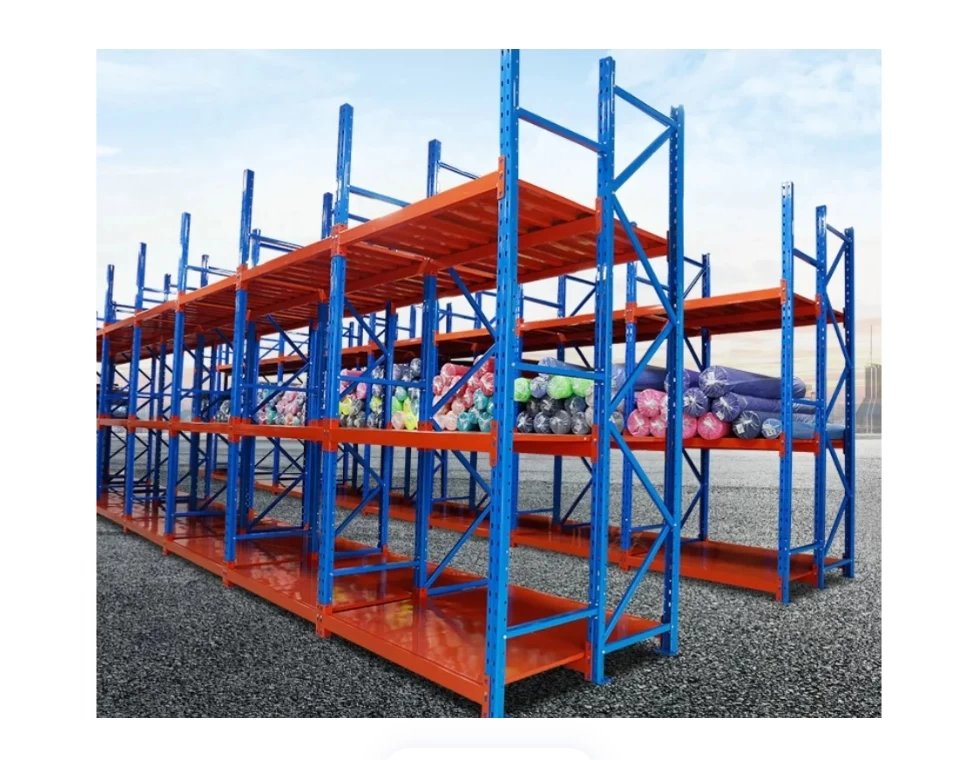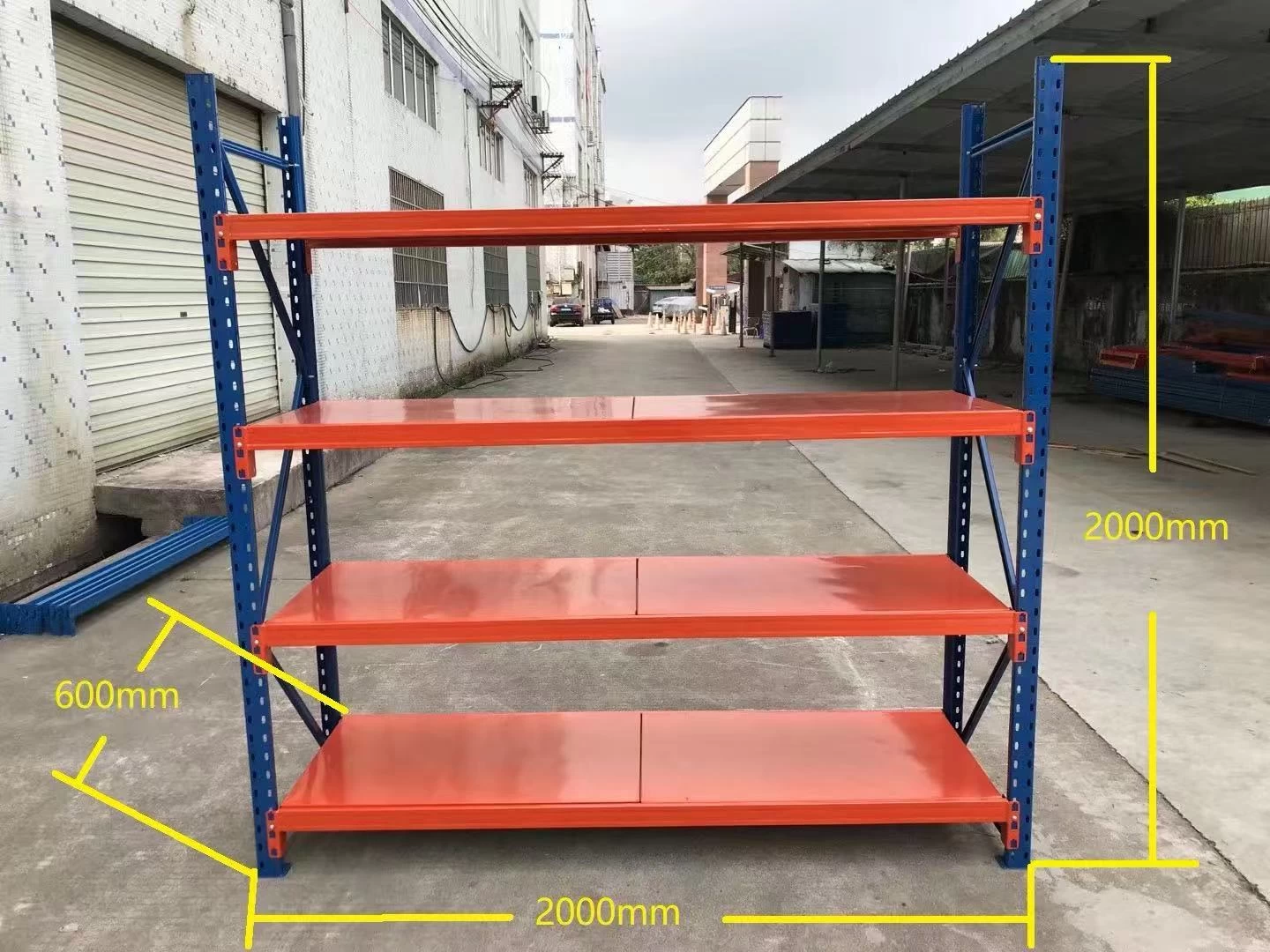
# Budget-Friendly Medium Duty Shelves for DIY Home Improvement Projects
When it comes to enhancing your home’s storage and organization, medium duty shelves offer a versatile and practical solution. Whether you’re tackling a garage makeover, setting up a new pantry, or creating additional storage in your living space, selecting budget-friendly shelving that balances durability and affordability is key. In this article, we will explore how to choose, build, and install medium duty shelves that meet your DIY home improvement needs without breaking the bank.
---
## Understanding Medium Duty Shelves: What Are They?
Medium duty shelves are designed to hold moderate weight loads, typically ranging from 100 to 300 pounds per shelf, depending on materials and construction. They provide a middle ground between light duty shelves—which are suitable for small items and lighter loads—and heavy duty shelves that can support industrial-level weights.
These shelves are ideal for:
- Storing power tools and hardware in garages
- Organizing kitchen appliances and pantry goods
- Holding books and decorative items in living spaces
- Managing craft supplies or office equipment
The key advantage of medium duty shelving lies in its versatility and strength, making it perfect for most DIY home projects that require reliable storage without specialized industrial-grade support.
---
## Budget Considerations: How to Keep Costs Low
One of the primary concerns for DIY enthusiasts is managing costs. Medium duty shelving does not have to be expensive. Here are several strategies to ensure your project remains budget-friendly:
### 1. Choose Affordable Materials
- **Plywood**: A cost-effective yet sturdy option, plywood can be cut to size and finished with paint or stain.
- **MDF (Medium-Density Fiberboard)**: Cheaper than solid wood, MDF offers a smooth surface ideal for painting but may not be as moisture resistant.
- **Metal Brackets & Wire Shelving**: Using off-the-shelf metal brackets combined with wooden planks can save money compared to custom metal shelving units.
- **Reclaimed Wood**: Salvaging wood from old furniture or pallets can reduce material costs and add character.
### 2. Opt for Simple Designs
Complex shelving systems with intricate joinery or custom features increase labor and material expenses. Stick to straightforward designs such as floating shelves, standard wall-mounted racks, or freestanding units.
### 3. Source Materials Wisely
Look for sales at hardware stores, use leftover materials from previous projects, or visit local salvage yards. Online marketplaces often have discounted or second-hand shelving components.
### 4. Use Basic Tools and Fasteners
Most medium duty shelves can be assembled with common DIY tools like drills, screwdrivers, and levels, minimizing the need for costly equipment.
---
## Designing Your Medium Duty Shelving System
Before purchasing materials, planning your shelving layout is crucial. Consider these design elements:
### Space and Dimensions
Measure the available wall or floor space carefully. Medium duty shelves come in various lengths and depths; typical depths range from 12 to 18 inches, which suits most storage needs without occupying too much room.
### Load Capacity
Estimate the weight of items you plan to store. For example, power tools and paint cans require sturdier shelves than lightweight decorative objects. This calculation informs your choice of shelf thickness and bracket strength.
### Style and Finish
Since shelves will be visible in your home, select finishes that complement your décor. Paint, stain, or laminate surfaces can enhance both aesthetics and durability.
---
## Building Medium Duty Shelves: Step-by-Step Guide
Here's a general approach to building wall-mounted medium duty shelves with a focus on cost-efficiency and ease of assembly.
### Materials Needed:
- ¾-inch plywood or MDF boards cut to desired shelf lengths
- Metal L-brackets rated for medium loads (2 to 4 per shelf depending on length)
- Wood screws and wall anchors
- Sandpaper and paint or stain
- Measuring tape, level, drill, screwdriver
### Instructions:
1. **Measure and Cut:** Measure your shelving area and cut the plywood or MDF boards accordingly. Smooth edges with sandpaper.
2. **Paint or Stain:** Apply your chosen finish. This step not only improves appearance but also protects the wood.
3. **Locate Wall Studs:** Use a stud finder to locate studs in the wall where shelves will be mounted. Anchoring brackets into studs ensures maximum strength.
4. **Mark Bracket Positions:** Mark bracket placement on the wall, spacing brackets evenly (typically every 16-24 inches).
5. **Attach Brackets:** Secure L-brackets using screws into studs. If studs are not available, use appropriate wall anchors to support medium loads.
6. **Mount Shelves:** Place the finished boards onto the brackets and secure them with screws through the bracket holes for stability.
7. **Load and Organize:** Once installed, load your shelves gradually, distributing weight evenly.
---
## Styling and Practical Tips for Medium Duty Shelves
To maximize usability and style, consider the following:
- **Incorporate Baskets and Containers:** Use labeled bins to keep smaller items organized.
- **Add Lighting:** Under-shelf LED strips improve visibility and enhance ambiance.
- **Use Shelf Liners:** Protect surfaces from spills or scratches, especially in kitchens or workshops.
- **Regular Maintenance:** Periodically check shelf brackets and fasteners for signs of wear or loosening.
---
## Integrating Design and CSS Concepts for Digital Planning
For those who prefer to plan their shelving projects digitally or maintain a blog about their DIY journey, understanding CSS styling concepts can help create visually appealing content. Elements such as `box-sizing: border-box` ensure padding and borders are included within element widths, aiding precise layout control. Utilizing `max-width` and `auto margin` centers content responsively, while `background: #fff` and `box-shadow` create clean, modern interfaces reflecting the minimalistic aesthetic of well-designed shelving units.
Fonts like Arial, Helvetica, and sans-serif provide clarity and professionalism in documentation or online tutorials, mirroring the straightforward and functional nature of budget-friendly shelving solutions.
---
## Conclusion
Medium duty shelves represent an excellent opportunity for DIY enthusiasts to enhance home organization affordably and effectively. By selecting cost-conscious materials, employing simple designs, and carefully planning installation, you can create sturdy shelving solutions tailored to your needs without overspending.
Whether revamping a storage room, organizing a workshop, or decorating a living area, budget-friendly medium duty shelves deliver both function and style. With a clear understanding of design principles, material choices, and installation techniques, your next home improvement project can be both rewarding and economical.
---
### Additional Resources
- Local hardware store workshops and tutorials
- Online forums dedicated to DIY shelving projects
- YouTube channels specializing in woodworking and home improvement
- Free digital design tools leveraging CSS for project visualization
---
Invest time in planning and execution, and enjoy the benefits of durable, stylish, and budget-friendly medium duty shelves for years to come!