# Maintaining and Cleaning Your Medium Duty Shelves for Longevity
Medium duty shelves are an essential component in various settings—from warehouses and retail stores to offices and home garages. Designed to hold moderate weights, these shelves provide a versatile storage solution that balances strength and accessibility. However, like any piece of equipment, medium duty shelving requires regular maintenance and cleaning to ensure it remains safe, functional, and visually appealing over time.
In this comprehensive guide, we will explore best practices for maintaining and cleaning your medium duty shelves, focusing on strategies that extend their lifespan. Along the way, we will also touch on relevant design and material considerations—such as box-sizing, border-box properties, and other factors impacting shelf construction and care.
---
## Understanding Medium Duty Shelves: Construction and Usage
Before diving into maintenance specifics, it’s important to understand what defines medium duty shelves and how their typical construction influences care routines.
### What Are Medium Duty Shelves?
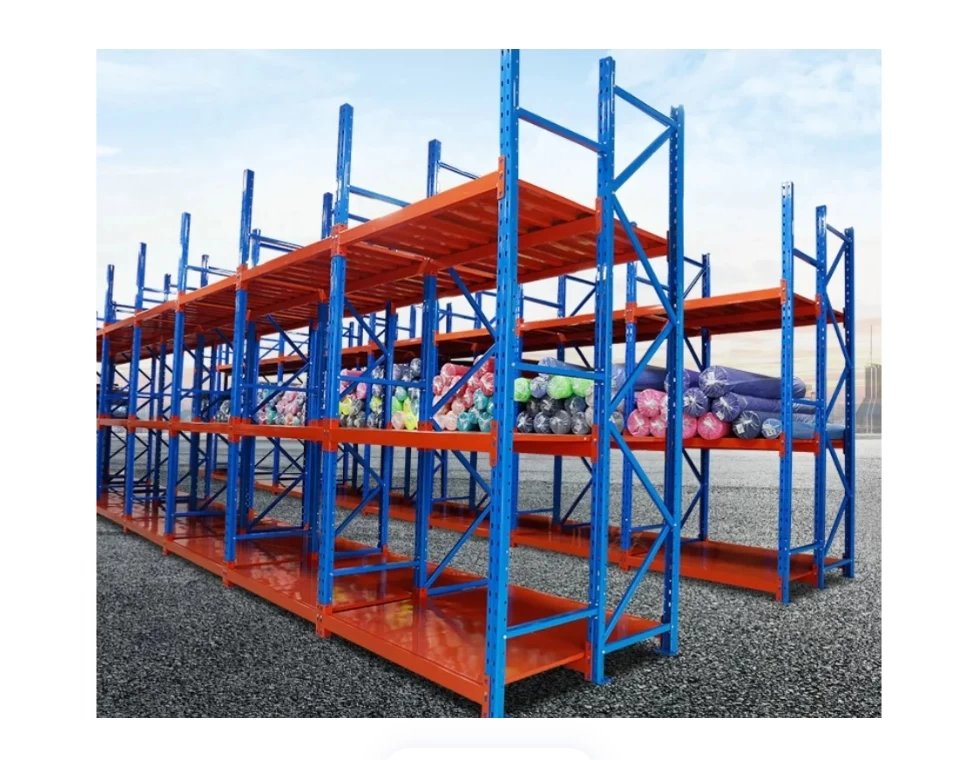
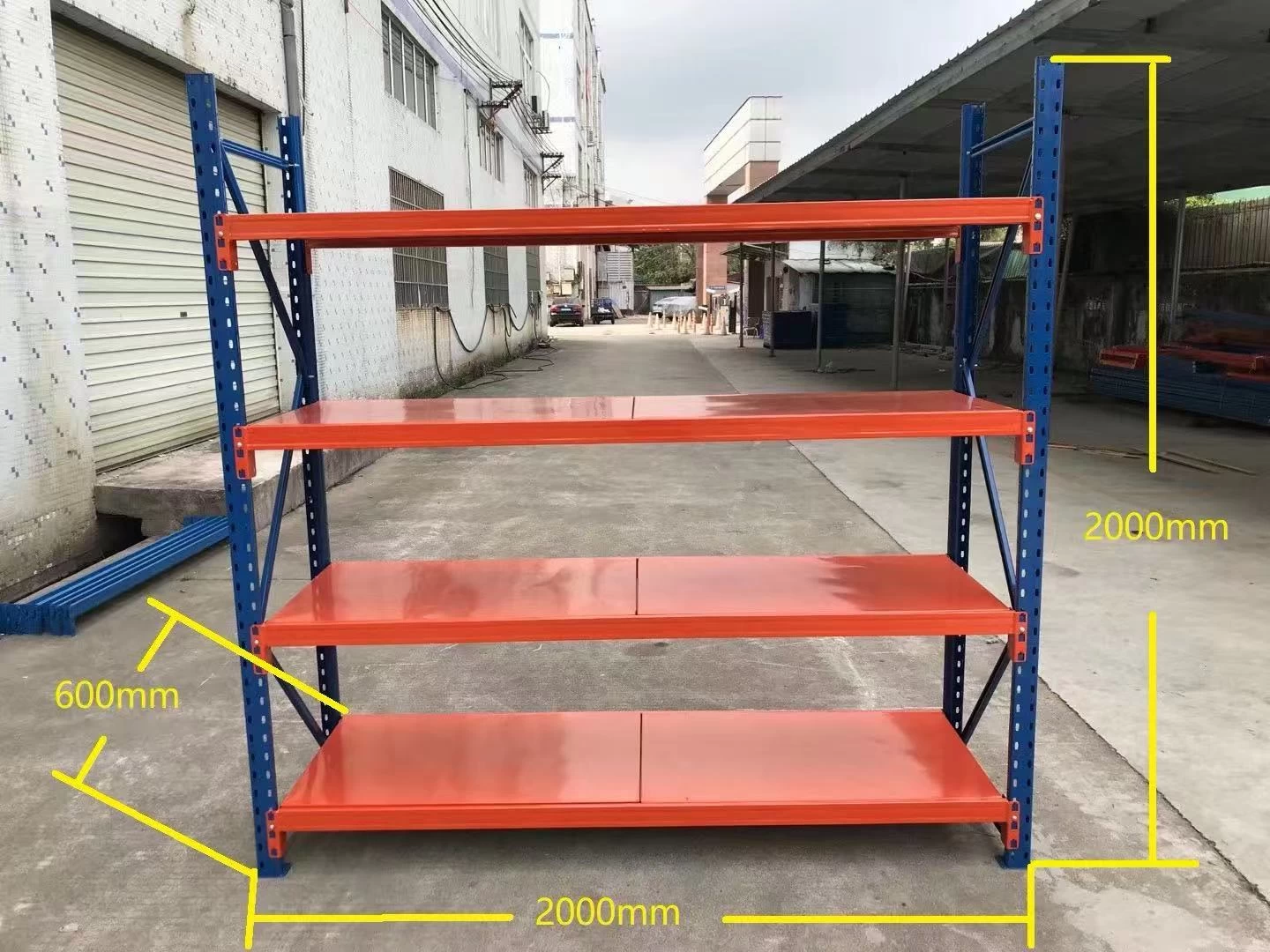
Medium duty shelves typically support weights ranging from 200 to 800 pounds per shelf level. They are commonly made from steel or heavy gauge metal frames combined with wooden, metal, or composite decking surfaces. Unlike light duty shelves designed for small items or decorative purposes, medium duty shelving is built for more substantial loads without the size or bulkiness of heavy duty industrial racks.
### Common Applications
- Inventory storage in retail and warehouse environments
- Organizing tools and equipment in workshops and garages
- Office filing and supply management
- Stockroom and backroom setups for restaurants or cafes
Given these uses, medium duty shelves often face wear from frequent loading/unloading, exposure to dust and dirt, and occasional chemical contact (e.g., cleaning agents or stored materials).
---
## Why Proper Maintenance Matters
Effective maintenance and cleaning impact medium duty shelving in several key ways:
- **Safety:** Worn or damaged shelving poses risks of collapse or injury.
- **Durability:** Removing corrosive elements and preventing rust extends the life of metal components.
- **Appearance:** Clean shelves present a professional image, especially in customer-facing areas.
- **Functionality:** Well-maintained shelving prevents sagging and misalignment, ensuring smooth operation.
---
## Step-by-Step Guide to Maintaining Medium Duty Shelves
### 1. Regular Inspection and Assessment
Conduct routine inspections at least once every 3 to 6 months, depending on usage intensity. Key points to check include:
- **Structural integrity:** Look for signs of bending, warping, or cracking in beams and shelves.
- **Fasteners and connectors:** Tighten loose bolts, nuts, and screws to maintain stability.
- **Surface condition:** Identify rust spots, scratches, or peeling paint that could accelerate corrosion.
- **Load distribution:** Ensure weight is evenly spread across shelves to prevent localized stress.
Document your findings and schedule repairs or replacements promptly to avoid further damage.
### 2. Cleaning Procedures: Best Practices
Cleaning medium duty shelves is more than just wiping dust away—it involves choosing proper techniques and products that protect the materials.
#### Materials and Tools Needed:
- Mild detergent or degreaser
- Warm water
- Soft cloths or microfiber towels
- Non-abrasive scrub brushes or sponges
- Rust remover or converter (for metal shelves)
- Protective gloves
- Vacuum cleaner with brush attachment (optional)
#### Cleaning Steps:
1. **Remove all items:** Clear the shelves completely to access all surfaces.
2. **Dust removal:** Use a vacuum with a brush attachment or a dry microfiber cloth to remove loose dust and debris.
3. **Wash with mild detergent:** Mix a small amount of mild detergent in warm water. Dampen a cloth or sponge, then wipe all shelf surfaces thoroughly.
4. **Scrub stubborn stains:** For grease or sticky residues, apply a degreaser and gently scrub using a soft brush.
5. **Rust treatment:** If you spot rust, use a rust remover or converter according to the product instructions. Treating rust early prevents structural weakening.
6. **Rinse and dry:** Wipe down the shelves with a clean, damp cloth to remove soap residue, then dry completely using a dry towel or air drying to prevent moisture buildup.
7. **Reorganize carefully:** When placing items back, avoid overloading shelves and distribute weight evenly.
### 3. Protective Measures to Prevent Damage
- **Use shelf liners:** Consider adding liners or mats to protect shelf surfaces from scratches and spills.
- **Control environmental factors:** Keep shelves in dry, well-ventilated areas to minimize moisture and subsequent rust formation.
- **Apply protective coatings:** For metal shelves, periodic application of rust-inhibiting paint or sealants adds a layer of protection.
- **Avoid chemical exposures:** Store corrosive or acidic substances separately, and clean spills immediately.
---
## Design and Material Considerations Impacting Maintenance
When selecting medium duty shelving or planning maintenance, understanding certain technical aspects can be helpful.
### Box-Sizing and Border-Box Properties in Shelf Design
Though terms like **box-sizing** and **border-box** primarily relate to CSS and web design, they metaphorically illustrate principles applicable to physical shelving design:
- **Box-sizing (border-box):** In web design, this setting ensures padding and borders are included within the element's total width and height, preventing overflow and layout issues. Similarly, medium duty shelves are engineered with precise dimensions that account for frame thickness, support brackets, and decking, optimizing space without compromising load capacity.
Understanding how these dimensions interact helps in avoiding overhanging loads or improperly sized shelves that can stress the structure.
### Material Choices and Their Impact
- **Steel Shelving:** Offers superior strength and durability but requires vigilant rust prevention.
- **Powder-Coated Finishes:** Provide an extra layer of defense against corrosion and scratches, simplifying maintenance.
- **Wooden Decking:** Adds aesthetic appeal but is susceptible to moisture damage; needs careful cleaning and drying.
- **Composite Materials:** Often more resistant to moisture and chemicals, reducing maintenance frequency.
Each material type demands tailored cleaning protocols—steel may tolerate mild acids for rust removal, while wood requires gentle cleansing.
---
## Organizational Tips to Enhance Shelf Longevity
Beyond cleaning and maintenance, how you organize items on your shelves influences wear and tear.
- **Avoid Overloading:** Stick to manufacturer-recommended weight limits per shelf.
- **Distribute Weight Evenly:** Place heavier items near the shelf supports or lower levels.
- **Label and Rotate Stock:** Helps prevent forgotten or neglected items that can accumulate dirt and damage shelves.
- **Use Storage Bins:** Containers reduce direct contact with shelves, minimizing surface damage.
---
## Leveraging Modern Design Elements for Shelf Installation Areas
If your medium duty shelves are installed in office or retail spaces, consider how environmental design elements contribute to overall shelf preservation and ambiance.
- **Background and Color:** Using a white background (#fff) behind shelving units can enhance visibility and cleanliness perception.
- **Lighting and Shadows:** Proper lighting with subtle box-shadow effects can highlight shelving without harsh glare, improving inspection ease.
- **Font-Family Consistency:** If signage or labeling is used around shelving (e.g., with Arial, Helvetica, sans-serif fonts), consistent styling enhances professionalism.
- **Layout and Spacing:** Employ max-width constraints and auto margin centering for shelf alcoves or display areas to maintain balanced aesthetics and easy access.
- **Overflow Hidden:** Avoid clutter around shelving by managing overflow—keeping pathways clear and organized.
---
## Final Thoughts: Sustaining Your Investment
Medium duty shelves are a practical, cost-effective storage solution. By adopting a proactive approach to maintenance and cleaning, you not only safeguard the safety and functionality of your shelving but also protect your investment for years to come.
Remember: regular inspections, gentle yet thorough cleaning, protective measures, and thoughtful organization collectively contribute to shelf longevity. Whether you manage a busy warehouse or a small office stockroom, these practices will help your medium duty shelves stand the test of time.
---
### Summary Checklist for Maintaining and Cleaning Medium Duty Shelves
| Task | Frequency | Notes |
|-----------------------------|------------------|----------------------------------|
| Visual Inspection | Every 3-6 months | Check bolts, rust, and damage |
| Dust and Debris Removal | Monthly | Vacuum or dry wipe surfaces |
| Deep Cleaning | Quarterly | Use mild detergent and degreasers|
| Rust Treatment | As needed | Apply rust remover or repaint |
| Load Distribution Review | Monthly | Ensure even weight placement |
| Protective Coating Reapplication | Annually | Powder coat touch-up or sealants |
By embedding these habits into your routine, your medium duty shelves will continue to perform reliably and safely, supporting your organizational needs efficiently.
---
**Keywords integrated:** box-sizing, border-box, sde-body, margin, background, font-family, Arial, Helvetica, sans-serif, color, sde-detail, width, padding, sde-page, max-width, auto margin (centered), white background (#fff), box-shadow, overflow hidden, sde-hero, position relative, min-height, linear-gradient