# Best Materials for Medium Duty Shelves: Wood, Metal, or Plastic?
When selecting shelving for medium-duty applications, choosing the right material is crucial to ensure durability, functionality, and aesthetic appeal. Whether you are organizing a home office, stockroom, retail display, or garage, the shelves must support moderate weights without compromising style or safety. Three popular materials dominate the market for medium-duty shelving: wood, metal, and plastic. Each has distinct advantages and considerations that can influence your decision. This article provides an in-depth comparison of these materials, focusing on performance, design flexibility, maintenance, and cost-effectiveness.
---
## Understanding Medium Duty Shelving Requirements
Medium-duty shelves typically carry loads ranging from 100 to 300 pounds per shelf, suitable for storing books, small appliances, tools, boxes, and similar items. The ideal shelving material should balance strength with ease of installation and aesthetics suited to your environment.
Before diving into material specifics, it's important to consider:
- **Load capacity:** Will the shelves hold heavy books, equipment, or just lightweight items?
- **Durability:** How resistant are the materials to wear, moisture, and impact?
- **Maintenance:** How easy is it to clean and maintain the shelves over time?
- **Visual appeal:** Does the material complement your interior or workspace design?
- **Environmental factors:** Are the shelves exposed to humidity, temperature fluctuations, or chemicals?
---
## Wood Shelves: Classic Elegance Meets Moderate Strength
### Advantages
Wood has long been a preferred shelving material due to its natural warmth and versatility. Medium-duty wooden shelves typically use hardwoods like oak, maple, or birch, or engineered wood products such as plywood and MDF (medium-density fiberboard).
- **Aesthetic Appeal:** Wood offers a timeless look that suits both traditional and modern interiors. It can be stained, painted, or left natural to match decor styles.
- **Strength and Load Capacity:** Hardwood shelves provide substantial support with proper thickness (usually 3/4 inch or greater). Engineered woods like plywood also deliver excellent structural integrity.
- **Ease of Customization:** Wood can be cut, shaped, and finished on-site, enabling custom dimensions and decorative edges.
- **Environmental Friendliness:** Using sustainably sourced or reclaimed wood can reduce environmental impact.
### Considerations
- **Susceptibility to Moisture:** Wood may warp, swell, or rot in humid environments unless properly sealed.
- **Weight:** Solid wood shelves tend to be heavier than metal or plastic counterparts, which can complicate installation.
- **Maintenance:** Periodic refinishing or sealing might be necessary to maintain appearance and durability.
- **Cost:** High-quality hardwoods can be more expensive upfront compared to other materials.
### Application Suitability
Wooden shelves excel in home offices, libraries, living rooms, and retail spaces where appearance matters. They balance moderate load-bearing needs with elegant styling, especially when combined with complementary furniture.
---
## Metal Shelves: Industrial Strength and Longevity
### Advantages
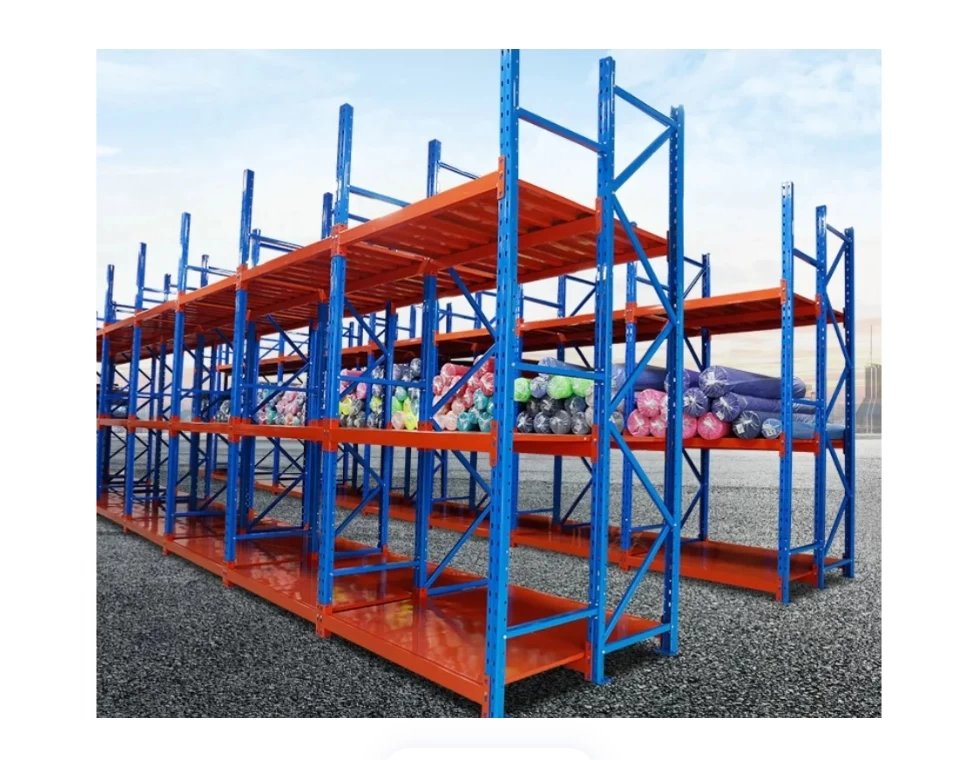
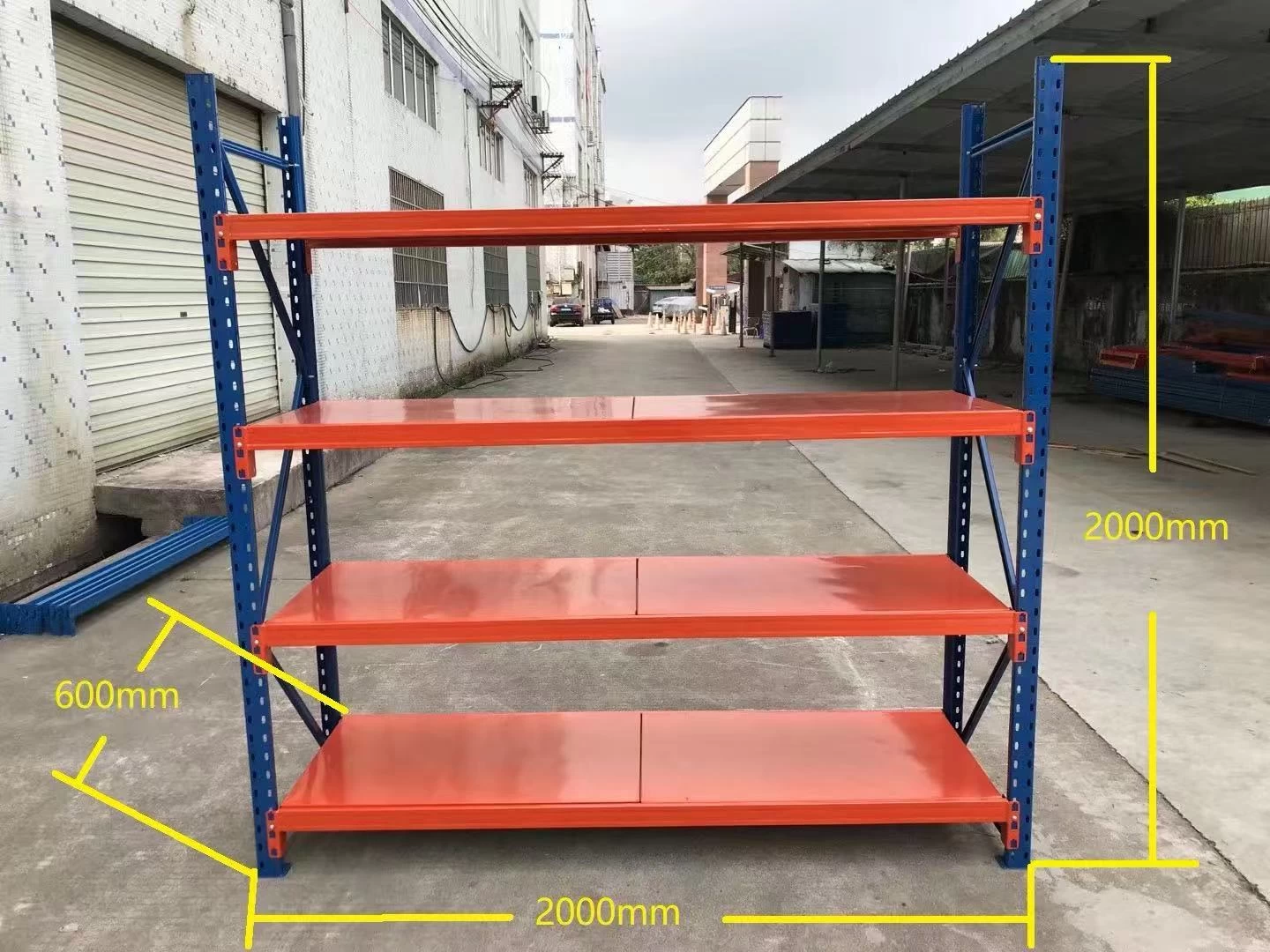
Metal shelving, primarily steel or aluminum, is synonymous with durability, strength, and industrial appeal. For medium-duty uses, steel shelves with powder-coated finishes are common.
- **High Load Capacity:** Metal shelves can easily support heavier items, often exceeding 300 pounds per shelf, making them highly reliable.
- **Durability:** Resistant to impacts, abrasion, and most chemicals, metal shelves excel in demanding environments.
- **Low Maintenance:** Metal resists stains, warping, and moisture damage. Powder coatings or galvanization add corrosion resistance.
- **Modular Designs:** Many metal shelving units offer adjustable shelves and modular components, enhancing flexibility.
- **Fire Resistance:** Metal is non-combustible, adding safety benefits in industrial or commercial settings.
### Considerations
- **Visual Impact:** Metal shelves can appear cold or industrial, potentially clashing with residential decor unless carefully integrated.
- **Weight:** Steel shelves can be heavy; however, aluminum options are lighter but typically less strong.
- **Surface Damage:** Scratches can expose raw metal, risking rust if protective coatings are compromised.
- **Cost:** Quality metal shelving systems may have higher initial costs but longer lifespans.
### Application Suitability
Metal shelving is ideal for garages, warehouses, workshops, and commercial spaces where strength and resilience are paramount. Their clean lines and finishes can also work in modern office environments emphasizing minimalist design.
---
## Plastic Shelves: Lightweight and Versatile
### Advantages
Plastic shelving, often made from polypropylene, polyethylene, or PVC composites, offers lightweight solutions with moderate strength appropriate for many medium-duty applications.
- **Lightweight and Portable:** Plastic shelves are easy to move and install, facilitating flexible workspace arrangements.
- **Moisture and Chemical Resistance:** Plastic resists corrosion, rust, and many chemicals, making it ideal for damp or corrosive environments.
- **Low Maintenance:** Simple to clean with soap and water; no special treatments required.
- **Variety of Colors and Styles:** Plastic shelving comes in multiple colors and finishes, enabling fun, modern aesthetics.
- **Cost-Effective:** Generally less expensive than wood or metal, especially for basic units.
### Considerations
- **Load Capacity:** Plastic shelves typically support less weight per shelf compared to wood and metal, usually up to about 150 pounds.
- **Structural Stability:** Plastic may flex or sag under heavy loads unless reinforced.
- **UV Sensitivity:** Some plastics degrade or discolor with prolonged sun exposure.
- **Environmental Impact:** Plastic manufacturing and disposal have environmental concerns, though recyclable options exist.
### Application Suitability
Plastic shelving suits kitchens, bathrooms, garages, and outdoor patios where moisture is prevalent, or temporary storage is needed. It’s also useful in children’s rooms or casual environments requiring colorful, lightweight storage.
---
## Comparative Summary Table
| Feature | Wood | Metal | Plastic |
|-----------------------|---------------------------|---------------------------|--------------------------|
| Load Capacity | Medium (150-300 lbs) | High (200-500+ lbs) | Low-Medium (up to 150 lbs) |
| Durability | Moderate (moisture-sensitive) | High (rust-resistant with treatment) | Moderate (chemical/moisture resistant) |
| Maintenance | Requires sealing/refinishing | Low (powder coating) | Very low (easy cleaning) |
| Aesthetic Appeal | Warm, classic | Industrial, modern | Casual, colorful |
| Cost | Moderate to high | Moderate to high | Low |
| Weight | Heavy | Heavy (steel), light (aluminum) | Very light |
| Environmental Impact | Renewable (if sourced sustainably) | Recyclable | Less eco-friendly, some recyclable |
---
## Design Considerations Beyond Material
Selecting shelving material is only part of the equation. The design and installation impact functionality and longevity. Here are some relevant points inspired by web design principles that can metaphorically apply to shelving selection and setup:
- **Responsive Design:** Just as web pages adapt to different devices, shelving should accommodate changing storage needs with adjustable heights and modularity.
- **Layout Structure:** Proper spacing and anchoring prevent overloading and maximize utility, similar to CSS grid or flexbox layouts that organize content efficiently.
- **Visual Effects:** Incorporating elements like shadows or textures—in shelving terms, this translates to finishing techniques like beveled edges or matte vs. gloss surfaces—to enhance visual appeal.
- **Background and Color:** Choosing neutral or complementary colors for shelving surrounds (akin to CSS background properties) ensures harmonious integration with room decor.
- **Max-Width and Margins:** Shelf depth and spacing should fit the room size and user reach comfortably, avoiding overcrowding—paralleling max-width and margin auto rules for centered, readable content.
---
## Installation and Safety Tips
Regardless of the material chosen, proper installation is essential for safety and performance:
- Use appropriate wall anchors or brackets rated for the expected load.
- Ensure shelves are level and securely fastened.
- Distribute weight evenly across shelves.
- Avoid overloading beyond manufacturer specifications.
- Consider anti-tip features for tall shelving units.
---
## Conclusion: Which Material Is Best for Medium Duty Shelves?
Choosing between wood, metal, and plastic for medium duty shelves depends on your specific needs:
- **Choose Wood** if you prioritize aesthetics, customization, and a warm, classic look, especially in interior spaces with controlled environments.
- **Choose Metal** if strength, durability, and low maintenance are paramount, particularly in industrial, commercial, or modern office settings.
- **Choose Plastic** if lightweight, moisture resistance, and cost-effectiveness are your main criteria, suitable for casual or humid environments.
By carefully assessing load requirements, environmental conditions, budget, and style preferences, you can select the best material that combines form and function for your medium-duty shelving needs. Remember, the optimal choice balances practical performance with the visual harmony of your space, much like well-crafted CSS styles bring elegance and usability to web pages.
---
### Additional Resources
For readers interested in more technical guidance on shelving design or installation, consulting manufacturers’ load charts, professional carpenters, or industrial suppliers is recommended. Also, exploring online resources about material properties and sustainable sourcing can enhance decision-making.
---
*This article was crafted with attention to material science, design aesthetics, and practical application, underscoring the importance of thoughtful choices in storage solutions.*