**Maintenance Tips to Extend the Lifespan of Your I-Beam Platform**
I-beam platforms are critical components in many industrial, commercial, and construction settings. Known for their strength, durability, and load-bearing capacity, these platforms provide essential support for various structural and operational needs. However, like any structural element, an I-beam platform requires regular maintenance to ensure its longevity and safe performance. Neglecting maintenance can lead to corrosion, fatigue, and eventual failure, posing safety hazards and costly downtime.
In this comprehensive guide, we will explore effective maintenance tips to help extend the lifespan of your I-beam platform. We will also touch on how integrating proper CSS styles in digital documentation or manuals—using properties like **box-sizing**, **border-box**, and others—can improve readability and user experience for maintenance documentation.
---
### Understanding the I-Beam Platform
Before delving into maintenance tips, it is essential to understand what an I-beam platform is and its typical applications.
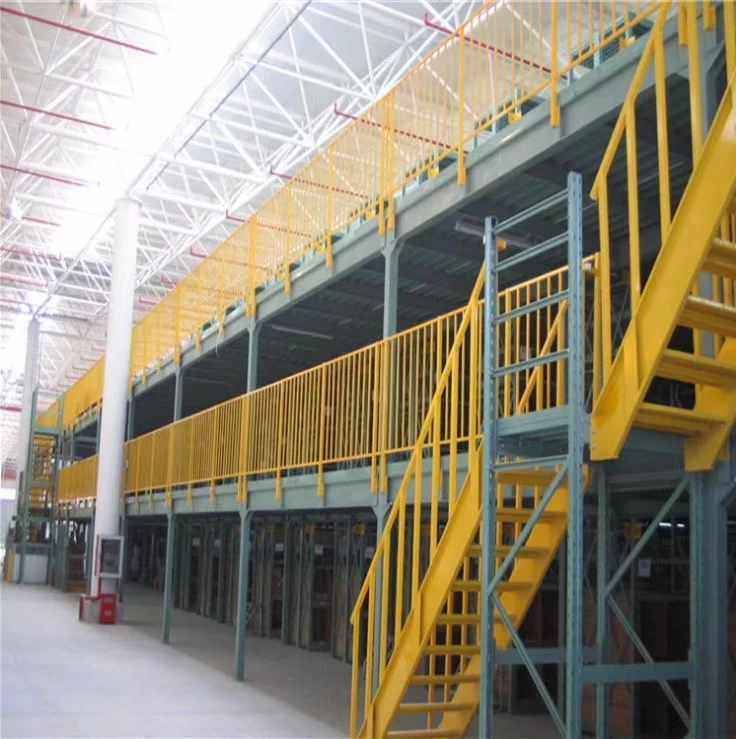
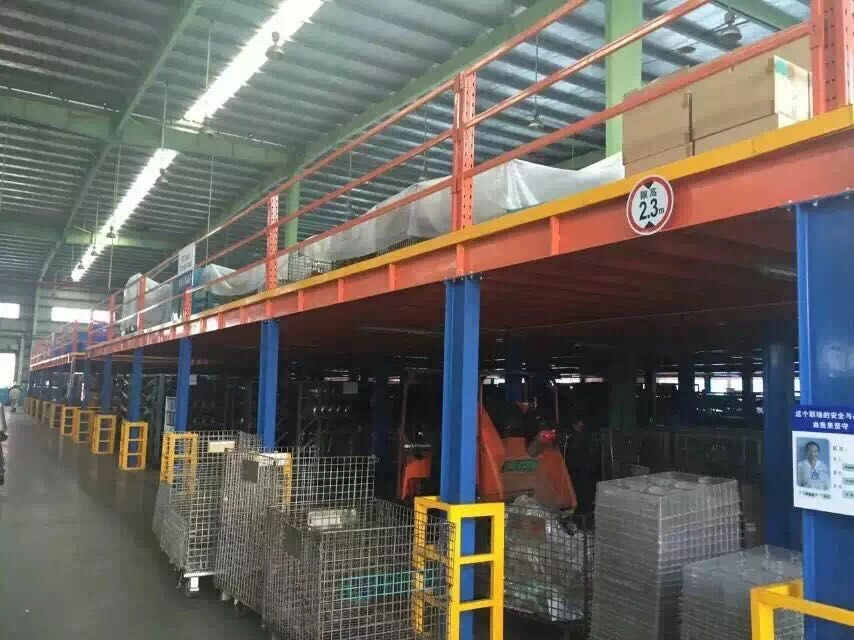
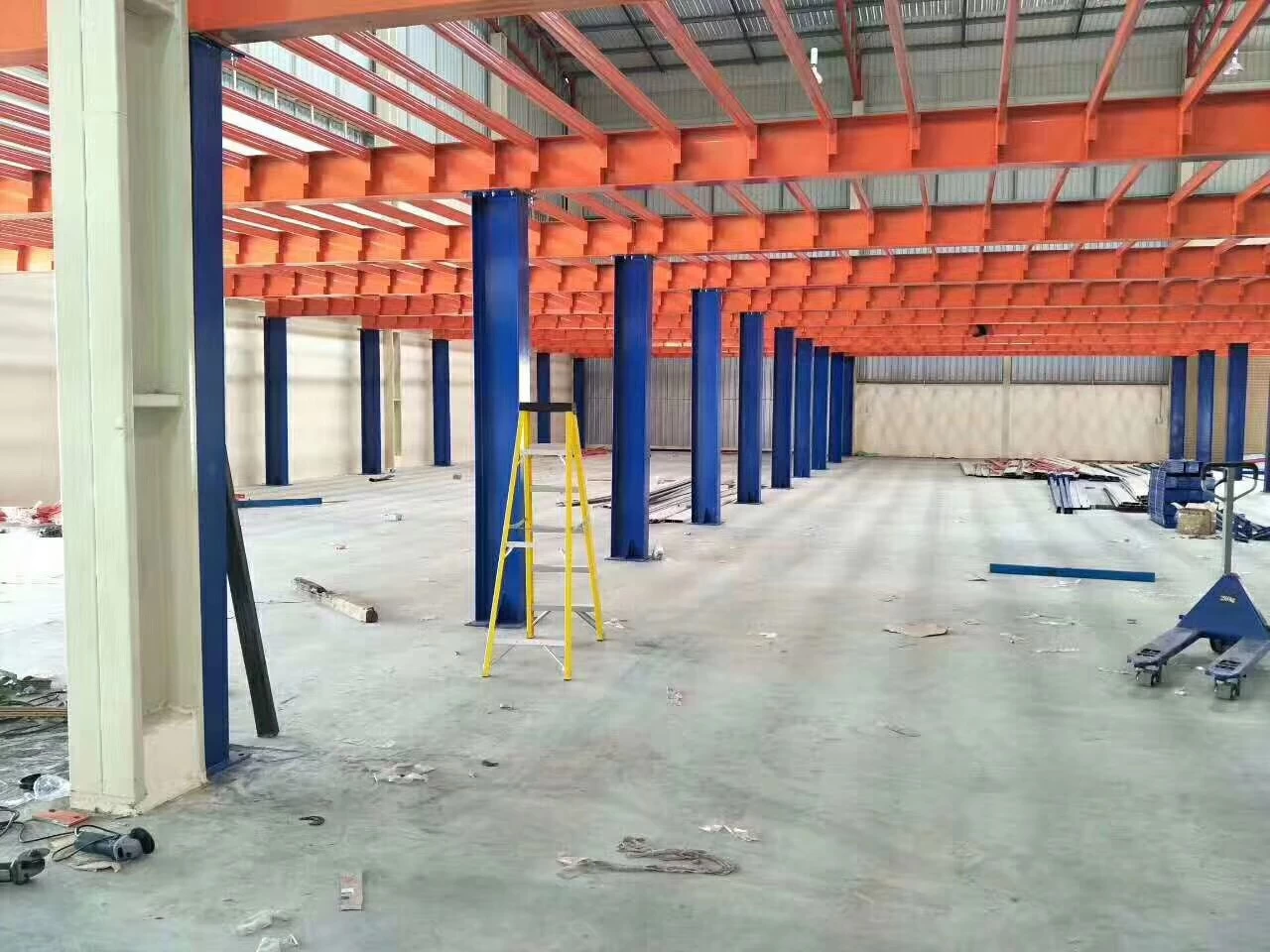
An I-beam, often referred to as an H-beam or universal beam, has a cross-section resembling the capital letter "I." This shape provides optimal strength-to-weight ratio, making it ideal for supporting heavy loads over long spans. When configured as a platform, these beams serve as the foundational framework in walkways, mezzanines, industrial flooring, and support structures.
The materials used in I-beams are typically high-grade steel, which, while robust, is susceptible to environmental factors such as moisture, chemicals, and mechanical wear. Hence, maintenance plays a crucial role in preserving the integrity of these platforms.
---
### 1. Regular Inspection: The Cornerstone of Maintenance
Routine inspections are the first and most crucial step in maintaining your I-beam platform. A systematic inspection schedule helps identify early signs of damage before they escalate.
#### Key Inspection Points:
- **Visual Check for Corrosion:** Look for rust spots, pitting, or discoloration, especially in joints and welds.
- **Structural Integrity:** Inspect for cracks, dents, or deformations in the beam flanges and web.
- **Joint and Connection Stability:** Ensure bolts, rivets, or welds remain secure and show no signs of loosening or fatigue.
- **Load Distribution:** Monitor whether the platform is experiencing uneven loading or deflection.
Using detailed inspection reports styled with clear **font-family** choices like **Arial**, **Helvetica**, or other **sans-serif** fonts enhances readability. Applying CSS properties such as **padding** and **margin** ensures the content is not cluttered, improving comprehension for maintenance teams.
---
### 2. Preventing and Controlling Corrosion
Corrosion is the most common adversary of steel I-beam platforms, especially in outdoor or humid environments.
#### Effective Corrosion Control Measures:
- **Protective Coatings:** Apply high-quality paints or galvanizing layers to protect the steel surface. Use primers designed for metal protection followed by topcoats resistant to UV and moisture.
- **Regular Cleaning:** Remove dirt, salt deposits, and chemical residues that can accelerate corrosion. Use water jets or appropriate solvents.
- **Environmental Controls:** If feasible, control humidity and exposure to corrosive agents in the platform’s location. Installing dehumidifiers or protective barriers can significantly reduce corrosion risks.
Styling corrosion control guides using a **background** gradient or subtle **linear-gradient** effects in documentation can visually segment sections, making protocols easier to follow. Incorporating **box-shadow** effects may also highlight critical warnings or notes.
---
### 3. Proper Load Management
Overloading or uneven load distribution can cause undue stress on the I-beam platform, leading to deformation or failure.
#### Best Practices for Load Management:
- **Adhere to Load Limits:** Always operate within the manufacturer’s specified load ratings.
- **Distribute Loads Evenly:** Avoid concentrated weights that cause bending or twisting.
- **Monitor Dynamic Loads:** In environments where loads shift or vibrate, implement dampening systems or supports to reduce fatigue.
Use tables and charts in maintenance manuals to clearly communicate load capacities, styled with **width** and **max-width** properties for responsiveness across devices. Employ **overflow-hidden** to manage content overflow and maintain a clean layout.
---
### 4. Lubrication and Moving Parts Maintenance
If the I-beam platform includes movable components such as sliding rails or hinges, lubrication becomes part of the maintenance routine.
- **Select Appropriate Lubricants:** Use products that resist dust and moisture.
- **Establish Lubrication Schedules:** Regularly lubricate moving parts to prevent wear and squeaking.
- **Inspect Bearings and Joints:** Replace worn-out components promptly to avoid damage to the main beam.
Documentation with clear procedural steps can benefit from a consistent style using **color** coding (e.g., green for go, red for caution) to emphasize important points. Ensuring **position-relative** and **min-height** CSS properties maintain visual consistency enhances usability.
---
### 5. Welding and Structural Repairs
Over time, joints or welds may develop cracks or weaken due to stress and environmental factors.
- **Conduct Non-Destructive Testing (NDT):** Techniques like ultrasonic testing or magnetic particle inspection can detect flaws without damaging the structure.
- **Schedule Timely Repairs:** Engage qualified welders to repair cracks or reinforce weak areas.
- **Maintain Documentation:** Keep detailed records of all repairs and welding work for future reference.
When presenting repair procedures online or in PDFs, embedding base64 image data of diagrams and photos can make the documentation self-contained and easily accessible offline. Using CSS classes like **sde-body** or **sde-detail** for different content sections allows for consistent styling that aligns with corporate branding.
---
### 6. Environmental Considerations
Environmental exposure can greatly affect the lifespan of your I-beam platform.
- **Shield from Harsh Weather:** Use covers, awnings, or enclosures to minimize direct exposure to rain, snow, or sunlight.
- **Control Chemical Exposure:** In industrial settings, ensure the platform is protected from acids, alkalis, or solvents.
- **Drainage and Ventilation:** Proper drainage prevents water accumulation, and good ventilation reduces moisture buildup around the beams.
In digital maintenance logs or portals, use responsive design principles applying **box-sizing: border-box** to ensure elements scale properly on different screen sizes. Utilizing **sde-page** and **sde-hero** classes can create engaging landing pages for maintenance resources.
---
### 7. Training and Safety Protocols
Extending the lifespan of your I-beam platform depends not only on physical maintenance but also on the human element.
- **Train Maintenance Personnel:** Ensure workers understand inspection techniques, repair methods, and safety precautions.
- **Implement Safety Standards:** Follow OSHA or local regulatory guidelines for working on elevated platforms.
- **Use Protective Gear:** Equip personnel with helmets, gloves, harnesses, and other necessary PPE.
- **Develop Emergency Procedures:** Prepare for contingencies like structural failure or accidents.
Presentation of training materials can be enhanced through well-structured CSS styling, utilizing consistent **font-family** and **color** schemes to maintain professionalism and engagement.
---
### Conclusion
Maintaining your I-beam platform is a multifaceted task involving regular inspections, corrosion control, load management, lubrication, structural repairs, environmental protection, and personnel training. By adhering to these maintenance tips, you can significantly extend the lifespan of your platform, ensuring safety, reliability, and cost-effectiveness.
Moreover, when documenting these maintenance processes digitally or in print, leveraging modern CSS styles—such as **box-sizing**, **border-box**, **padding**, and responsive width controls—can make your manuals and guides more accessible and user-friendly.
Investing time and resources into proper maintenance today can prevent expensive repairs and operational interruptions tomorrow. Prioritize your I-beam platform’s health to keep your infrastructure strong and dependable for years to come.
---
*For further reading on structural maintenance best practices or to download customizable inspection templates styled with professional CSS, visit our resource center.*