# Choosing the Right I-Beam Platform for Your Project: Key Considerations
When embarking on any construction or engineering project, selecting the right structural components is critical to ensure safety, durability, and efficiency. Among these components, **I-beams** play a pivotal role due to their exceptional strength-to-weight ratio and versatility. However, choosing the right I-beam platform involves much more than simply picking a size or material; it requires a comprehensive understanding of project requirements, environmental factors, load capacities, and installation constraints.
In this detailed guide, we will explore the key considerations you need to address when selecting an I-beam platform that aligns perfectly with your project goals.
---
## Understanding I-Beams: A Brief Overview
Before delving into the selection process, it’s important to understand what an I-beam is and why it is commonly used in construction.
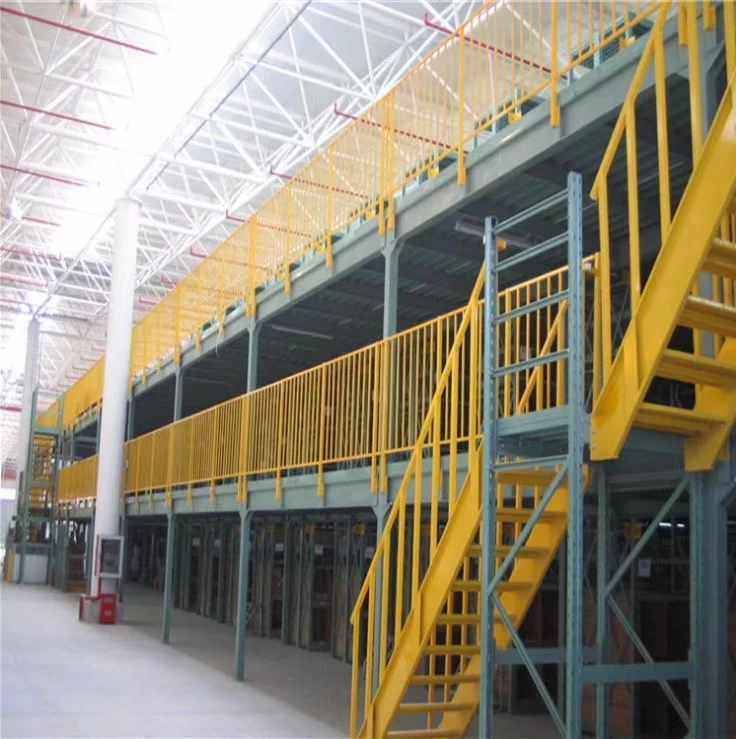
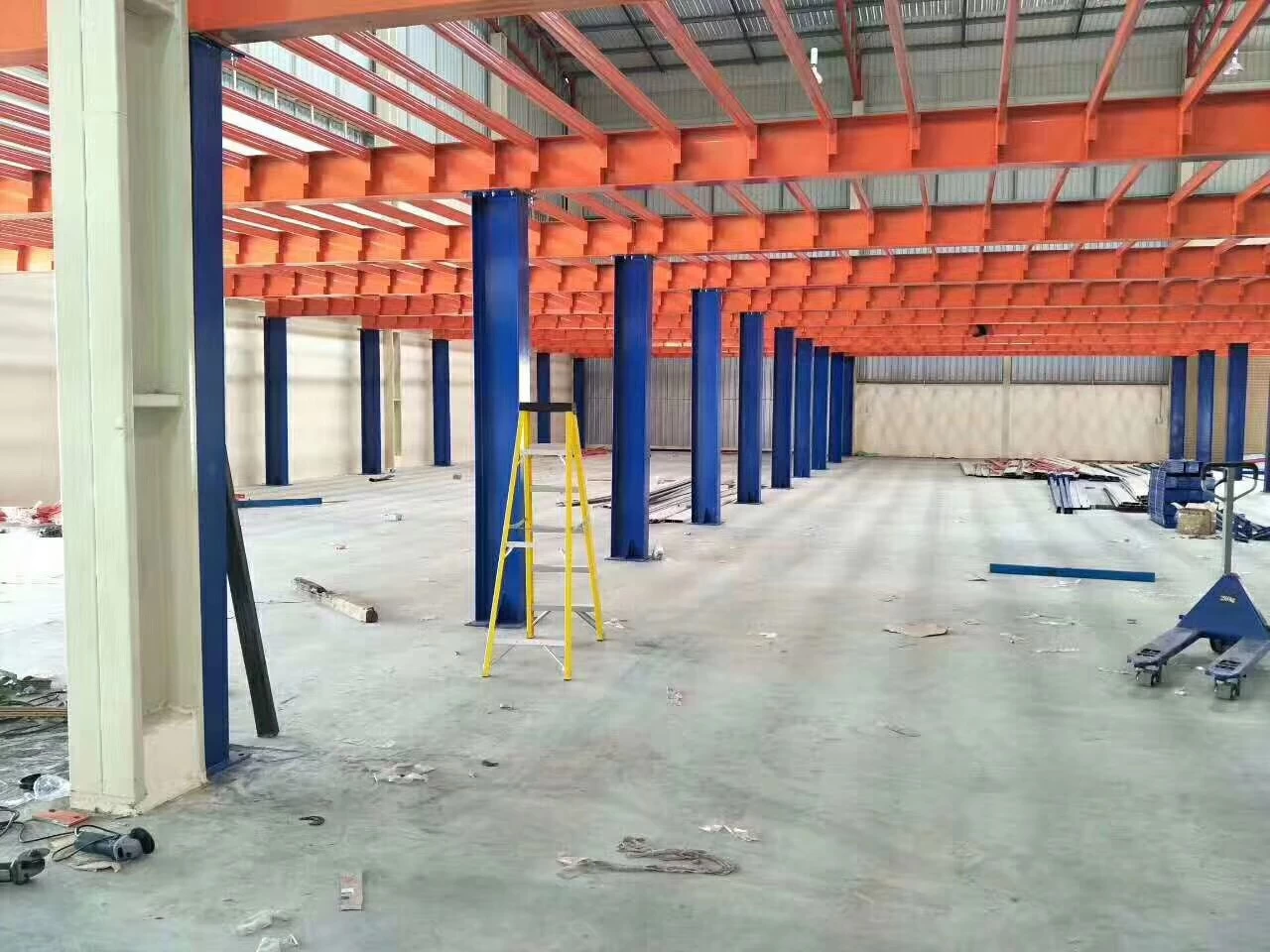
An **I-beam**, also known as a universal beam (UB), is a steel beam with an I-shaped cross-section. The design consists of a central vertical web that resists shear forces, and two horizontal flanges at the top and bottom that resist bending moments. This configuration offers an excellent balance of strength and weight, making I-beams ideal for supporting heavy loads over long spans.
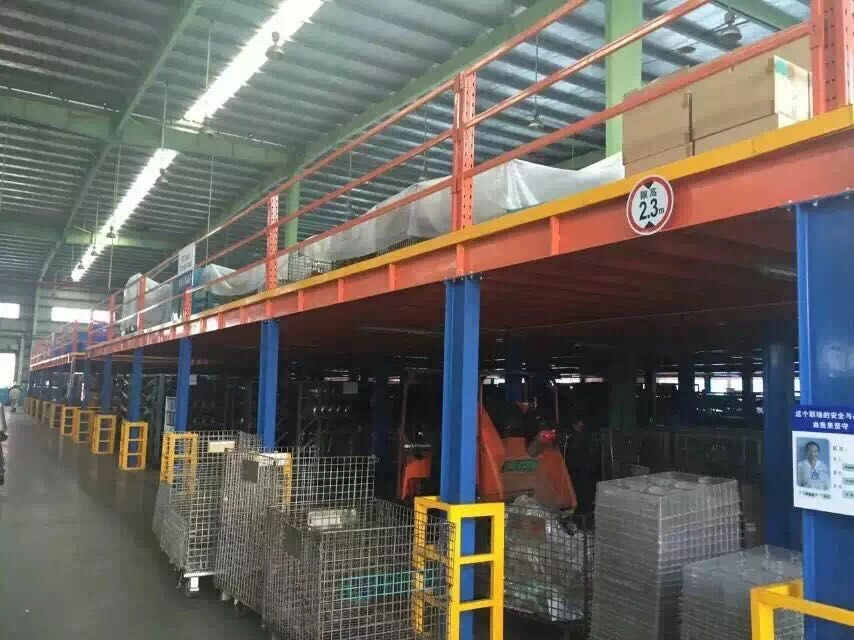
I-beams are widely used in commercial buildings, bridges, platforms, and industrial structures due to their durability and adaptability.
---
## Key Factors to Consider When Choosing an I-Beam Platform
### 1. Load Requirements and Structural Analysis
The first and most crucial factor is understanding the load your I-beam platform must support. This includes:
- **Dead Loads:** The weight of the I-beam itself plus any permanent fixtures.
- **Live Loads:** Variable weights such as people, machinery, furniture, or vehicles.
- **Environmental Loads:** Wind, snow, seismic activity, or other external forces.
A thorough structural analysis helps determine the bending moments and shear forces the I-beam must withstand.
**Tip:** Collaborate with a structural engineer to perform load calculations and ensure compliance with local building codes and safety standards.
### 2. Material Selection: Steel Grades and Alternatives
Most I-beams are fabricated from structural steel, but not all steel is created equal. Different grades offer varying strength, ductility, and corrosion resistance.
- **Carbon Steel:** Commonly used due to its strength and affordability.
- **High-Strength Low-Alloy (HSLA) Steel:** Offers improved mechanical properties and better resistance to atmospheric corrosion.
- **Stainless Steel:** Used in corrosive environments or where hygiene is paramount.
- **Alternative Materials:** In specialized applications, aluminum or composite materials may be considered for lighter weight or corrosion challenges.
Choosing the right material impacts the platform’s longevity and maintenance needs.
### 3. Dimensions and Size Specifications
I-beams come in various sizes, characterized by their height, flange width, web thickness, and length. These dimensions influence the beam’s load-bearing capacity and deflection characteristics.
*Key dimensions to consider:*
- **Height (Depth):** Taller beams typically resist bending better.
- **Flange Width and Thickness:** Affect lateral stability and load distribution.
- **Web Thickness:** Influences shear resistance.
Ensure the beam dimensions align with your project’s spatial constraints and structural demands.
### 4. Fabrication and Customization Options
Depending on your project, you might require standard I-beams or customized solutions. Custom fabrication can include:
- Cutting to specific lengths.
- Adding holes or slots for bolting or wiring.
- Welding additional components such as stiffeners.
Discuss fabrication capabilities with your supplier to accommodate installation and integration needs.
### 5. Environmental Conditions and Protective Coatings
Environmental exposure significantly affects the lifespan of an I-beam platform. Consider:
- **Corrosion Risks:** Coastal areas or chemical plants may accelerate rusting.
- **Temperature Extremes:** Can impact material properties.
- **Moisture and Humidity:** Contribute to deterioration over time.
Applying protective coatings such as galvanization, painting, or powder coating can extend service life. For harsh environments, stainless steel or weathering steel (COR-TEN) may be advisable.
### 6. Installation and Handling Constraints
The feasibility of transporting and installing the I-beam platform is a practical consideration often overlooked.
- **Weight and Size Limits:** May affect transportation means and route choices.
- **Site Accessibility:** Confined spaces may require smaller or modular beams.
- **Assembly Methods:** Bolted versus welded connections impact labor and timeline.
Plan logistics early to avoid costly delays.
---
## Integrating CSS Styles and Web Presentation for Project Documentation
While primarily a construction topic, modern projects often entail detailed documentation and web presentation. When showcasing your I-beam platform selections or designs online, consider integrating professional **CSS styles** to enhance readability and visual appeal.
### Using Box-Sizing and Border-Box for Layout Consistency
Applying the `box-sizing: border-box` rule across your web pages ensures that padding and borders are included within an element’s total width and height, simplifying layout management. For example:
```css
*, *::before, *::after {
box-sizing: border-box;
}
```
This helps maintain consistent sizing for elements such as specification tables or image containers.
### Typography and Color Scheme
Select font families like **Arial, Helvetica, sans-serif** to ensure clarity and professionalism. Use color variables or classes such as `.sde-detail` to highlight specifications, and `.sde-body` for main content text, maintaining a cohesive look.
```css
.sde-body {
font-family: Arial, Helvetica, sans-serif;
color: #333333;
background: #f9f9f9;
padding: 20px;
max-width: 800px;
margin: 0 auto;
}
```
### Visual Enhancements with Box Shadow and Gradients
Add depth to headers or callout sections using `box-shadow` and `linear-gradient` backgrounds to attract attention without overwhelming users.
```css
.sde-hero {
position: relative;
min-height: 200px;
background: linear-gradient(rgba(0,0,0,0.5), rgba(0,0,0,0.5)), url('base64-image-data') no-repeat center center/cover;
box-shadow: 0 4px 6px rgba(0,0,0,0.1);
overflow: hidden;
}
```
Using **base64 image data** embedded directly in CSS reduces HTTP requests and improves page load times — a benefit when presenting project documentation to stakeholders online.
---
## Conclusion
Choosing the right I-beam platform for your project requires a balanced assessment of multiple factors, including load demands, material properties, dimensional specifications, environmental exposure, and logistical constraints. Engaging with experienced engineers and suppliers early in the design phase can prevent costly mistakes and optimize the performance of your structural systems.
Additionally, when documenting and presenting your project details, leveraging clean CSS styles enhances communication clarity, professionalism, and stakeholder engagement.
By carefully considering these key aspects, you can ensure your I-beam platform contributes to a safe, efficient, and successful construction project.
---
If you have further questions about selecting I-beams or need assistance with structural design and project documentation, feel free to reach out to industry experts or consult accredited resources to tailor the best solution for your unique requirements.