# Cost Analysis: Are I-Beam Platforms a Budget-Friendly Solution?
In the realm of construction and structural engineering, choosing the right platform material and design is crucial not only for safety and longevity but also for cost efficiency. Among the many options available, **I-beam platforms** stand out as a popular choice due to their structural integrity and versatility. However, the question remains: *Are I-beam platforms truly a budget-friendly solution?* This article delves into a detailed cost analysis of I-beam platforms, exploring their advantages, hidden expenses, lifecycle costs, and how they compare with alternative materials and designs.
---
## Understanding I-Beam Platforms
Before diving into cost specifics, it’s essential to understand what I-beam platforms are and why they’re widely used.
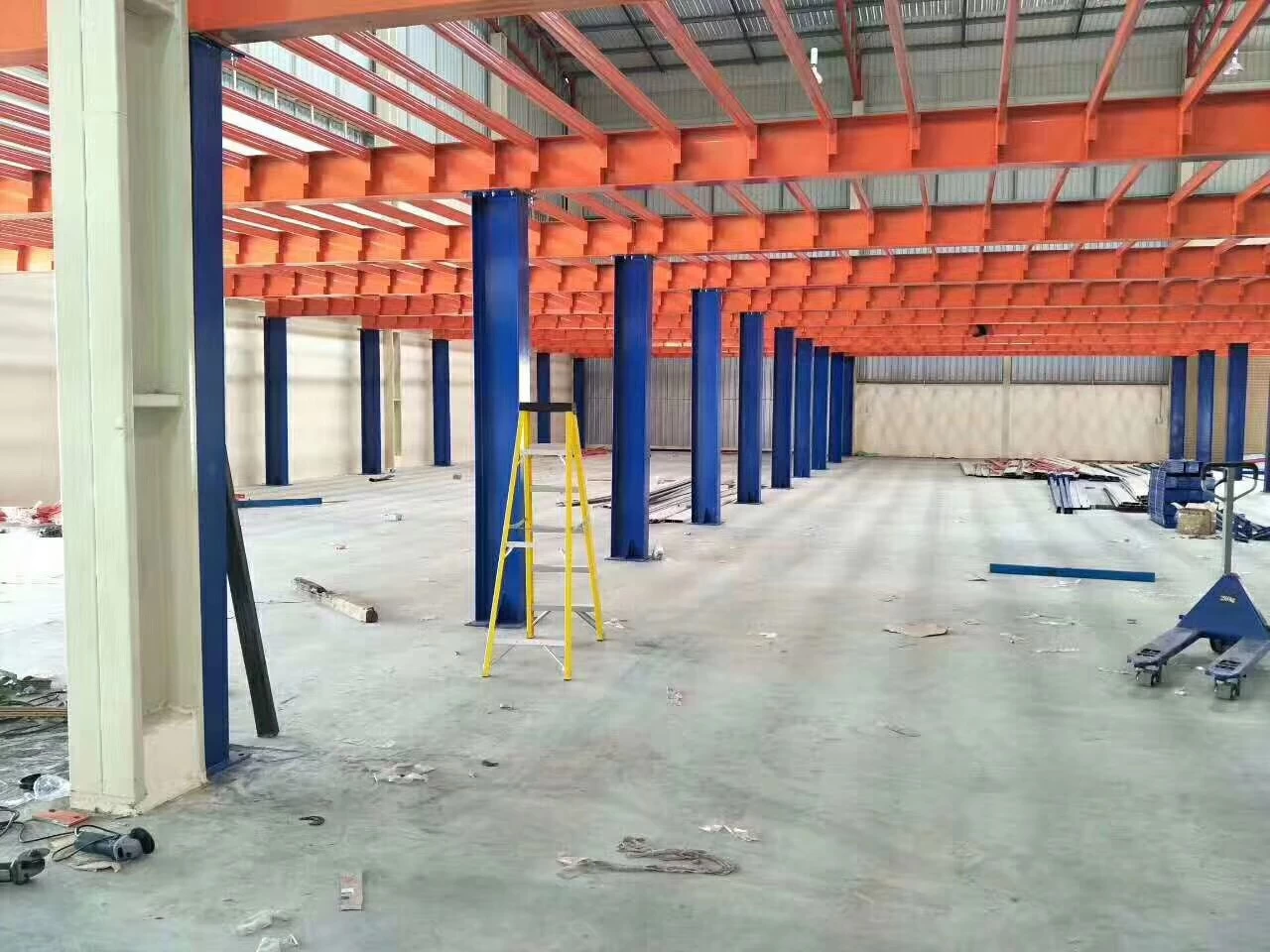
An **I-beam**, also called an H-beam or universal beam, is a beam with an I- or H-shaped cross-section. The design provides high strength-to-weight ratio, making it ideal for supporting heavy loads over long spans. I-beams are typically made from steel, which offers excellent durability and resilience.
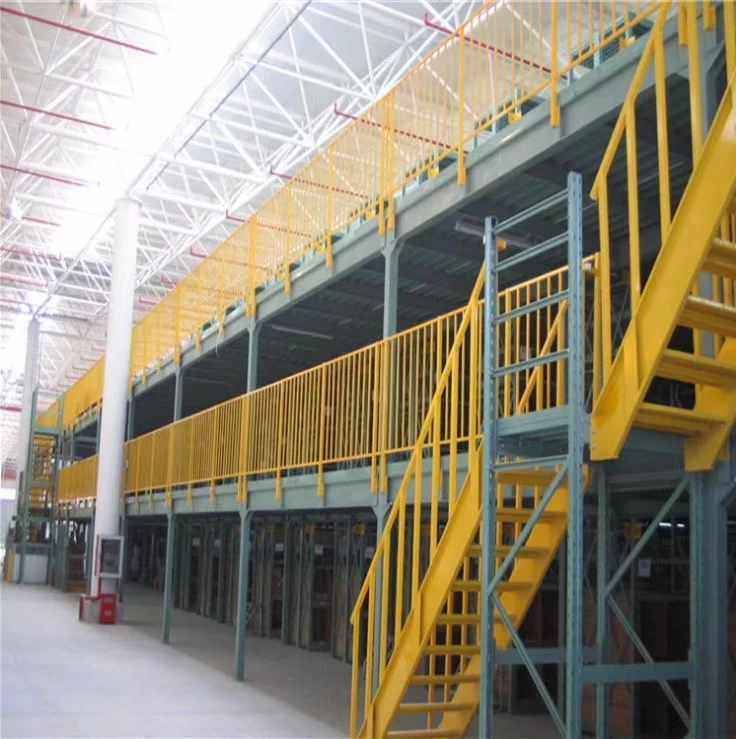
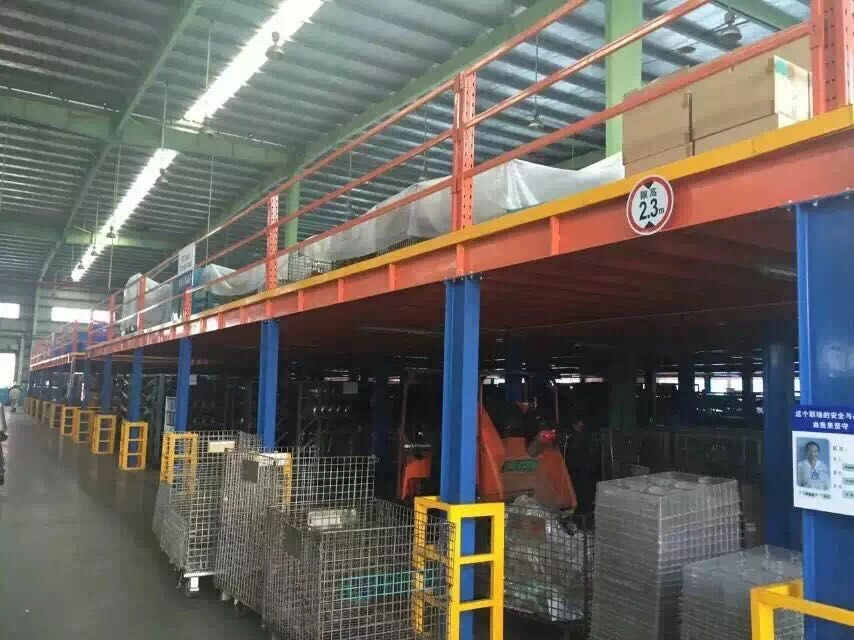
Platforms constructed using I-beams leverage this strong framework to create walkways, mezzanines, industrial platforms, and other structural components that require both support and stability.
---
## Components Influencing the Cost of I-Beam Platforms
When assessing whether I-beam platforms are budget-friendly, several factors must be considered:
### 1. Material Costs
Steel prices fluctuate based on market demand, geopolitical factors, and raw material availability. I-beams generally require a significant amount of steel, but their efficient shape means less material is needed compared to solid rectangular beams of equal strength.
- **Steel Quality:** Higher-grade steel elevates upfront costs but can improve longevity.
- **Size and Dimensions:** Larger or thicker I-beams increase material volume and price.
### 2. Fabrication and Manufacturing
Cutting, welding, drilling, and assembling the I-beam structure require skilled labor and specialized machinery. Custom designs or complex configurations add to fabrication costs.
### 3. Transportation and Handling
Due to their length and weight, transporting I-beams to the job site involves logistical considerations, including permits for oversized loads or specialized equipment for unloading.
### 4. Installation Expenses
Installing I-beam platforms demands heavy machinery such as cranes and experienced operators. The complexity of the site and safety requirements can further impact installation time and costs.
### 5. Maintenance Costs
Steel I-beams are susceptible to corrosion if not properly treated or maintained, particularly in outdoor or industrial environments. Protective coatings, inspections, and repairs contribute to ongoing expenses.
---
## Lifecycle Cost Analysis of I-Beam Platforms
A comprehensive cost assessment extends beyond initial expenditures to include the entire lifecycle of the platform—from procurement through operation and eventual replacement or recycling.
### Initial Capital Investment
While steel I-beams may present higher upfront costs than materials like wood or aluminum, their superior load-bearing capacity often translates to thinner, lighter structures. This efficiency can reduce overall material use and foundation requirements, offering savings in related construction costs.
### Durability and Longevity
Steel platforms built with I-beams commonly last 40-50 years or more when properly maintained. This lifespan surpasses many alternatives, reducing the frequency and expense of replacements.
### Maintenance and Repair
Periodic maintenance, such as repainting and rust treatment, is necessary but generally straightforward due to the accessibility and modular nature of I-beam platforms. Compared to composite or timber platforms, steel platforms often incur lower long-term maintenance costs.
### Resale and Recycling Value
At the end of their service life, steel I-beams retain scrap value. Recycling steel reduces environmental impact and recovers some financial investment, a benefit not always available with other materials.
---
## Comparing I-Beam Platforms with Alternatives
To determine if I-beam platforms are budget-friendly, it’s valuable to benchmark them against other common platform materials:
### Timber Platforms
- **Pros:** Lower initial material cost, easier to work with.
- **Cons:** Shorter lifespan, high maintenance, vulnerability to pests and moisture.
- **Cost Implication:** Although cheaper upfront, timber platforms may require frequent repairs or replacement, increasing lifecycle costs.
### Aluminum Platforms
- **Pros:** Lightweight, corrosion-resistant.
- **Cons:** Higher material cost than steel, lower strength.
- **Cost Implication:** Aluminum platforms have lower maintenance but may need larger cross-sections to achieve comparable strength, raising costs.
### Concrete Platforms
- **Pros:** Durable, fire-resistant.
- **Cons:** Heavy, requires substantial foundations, longer installation time.
- **Cost Implication:** High upfront costs and inflexibility in design can limit budget-friendliness.
### Steel Platforms (Other than I-Beams)
- **Pros:** Strong and versatile.
- **Cons:** May use more material (e.g., box sections) leading to increased weight and cost.
- **Cost Implication:** I-beams optimize material usage and cost compared to other steel section types.
---
## Design Considerations Affecting Cost Efficiency
Even within I-beam platform projects, design choices influence budget outcomes:
### Modular vs Custom Designs
Modular I-beam platforms facilitate faster assembly and reduced labor costs, improving budget adherence. Custom designs tailored to unique site conditions might add to both design and fabrication costs.
### Protective Coatings and Surface Treatments
Investing in high-quality galvanization or paint systems upfront helps prevent corrosion, reducing maintenance expenses over time and extending platform life.
### Integration with Structural Systems
Platforms designed to integrate seamlessly with existing structures minimize modifications and labor costs.
---
## Leveraging Modern Technologies and Best Practices
Innovations in design software and fabrication techniques can enhance the cost-effectiveness of I-beam platforms:
- **Building Information Modeling (BIM):** Enables precise planning, reducing material waste and unexpected issues during installation.
- **Prefabrication:** Off-site manufacturing improves quality control and accelerates onsite assembly.
- **Advanced Coatings:** New anti-corrosion technologies extend maintenance intervals.
---
## Conclusion: Are I-Beam Platforms Budget-Friendly?
Evaluating the budget-friendliness of I-beam platforms requires a holistic view encompassing material costs, fabrication, installation, maintenance, and lifecycle value.
- **Initial Costs:** I-beam platforms may have higher upfront costs compared to some alternatives, but their superior strength allows for efficient designs that reduce overall material and foundation needs.
- **Durability:** Long service life and robust performance in demanding environments minimize replacement frequency.
- **Maintenance:** Regular but manageable upkeep keeps platforms safe and operational without excessive expense.
- **Resale/Recycling:** Steel’s recyclability adds residual value at end-of-life.
For projects requiring reliable, durable, and structurally sound platforms capable of supporting heavy loads over extended periods, **I-beam platforms represent a cost-effective solution** when considering total lifecycle costs rather than just initial expenditure.
By integrating smart design, leveraging modern fabrication techniques, and investing in protective treatments, stakeholders can maximize budget efficiency while ensuring safety and performance.
---
## Appendix: CSS Styling Keywords and Their Relevance
To close the discussion, it’s worth noting that modern technical blogs and project documentation often incorporate **CSS styles** to improve readability and presentation. While seemingly unrelated to cost analysis, understanding elements like:
- **box-sizing** (often set to `border-box`),
- **margin** and **padding** adjustments,
- **background** settings,
- **font-family** preferences such as Arial, Helvetica, sans-serif,
- **color** schemes,
- **box-shadow** effects,
- **position-relative** layouts, and
- **linear-gradient** backgrounds,
contribute to crafting professional, accessible content that effectively communicates complex topics like I-beam platform cost analysis.
---
**In summary**, I-beam platforms, when evaluated comprehensively, offer a budget-conscious option for construction projects prioritizing durability, safety, and long-term value. Stakeholders should consider all cost facets and leverage technological advances to optimize their investment.