# Common Challenges with Drive-In Drive-Thru Pallet Racks and How to Overcome Them
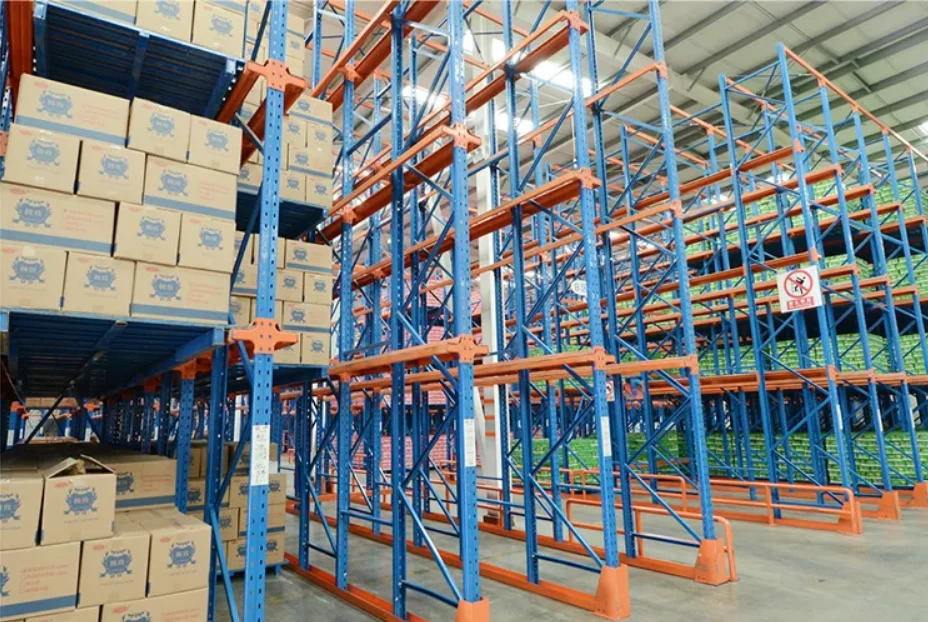
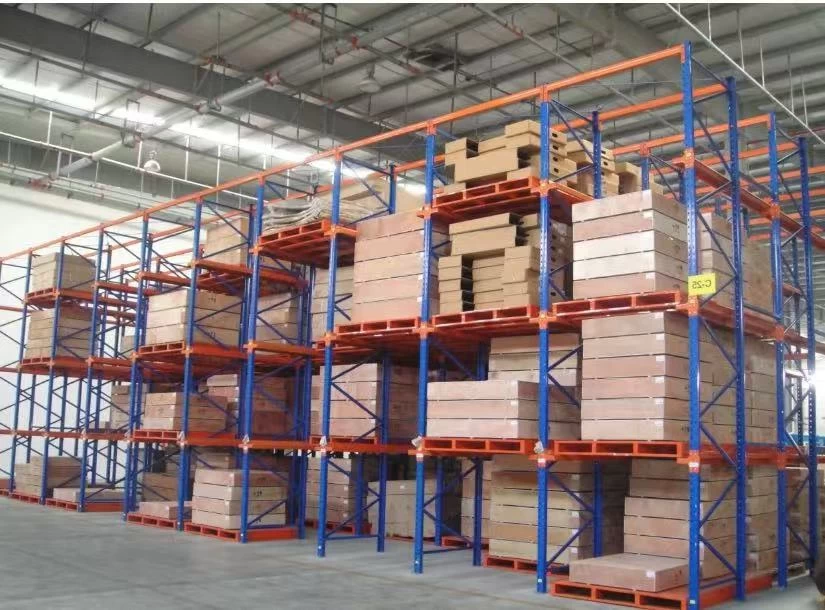
In the logistics, warehousing, and distribution sectors, optimizing storage solutions is critical to maintaining efficient operations. Among the various racking systems available, **drive-in** and **drive-thru pallet racks** are popular choices for high-density storage environments. These systems allow forklifts to enter the rack structure itself, maximizing storage space by reducing aisle widths and increasing pallet storage capacity. However, despite their advantages, drive-in and drive-thru pallet racks present several challenges that can impact safety, efficiency, and longevity if not properly managed.
This article explores common issues encountered with drive-in drive-thru pallet racks and provides practical strategies and best practices to overcome these challenges. By understanding these factors, warehouse managers, engineers, and safety professionals can optimize their storage systems to achieve maximum performance and safety.
---
## Understanding Drive-In and Drive-Thru Pallet Racks
Before delving into the challenges, it is important to briefly understand the fundamental differences between drive-in and drive-thru pallet racks:
- **Drive-In Pallet Racks:** These racks have only one entry/exit point. Forklifts enter from the front and load or unload pallets using a Last-In, First-Out (LIFO) system. This design maximizes storage density but limits pallet rotation.
- **Drive-Thru Pallet Racks:** These systems allow forklifts to enter from either side, enabling First-In, First-Out (FIFO) inventory management. This configuration requires openings on both sides of the rack structure.
Both systems share common structural components such as deep rails, heavy-duty uprights, and reinforced beams designed to support multiple pallet loads stacked deep within the rack.
---
## Common Challenges with Drive-In Drive-Thru Pallet Racks
### 1. Structural Damage Due to Forklift Impact
#### Issue:
Drive-in and drive-thru racks require forklifts to maneuver within narrow aisles that are often just wide enough to accommodate the vehicle’s dimensions. This tight clearance increases the risk of collisions with rack components such as uprights and beams. Over time, repeated impacts can cause deformation, weakening the structural integrity of the rack and creating safety hazards.
#### Solution:
- **Rack Guards and Column Protectors:** Install heavy-duty guards at the base of uprights to absorb impact energy.
- **Forklift Operator Training:** Emphasize precision driving skills and awareness in confined spaces.
- **Aisle Width Optimization:** While maintaining density, ensure aisles are wide enough to minimize contact risks without compromising storage capacity.
- **Regular Inspections:** Implement scheduled inspections to identify and repair damage early before it compromises safety.
---
### 2. Limited Selectivity and Access Constraints
#### Issue:
Drive-in systems operate on a LIFO basis, meaning the last pallet stored is the first accessible. This limitation makes it difficult to access older inventory without moving newer pallets, complicating inventory management and increasing handling times.
Drive-thru systems improve selectivity but still may pose challenges when pallets are blocked or mismatched in size or weight.
#### Solution:
- **Inventory Management Systems:** Use warehouse management software (WMS) to track pallet placement and optimize storage/retrieval sequences.
- **Standardizing Pallet Sizes:** Maintain uniform pallet dimensions to ensure smooth movement through rack depths.
- **Slotting Strategy:** Assign slower-moving or bulk inventory to drive-in racks, while higher-turnover products use more selective storage.
- **Use of Pallet Flow Racks:** For FIFO requirements, supplement drive-in/thru racks with gravity flow racks to improve selectivity.
---
### 3. Damage to Pallets and Stored Goods
#### Issue:
Because forklifts operate inside the rack structure, there is a higher chance of pallets being bumped, dropped, or improperly placed. This can result in damaged goods, compromised pallet integrity, and increased waste or rework costs.
#### Solution:
- **Operator Training:** Train forklift operators on proper loading techniques in tight spaces, emphasizing careful positioning.
- **Pallet Inspection Protocols:** Regularly inspect pallets for damage before storage.
- **Padding and Protective Materials:** Use corner protectors and cushioning materials on sensitive or high-value goods.
- **Automated Loading Solutions:** Consider automated guided vehicles (AGVs) or robotic palletizers for consistent placement in high-volume operations.
---
### 4. Fire Safety and Regulatory Compliance
#### Issue:
The dense stacking of pallets in drive-in and drive-thru racks can create challenges for fire suppression systems. Limited aisle access can hinder firefighting efforts, and tightly packed pallets may increase fire load and spread.
#### Solution:
- **Compliance with Codes:** Ensure racks meet local fire safety codes such as NFPA 13 for sprinkler systems.
- **Adequate Sprinkler Coverage:** Install in-rack sprinklers and monitor water density requirements for deep storage.
- **Maintain Clear Aisles:** Even in dense storage, keep aisles and access points free of obstructions.
- **Fire Detection Systems:** Integrate smoke detectors and heat sensors within rack structures.
- **Emergency Response Plans:** Train staff on fire evacuation and emergency procedures tailored to rack configurations.
---
### 5. Difficulty in Rack Maintenance and Cleaning
#### Issue:
Because forklifts operate inside the rack structure, and pallets are stored deeply, regular maintenance and cleaning operations can be challenging. Dust accumulation, debris, and minor damages may go unnoticed until they affect rack performance or product quality.
#### Solution:
- **Scheduled Rack Audits:** Conduct routine maintenance checks using inspection checklists focusing on welds, bolts, and beam connections.
- **Cleaning Protocols:** Establish cleaning schedules employing specialized equipment that can access tight spaces safely.
- **Use of Technology:** Utilize drones or remote cameras to inspect hard-to-reach areas without disrupting operations.
- **Record Keeping:** Maintain detailed logs of maintenance activities to track wear patterns and plan replacements proactively.
---
### 6. Weight Distribution and Load Capacity Concerns
#### Issue:
Drive-in and drive-thru racks bear significant loads, sometimes exceeding several tons per bay. Uneven or excessive loading can stress specific uprights or beams, risking collapse or premature failure.
#### Solution:
- **Load Monitoring:** Use load sensors or weight indicators to prevent overloading.
- **Clear Labeling:** Clearly mark maximum load capacities on each rack section.
- **Training:** Educate forklift operators on proper pallet placement to distribute weight evenly.
- **Engineering Assessments:** Engage structural engineers during rack design and periodically review load capacities based on changing warehouse demands.
---
### 7. Space Utilization vs. Operational Efficiency Trade-Off
#### Issue:
While drive-in and drive-thru racks maximize storage density, they may slow down operations due to limited access and longer retrieval times for buried pallets.
#### Solution:
- **Hybrid Storage Layouts:** Combine high-density racks with selective racks or pick modules to balance space and speed.
- **Process Optimization:** Analyze SKU velocity and assign products accordingly.
- **Automation Integration:** Incorporate automated picking technologies or pallet shuttles to reduce manual handling times.
- **Continuous Improvement:** Regularly review warehouse KPIs to adjust storage configurations aligning with operational goals.
---
## Conclusion
Drive-in and drive-thru pallet racks offer significant benefits in terms of high-density storage and efficient space utilization. However, their unique design introduces challenges related to safety, accessibility, maintenance, and inventory management. By proactively addressing these issues through a combination of strategic planning, operator training, technological adoption, and rigorous maintenance protocols, warehouses can harness the full potential of these racking systems while minimizing risks.
Investing in ongoing education, inspection, and technology upgrades ensures that drive-in and drive-thru pallet racks remain reliable assets in warehouse infrastructure, supporting streamlined operations and safeguarding assets for years to come.
---
### Additional Considerations: The Role of Design and Materials
When selecting or upgrading drive-in/drive-thru racks, attention to design details such as **box-sizing** (space management), **border-box** principles (structural framing), and materials that withstand wear (e.g., powder-coated steel with **linear-gradient** finishes for corrosion resistance) can enhance durability. Moreover, integrating ergonomic considerations like appropriate **margin** clearances and optimized **font-family** labels (e.g., Arial, Helvetica for clear signage) improves usability and safety awareness across teams.
---
By combining best practices in engineering, operational processes, and safety management, organizations can overcome common challenges associated with drive-in and drive-thru pallet racks and realize their full value in modern warehousing systems.