**Exploring the Essentials of Light Duty Shelves: A Comprehensive Guide**
In today's fast-paced and space-conscious environments, efficient storage solutions have become indispensable. Whether in homes, offices, retail stores, or warehouses, the need for versatile and reliable shelving systems is universal. Among the many types available, **light duty shelves** stand out as an optimal choice for organizing lighter items with ease and style. This article delves into the concept of light duty shelves, their applications, design considerations, and how modern web design principles can be employed to showcase them effectively online.
---
### What Are Light Duty Shelves?
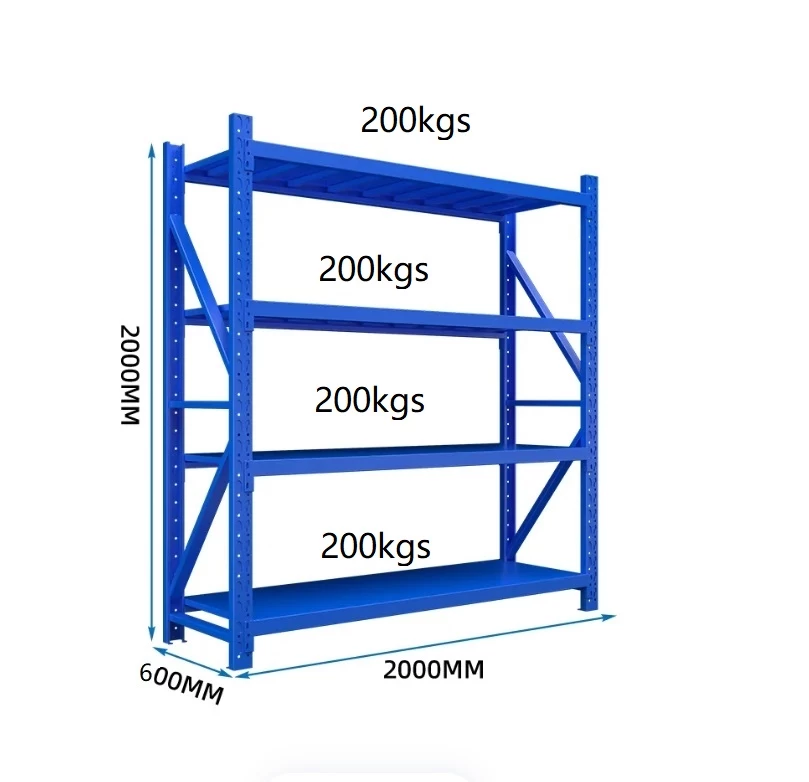
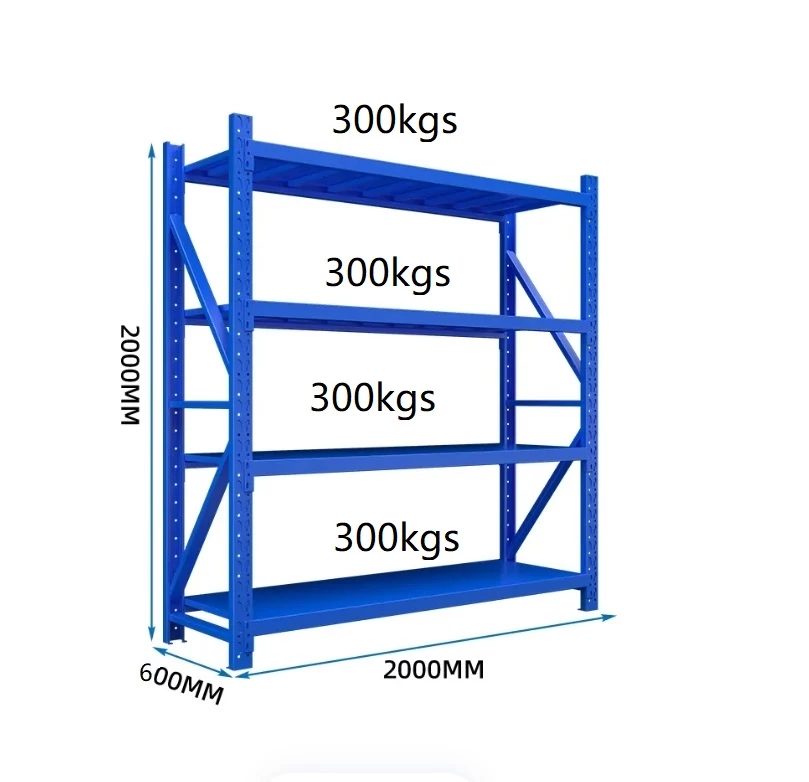
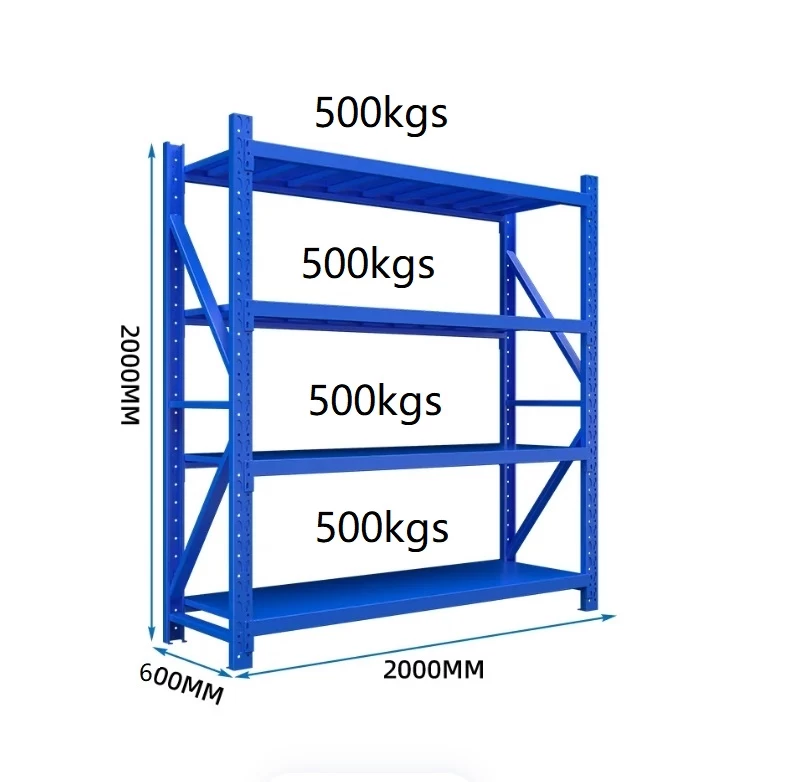
Light duty shelves are shelving units designed to support relatively lightweight items, typically ranging from 25 to 150 pounds per shelf, depending on the material and construction. Unlike heavy-duty shelves, which are built for industrial use and heavy loads, light duty shelves cater to everyday storage needs such as books, office supplies, small tools, decorative items, or boxed goods.
These shelves are commonly made from materials like:
- **Wood** (solid wood, MDF, plywood)
- **Metal** (steel, aluminum)
- **Plastic** (polypropylene, PVC)
They come in various forms, including wall-mounted units, freestanding racks, adjustable shelves, and modular systems.
---
### Applications of Light Duty Shelves
The versatility of light duty shelves makes them suitable for multiple environments:
- **Residential Use:** Organize kitchenware, books, collectibles, and small appliances.
- **Office Spaces:** Manage files, stationery, and electronic devices.
- **Retail Displays:** Showcase products without overwhelming the display area.
- **Workshops and Studios:** Store tools, parts, and craft materials safely and accessibly.
- **Healthcare Facilities:** Hold medical supplies and documents efficiently.
---
### Key Features and Benefits
When choosing light duty shelving, several features contribute to their functionality and appeal:
1. **Space Efficiency:** Designed to maximize vertical and horizontal space without being bulky.
2. **Aesthetic Flexibility:** Available in various colors and finishes to complement interior design.
3. **Ease of Installation:** Many models feature simple assembly or wall-mounting options.
4. **Adjustability:** Shelves can often be repositioned to accommodate items of different heights.
5. **Durability:** Despite their "light duty" designation, quality shelves offer long-lasting performance.
6. **Cost-Effectiveness:** Generally more affordable than heavy-duty alternatives.
---
### Design Considerations for Light Duty Shelves
Choosing or designing a light duty shelf involves evaluating multiple factors:
#### Load Capacity
Always verify the weight limit per shelf to ensure safety and avoid damage. Manufacturers typically provide maximum load ratings.
#### Dimensions
Consider the size of the items to be stored. Shelves should be wide and deep enough without overwhelming the space.
#### Material and Finish
Materials affect durability, appearance, and maintenance. For example, powder-coated steel resists rust while wooden shelves add warmth.
#### Accessibility
Shelves should allow easy reach and visibility. Open shelving encourages quick access, while enclosed units protect contents from dust.
#### Wall Mounting vs. Freestanding
Wall-mounted shelves save floor space but require secure installation. Freestanding units offer mobility and flexibility.
---
### Showcasing Light Duty Shelves Online: The Role of Modern Web Design
In an increasingly digital marketplace, presenting light duty shelves effectively on e-commerce websites or company portfolios is crucial. Web designers must balance aesthetics, usability, and responsiveness while ensuring that product details are clear and engaging.
Key CSS properties and design elements help achieve this goal:
---
### Utilizing Box-Sizing and Border-Box for Layout Precision
CSS's `box-sizing` property, especially when set to `border-box`, ensures that an element’s total width and height include padding and borders. This simplifies layout calculations and maintains consistent sizing across different browsers.
```css
* {
box-sizing: border-box;
}
```
This approach is fundamental when designing product grids or detail sections to avoid unexpected overflows or misalignments.
---
### Typography: Font-Family Choices for Readability and Brand Identity
Selecting appropriate fonts enhances readability and reinforces brand personality. For professional and clean presentations, fonts like Arial, Helvetica, and generic sans-serif families are preferred.
```css
body.sde-body {
font-family: Arial, Helvetica, sans-serif;
color: #333;
}
```
Consistent use of typography across headings, descriptions, and specifications maintains visual harmony.
---
### Color Palettes and Backgrounds
A white background (`#fff`) provides a neutral canvas that highlights product images and text without distraction. Complementary colors can be introduced via borders, icons, or buttons.
```css
.sde-detail {
background: #fff;
color: #222;
padding: 20px;
box-shadow: 0 0 10px rgba(0,0,0,0.1);
margin: 20px auto;
max-width: 1200px;
overflow: hidden;
}
```
Using shadows (`box-shadow`) adds subtle depth, making product cards or sections appear elevated and distinct.
---
### Responsive Layouts with Width and Max-Width
To accommodate various screen sizes, setting widths relative to the viewport and constraining content with `max-width` ensures readability and prevents stretched layouts.
```css
.sde-page {
width: 90%;
max-width: 1200px;
margin: 0 auto;
}
```
Auto margins center content horizontally, essential for balanced design.
---
### Hero Section Styling: Positioning and Background Gradients
A compelling hero section grabs user attention immediately. For light duty shelf websites, a hero banner can combine product imagery with overlay gradients for text readability.
```css
.sde-hero {
position: relative;
min-height: 650px;
background: linear-gradient(
rgba(4, 45, 105, 0.92),
rgba(4, 45, 105, 0.92)
), url('shelf-hero.jpg') no-repeat center center/cover;
color: #fff;
display: flex;
justify-content: center;
align-items: center;
text-align: center;
padding: 40px;
overflow: hidden;
}
```
The use of semi-transparent rgba colors as overlay ensures text contrast while preserving background visibility.
---
### Margin and Padding for Spacing
Proper use of margins and padding creates breathable layouts, preventing clutter.
- **Margin** controls external spacing between elements.
- **Padding** manages internal spacing within containers.
Example:
```css
.sde-detail {
margin: 40px auto;
padding: 30px;
}
```
---
### Overflow Hidden for Clean Interfaces
Applying `overflow: hidden` to containers prevents unwanted scrollbars and hides excess content, maintaining neatness.
---
### Summary
Light duty shelves are indispensable tools for organized living and working spaces. Their design balances practicality and aesthetics, supporting lighter loads without sacrificing style or durability. When marketing these products online, leveraging modern web design techniques—such as controlled box-sizing, thoughtful typography, clean color schemes, responsive layouts, and engaging hero sections—ensures an appealing and functional presentation.
By understanding both the physical product characteristics and the digital representation strategies, businesses can effectively meet customer needs and enhance user experience, driving sales and satisfaction.
---
### Final Thoughts
Whether you are a homeowner seeking to declutter, a retailer enhancing your product lineup, or a web designer tasked with creating an intuitive product page, mastering the nuances of light duty shelving and their presentation is invaluable. Consider the load capacities, material options, and installation methods carefully, and employ best practices in your website design to showcase these versatile shelves at their best.
---
**Keywords:** box-sizing, border-box, sde-body, margin, background, font-family, Arial, Helvetica, sans-serif, color, sde-detail, width, padding, sde-page, max-width, auto margin, white background (#fff), box-shadow, overflow hidden, sde-hero, position relative, min-height 650px, linear-gradient background, rgba colors (4, 45, 105, .92)