# Exploring Selective Pallet Rack Systems: A Comprehensive Guide for Efficient Warehouse Storage
In the modern logistics and warehousing industry, efficient space utilization and easy accessibility are critical factors in maintaining operational excellence. Among various storage solutions, **Selective Pallet Rack systems** stand out as one of the most widely used and versatile options. This blog article delves deep into the concept of selective pallet racking, its benefits, design considerations, and best practices to optimize your warehouse storage.
---
## What is a Selective Pallet Rack?
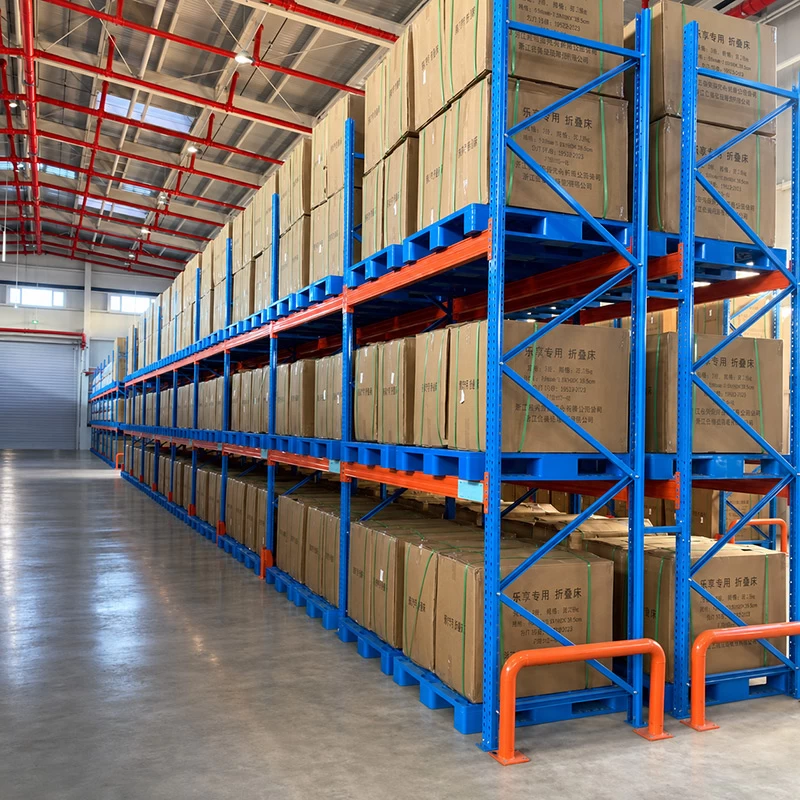
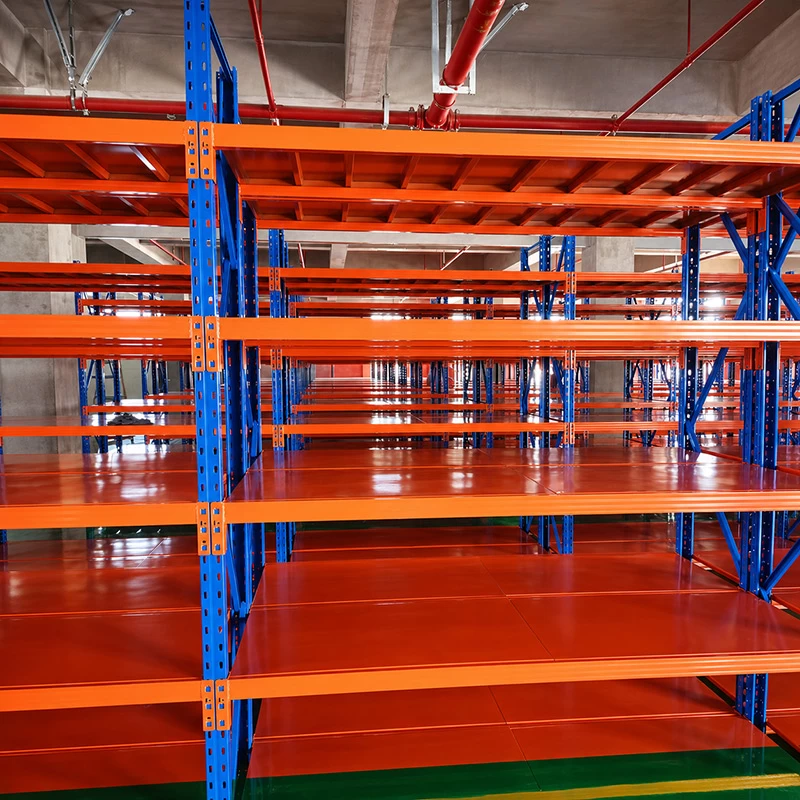
A **Selective Pallet Rack** is a storage system designed to hold pallets in rows with direct access to each pallet. This system consists of upright frames and horizontal beams, allowing pallets to be stored on multiple levels. The defining feature of selective pallet racking is that it provides 100% selectivity — every pallet can be accessed without moving others, which makes it highly flexible and ideal for warehouses requiring frequent picking and restocking.
### Key Components of Selective Pallet Racks:
- **Upright Frames:** Vertical structures that support the beams.
- **Horizontal Beams:** Connect the upright frames and support the pallets.
- **Wire Decking or Steel Decking:** Sometimes installed on beams to provide additional pallet support.
- **Accessories:** Includes row spacers, column protectors, and safety bars.
---
## Advantages of Using Selective Pallet Rack Systems
### 1. **Full Accessibility**
The foremost advantage of selective pallet racks is direct access to every pallet. Unlike other systems such as drive-in or push-back racks, you can retrieve any pallet without moving others, which reduces handling time and labor costs.
### 2. **Versatility**
Selective pallet racks accommodate various load sizes and weights. Whether your inventory consists of heavy machinery parts or lightweight consumer goods, the system can be customized accordingly.
### 3. **Cost-Effectiveness**
Compared to automated storage and retrieval systems (AS/RS), selective pallet racks have a lower upfront cost, making them attractive for small to medium-sized warehouses.
### 4. **Ease of Installation and Modification**
Selective racking systems are relatively simple to install and can be reconfigured or expanded as your warehouse needs evolve.
### 5. **Compatibility with Various Material Handling Equipment**
Forklifts, pallet jacks, and order pickers operate efficiently with selective pallet racks, enhancing warehouse workflow.
---
## Design Considerations for Optimal Selective Pallet Rack Implementation
### 1. **Understanding Warehouse Layout and Space Utilization**
Maximizing vertical space is crucial. Selective racks can be installed up to heights of 30 feet or more, depending on building constraints and equipment capabilities. However, consider aisle widths to ensure safe forklift operation.
### 2. **Load Capacity and Beam Selection**
Choosing the right beams and uprights to handle your pallet weight is essential. Overloading racks can lead to structural failure and safety hazards.
### 3. **Safety Features**
Incorporate accessories like column protectors to prevent forklift damage, wire decking to prevent pallet collapse, and safety clips to secure beams in place.
### 4. **Storage Density vs. Accessibility**
Selective pallet racks trade off some storage density for accessibility. If storage density is a priority, consider hybrid systems or alternative racking solutions.
### 5. **Compliance with Standards**
Ensure racks comply with OSHA regulations and local building codes to maintain workplace safety and avoid legal issues.
---
## Best Practices to Enhance Efficiency Using Selective Pallet Racks
### 1. **Implement Proper Labeling and Inventory Management**
Clear labeling of rack locations, combined with warehouse management systems (WMS), can reduce picking errors and improve turnaround times.
### 2. **Regular Maintenance and Inspections**
Conduct routine inspections for damaged beams or uprights and repair promptly to prevent accidents.
### 3. **Optimize Aisle Widths**
Balance between narrow aisles for increased storage and sufficient space for forklift maneuvering to maintain safety and productivity.
### 4. **Training Warehouse Staff**
Educate employees on proper loading techniques and safety protocols to extend rack life and reduce workplace injuries.
### 5. **Leverage Technology**
Integrate barcode scanners, RFID tags, and warehouse automation tools to streamline inventory tracking and picking processes.
---
## Comparing Selective Pallet Rack with Other Racking Systems
| Feature | Selective Pallet Rack | Drive-In/Drive-Through Rack | Push-Back Rack | Pallet Flow Rack |
|--------------------------|---------------------------|-----------------------------|----------------------------|----------------------------|
| Accessibility | 100% direct access | Limited (LIFO) | Limited (LIFO) | FIFO with gravity flow |
| Storage Density | Moderate | High | Higher than selective | High |
| Cost | Low to moderate | Moderate | Moderate | Higher |
| Ideal For | Variety of SKUs, mixed pallets | Bulk storage of same SKU | Medium variety, high turnover | High turnover, FIFO |
| Equipment Compatibility | Forklifts, pallet jacks | Specialized forklifts | Forklifts | Gravity rollers |
---
## Incorporating Design Elements Inspired by Web and Graphic Design Principles
While selective pallet racks pertain to physical warehouse infrastructure, there is a parallel in designing effective layouts drawing from principles common in web and graphic design — such as **box-sizing**, **margin**, **padding**, and **color schemes**—to create an environment that is not only functional but also visually organized and safe.
### Applying ‘Box-sizing’ and ‘Border-box’ Concepts
Just as the CSS property `box-sizing: border-box;` ensures padding and borders are included within an element's total width and height, warehouse design must account for all spatial elements — including clearance, buffer zones, and safety margins — within the total footprint of the storage system. This prevents underestimating required space and improves safety.
### Use of Margins and Padding for Safety Buffers
Margins in warehouse layout translate to buffer zones between racks and aisles, allowing smooth movement and preventing collisions. Similarly, padding can be likened to protective guards and column protectors that cushion impacts.
### Color Coding and Signage
Using consistent color schemes (akin to `color` and `background` CSS properties) helps in quickly identifying different zones, hazard areas, and pallet categories, reducing errors and improving safety.
---
## Environmental and Sustainability Considerations
In today's eco-conscious market, sustainability plays a role in warehouse design:
- **Material Selection:** Opt for racks made with recycled steel or environmentally friendly coatings.
- **Energy Efficiency:** Design rack layouts that maximize natural light and ventilation, reducing energy costs.
- **Waste Reduction:** Use modular racks that can be reused or repurposed during warehouse changes.
---
## Conclusion
Selective pallet rack systems remain one of the most reliable and adaptable storage solutions in warehousing. Their versatility, accessibility, and cost-effectiveness make them suitable for a wide range of industries from retail to manufacturing.
By understanding their components, benefits, and design considerations, warehouse managers can optimize storage space, improve inventory management, and enhance overall operational efficiency. Integrating best practices along with safety and sustainability measures further ensures a robust and future-proof storage infrastructure.
Investing time in planning and maintaining your selective pallet rack system will pay dividends in productivity, safety, and bottom-line results.
---
### About the Author
[Author Name] is a logistics and supply chain expert with over a decade of experience in warehouse design and operations. Passionate about leveraging technology and innovative practices, [he/she/they] help businesses optimize their storage solutions and improve operational workflows.
---
### References & Further Reading
- Occupational Safety and Health Administration (OSHA) – Warehouse Safety Standards
- Material Handling Industry (MHI) – Pallet Rack Guidelines
- Warehouse Management System (WMS) Best Practices
- “Warehouse & Distribution Science” by John Bartholdi and Steven Hackman
---
If you have questions about implementing or upgrading your selective pallet rack system, feel free to reach out or leave a comment below!