# Common Pallet Rack Failures and How to Avoid Them
Pallet racking systems are an essential component of warehouse infrastructure, providing organized storage solutions that maximize space and improve operational efficiency. However, pallet racks are also subject to various failures that can compromise safety, disrupt workflows, and result in substantial financial losses. Understanding the common causes of pallet rack failures and implementing best practices to prevent them is crucial for warehouse managers, safety officers, and logistics professionals.
In this comprehensive article, we will explore the typical types of pallet rack failures, analyze their root causes, and provide practical strategies to avoid them. Additionally, we will highlight key considerations related to product specifications, installation, maintenance, and compliance with industry regulations.
---
## Understanding Pallet Rack Systems
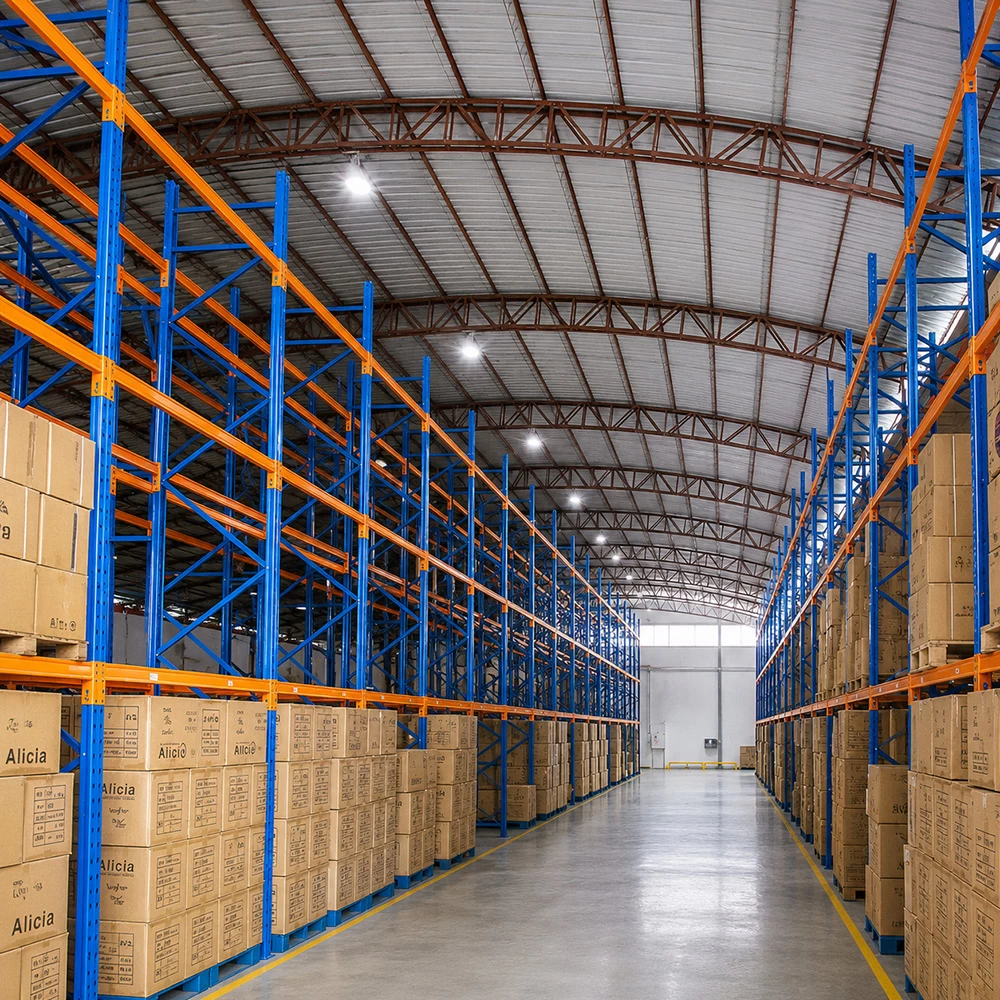
Before delving into failures, it is important to understand the basic components of a pallet rack system:
- **Upright Frames:** Vertical columns that support the load.
- **Beams:** Horizontal members that connect uprights and support pallets.
- **Bracing:** Diagonal or horizontal braces that provide stability.
- **Decking:** The surface where products rest, often wire mesh or wood panels.
These components work together to create a stable structure capable of supporting heavy loads. Failure in any part can lead to catastrophic consequences.
---
## Common Types of Pallet Rack Failures
### 1. Structural Damage Due to Impact
One of the most frequent causes of pallet rack failure is impact damage caused by forklifts or other warehouse machinery. Forklift operators may accidentally collide with upright frames or beams, resulting in bent or weakened components.
**Consequences:**
- Reduced load-carrying capacity
- Compromised structural integrity
- Increased risk of collapse
**How to Avoid:**
- Implement physical barriers such as guard rails or bollards around critical rack areas.
- Train forklift operators extensively on safe driving practices.
- Use visible markings and signage to delineate traffic lanes and rack zones.
- Conduct regular inspections to identify and repair impact damage promptly.
### 2. Overloading and Improper Load Distribution
Exceeding the designed weight capacity of pallet racks or unevenly distributing loads can cause beams or uprights to buckle or fail.
**Consequences:**
- Permanent deformation of structural members
- Sudden collapse under excessive strain
- Damage to stored products and injury to personnel
**How to Avoid:**
- Adhere strictly to manufacturer-specified load limits on each rack level.
- Use clear labeling to indicate maximum allowable weights.
- Train warehouse staff on proper stacking techniques and load distribution.
- Utilize load monitoring technologies when possible.
### 3. Poor Installation Practices
Improper assembly or installation of pallet racks can result in alignment issues, insufficient anchoring, or missing components, all of which undermine rack stability.
**Consequences:**
- Instability during loading/unloading operations
- Increased susceptibility to failure under normal use conditions
**How to Avoid:**
- Engage certified professionals for rack installation.
- Follow manufacturer instructions and industry standards meticulously.
- Ensure that anchoring to the floor is secure and appropriate for the substrate.
- Verify that bracing and locking mechanisms are correctly installed.
### 4. Lack of Regular Inspections and Maintenance
Warehouses that neglect routine inspection and maintenance allow minor defects to escalate into serious problems.
**Consequences:**
- Undetected corrosion weakening metal components
- Loose bolts or connections reducing rack strength
- Accumulation of debris or obstructions affecting stability
**How to Avoid:**
- Establish a scheduled inspection program with qualified personnel.
- Use detailed checklists covering all rack elements.
- Document findings and take corrective actions promptly.
- Keep racks clean and free of obstructions.
### 5. Environmental Factors
Exposure to moisture, chemicals, or temperature extremes can degrade pallet rack materials, especially if they are not properly coated or treated.
**Consequences:**
- Rust and corrosion reducing metal strength
- Warping or weakening of decking materials
- Premature aging of structural components
**How to Avoid:**
- Select racks with appropriate protective coatings (e.g., powder coating, galvanization).
- Control environmental conditions within the warehouse where feasible.
- Avoid storing incompatible chemicals near racks.
- Replace damaged components immediately.
---
## Best Practices for Preventing Pallet Rack Failures
### Design and Planning
- **Assess Warehouse Layout:** Optimize aisle widths and rack configurations to minimize forklift collisions and ensure efficient access.
- **Select Appropriate Materials:** Consider load requirements, environmental conditions, and regulatory compliance when choosing rack types and materials.
- **Incorporate Safety Features:** Install column protectors, end-of-aisle guards, and load backstops.
### Training and Awareness
- Conduct regular training sessions for all warehouse personnel on rack safety.
- Promote a culture of safety where employees report damages or hazards immediately.
- Use clear signage and labels to communicate load capacities and operating procedures.
### Technology Integration
- Implement warehouse management systems (WMS) that track inventory and rack usage.
- Use sensors and IoT devices to monitor rack conditions in real-time.
- Employ software tools to simulate load scenarios and optimize rack design.
### Compliance with Standards
- Follow guidelines from organizations such as the Rack Manufacturers Institute (RMI), Occupational Safety and Health Administration (OSHA), and local building codes.
- Ensure that inspections meet or exceed recommended frequencies and criteria.
---
## Case Study: Avoiding Rack Failure in a High-Traffic Warehouse
A leading retail distribution center experienced multiple incidents of pallet rack damage due to forklift impacts and overloading. By conducting a thorough audit, management identified several weaknesses:
- Lack of adequate physical protection around rack columns.
- Insufficient operator training programs.
- No formalized inspection and maintenance schedule.
**Actions Taken:**
- Installed heavy-duty column guards and bollards at strategic locations.
- Developed a comprehensive training curriculum focusing on rack safety.
- Established monthly inspections with detailed reporting protocols.
- Implemented a WMS module to monitor load limits in real-time.
**Results:**
Within six months, forklift-related rack damages dropped by 80%, and overall safety incidents decreased significantly. The warehouse improved operational efficiency and reduced unplanned downtime.
---
## Conclusion
Pallet rack failures pose significant risks to warehouse safety and productivity but are largely preventable through informed design, installation, and maintenance practices. By understanding the common causes of failure — including impact damage, overloading, improper installation, lack of maintenance, and environmental factors — organizations can implement targeted strategies to mitigate these risks.
Regular training, adherence to standards, and the integration of modern technologies further enhance the reliability of pallet racking systems. Ultimately, investing in proactive measures not only safeguards personnel and assets but also contributes to long-term operational excellence.
---
*For more insights on warehouse management and safety, explore our product page featuring advanced pallet rack solutions designed with durability and compliance in mind.*