# Medium Duty Shelves vs. Heavy Duty Shelves: What’s the Difference?
In modern storage solutions, choosing the right shelving system is crucial for both efficiency and safety. Whether in warehouses, retail spaces, offices, or homes, the type of shelving you select can significantly impact your organization, load capacity, and long-term durability. Two common categories that often come under consideration are **medium duty shelves** and **heavy duty shelves**. While these terms may seem straightforward, understanding their differences is essential to making an informed decision tailored to your specific needs.
This article explores the key distinctions between medium duty and heavy duty shelving systems, delves into their design features, load capacities, typical applications, and what factors you should consider when selecting the appropriate shelving for your environment.
---
## Understanding Shelving Systems: The Basics
Before diving into the differences, it’s important to understand what shelving systems generally consist of. Shelving units are constructed to provide a stable platform where items can be stored safely and accessed easily. Key components typically include:
- **Shelves or decks:** The surface where items rest.
- **Frames:** Vertical supports that hold shelves in place.
- **Bracing:** Structural reinforcements that increase stability.
- **Fasteners or clips:** Hardware that secures parts together.
Materials vary widely, from steel and aluminum to wood and plastic composites. However, metal shelving—particularly steel—is most common in commercial and industrial applications due to its strength and durability.
---
## Defining Medium Duty Shelves
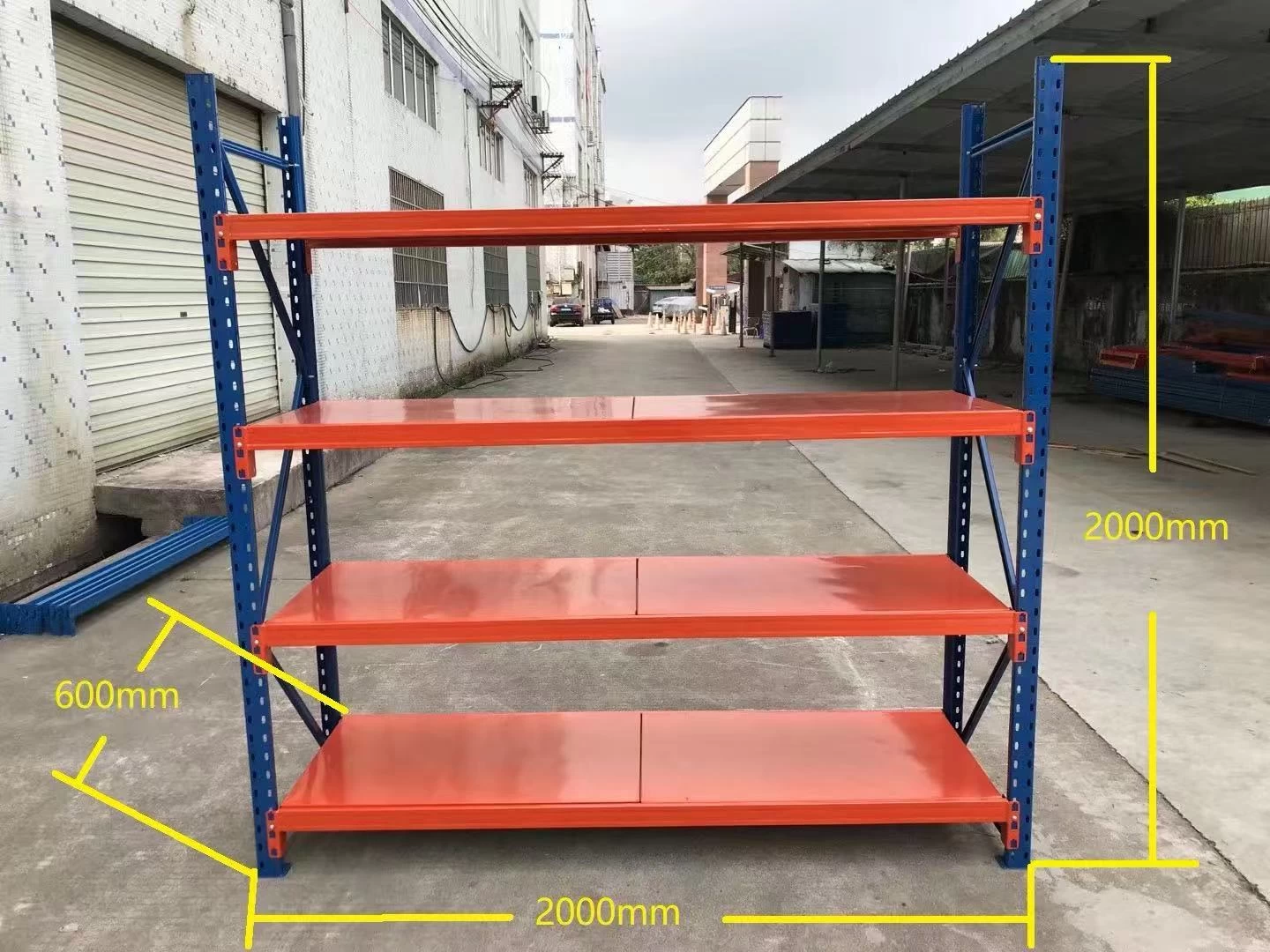
Medium duty shelves are designed to accommodate a moderate amount of weight per shelf level, making them versatile for various environments. Typically, medium duty shelving supports loads ranging from **150 to 800 pounds per shelf**, depending on design and materials.
### Characteristics of Medium Duty Shelves
- **Load Capacity:** Generally supports between 150 to 800 lbs per shelf.
- **Materials:** Often made from steel with powder-coated finishes to prevent corrosion.
- **Design:** Usually incorporates adjustable shelves with boltless or rivet-type connections.
- **Dimensions:** Available in various widths and depths, commonly around 36 to 48 inches wide and 12 to 24 inches deep.
- **Modularity:** Easily configurable and expandable.
- **Cost:** Moderately priced, providing a balance between cost-efficiency and durability.
- **Typical Uses:** Ideal for office archives, retail inventory, light warehouse storage, garages, and workshops.
### Advantages of Medium Duty Shelves
- Flexibility to store a wide variety of items.
- Easy assembly and reconfiguration.
- Suitable for environments where loads are predictable and not excessively heavy.
- Generally occupies less space compared to heavy duty options.
---
## Defining Heavy Duty Shelves
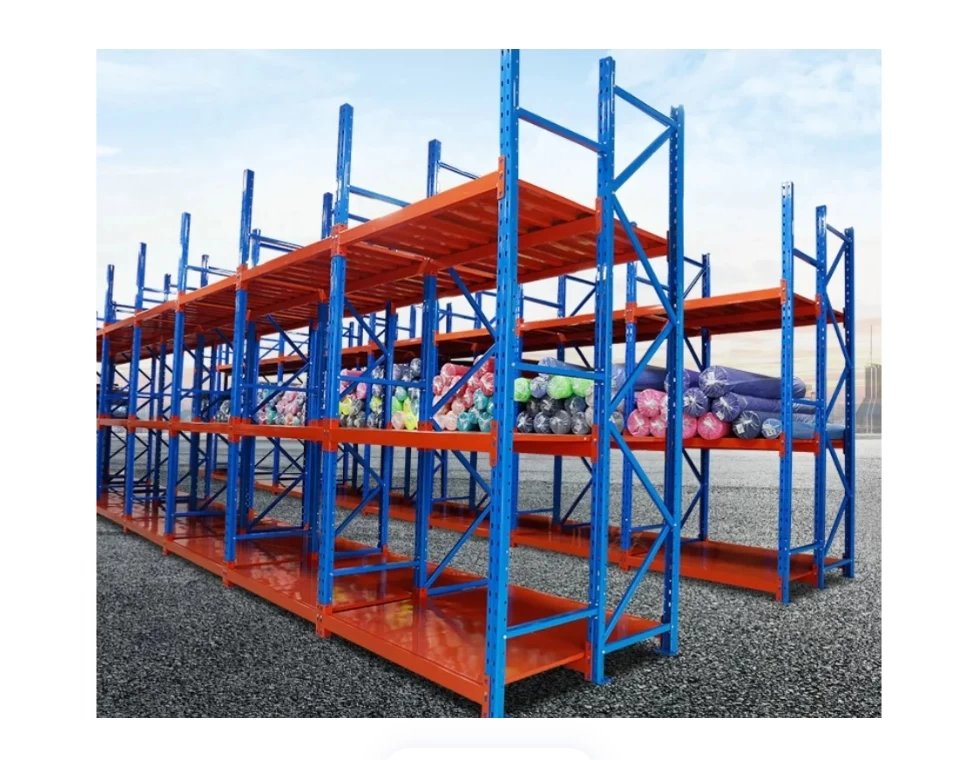
Heavy duty shelves, as the name implies, are engineered to handle significantly higher weight loads. These shelves are built for rugged environments where durability and strength are paramount.
### Characteristics of Heavy Duty Shelves
- **Load Capacity:** Commonly supports over **800 pounds per shelf** and can go up to several thousand pounds.
- **Materials:** Typically constructed using thicker gauge steel or reinforced alloys.
- **Design:** Includes welded frames and reinforced beams; often features bolted connections for enhanced stability.
- **Dimensions:** Can be larger to accommodate bigger or bulkier items; shelf heights and depths are customizable.
- **Stability:** Designed to withstand heavy vibrations, impacts, and continuous use.
- **Cost:** Generally more expensive due to materials and manufacturing complexity.
- **Typical Uses:** Warehouses, manufacturing facilities, automotive shops, and environments requiring storage of heavy machinery parts, pallets, or bulk goods.
### Advantages of Heavy Duty Shelves
- Exceptional load-bearing capability.
- Long-term durability under harsh conditions.
- Enhanced stability reduces risk of structural failure.
- Often compliant with industrial safety standards.
---
## Key Differences Between Medium Duty and Heavy Duty Shelves
| Feature | Medium Duty Shelves | Heavy Duty Shelves |
|----------------------|---------------------------------------|------------------------------------------|
| **Load Capacity** | 150–800 lbs per shelf | 800+ lbs per shelf, up to several tons |
| **Material Thickness**| Moderate gauge steel | Thick gauge steel or reinforced alloys |
| **Frame Construction**| Boltless or rivet-type assemblies | Welded or bolted heavy-duty frames |
| **Shelf Adjustability**| Highly adjustable | Adjustable but often fixed for stability |
| **Typical Applications**| Offices, retail, light warehouses | Industrial warehouses, manufacturing |
| **Cost** | Moderate | Higher |
| **Durability** | Suitable for moderate use | Designed for intensive, heavy use |
---
## Factors to Consider When Choosing Between Medium and Heavy Duty Shelves
Selecting the correct shelving system depends on multiple factors that impact performance, safety, and cost.
### 1. **Weight of Stored Items**
The most critical factor is the weight of the products or materials you intend to store. Overloading a medium duty shelf beyond its rated capacity can lead to structural failure, posing safety hazards.
### 2. **Frequency of Access**
If inventory is accessed frequently or moved using forklifts and other equipment, heavy duty shelves offer better resistance to wear and tear.
### 3. **Space Constraints**
Medium duty shelving systems tend to be more compact and flexible. For locations with limited floor or ceiling height, they may be preferable.
### 4. **Budget**
Heavy duty units typically require a higher initial investment. However, their longevity and robustness can justify the expense in demanding environments.
### 5. **Environmental Conditions**
Consider exposure to moisture, chemicals, or temperature extremes. Powder-coated medium duty shelves might suffice for dry, indoor use, while heavy duty shelves often feature additional protective coatings to withstand harsh conditions.
---
## Design Considerations: Beyond Load Capacity
While load capacity is a headline spec, other design elements define the suitability of shelving systems.
### Material and Finish
Steel shelving is often coated with powder paint to resist corrosion and enhance aesthetics. Some heavy duty shelves incorporate galvanized finishes for outdoor or humid environments. In contrast, medium duty shelving often uses lighter coatings sufficient for indoor use.
### Shelf Decking Options
- **Wire mesh decking:** Allows airflow and visibility, often used in heavy duty racks.
- **Solid steel or wood decks:** Common in medium duty shelves to provide a flat surface.
### Assembly Method
- **Boltless shelving:** Facilitates quick assembly and reconfiguration, common with medium duty units.
- **Bolted or welded construction:** Provides added strength and rigidity for heavy duty shelves, though assembly may require tools and skilled labor.
---
## Installation and Safety Guidelines
Proper installation is paramount regardless of shelving type. Key recommendations include:
- **Level Flooring:** Ensures even load distribution.
- **Anchoring:** Heavy duty shelves should be anchored to walls or floors to prevent tipping.
- **Load Distribution:** Evenly distribute weight across shelves to avoid localized stress.
- **Regular Inspections:** Check for signs of wear, corrosion, or damage.
- **Comply with Standards:** Follow OSHA or local regulations governing storage systems.
---
## Practical Applications: Medium Duty vs. Heavy Duty Shelves
### Medium Duty Shelves in Action
- **Office Storage:** Archiving files, stationery, and office supplies.
- **Retail Backrooms:** Storing boxed merchandise or seasonal stock.
- **Home Garages:** Organizing tools, paint cans, and sports equipment.
- **Light Manufacturing:** Holding small parts or finished goods.
### Heavy Duty Shelves in Action
- **Industrial Warehouses:** Pallet storage, heavy raw materials.
- **Automotive Shops:** Tires, engines, and heavy tools.
- **Distribution Centers:** Bulk inventory handling, including heavy cartons.
- **Construction Sites:** Storing heavy equipment and building materials.
---
## Conclusion
Choosing between medium duty and heavy duty shelving depends largely on your specific storage requirements, budget, and operational environment. Medium duty shelves offer flexibility and cost-effectiveness for moderate loads, while heavy duty shelves provide the strength and durability needed for heavy, bulky, or industrial-grade storage.
Understanding their differences in load capacity, construction, materials, and typical applications empowers you to select shelving that maximizes space efficiency, ensures safety, and supports your organizational workflow. As you consider your options, don't overlook the importance of proper installation and maintenance to get the most out of your shelving investment.
---
## Additional Tips for Selecting Shelving Systems
- **Assess future needs:** Plan for scalability and potential increases in load or volume.
- **Consult with suppliers:** Request detailed specifications and certifications.
- **Consider ergonomics:** Ensure shelves are accessible and safe for users.
- **Integrate technology:** Some modern shelving can incorporate automation or inventory tracking.
---
By understanding the nuances between medium duty and heavy duty shelves, your storage solution will be well-equipped to meet your operational demands efficiently and safely.
---
*For more insights into optimizing your storage infrastructure, visit our blog regularly and subscribe to our newsletter.*