# Maximizing Space Efficiency with Cantilever Racks in Small Warehouses
In today’s fast-paced logistics and warehousing industries, optimizing space has become a crucial part of operational efficiency. Small warehouses, in particular, face the challenge of limited square footage combined with increasing inventory demands. This calls for innovative storage solutions that maximize vertical and horizontal space without compromising accessibility or safety. One such solution gaining widespread popularity is the use of **cantilever racks**. This article explores how cantilever racks can transform small warehouse environments by maximizing space efficiency, improving inventory management, and enhancing overall workflow.
---
## Understanding Cantilever Racks
Before delving into their benefits, it’s essential to understand what cantilever racks are and how they differ from traditional storage systems.
### What Are Cantilever Racks?
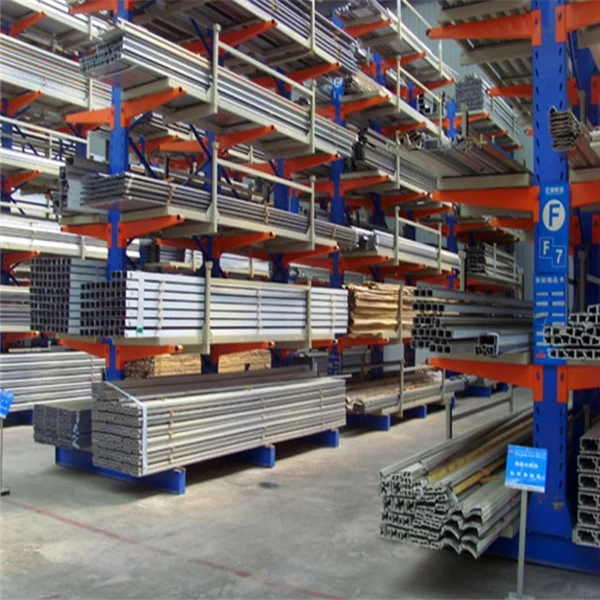
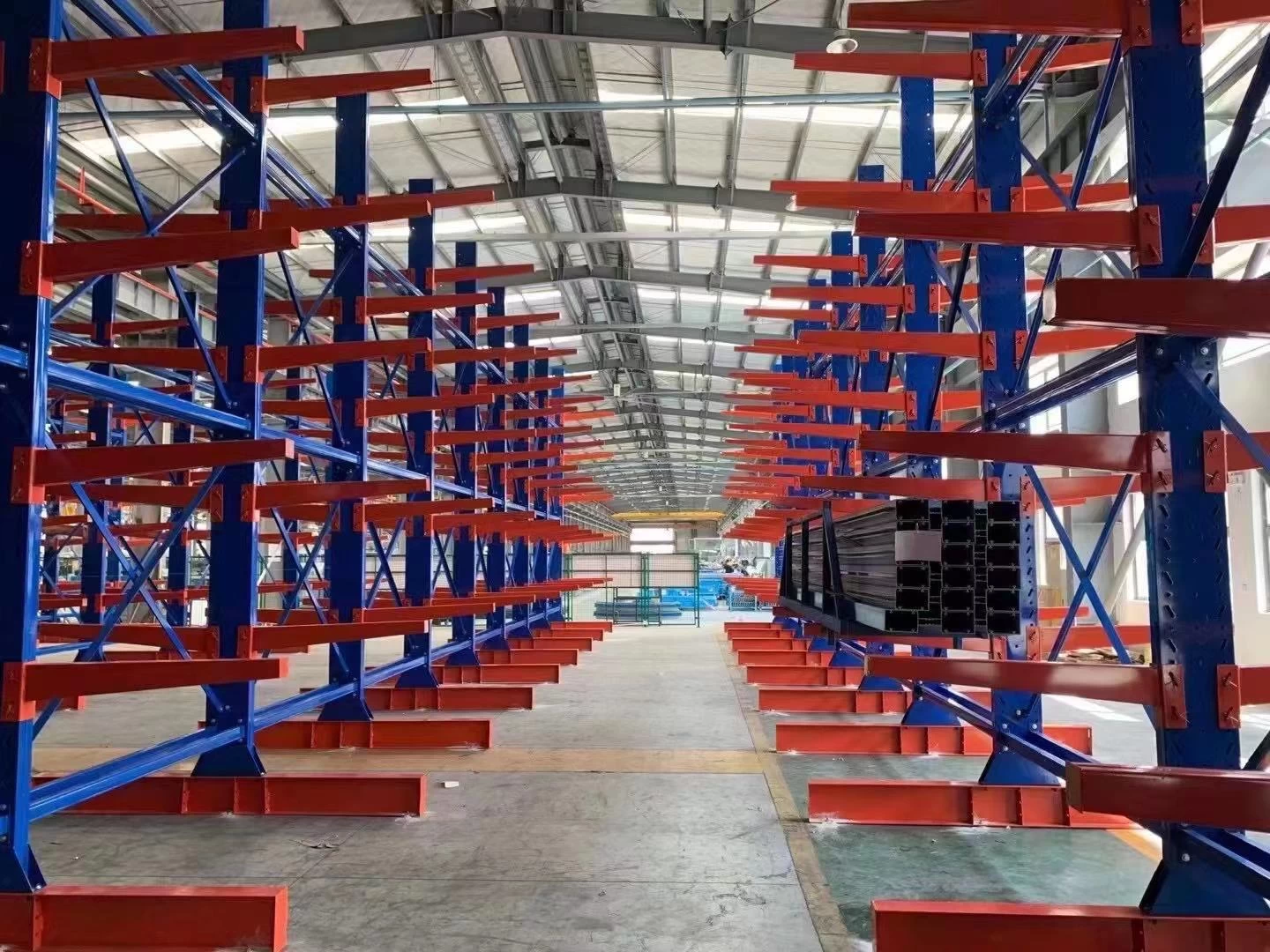
Cantilever racks are storage racks designed with arms that extend horizontally from a single vertical column — the "cantilever." These arms provide open storage space without front columns, allowing easy access to bulky, long, or irregularly shaped items such as lumber, pipes, steel bars, and furniture.
Unlike pallet racks or shelving systems that require support columns at both ends, cantilever racks rely on one side for support, making them highly versatile for storing long or awkwardly sized inventory.
### Components of Cantilever Racks
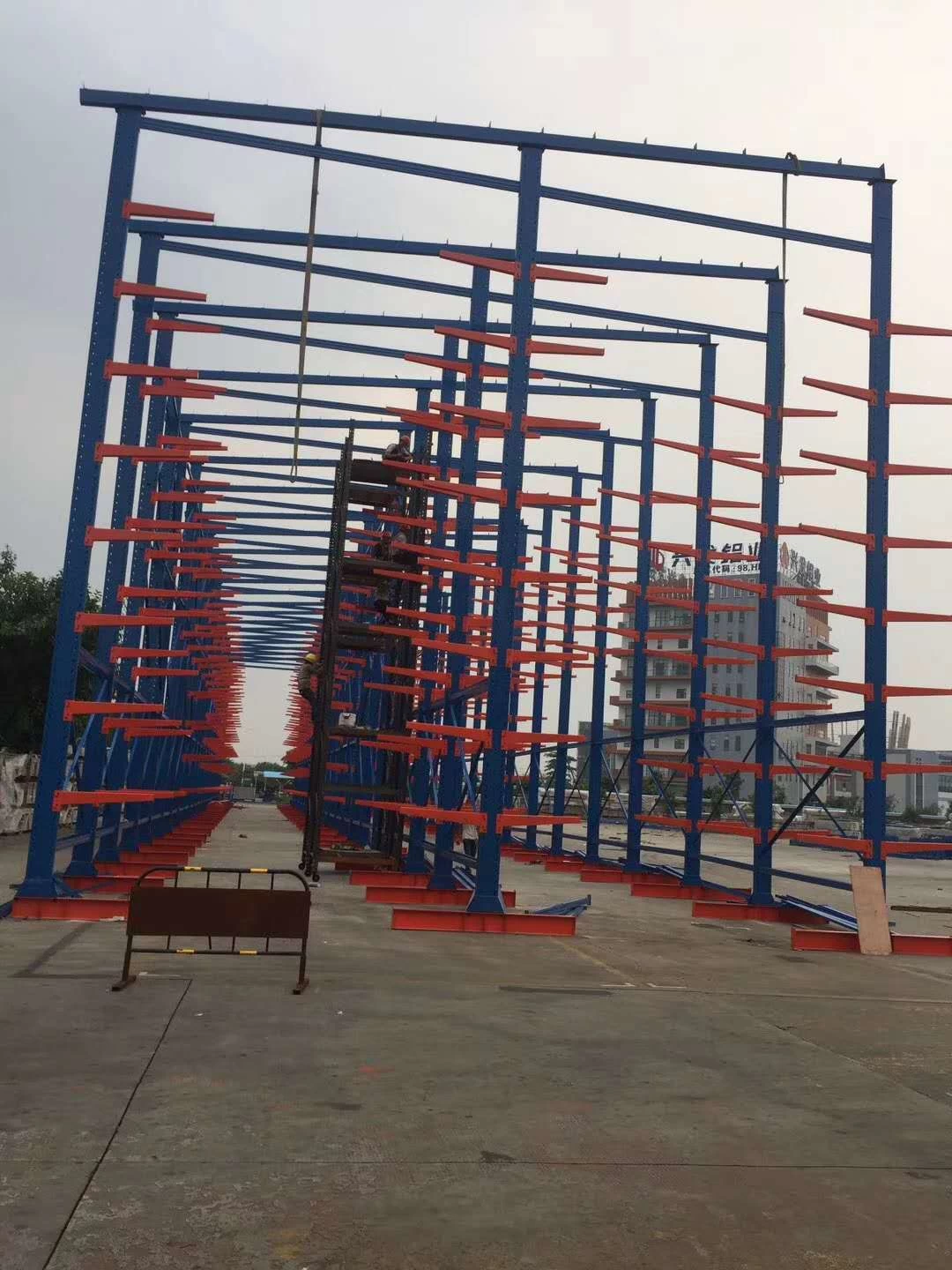
- **Base**: Provides stability and can be anchored to the floor.
- **Uprights**: Vertical columns supporting the arms.
- **Arms**: Horizontal shelves extending from the uprights.
- **Bracing**: Reinforcement bars between uprights for added stability.
---
## Challenges in Small Warehouses
Small warehouses typically face several inherent challenges that impact storage efficiency:
- **Limited Floor Space**: Often constrained by physical building dimensions.
- **High Inventory Turnover**: Requires quick and easy access to stored items.
- **Varied Inventory Sizes**: Items may range from small boxes to large, bulky materials.
- **Safety Concerns**: Cluttered spaces increase accident risks.
- **Cost Constraints**: Budget limits reduce investment in expensive storage equipment.
To overcome these hurdles, businesses need storage solutions that leverage vertical space, optimize aisles, and accommodate diverse inventory types without causing congestion.
---
## How Cantilever Racks Maximize Space Efficiency
### 1. Optimizing Vertical Space Utilization
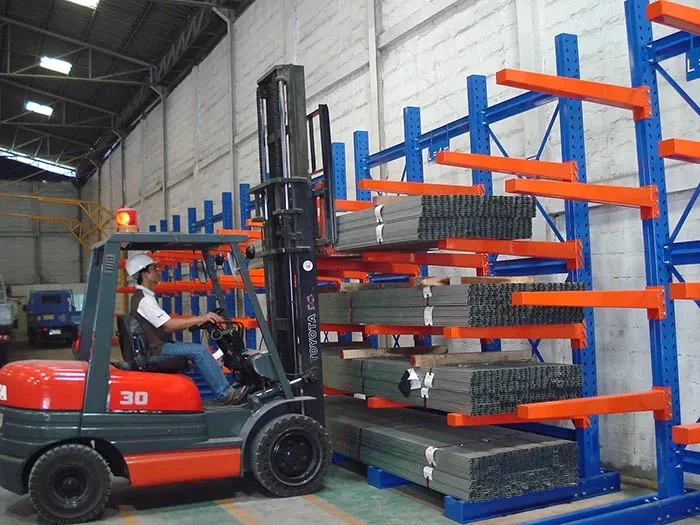
One of the primary ways cantilever racks improve space efficiency is by enabling vertical stacking of long or bulky items. Because cantilever racks lack front columns, forklifts and manual handlers can load and unload items easily from the front. This design allows warehouses to build upward without sacrificing accessibility.
Vertical storage is vital in small warehouses where expanding footprint is impossible. By utilizing height effectively, cantilever racks free up valuable floor space for other operational activities such as packing, sorting, or staging.
### 2. Flexibility in Storage Configuration
Cantilever racks offer excellent flexibility; arms can be adjusted in height and length to accommodate various inventory sizes. This adaptability is especially beneficial in warehouses storing mixed product lines.
For example, a small warehouse handling both long steel pipes and shorter wooden planks can customize arm spacing accordingly, minimizing wasted space between items. Additionally, cantilever racks can be configured as single-sided or double-sided units depending on aisle width and layout constraints.
### 3. Improved Accessibility Reduces Aisle Widths
Traditional pallet racks require wide aisles for forklift maneuvering due to the presence of front columns and pallets. Cantilever racks’ open-front design means operators can retrieve goods with minimal obstruction, enabling narrower aisles.
Narrow aisles translate into more rack rows per square foot, effectively increasing storage density. In small warehouses where every inch counts, this advantage can significantly boost capacity.
### 4. Accommodating Irregular and Oversized Items
Small warehouses often struggle with storing non-standard inventory because conventional racks or shelving cannot accommodate unusual shapes or sizes. With cantilever racks, there are no vertical obstructions at the front, allowing for oversized or awkwardly shaped items to be stored safely.
This reduces the need for specialized custom storage solutions or off-site warehousing, which can be costly and inefficient.
---
## Practical Considerations When Implementing Cantilever Racks
While cantilever racks offer numerous benefits, proper planning and execution are essential to fully realize their potential.
### Evaluating Warehouse Layout and Inventory
A thorough assessment of the warehouse layout and inventory types should come first. Consider:
- Ceiling height and clearances.
- Typical item dimensions and weights.
- Frequency of item retrieval.
- Available aisle widths.
This analysis helps determine the optimal rack height, arm length, and whether single- or double-sided racks are appropriate.
### Selecting Materials and Finishes
Cantilever racks are typically made of steel, but variations exist in thickness, coatings, and finishes. For small warehouses, powder-coated finishes (often in colors like #102033 for a professional look) provide durability and corrosion resistance while complementing warehouse aesthetics.
Surface treatments also contribute to easier maintenance and longer rack lifespan.
### Compliance with Safety Standards
Safety is paramount, especially when stacking heavy or tall inventory. Cantilever racks must comply with local building codes and occupational health standards. This includes:
- Proper anchoring to prevent tipping.
- Load capacity clearly marked on each arm.
- Regular inspections to detect wear or damage.
- Adequate lighting and signage.
Ensuring compliance minimizes accident risks and protects personnel.
### Integrating with Warehouse Management Systems (WMS)
Modern warehouses benefit from digital inventory tracking. Cantilever racks can be integrated with barcode scanners and RFID tags for real-time stock monitoring. This integration streamlines picking processes and reduces errors, further improving space utilization by preventing overstocking or misplaced items.
---
## Case Study: Small Warehouse Transformation Using Cantilever Racks
Consider a small warehouse specializing in construction materials storage. Originally, the warehouse used conventional pallet racks, which limited storage to floor-level stacking and required wide aisles for forklifts. Inventory turnover was slow due to poor accessibility, and the warehouse was cluttered with long pipes and lumber lying on the floor.
After installing custom cantilever racks with adjustable arms and implementing narrower aisles, the warehouse achieved:
- A 35% increase in storage capacity by building vertically.
- Faster retrieval times due to improved access.
- Reduced floor clutter, enhancing safety.
- Better inventory organization, leading to fewer misplaced items.
The racks were finished in a clean white (#fff) color with subtle box shadows (0 18px 55px rgba(0,48,110,.18)) to improve visibility and create a professional environment.
---
## Maintenance Best Practices for Cantilever Racks
To maintain maximum efficiency and safety in small warehouses, regular maintenance of cantilever racks is necessary:
- **Routine Inspections**: Check for bent arms, loose bolts, or rust.
- **Load Audits**: Ensure loads do not exceed rated capacities.
- **Cleaning**: Remove dust and debris to prevent corrosion.
- **Recalibration**: Adjust arm positions as inventory changes.
- **Training**: Educate staff on proper loading techniques.
Proactive maintenance extends rack life and sustains optimized space usage.
---
## Conclusion
In the context of small warehouses where space optimization is critical, cantilever racks offer a compelling solution. Their unique design maximizes vertical space, improves accessibility, and accommodates diverse inventory types while maintaining safety and operational efficiency. By carefully planning rack configurations, selecting suitable materials, and integrating with warehouse management systems, businesses can significantly enhance storage capacity and workflow.
Implementing cantilever racks is not merely about adding shelves — it’s about transforming how a small warehouse operates to meet modern demands. As companies look to maximize return on limited real estate, cantilever racks will continue to play a pivotal role in efficient, scalable warehouse storage solutions.
---
**Keywords:** box-sizing, border-box, sde-body, margin, background color (#eef3f8), font-family (Arial, Helvetica, sans-serif), color (#102033), sde-detail, padding (30px 10px), sde-page, max-width (790px), margin auto, background white (#fff), box-shadow (0 18px 55px rgba(0,48,110,.18)), overflow hidden, sde-hero, po