# How to Choose the Right Cantilever Rack for Your Inventory Needs
In the realm of warehouse management and inventory storage, choosing the right racking system is critical to optimizing space, improving operational efficiency, and ensuring safety. Among the various storage solutions available, cantilever racks stand out for their versatility, especially when it comes to storing long, bulky, or irregularly shaped items such as pipes, lumber, steel bars, and furniture. However, selecting the appropriate cantilever rack tailored to your specific inventory needs requires a thorough understanding of several factors—from material type and rack design to load capacity and installation environment.
This comprehensive guide aims to walk you through the essential considerations involved in choosing the right cantilever rack, so you can maximize your storage potential while maintaining cost-effectiveness and operational safety.
---
## Understanding Cantilever Racks: A Brief Overview
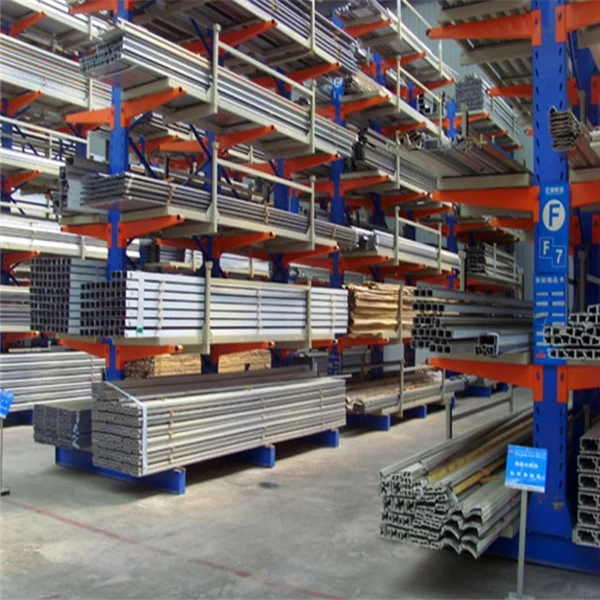
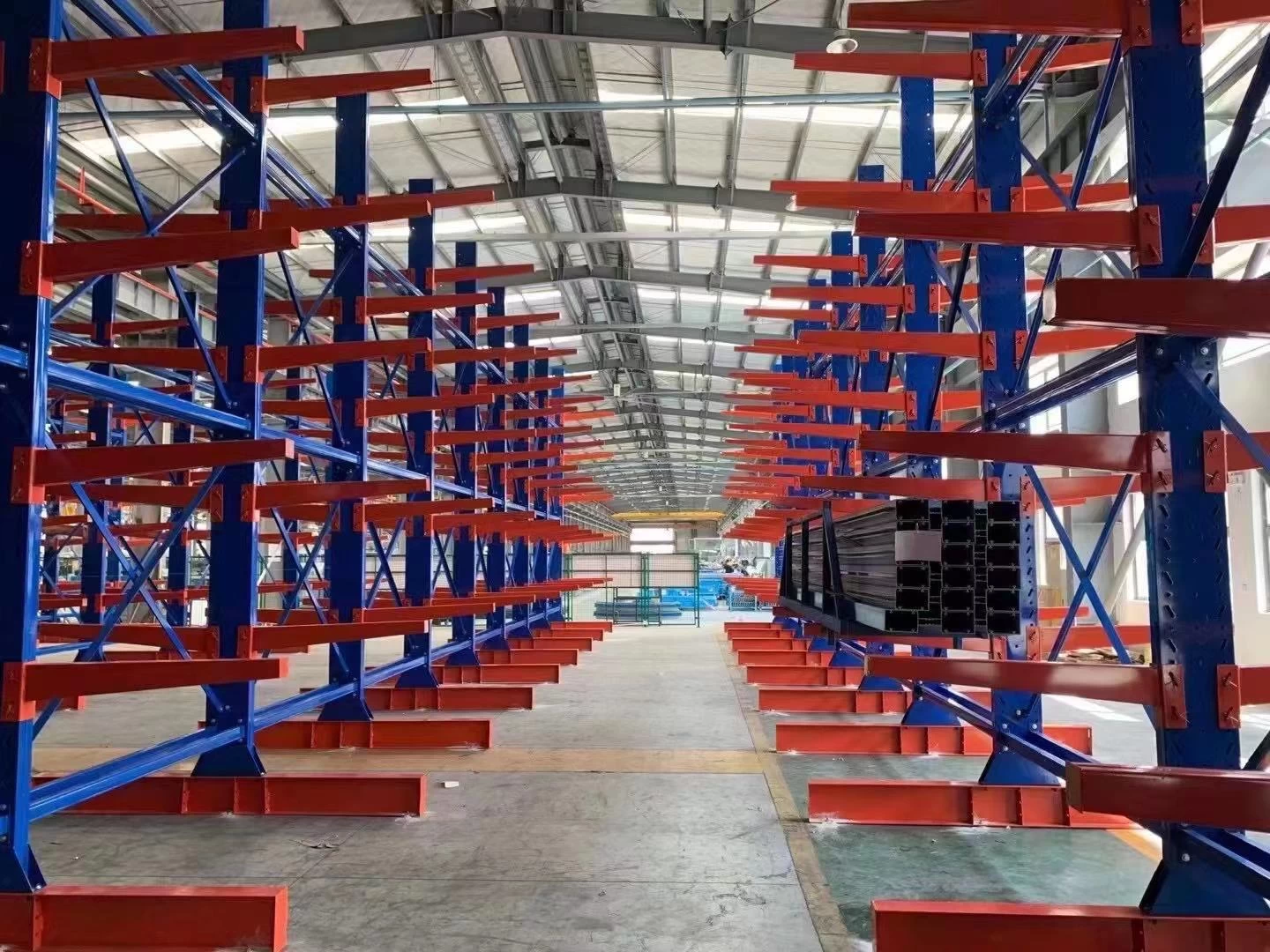
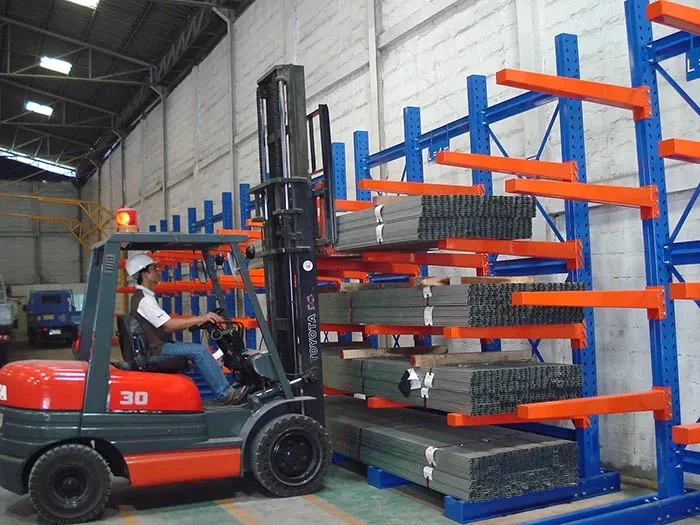
Cantilever racks are designed with horizontal arms extending from a vertical column, allowing for easy loading and unloading of long goods without front obstruction. Unlike pallet racks, cantilever systems do not have front columns, enabling faster access and better accommodation of oversized inventory.
Typically, a cantilever rack consists of:
- **Base:** The foundation that supports the vertical column and provides stability.
- **Vertical Column:** The upright structure that holds the arms.
- **Arms:** Horizontal supports where inventory items rest; these can be adjustable.
- **Bracing:** Cross braces or diagonal braces that add rigidity and strength.
There are two main types of cantilever racks:
- **Single-Sided:** Arms extend from one side of the column, ideal when racks are placed against a wall.
- **Double-Sided:** Arms extend from both sides of the column, maximizing storage capacity in open spaces.
---
## Step 1: Assess Your Inventory Characteristics
Before diving into rack specifications, start by analyzing your inventory’s physical characteristics:
### 1. Size and Shape
- **Length:** Measure the longest item to determine arm length and spacing.
- **Width and Height:** Consider how wide and tall the items are to set arm height and clearance.
- **Shape:** Irregular shapes may need specialized arms or additional accessories like supports or stops.
### 2. Weight
- The weight of individual items and total load per shelf determines the required load capacity of the rack’s arms and columns. Overloading can lead to structural failure.
### 3. Quantity and Turnover Rate
- Inventory volume impacts the number of racks needed.
- The turnover rate influences the design: high-frequency picking requires easier access, possibly favoring single-sided racks positioned along aisles.
---
## Step 2: Choose the Appropriate Cantilever Rack Type
Based on your inventory assessment, decide between:
### Single-Sided Cantilever Racks
Ideal for:
- Storing long materials against walls.
- Narrow aisles where access from one side suffices.
- Situations requiring quick, straightforward loading/unloading.
### Double-Sided Cantilever Racks
Best for:
- Open floor plans where access from either side is possible.
- Maximizing storage density.
- Environments with forklifts or other machinery accessing both sides.
---
## Step 3: Determine Load Capacity Requirements
Load capacity is paramount to ensure safety and longevity:
- **Arm Load Capacity:** Each arm has a maximum load rating (e.g., 500 lbs per arm).
- **Total Load:** Sum of all arms’ loads on a column must not exceed column load capacity.
- **Dynamic Loads:** Consider forces from loading/unloading, which may temporarily increase stress.
Consult manufacturer specifications and, if necessary, structural engineers to verify load ratings align with your inventory weights.
---
## Step 4: Decide on Rack Dimensions and Configuration
### Arm Length and Spacing
- Arms should be slightly longer than your largest item to provide support.
- Spacing between arms depends on smaller items’ sizes and stacking needs.
### Column Height
- Adjust to warehouse ceiling height and any overhead obstructions.
- Ensure ergonomic reach for operators.
### Base Design
- Wider bases offer more stability but consume more floor space.
- Floor-mounted or mobile bases depend on your facility’s layout.
---
## Step 5: Material and Finish Considerations
Cantilever racks are commonly made of steel due to its strength and durability, but finishes vary based on environmental conditions:
- **Powder Coated Paint:** Common indoor finish offering corrosion resistance and aesthetic appeal. Typical colors include shades like #102033 (a deep blue) or white (#fff) for clean visibility.
- **Galvanized Steel:** Recommended for outdoor or humid environments to prevent rust.
- **Custom Finishes:** Some warehouses require special coatings to resist chemicals or extreme temperatures.
---
## Step 6: Evaluate Installation and Safety Features
### Installation Environment
- Indoor warehouses benefit from racks with aesthetic finishes and compact designs.
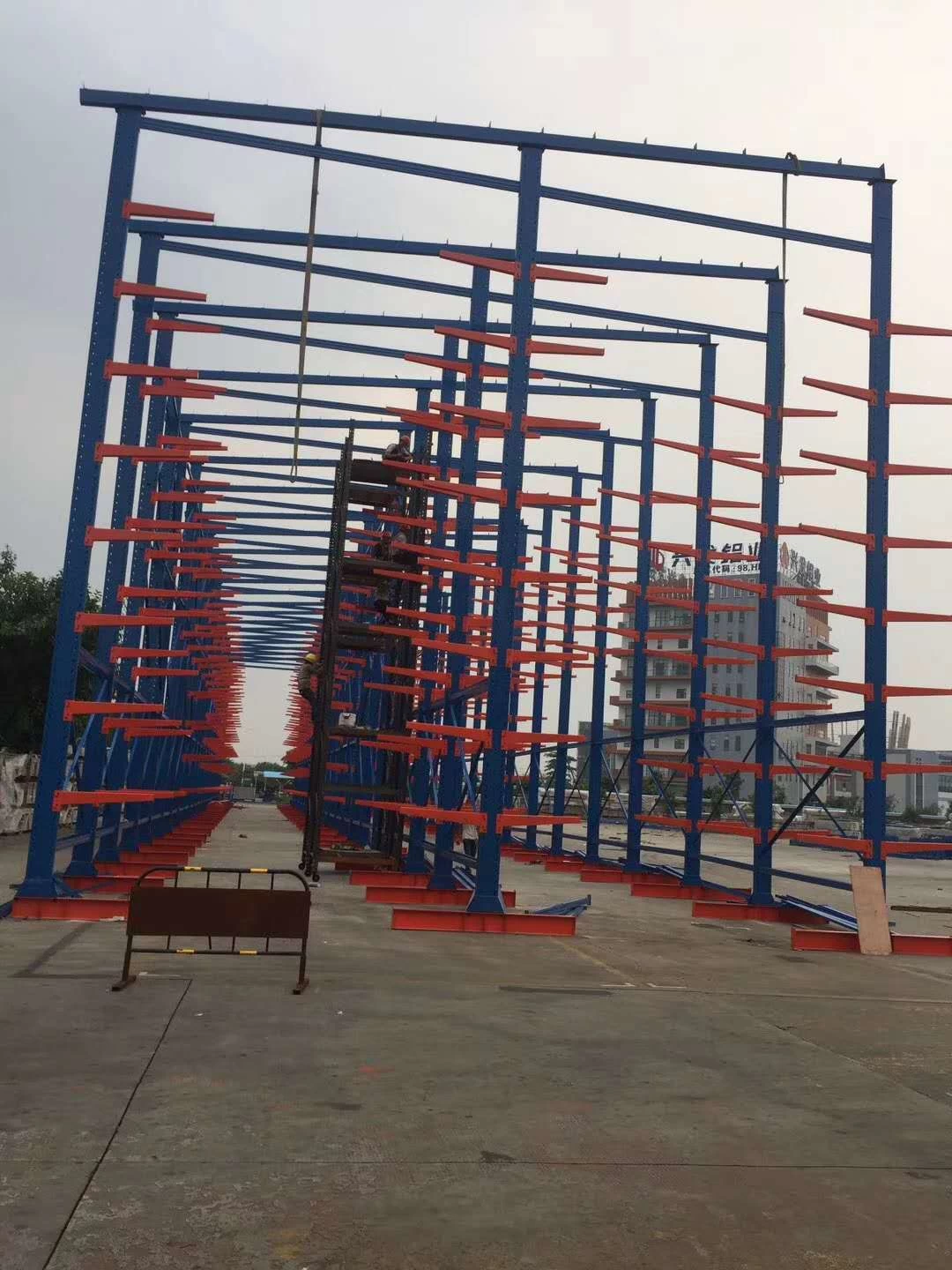
- Outdoor yards may require weatherproof models with enhanced corrosion protection.
### Safety Accessories
- **Column Protectors:** Guard against forklift impacts.
- **Arm Stops and Supports:** Prevent inventory from sliding off.
- **Load Labels:** Display maximum load capacities for operator awareness.
- **Anchoring Systems:** Secure racks to the floor to prevent tipping.
---
## Step 7: Plan for Future Growth and Flexibility
Inventory requirements evolve, so flexibility is vital:
- Opt for adjustable arms to accommodate varying sizes.
- Modular designs allow adding or removing components as needed.
- Ensure spare parts availability through reliable suppliers.
---
## Step 8: Optimize Warehouse Layout with Cantilever Racks
Efficient layout planning improves workflow and space utilization:
- Use CAD or warehouse management software to simulate rack placement.
- Maintain adequate aisle width for forklifts and manual handling.
- Position racks to minimize travel distance for high-turnover items.
---
## Step 9: Budgeting and Cost Analysis
While cantilever racks might appear costlier upfront compared to basic shelving, their ability to improve space utilization and reduce handling time often leads to long-term savings.
Consider:
- Initial purchase price.
- Installation and maintenance costs.
- Potential savings from improved efficiency and reduced damage.
---
## Conclusion
Choosing the right cantilever rack for your inventory needs is a strategic decision that impacts warehouse efficiency, safety, and scalability. By thoroughly assessing your inventory characteristics, understanding rack types, calculating load capacities, and considering environmental factors, you can select a cantilever racking solution tailored to your operational demands.
Remember, investing time in careful planning and consultation with storage experts or engineers can save considerable resources and prevent costly mistakes down the line. With the right cantilever rack system, your organization will enjoy streamlined storage, faster inventory access, and a safer working environment—key ingredients to a successful warehouse operation.
---
### Additional Tips
- Always adhere to local safety codes and standards.
- Train staff on proper loading techniques.
- Schedule regular inspections to maintain rack integrity.
For further guidance or custom cantilever rack solutions, consult with professional racking system manufacturers who can provide tailored advice based on your unique inventory profile.
---
*This article is designed using best practices in content formatting, including clear headings, detailed explanations, and professional tone. Background colors such as #eef3f8 and font-family choices like Arial, Helvetica, sans-serif ensure readability and aesthetic appeal in digital formats.*