**Light Duty vs. Heavy Duty Shelves: Which One Do You Need?**
When it comes to organizing your home, office, or industrial space, selecting the right shelving solution is crucial. Shelves not only provide storage but also help maximize space efficiency and maintain order. However, with the myriad of options available, understanding the differences between light duty and heavy duty shelves is essential to making an informed choice. This comprehensive guide will explore these two categories in detail, helping you determine which type best suits your specific needs.
---
### Understanding Shelving Categories: Light Duty vs. Heavy Duty
At a fundamental level, shelves are classified based on their load-bearing capacity, design, and intended use. The distinction between light duty and heavy duty shelves centers around how much weight they can support safely and effectively.
- **Light Duty Shelves** are designed for lighter loads and are typically used in residential or office environments.
- **Heavy Duty Shelves** are built to carry substantial weights and are often employed in industrial, warehouse, or commercial settings.
---
### Key Characteristics of Light Duty Shelves
Light duty shelves are ideal for storing items that don't require significant weight support. They are commonly found in homes, offices, and retail environments where aesthetics and ease of installation are often prioritized.
#### Load Capacity
Light duty shelves generally support anywhere from 20 to 100 pounds per shelf. This makes them perfect for books, decorative items, office supplies, or lightweight boxes.
#### Materials and Construction
These shelves are usually made from materials such as:
- **MDF (Medium Density Fiberboard)**
- **Particleboard**
- **Plastic**
- **Thin metal alloys**
The frames might be constructed from lightweight metals such as aluminum or thin steel tubing.
#### Design and Aesthetics
Light duty shelving units often emphasize design versatility. They come in various finishes—wood veneer, painted surfaces, or laminate—and styles ranging from minimalist floating shelves to modular cubbies.
#### Installation
Due to their lighter weight, installation tends to be straightforward and less labor-intensive. They may be mounted directly onto walls using simple brackets or assembled as freestanding units.
---
### Key Characteristics of Heavy Duty Shelves
Heavy duty shelves are engineered to accommodate much heavier loads, making them suitable for demanding environments like warehouses, garages, and manufacturing facilities.
#### Load Capacity
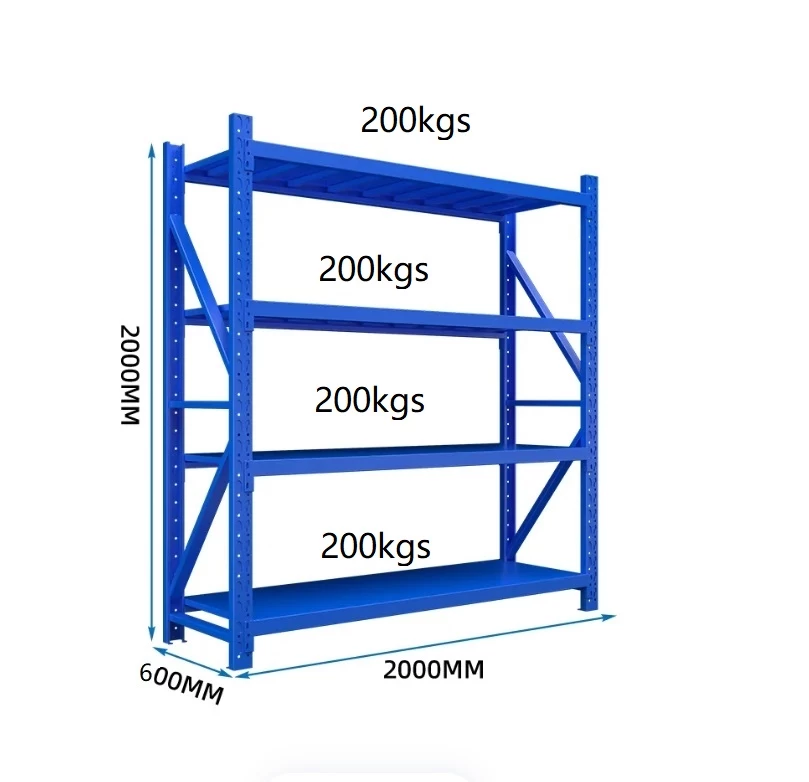
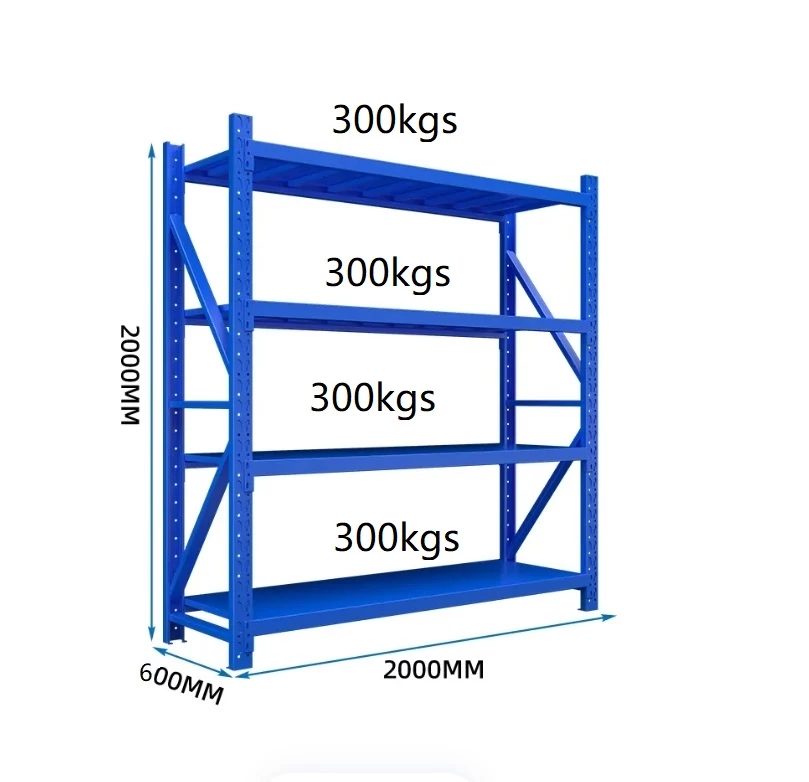
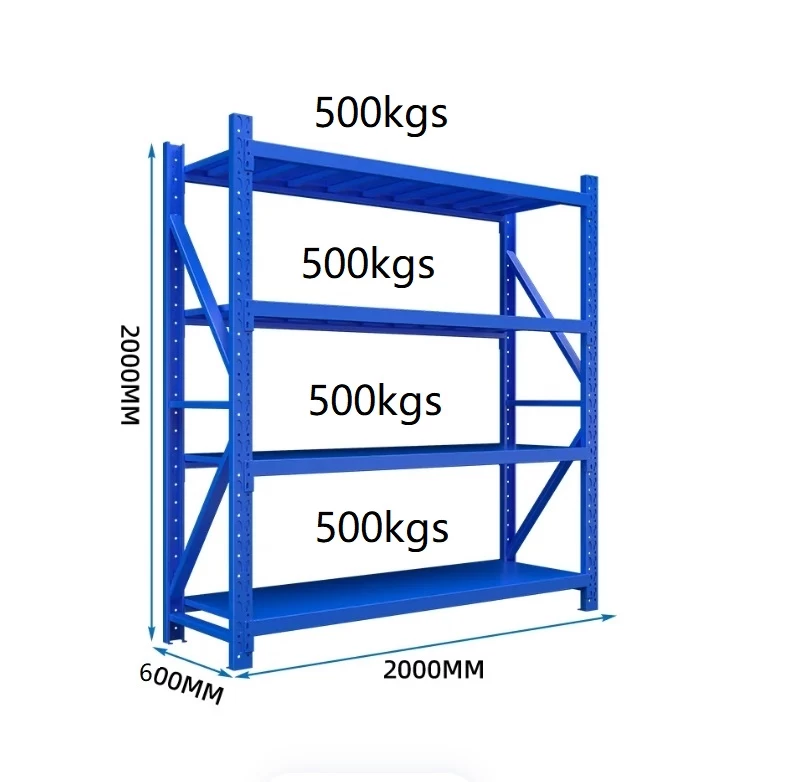
Heavy duty shelves can support loads exceeding 500 pounds per shelf, with some models rated for several thousand pounds depending on their construction.
#### Materials and Construction
They are typically constructed from robust materials such as:
- **Thick gauge steel**
- **Reinforced metal beams**
- **Heavy-duty bolts and fasteners**
The shelving surface itself may be steel, reinforced wood, or wire mesh to provide maximum durability.
#### Design and Durability
Durability and strength take precedence over aesthetic appeal. These shelves often have utilitarian designs focused on maximizing storage capacity and safety.
#### Installation
Installing heavy duty shelves requires anchoring into walls, floors, or specialized racking systems to ensure stability under heavy loads. Professional installation is sometimes recommended.
---
### Comparing Light Duty and Heavy Duty Shelves: What Factors Matter?
To select the appropriate shelving system, consider these factors:
#### 1. **Load Requirements**
Evaluate the items you plan to store. For light items such as paper files, electronics, or décor, light duty shelves suffice. For tools, machinery parts, or bulk storage, heavy duty shelves are necessary.
#### 2. **Space and Size Constraints**
Heavy duty shelves, due to their robust build, often occupy more space and may not fit well in smaller rooms or offices. Light duty shelves are typically more compact and versatile.
#### 3. **Budget**
Light duty shelving tends to be more affordable upfront. Heavy duty shelving is an investment but its longevity and reliability often justify the higher cost.
#### 4. **Installation Complexity**
If you prefer a quick and easy setup, light duty shelves offer simpler installation options. Heavy duty shelves might require professional assistance.
#### 5. **Aesthetics**
For visible areas like living rooms or offices, light duty shelves offer more design options. Heavy duty shelves prioritize functionality, often appearing more industrial in nature.
---
### Practical Applications for Light Duty Shelves
- **Home Office:** Perfect for organizing books, stationery, and small equipment.
- **Retail Displays:** Ideal for showcasing products without heavy weight demands.
- **Closets and Pantries:** Storing folded clothes, canned goods, or lightweight containers.
- **Decorative Uses:** Floating shelves for picture frames, plants, or collectibles.
---
### Practical Applications for Heavy Duty Shelves
- **Warehouses:** Storing pallets, heavy boxes, and bulk inventory.
- **Garages and Workshops:** Organizing tools, automotive parts, and heavy equipment.
- **Factories:** Holding raw materials and finished components.
- **Commercial Storage:** Retail stockrooms requiring high-capacity shelving.
---
### Additional Considerations: Safety and Maintenance
No matter which type you choose, safety is paramount. Overloading shelves beyond their rated capacity can lead to accidents and damage.
- **Regular Inspection:** Check for signs of wear, rust, or structural compromise.
- **Proper Load Distribution:** Evenly distribute weight across shelves to prevent bowing or collapse.
- **Secure Installation:** Ensure shelves are firmly anchored to walls or floors.
- **Environmental Factors:** Consider moisture, temperature, and exposure to chemicals, which can affect shelf integrity, especially for materials like MDF or particleboard.
---
### Integrating Shelving Systems with Modern Design Practices
In contemporary interior design and workspace organization, shelving systems are often integrated with specific CSS styling concepts when designing e-commerce or informational websites showcasing shelving solutions. Terms like `box-sizing: border-box;`, `margin`, `padding`, and `font-family: Arial, Helvetica, sans-serif;` are essential for ensuring that product descriptions and images are presented cleanly and professionally.
For example, a well-designed web page (`sde-page`) might feature a `max-width` container centered via `auto margin` with a `white background (#fff)` and subtle `box-shadow` to highlight product sections. Hero banners (`sde-hero`) could use `position: relative;` with a `min-height` of 650px and a `linear-gradient background` incorporating `rgba colors` to create visually appealing headers that attract customers to learn more about shelving options.
Though these CSS concepts don't directly impact the physical shelving, understanding them is valuable if you are involved in marketing or selling shelving products online.
---
### Conclusion: Which Shelf Should You Choose?
The decision between light duty and heavy duty shelves hinges primarily on what you intend to store and where. If your storage needs involve lighter, smaller items in a residential or office setting, light duty shelves offer an economical and stylish solution.
Conversely, if you manage a warehouse, workshop, or any environment requiring storage of heavy or bulky items, investing in heavy duty shelves is essential for safety, durability, and efficiency.
By carefully assessing load requirements, space constraints, budget, and installation preferences, you can select the shelving system that best aligns with your needs, ensuring organized, safe, and accessible storage for years to come.
---
### About the Author
[Your Name] is an organizational systems specialist with over a decade of experience in optimizing storage solutions for both residential and commercial clients. Passionate about combining functionality with design, [Your Name] helps businesses and homeowners make informed decisions about their storage infrastructure.
---
### References & Further Reading
- OSHA Guidelines on Storage and Shelving Safety
- Material Strength and Load Capacity Charts
- Interior Design Best Practices for Storage Solutions
- CSS Layout Techniques for E-Commerce Websites
---
*For inquiries or personalized shelving recommendations, contact [Your Contact Information].*