# Benefits of Using Light Duty Shelves for Organizing Your Office
In today’s fast-paced professional environment, maintaining an organized workspace is no longer a luxury but a necessity. Whether you operate a small home office or manage a sprawling corporate setting, efficient storage solutions play a pivotal role in enhancing productivity and fostering a clutter-free environment. Among the myriad of options available, light duty shelves have emerged as a popular choice for office organization. This article delves deeply into the benefits of using light duty shelves for organizing your office, highlighting their practicality, versatility, and overall contribution to an optimized workspace.
---
## Understanding Light Duty Shelves
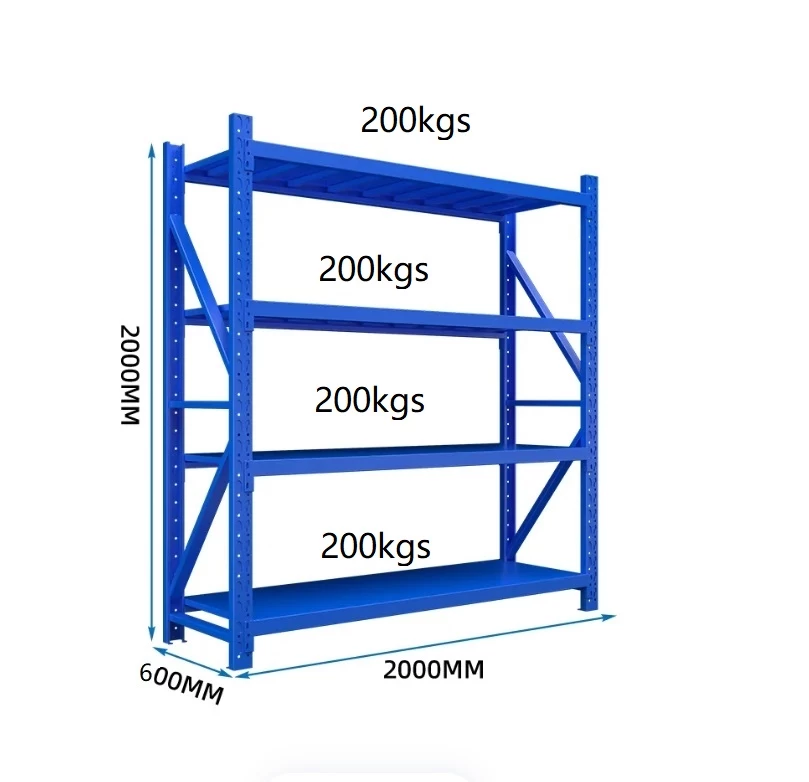
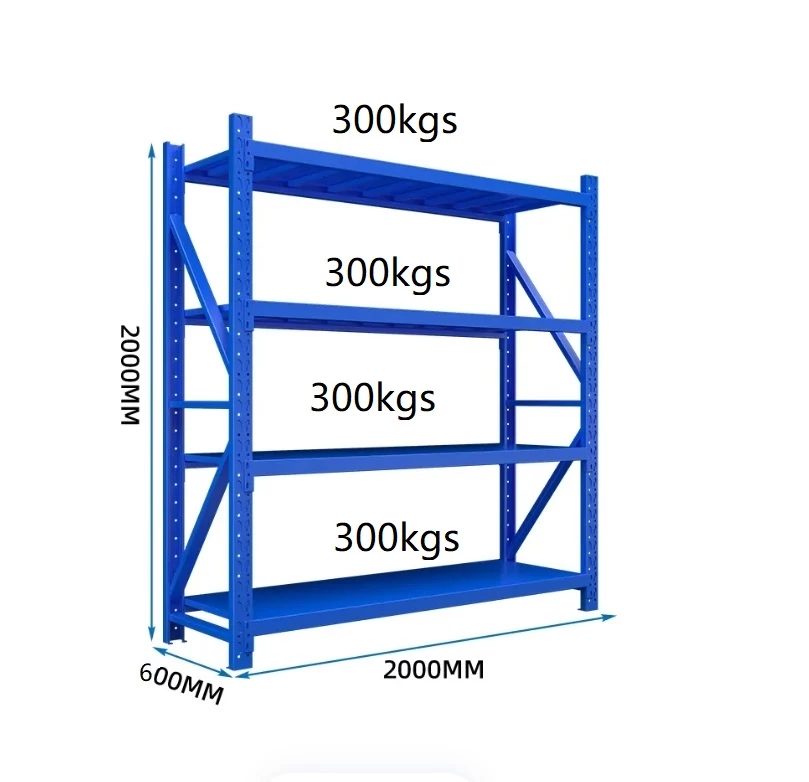
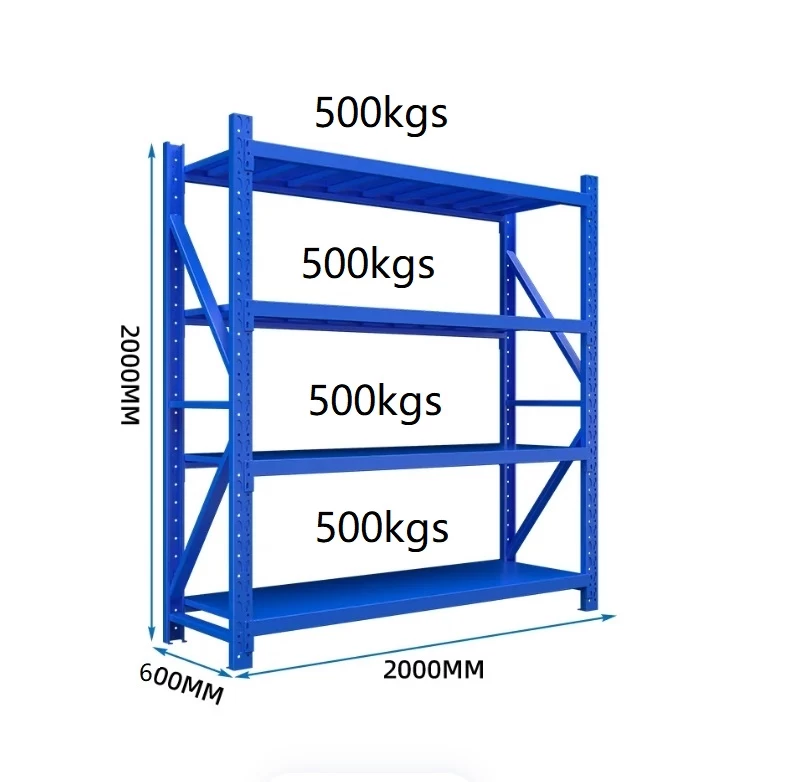
Before exploring the benefits, it’s important to clarify what light duty shelves are. Unlike heavy-duty shelving designed to bear substantial weight such as industrial equipment or large boxes, light duty shelves are engineered to support lighter items commonly found in office settings—files, stationery, small electronic devices, and decorative elements. Typically made from materials like metal, wood, or high-density plastic, these shelves balance strength with aesthetic appeal and are designed to be both functional and unobtrusive.
---
## 1. Maximizing Office Space Efficiency
One of the most immediate advantages of installing light duty shelves in your office is improved space utilization. Offices, especially those in urban environments, often suffer from limited square footage. Traditional bulky cabinets consume valuable floor area, which could otherwise be allocated for workstations or collaborative zones.
Light duty shelves, by contrast, can be mounted on walls or integrated into corners, making vertical space work for you. This “vertical expansion” strategy helps free up floor space, giving offices a more open feel and room for movement. The slim profile of many light duty shelving units also means they can fit into tight spaces and awkward nooks, ensuring no area goes unused.
---
## 2. Enhancing Organization and Accessibility
Clutter is one of the biggest adversaries of productivity in any office. Piles of documents, misplaced supplies, and tangled cables can lead to wasted time and frustration. Light duty shelves offer a structured way to categorize and store items, making everything easily accessible.
By designating specific shelves for particular items—such as one shelf for incoming mail, another for frequently used reference materials, and yet another for office supplies—you create a logical system that reduces search times and improves workflow. Open shelving also encourages employees to return items to their rightful places, fostering a culture of tidiness.
---
## 3. Cost-Effectiveness and Ease of Installation
Budget constraints are a reality for many businesses, especially startups and small enterprises. Light duty shelves generally come at a lower price point than heavy-duty or custom cabinetry, making them a cost-effective storage solution. Their simple design often translates to straightforward installation procedures that require minimal tools and expertise.
Even for companies without dedicated maintenance staff, light duty shelves can be assembled and installed quickly, minimizing downtime. Additionally, if office layouts change or expansion occurs, these shelves can be easily relocated or reconfigured to meet evolving needs, providing flexibility without incurring significant costs.
---
## 4. Versatility and Customization Options
Offices vary greatly in style, size, and function, so a one-size-fits-all storage solution rarely suffices. Light duty shelves shine in their versatility. They come in a variety of sizes, materials, colors, and finishes, allowing businesses to select products that complement existing décor while fulfilling practical requirements.
For instance, metal light duty shelves with a powder-coated finish can enhance a modern minimalist office, while wooden shelves with natural grain add warmth to a more traditional setting. Some units include adjustable shelving heights, enabling accommodation of different item sizes. Accessories such as bins or dividers can be incorporated to further organize smaller items, demonstrating the customizable nature of light duty shelving.
---
## 5. Improving Aesthetic Appeal and Workspace Ambiance
A visually appealing office environment has been shown to positively impact employee morale and client impressions. Cluttered or disorganized spaces can convey inefficiency and carelessness, whereas neatly arranged, aesthetically pleasing areas suggest professionalism and attention to detail.
Light duty shelves, especially those with sleek designs, contribute to a tidy, streamlined look. Using shelves with white backgrounds (#fff) or neutral tones can brighten rooms and create a clean canvas that highlights other decorative elements. Incorporating features like box-shadow effects or subtle background gradients can even elevate the visual texture of shelving units, helping them blend seamlessly into modern office interiors.
---
## 6. Supporting Ergonomics and Safety
Ergonomics is a fundamental aspect of workplace design focused on reducing physical stress and enhancing comfort. Light duty shelves help by positioning frequently used items within easy reach, reducing strain caused by bending, stretching, or repetitive movements.
Moreover, because these shelves carry lighter loads, they are less likely to tip or collapse, improving safety. Their typically lightweight construction also facilitates safer handling during installation or adjustments. By reducing clutter on desks and floors, light duty shelving minimizes tripping hazards and creates clear pathways, contributing to an overall safer work environment.
---
## 7. Facilitating Digital and Paper Integration
Modern offices deal with a hybrid of digital and paper workflows. While digitization reduces paper volume, documents, notebooks, and reference books remain essential. Light duty shelves provide designated spaces for both physical and digital assets.
For example, shelves can hold external hard drives, printers, or routers alongside binders and filing boxes. This consolidation supports efficient document management systems where users can quickly switch between paper-based and digital resources without losing track of either.
---
## Technical Considerations: CSS-inspired Principles for Visual Presentation
Drawing an analogy from web design principles such as **box-sizing: border-box** or **overflow hidden**, the concept of well-defined boundaries and neat containment applies equally to physical office organization. Light duty shelves act like containers that define margins and padding around stored items, preventing overflow and maintaining a clean boundary.
Just as a **font-family** choice like Arial, Helvetica, or sans-serif influences readability and tone, selecting shelves with appropriate material finishes and colors affects office atmosphere and user experience. Utilizing **linear-gradient backgrounds** or subtle **rgba color overlays** in shelf paneling or wall paint behind shelving can highlight these storage solutions visually without overwhelming the space.
---
## Conclusion
The benefits of using light duty shelves for organizing your office are multifaceted, encompassing practical, aesthetic, ergonomic, and financial dimensions. They maximize space efficiency, enhance organization and accessibility, and offer versatile, cost-effective solutions adaptable to diverse office environments. Furthermore, they contribute positively to workspace ambiance and safety, supporting both employee well-being and operational productivity.
Incorporating light duty shelves into your office design is more than just a storage upgrade—it is a strategic move toward creating a streamlined, professional, and inviting workspace. As offices continue to evolve to meet changing work patterns and technologies, light duty shelving stands out as a timeless solution that aligns with the core goals of effective office management.
---
## About the Author
[Your Name] is a workplace organization specialist with over a decade of experience helping businesses optimize their office environments. Specializing in ergonomic design and efficient storage solutions, [Your Name] combines practical insights with industry trends to deliver actionable advice for improving productivity and employee satisfaction.
---
*For more information on office organization and storage solutions, subscribe to our newsletter or contact us for a personalized consultation.*