# What is a Double Deep Pallet Rack? A Comprehensive Guide for Warehouse Managers
In the ever-evolving world of warehouse management, optimizing storage space without compromising accessibility and operational efficiency is paramount. One system that has garnered significant attention for its ability to maximize storage density is the **Double Deep Pallet Rack**. This article provides a detailed exploration of what double deep pallet racks are, their benefits, drawbacks, and best practices for warehouse managers considering or currently using this system.
---
## Understanding Double Deep Pallet Racks
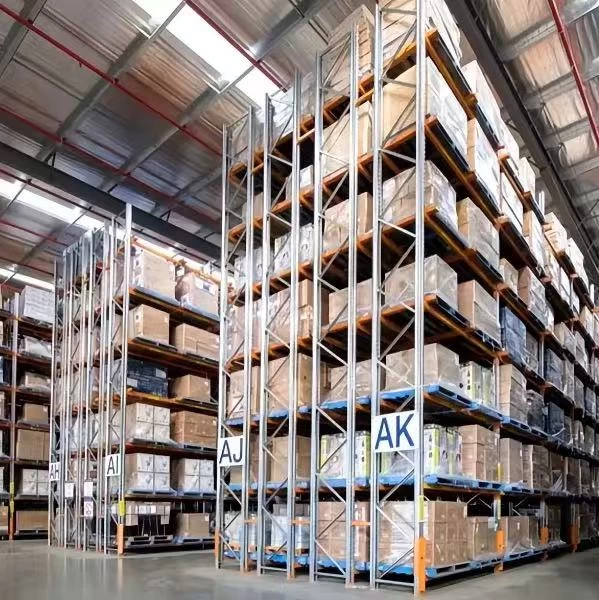
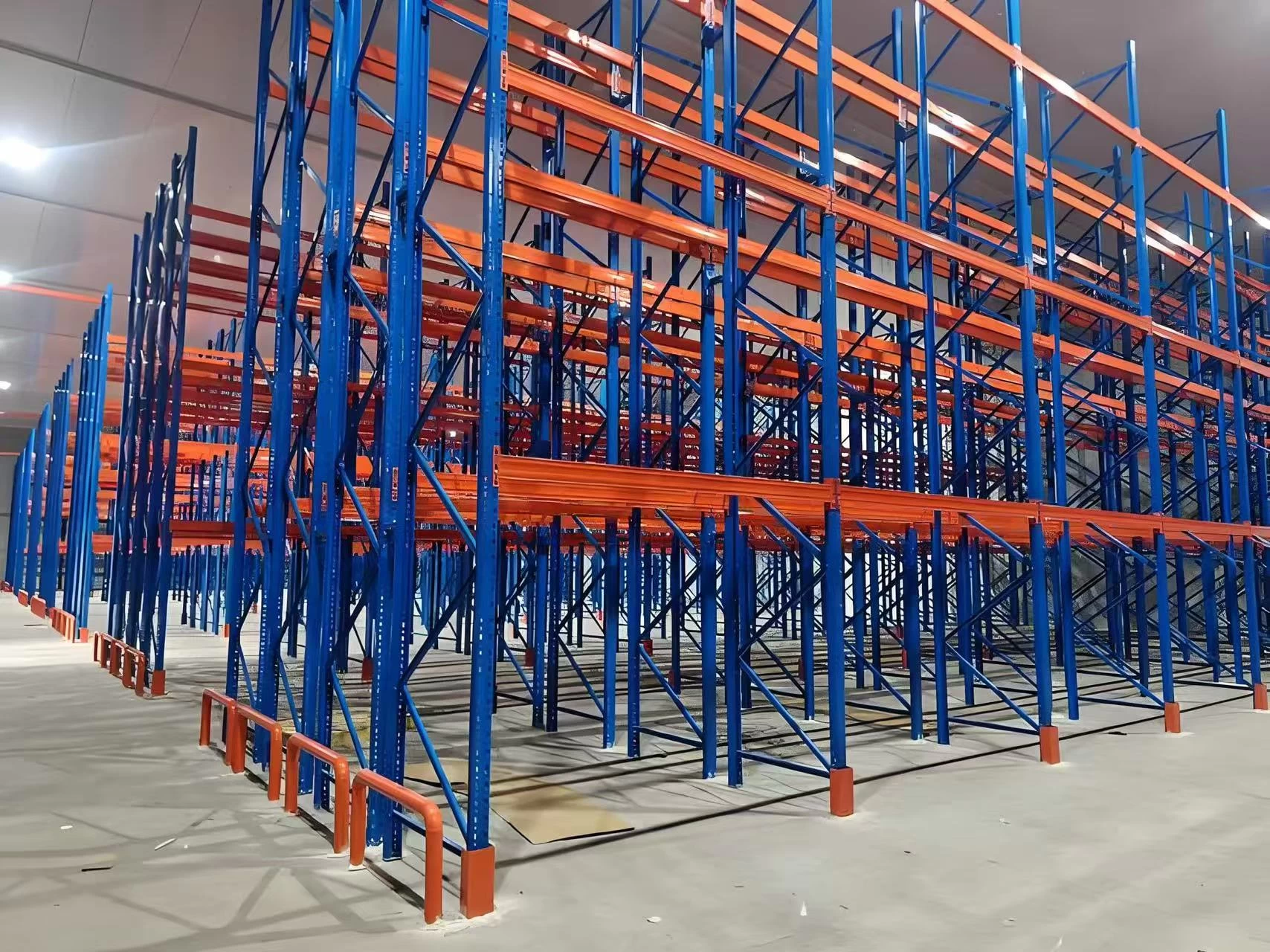
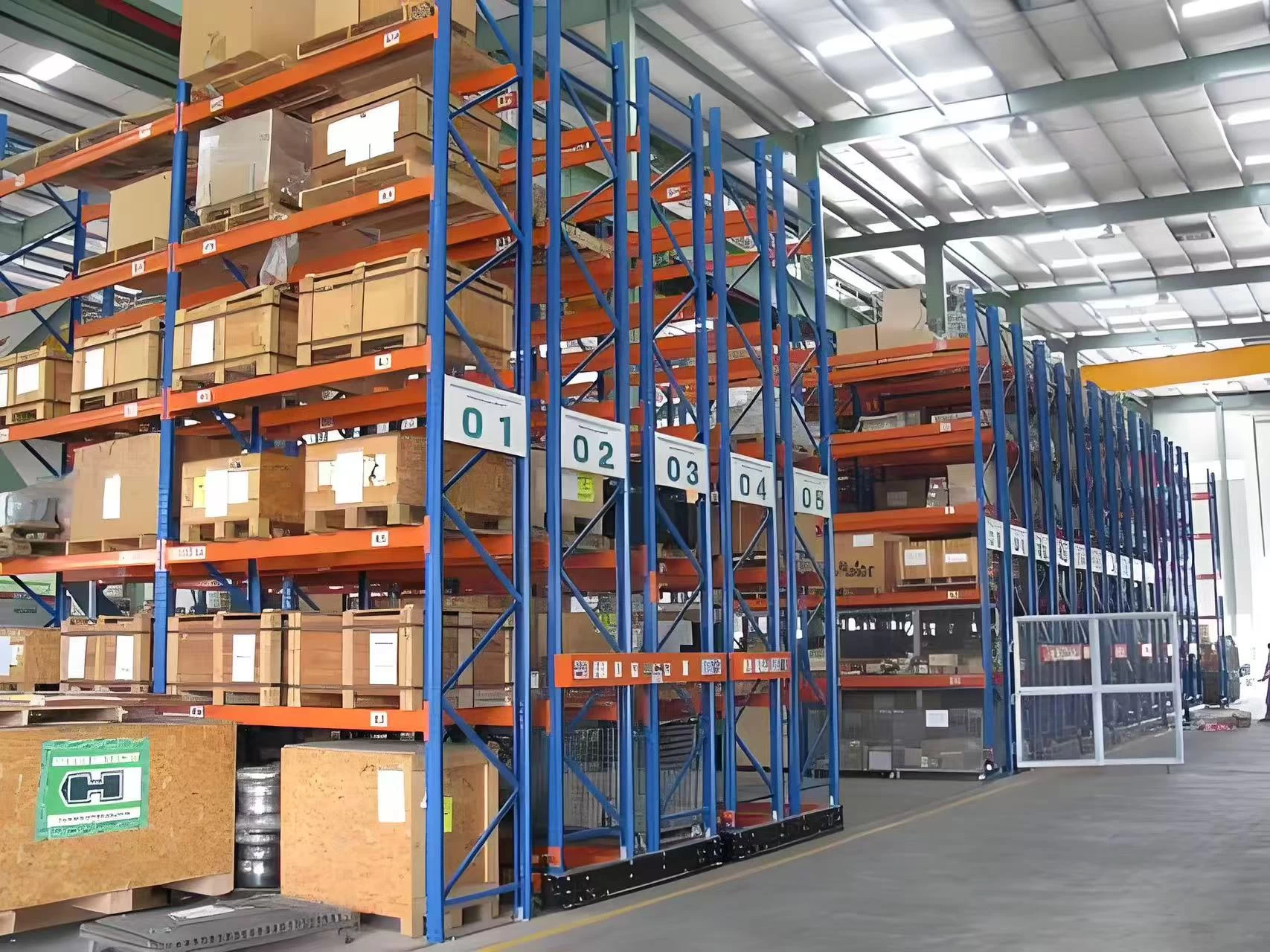
A **double deep pallet rack** consists of two rows of pallet racking placed back-to-back, allowing pallets to be stored two deep instead of the traditional single-depth row. This configuration effectively doubles the storage capacity along a single aisle, making it an attractive option for warehouses with limited space.
Unlike standard selective pallet racks where forklifts can access every pallet directly from the aisle, double deep racks require specialized equipment — typically a **reach truck** or **double-deep forklift** — to retrieve pallets from the second row. This means pallets stored in the rear position are only accessible after removing the front pallet.
---
## Key Components and Design Considerations
Understanding the components and design elements of double deep pallet racks is vital for warehouse managers to ensure they meet operational needs efficiently.
### 1. Structural Elements
- **Uprights:** Vertical supports that hold the beams and load the weight.
- **Beams:** Horizontal components where pallets rest, designed to handle the increased weight of double-stacked pallets.
- **Back-to-Back Configuration:** The core feature where two single pallet racks are joined, increasing depth.
### 2. Load Capacity and Safety
Given the added depth and weight of double deep racks, beams and uprights must be engineered to safely support heavier loads. Proper installation and regular safety inspections are essential to prevent structural failures.
### 3. Forklift Compatibility
Double deep racks necessitate specific forklift types. Reach trucks with telescopic forks or specialized double-deep reach forklifts are required to access pallets stored beyond the first row. These forklifts have longer forks and additional maneuverability to operate in narrower aisles.
---
## Advantages of Double Deep Pallet Racks
### 1. Space Optimization
The most significant advantage is the efficient use of floor space. By storing pallets two deep, warehouses can dramatically increase storage density without expanding their footprint.
### 2. Cost Savings
Higher storage density means fewer aisles are required, translating into savings on real estate, lighting, heating, and cooling costs. Additionally, reducing the number of aisles improves workflow efficiency by minimizing travel distances for pickers and forklifts.
### 3. Enhanced Warehouse Layout Flexibility
Double deep racks offer greater flexibility in warehouse layout planning, particularly when combined with other racking systems such as drive-in or push-back racks, depending on inventory turnover rates.
---
## Challenges and Limitations
### 1. Reduced Selectivity
One trade-off is decreased selectivity. Unlike single-deep racks where every pallet is immediately accessible, pallets stored in the rear position require moving the front pallet first, which can slow down picking times.
### 2. Specialized Equipment Requirement
Warehouses must invest in specialized double deep forklifts, which may involve higher capital expenditure and maintenance costs compared to standard forklifts.
### 3. Increased Complexity in Inventory Management
Managing inventory rotation (FIFO vs LIFO) becomes more complex, necessitating careful planning to avoid stock obsolescence or spoilage, especially for perishable goods.
---
## Ideal Use Cases for Double Deep Pallet Racks
Warehouse managers should consider double deep racks in scenarios such as:
- **High volume, lower turnover inventory:** Items stored for long periods with minimal picking frequency.
- **Space constraints:** Warehouses with limited floor area but high storage demand.
- **Non-perishable goods:** Products not sensitive to inventory rotation delays.
- **Cost-conscious operations:** Seeking to maximize storage efficiency without costly warehouse expansions.
---
## Best Practices for Implementation
### 1. Conduct a Thorough Needs Analysis
Analyze inventory characteristics, turnover rates, and space constraints before choosing double deep racks. Evaluate if the benefits outweigh the limitations for your specific operation.
### 2. Invest in Appropriate Material Handling Equipment
Ensure forklifts are compatible and operators are trained for handling double deep racks safely and efficiently.
### 3. Implement Robust Inventory Management Systems
Use warehouse management software (WMS) that can track pallet locations, manage FIFO/LIFO rotations, and optimize picking sequences to compensate for reduced selectivity.
### 4. Plan for Safety and Maintenance
Regularly inspect racks for damage, ensure load limits are adhered to, and maintain forklifts to prevent accidents.
### 5. Combine with Other Storage Solutions
Consider integrating double deep racks with other storage systems to balance space utilization and accessibility.
---
## Design and Aesthetic Considerations in Modern Warehousing
While functionality is paramount, the modern warehouse environment also benefits from thoughtful design elements that enhance worker comfort and operational efficiency. Implementing consistent **box-sizing: border-box** CSS principles in warehouse management software interfaces, for example, ensures neat and user-friendly displays. Similarly, applying color schemes such as **background: #eef3f8** and text colors like **color: #102033** in digital dashboards creates a professional and calming visual experience.
From a physical standpoint, maintaining clean spaces with proper **margin** and **padding** around workstations—akin to web design’s **padding: 30px 10px** and **margin: 0 auto** for centered content—improves safety and workflow. Ergonomics, including the choice of materials and **font-family** for signage (Arial, Helvetica, sans-serif), further optimize warehouse operations.
---
## Conclusion
Double deep pallet racks present a compelling solution for warehouses aiming to maximize storage capacity within constrained spaces. While they introduce some challenges in terms of selectivity and equipment requirements, when implemented thoughtfully, they can dramatically improve warehouse efficiency and cost-effectiveness.
For warehouse managers, the decision to adopt double deep pallet racks should be grounded in a comprehensive analysis of inventory needs, equipment capabilities, and operational goals. Coupled with proper training, safety protocols, and inventory management systems, double deep racking can become a cornerstone of a high-performing warehouse storage strategy.
---
## Additional Resources
- **Warehouse Management Systems (WMS) Integration**: Learn how to optimize inventory tracking for double deep racks.
- **Forklift Operator Training Programs**: Ensure safe and efficient handling of double deep pallet racks.
- **Racking Safety Guidelines**: Stay compliant with OSHA and industry standards.
---
By embracing the double deep pallet rack system with informed planning and execution, warehouse managers can unlock new levels of storage efficiency and operational excellence.