# Introduction to Cantilever Racks: What They Are and How They Work
In the world of warehouse storage solutions and material handling, efficiency and adaptability are paramount. One storage system that exemplifies these qualities is the cantilever rack. Designed to handle long, bulky, or oddly shaped items, cantilever racks have become an indispensable asset in industries ranging from manufacturing and construction to retail and logistics.
This comprehensive article explores what cantilever racks are, how they work, their design features, benefits, and practical applications. Whether you’re a warehouse manager looking to optimize your space or a supply chain professional seeking better storage solutions, understanding cantilever racks can help you make informed decisions.
---
## What Are Cantilever Racks?
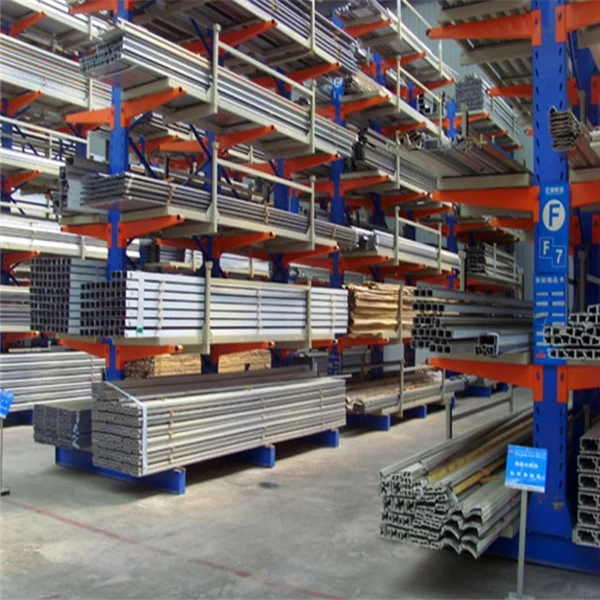
Cantilever racks are a type of storage system characterized by horizontal arms that extend outward from a vertical column. These arms act as shelves or supports for storing long and awkwardly shaped items such as lumber, pipes, steel bars, furniture, and carpets. Unlike conventional pallet racks that use beams and uprights to hold pallets, cantilever racks provide open-front access without vertical obstructions, making them ideal for storing materials that cannot be easily stacked or stored on pallets.
The term “cantilever” itself refers to a projecting beam fixed at only one end, which in this context means the horizontal arms are anchored to the vertical supports on one side only. This design provides maximum accessibility and flexibility when loading or unloading materials.
---
## Key Components of Cantilever Racks
Understanding the anatomy of cantilever racks helps appreciate their functionality:
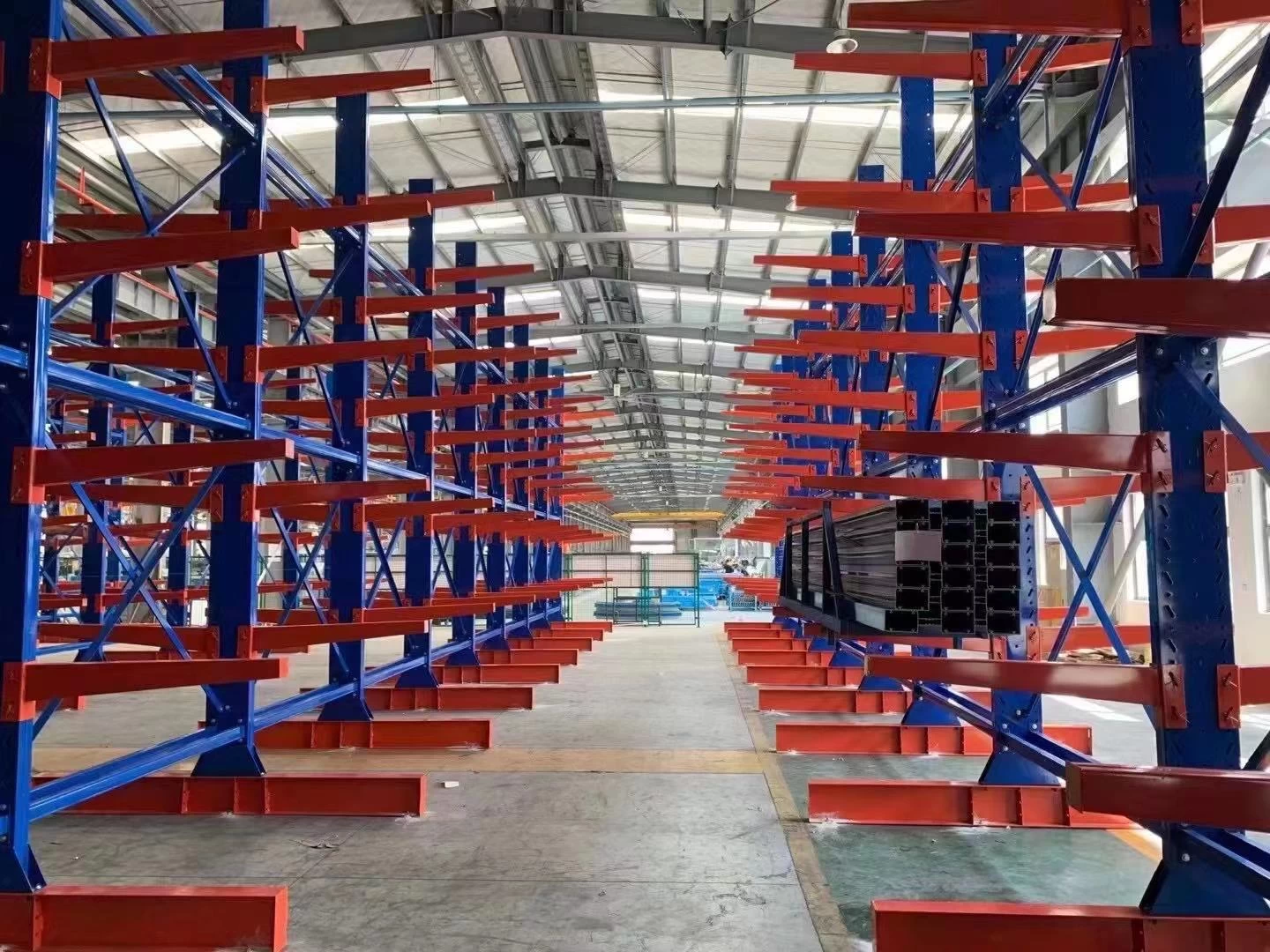
- **Vertical Columns:** These upright structures form the backbone of the rack system. They support the entire weight of the stored load and the cantilever arms attached to them.
- **Cantilever Arms:** Attached horizontally to the vertical columns, these arms serve as the platforms on which goods rest. They come in various lengths depending on the size of the items being stored.
- **Base:** The base is the foundation of the rack, providing stability and anchoring the vertical columns to the floor.
- **Bracing:** To ensure structural strength and rigidity, braces connect vertical columns, preventing sway and enhancing load-bearing capacity.
- **Optional Accessories:** These can include arm locks, safety pins, and protective bumpers which enhance the safety and functionality of the system.
---
## How Do Cantilever Racks Work?
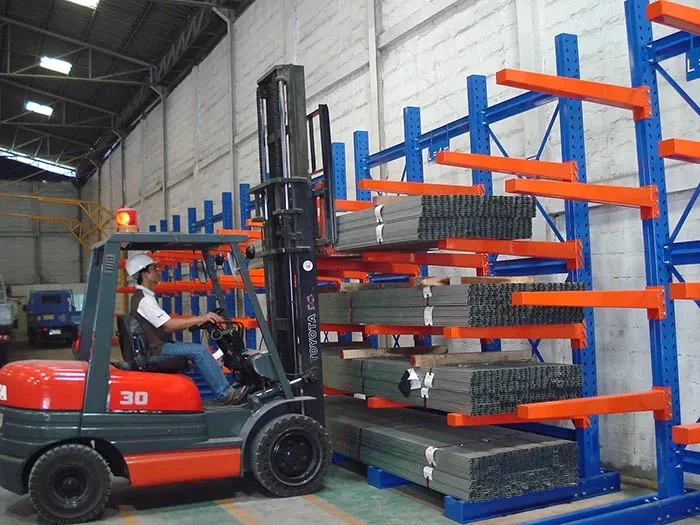
The operation of cantilever racks is relatively straightforward but highly efficient. Materials are placed directly onto the cantilever arms extending from the vertical columns. Since there are no front columns or obstructions, forklifts and other material handling equipment can load and retrieve items easily from either side of the rack.
### Load Distribution
The cantilever arms transfer the load’s weight back to the vertical columns, which then distribute it down to the base anchored to the floor. This arrangement allows for heavy loads to be supported safely without requiring additional vertical supports in the front, thereby maximizing usable space.
### Accessibility
With open-front access, operators can store and retrieve materials of varying lengths and sizes without limitations imposed by pallet dimensions or rack spacing. This feature is especially beneficial for bulky items that are difficult to maneuver in tight spaces.
---
## Types of Cantilever Racks
Cantilever racks come in various configurations tailored to specific needs:
- **Single-Sided Cantilever Racks:** These racks have arms extending from only one side of the vertical column. They are typically placed against walls or partitions and are suitable for narrow aisles.
- **Double-Sided Cantilever Racks:** Arms extend from both sides of the vertical columns, allowing access from either side. These are ideal for open warehouse spaces where aisle width is less restrictive.
- **Adjustable Cantilever Racks:** Equipped with adjustable arms, these racks allow users to reposition arms at different heights according to the size of the items to be stored.
- **Heavy-Duty Cantilever Racks:** Designed to support extremely heavy materials, these racks use reinforced components and thicker steel to withstand substantial loads.
---
## Benefits of Using Cantilever Racks
Cantilever racks offer numerous advantages that make them a preferred choice in many industries:
### 1. **Versatility**
Their open design makes cantilever racks adaptable for storing items of multiple shapes and sizes, including oversized or irregularly shaped objects that cannot fit into traditional pallet racks.
### 2. **Space Optimization**
By eliminating front vertical columns, cantilever racks maximize usable storage space. Materials can be stored longer and wider, reducing the need for excess aisle width and improving overall warehouse utilization.
### 3. **Improved Accessibility**
Loading and unloading is simplified due to unobstructed access from the front, enhancing operational efficiency and reducing handling time.
### 4. **Durability and Strength**
Constructed from heavy-duty steel with robust bracing, cantilever racks are built to last and can support significant weight without compromising structural integrity.
### 5. **Customization**
Many cantilever racks can be customized with adjustable arms, various heights, and widths to accommodate specific storage requirements.
### 6. **Safety**
Features like arm locks, safety pins, and protective end caps help prevent accidents and damage to goods during handling.
---
## Practical Applications of Cantilever Racks
Given their unique characteristics, cantilever racks find utility in a wide range of sectors:
- **Lumber and Building Materials:** Ideal for storing planks, plywood sheets, pipes, and metal rods.
- **Manufacturing:** Used to hold raw materials, extrusions, or long components waiting for assembly.
- **Retail:** Furniture stores and carpet sellers utilize cantilever racks to display large items attractively and accessibly.
- **Automotive and Aerospace:** Storage of chassis parts, tubing, and other elongated components.
- **Logistics and Warehousing:** Efficiently store diverse inventory types that defy standard pallet sizing.
---
## Considerations When Selecting Cantilever Racks
When choosing a cantilever rack system, several factors must be evaluated to ensure optimal performance:
### Load Capacity
Calculate the maximum expected weight per arm and per column to select racks with suitable load ratings. Overloading can cause deformation or failure.
### Arm Length and Height
Determine the typical length and height of stored items to choose appropriate arm dimensions and rack height.
### Warehouse Layout
Assess aisle widths and available floor space to decide between single-sided or double-sided racks and to plan installation accordingly.
### Material Handling Equipment Compatibility
Ensure compatibility with forklifts, cranes, or other equipment used for loading and retrieval.
### Environmental Conditions
Consider conditions such as humidity, temperature, and exposure to chemicals that may influence material selection and finish (e.g., galvanized or powder-coated steel).
---
## Installation and Maintenance
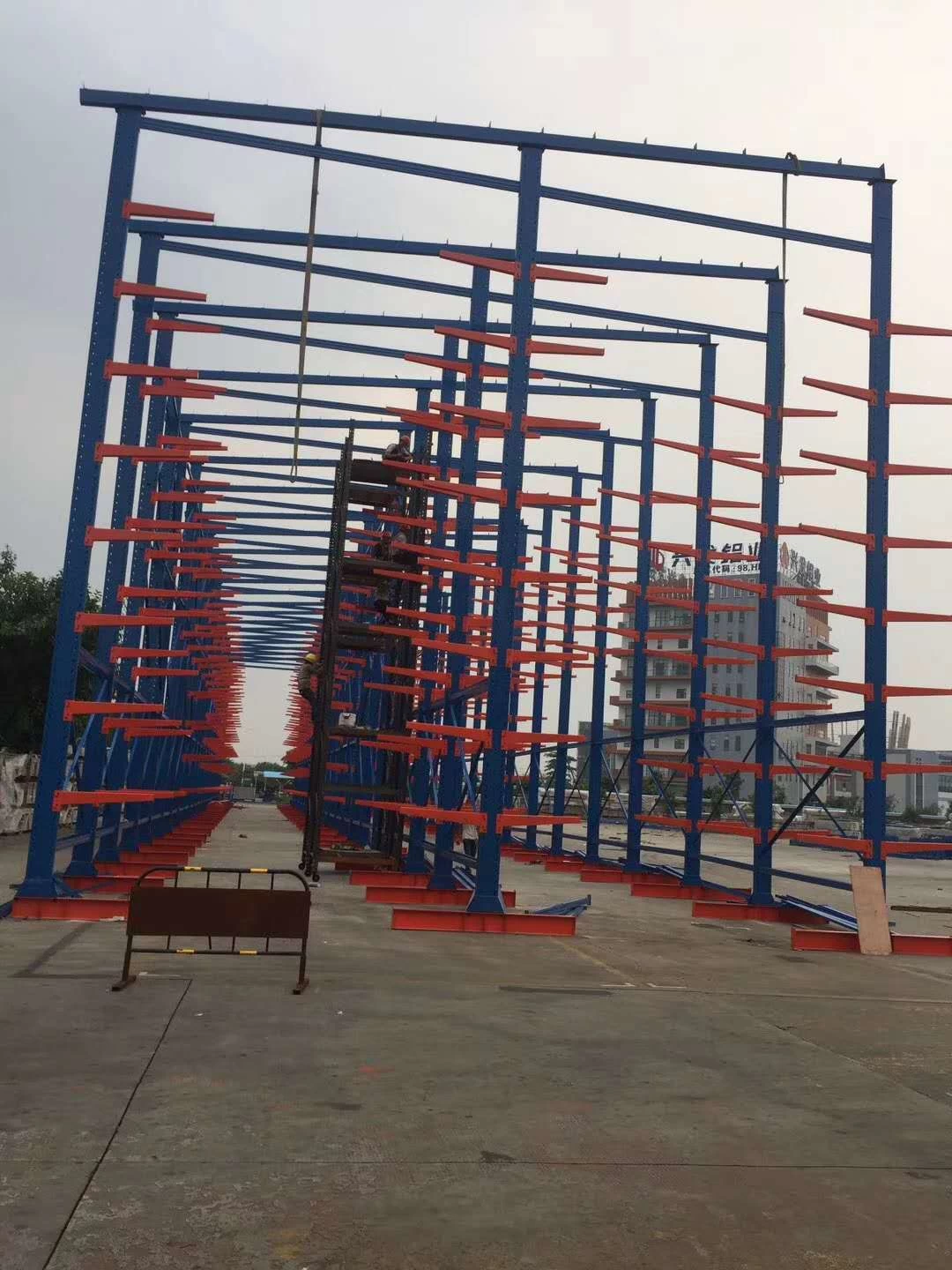
Proper installation by experienced professionals is essential for safety and performance. Anchoring the rack bases securely to the floor prevents tipping or shifting under load.
Routine inspections should be conducted to check for signs of wear, damage, or corrosion. Maintaining clean and unobstructed aisles around the racks also contributes to safe operations.
---
## Conclusion
Cantilever racks represent a versatile, efficient, and durable solution for storing long, bulky, or irregularly shaped materials. Their innovative design maximizes space utilization and accessibility while ensuring safety and ease of operation. By understanding the fundamental components, working principles, and key considerations related to cantilever racks, businesses can effectively enhance their storage capabilities and streamline material handling processes.
Whether you manage a warehouse, run a manufacturing facility, or operate a retail outlet dealing with large items, cantilever racks offer a smart investment in optimized storage infrastructure.
---
*Visual and design note:* This article is structured with clarity and readability in mind, employing a clean background color (#eef3f8) with content blocks styled in white (#fff). The font-family uses Arial, Helvetica, sans-serif for professional typography and legibility, with text color #102033 for optimal contrast. Content sections are padded generously (30px 10px) and centered with max-width (790px) and margin auto, ensuring a comfortable reading experience. Subtle box-shadow effects (0 18px 55px rgba(0,48,110,.18)) add a refined depth to content cards, while overflow hidden maintains layout integrity.