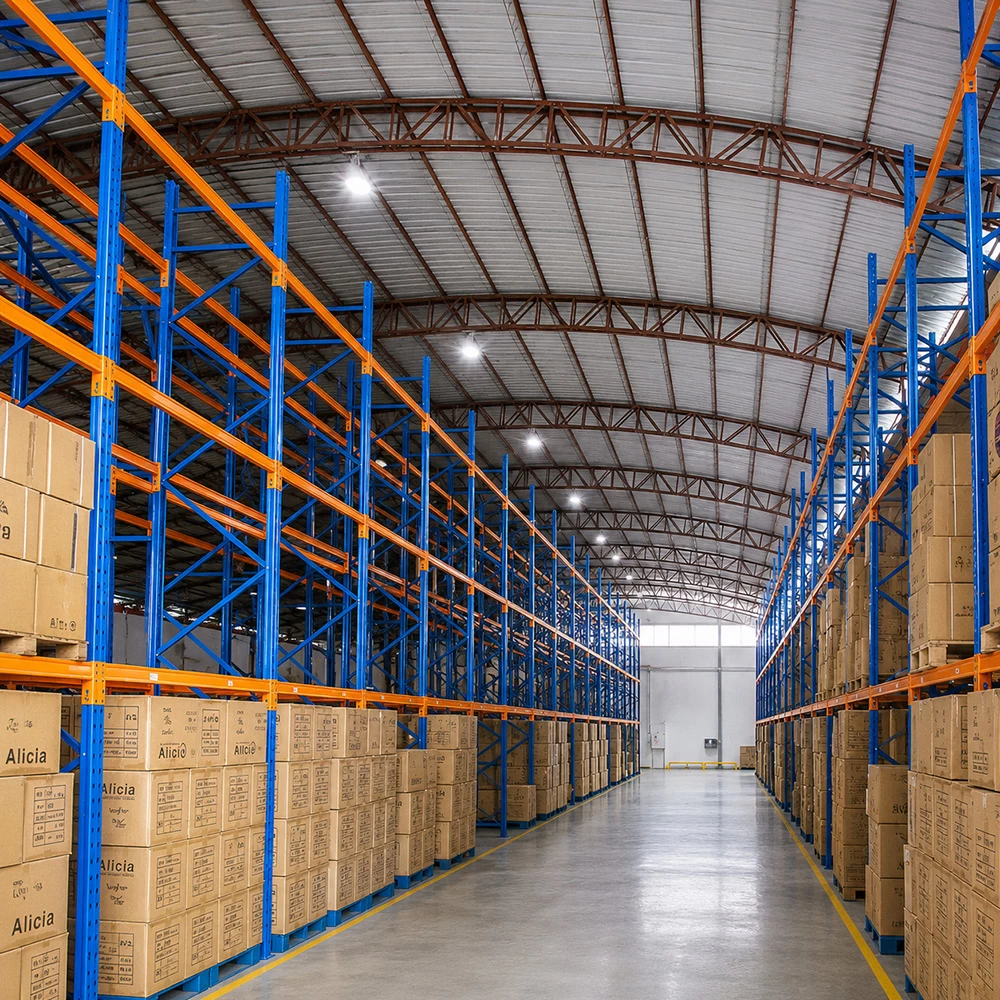
# Innovations in Pallet Racking Technology for Modern Warehouses
In the fast-paced world of logistics and warehousing, efficiency and space optimization are paramount. As e-commerce booms and global supply chains become more intricate, warehouses face increasing pressure to store more goods safely, access inventory quickly, and reduce operational costs. At the heart of this evolution lies pallet racking technology—a critical infrastructure component that has undergone significant innovations to meet modern demands.
This article explores the latest advancements in pallet racking systems, highlighting how these innovations enable warehouses to maximize storage capacity, enhance safety, improve operational flexibility, and integrate with smart technologies. Whether you manage a small distribution center or a sprawling fulfillment hub, understanding these trends can help you make informed decisions for your warehouse infrastructure.
---
## The Traditional Pallet Racking Landscape
Before delving into the innovations, it’s essential to recognize the baseline. Traditional pallet racking systems—such as selective, double-deep, and drive-in racks—have been staples in warehouses for decades. These systems rely on standardized steel frames and beams, designed to hold pallets in horizontal rows with aisles for forklift access.
While effective, traditional systems have limitations:
- **Fixed configurations** limit adaptability as storage needs evolve.
- **Limited vertical utilization** due to safety concerns and equipment constraints.
- **Manual inventory management** leads to inefficiencies and errors.
- **Safety risks** from improper loading and rack damage.
Addressing these challenges requires innovation in both design and technology integration.
---
## Key Innovations in Pallet Racking Technology
### 1. Modular and Adjustable Racking Systems
Modern warehouses demand agility. One major innovation is modularity—racking systems designed with adjustable components that can be reconfigured quickly without dismantling the entire structure. Features include:
- **Adjustable beam heights:** Allowing customization to accommodate varying pallet sizes and load weights.
- **Interchangeable components:** Facilitating easy replacement or upgrades, extending system lifespan.
- **Expandable frames:** Supporting future growth without major capital expenses.
Modular pallet racks help warehouses adapt to seasonal fluctuations, new product lines, or changes in storage methods, optimizing space utilization dynamically.
### 2. High-Density Storage Solutions
Space constraints are a universal challenge. To combat this, manufacturers have developed high-density racking solutions that increase storage capacity within the same footprint:
- **Push-back racking:** Pallets are stored on carts within inclined rails, allowing multiple pallets deep storage while maintaining FIFO (First In, First Out) or LIFO (Last In, First Out) inventory flows.
- **Pallet flow racks:** Use gravity rollers to automatically move pallets forward, enhancing picking efficiency.
- **Drive-in and drive-through racks:** Enable forklifts to enter rack lanes, storing pallets several units deep.
These systems maximize cubic space usage, especially beneficial in cold storage or warehouses with high SKU counts.
### 3. Enhanced Safety Features
Safety innovations reduce accidents and rack damage, which can halt operations and incur costly repairs:
- **Impact protection accessories:** Such as column guards, rack end protectors, and bollards absorb forklift impacts.
- **Load sensors:** Embedded in beams to monitor weight distribution in real-time, preventing overloading.
- **Anti-collapse mesh and netting:** Increase containment for unstable loads.
- **Automated inspection systems:** Using drones or cameras to detect structural issues proactively.
With these measures, warehouses can maintain safer working environments while ensuring racking integrity.
### 4. Integration with Automated and Smart Warehouse Technologies
The rise of Industry 4.0 has influenced pallet racking innovation, integrating automation and IoT (Internet of Things) capabilities:
- **Automated Storage and Retrieval Systems (ASRS):** Incorporate robotic shuttles or cranes within racking structures to pick and place pallets without human intervention.
- **Smart sensors:** Track occupancy, temperature, humidity, and load conditions, feeding data into Warehouse Management Systems (WMS) for optimized decision-making.
- **RFID and barcode readers:** Embedded within racks facilitate faster inventory identification and reduce human error.
- **Augmented reality (AR) guidance:** Assists operators in locating pallets within complex racking layouts.
These technologies enhance accuracy, speed, and data visibility, crucial for handling large volumes efficiently.
### 5. Sustainable and Lightweight Materials
Environmental impact and cost reduction drive material innovations:
- **High-strength lightweight steel:** Reduces overall rack weight, simplifying installation while maintaining load capacity.
- **Recycled materials:** Some manufacturers use recycled steel and coatings to minimize environmental footprint.
- **Powder coating and corrosion-resistant finishes:** Extend rack life in harsh environments such as cold storage or chemical warehouses.
Sustainable materials help warehouses comply with green standards and reduce lifecycle costs.
### 6. Customized Designs for Niche Applications
Warehouses serving specialized industries benefit from tailored racking designs:
- **Cold storage racks:** Featuring insulation-compatible materials and frost-resistant finishes.
- **Pharmaceutical storage:** Designed to maintain strict cleanliness and airflow requirements.
- **Chemical and hazardous material racks:** Built with fire-resistant coatings and spill containment features.
Customization ensures compliance with industry regulations and protects product integrity.
---
## Benefits Realized Through Pallet Racking Innovations
The adoption of these advanced pallet racking technologies yields tangible benefits:
- **Increased storage density:** More pallets stored per square foot, reducing the need for warehouse expansion.
- **Improved operational efficiency:** Faster pallet retrieval and stocking, reduced labor costs, and minimized downtime.
- **Enhanced safety:** Lower accident rates and protected inventory.
- **Greater flexibility:** Ability to adjust layouts quickly in response to changing business needs.
- **Data-driven insights:** Better inventory control and predictive maintenance through integrated sensors and software.
- **Cost savings:** Reduced damage, energy-efficient materials, and optimized space utilization.
---
## Implementing Innovative Pallet Racking Solutions: Best Practices
To successfully leverage these innovations, warehouse managers and facility planners should consider the following steps:
### Conduct a Comprehensive Needs Assessment
Analyze current and projected inventory types, turnover rates, product dimensions, and handling equipment. This helps identify the most appropriate racking system type and necessary features.
### Engage Experienced Suppliers and Engineers
Partner with vendors specializing in advanced racking solutions who can provide custom designs, installation services, and ongoing support.
### Integrate with Warehouse Management Systems
Ensure that racking hardware and software solutions seamlessly communicate with existing WMS and ERP platforms for streamlined operations.
### Prioritize Safety and Compliance
Adhere to local building codes, OSHA regulations, and industry standards during design and installation phases.
### Plan for Scalability
Choose systems that allow expansion or reconfiguration to accommodate future growth or operational changes.
### Invest in Staff Training
Equip warehouse personnel with knowledge on safe operation, maintenance, and new technology use to maximize benefits.
---
## Future Trends in Pallet Racking Technology
Looking ahead, several trends promise to further transform pallet racking in warehouses:
- **AI-powered inventory management:** Leveraging machine learning to optimize storage locations and predict replenishment needs.
- **Advanced robotics:** Collaborative robots (cobots) working alongside humans for efficient pallet handling.
- **Smart materials:** Self-healing coatings and sensors integrated directly into rack components.
- **Energy-harvesting racks:** Generating power through motion or environmental factors to support IoT devices.
These developments will continue to push the boundaries of warehouse efficiency and flexibility.
---
## Conclusion
Innovations in pallet racking technology are revolutionizing the way modern warehouses operate. From modular and high-density systems to smart integrations and sustainable materials, these advancements address critical challenges in space optimization, safety, and operational agility. For warehouse operators striving to stay competitive, embracing these innovations is not merely an option but a necessity.
By carefully assessing your facility’s unique needs and partnering with knowledgeable suppliers, you can implement pallet racking solutions that enhance productivity, reduce costs, and future-proof your warehouse infrastructure. As supply chain demands evolve, so too will pallet racking technology—making it a foundational element in the warehouses of tomorrow.
---
*If you are interested in exploring innovative pallet racking options tailored for your warehouse, contact our experts today for a consultation and product-page overview highlighting customizable features, specifications on width and load capacities, and integration capabilities.*