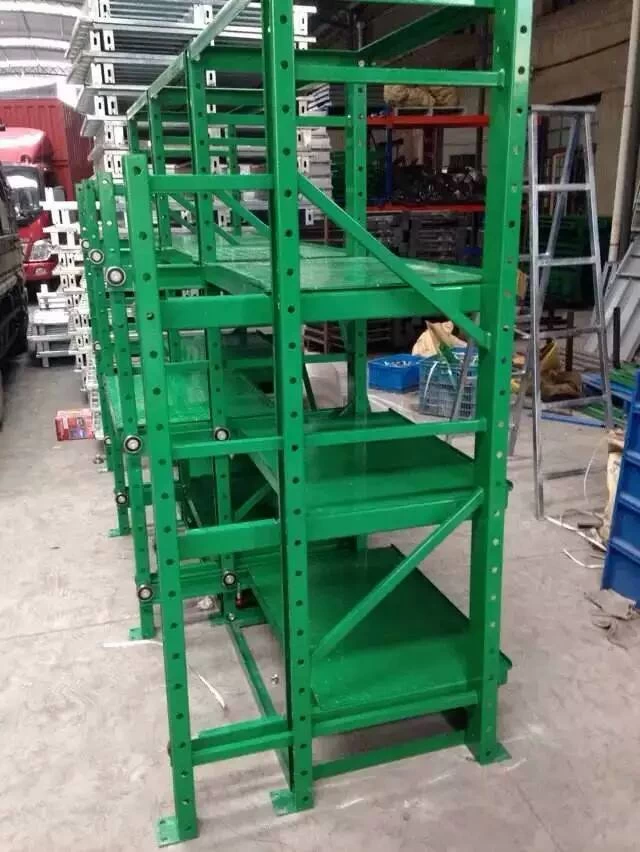
# How Mold Storage Racks Improve Efficiency and Safety in Industrial Settings
In modern industrial environments, optimizing workflow efficiency and ensuring workplace safety are paramount. One critical yet often overlooked component in this equation is the storage system used for molds—specifically, mold storage racks. These specialized storage solutions are designed to organize, protect, and streamline access to molds, which are essential tools in manufacturing processes such as injection molding, metal casting, and other fabrication methods.
This article explores how mold storage racks significantly improve both efficiency and safety in industrial settings. We delve into their design features, practical benefits, and best practices for implementation, supported by industry insights and real-world examples.
---
## Understanding Mold Storage Racks
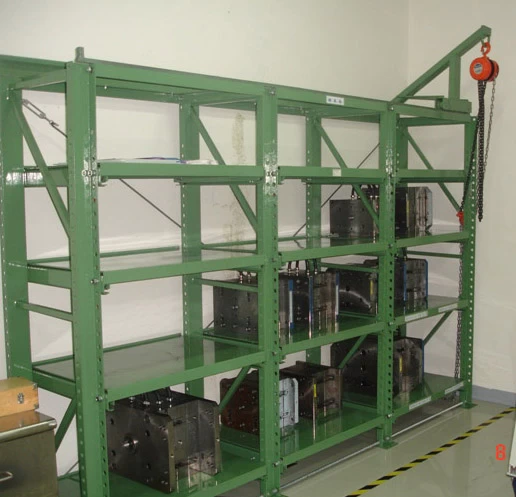
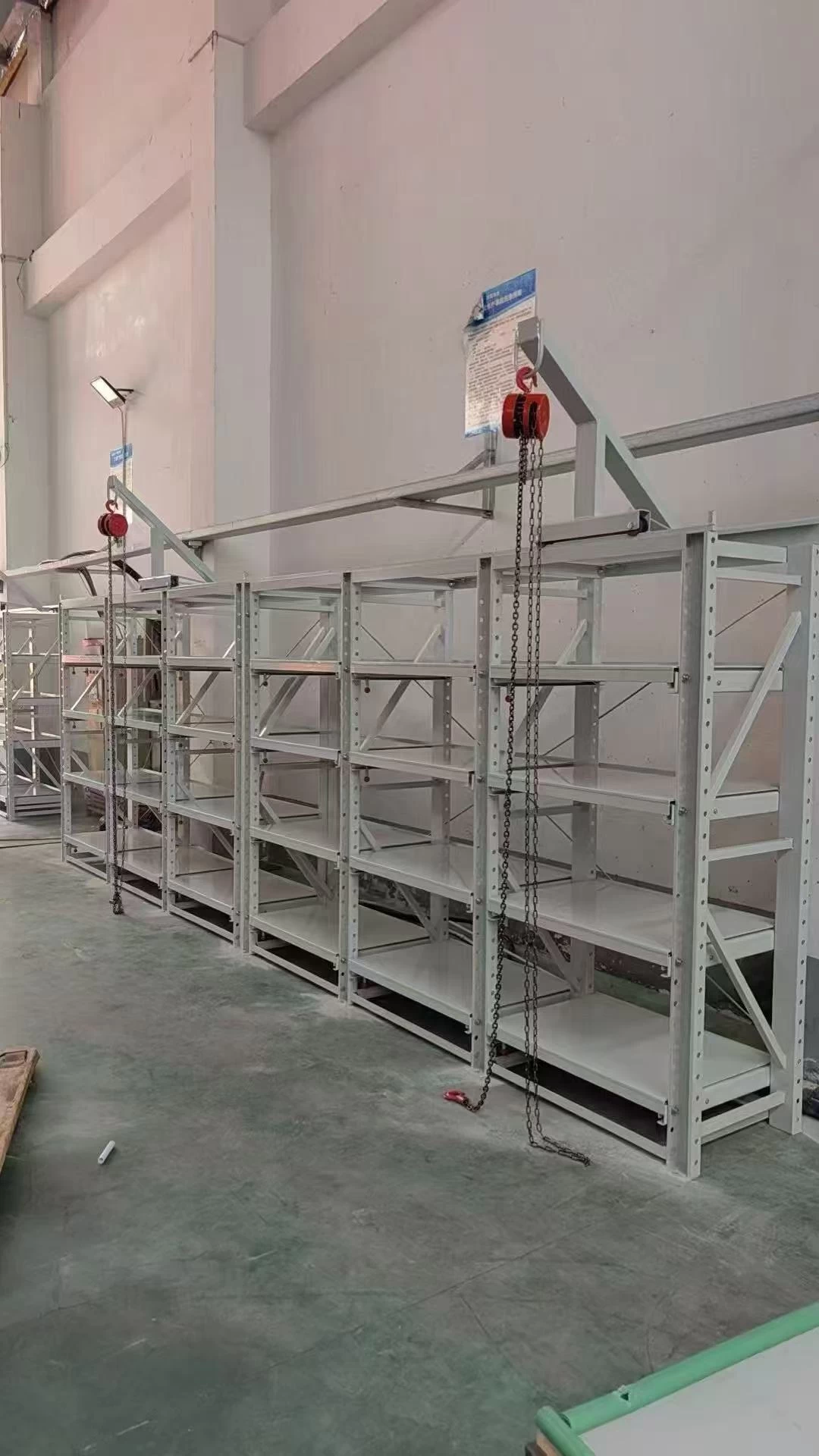
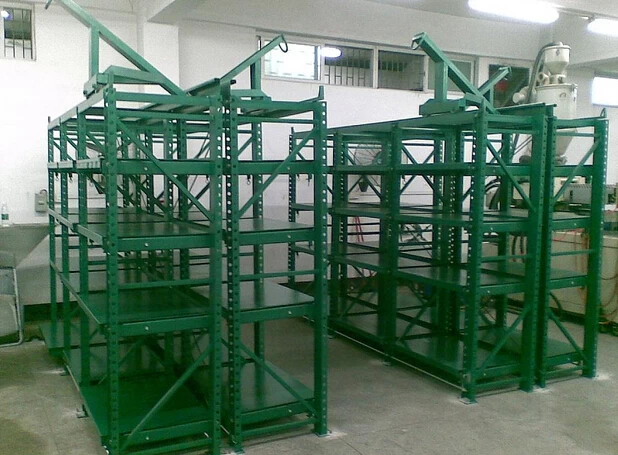
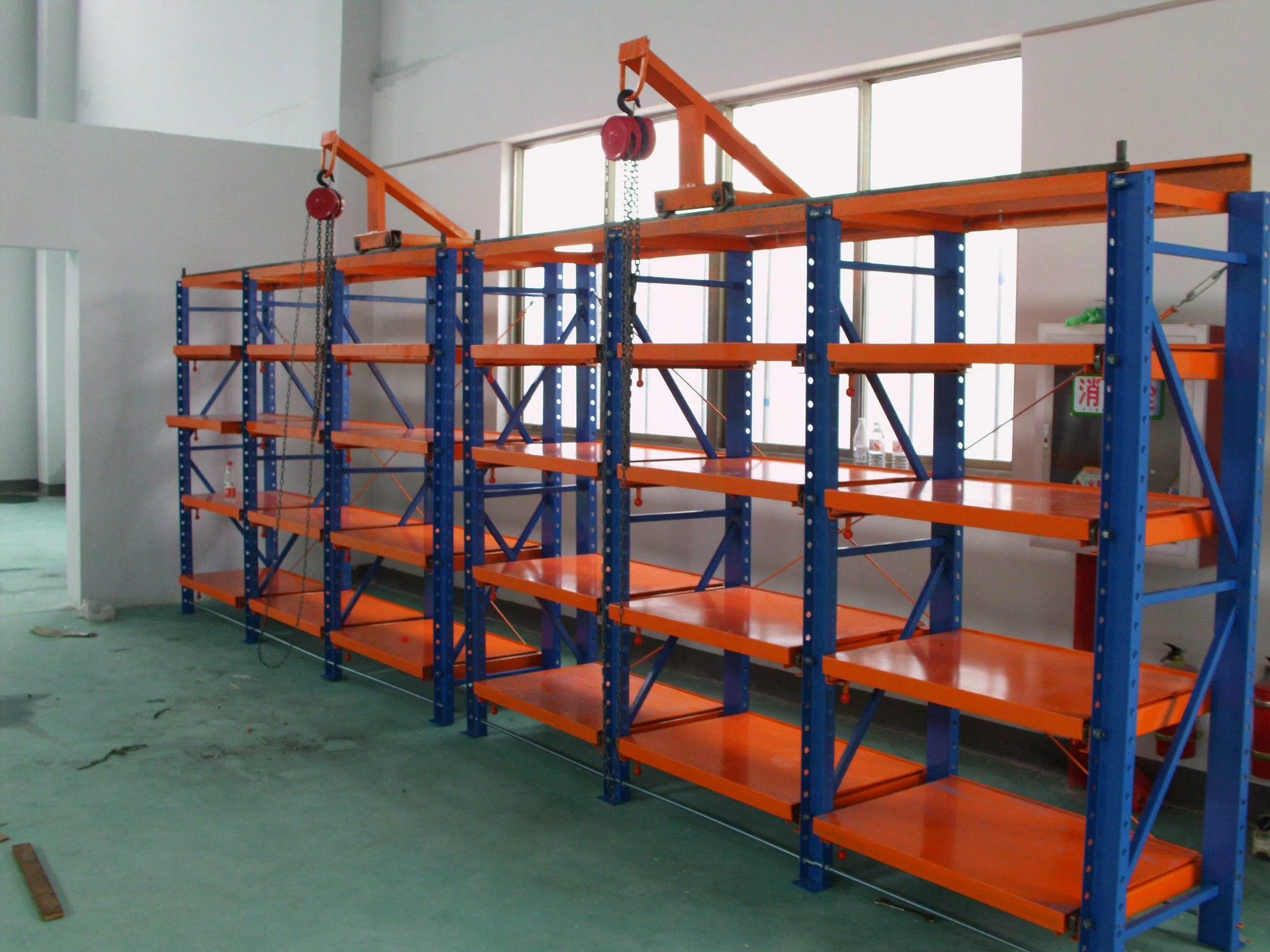
Mold storage racks are engineered shelving systems tailored to accommodate molds of various sizes and weights. Unlike generic storage options, these racks prioritize the unique requirements of molds, which can be heavy, bulky, and expensive. Proper storage prevents damage to the molds, reduces handling time, and creates a safer working environment.
### Key Design Considerations
- **Load Capacity:** Molds can weigh hundreds or thousands of pounds. Mold racks are built with high-strength steel frames and reinforced shelves to support these heavy loads safely.
- **Accessibility:** Adjustable shelving and modular designs allow easy retrieval and return of molds, minimizing downtime.
- **Space Optimization:** Vertical and horizontal configurations maximize floor space utilization, an important factor in crowded industrial facilities.
- **Protection Features:** Mold racks often include padding or protective coatings to prevent scratches, dents, and corrosion.
- **Customization:** Many manufacturers offer custom sizing and configurations to fit specific mold dimensions and workflows.
---
## How Mold Storage Racks Enhance Efficiency
### Streamlined Workflow
In industrial settings, time is money. Efficient storage systems reduce the time workers spend searching for, retrieving, and returning molds. Mold storage racks provide organized compartments, clearly defined locations, and sometimes integrated labeling systems. This systematic approach eliminates guesswork and reduces errors.
For example, in injection molding plants, changing molds is a regular task. Having molds stored in designated racks near production lines enables quick changeovers, reducing machine downtime and increasing throughput.
### Space Utilization and Layout Optimization
Industrial floorspace is often at a premium. Without proper storage solutions, molds can clutter work areas or be stored inefficiently, leading to wasted space and hazardous conditions. Mold storage racks enable vertical stacking and compact arrangement, freeing up valuable floor space for operations, movement, and additional equipment.
Optimized layouts using mold racks contribute to lean manufacturing principles by minimizing waste associated with excess motion and waiting times.
### Inventory Management and Tracking
Modern mold storage racks can be integrated with digital inventory systems. By assigning each rack or shelf location a barcode or RFID tag, plants can maintain accurate real-time records of mold availability and condition.
This level of inventory control prevents lost or misplaced molds, facilitates preventive maintenance scheduling, and supports just-in-time production planning.
---
## Enhancing Safety with Mold Storage Racks
### Reducing Workplace Hazards
Improper mold storage poses significant risks. Molds stored on the floor or unstable surfaces can cause trips, falls, or injuries from falling objects. Mold storage racks secure molds safely off the ground, reducing clutter and hazards.
Heavy molds handled without proper storage increase the risk of musculoskeletal injuries among workers. Racks designed for safe loading and unloading minimize manual handling and encourage the use of lifting equipment.
### Structural Integrity and Compliance
Mold racks are engineered to comply with occupational safety standards and building codes. Their robust construction ensures structural integrity under heavy loads, preventing collapse or tipping accidents.
Additionally, many racks feature safety rails, anti-slip surfaces, and locking mechanisms to secure molds during storage. These features protect both workers and molds, reducing the likelihood of costly accidents and equipment damage.
### Fire Safety and Environmental Protection
By organizing molds neatly on racks, industrial facilities can enhance fire safety. Clear aisles and unobstructed emergency exits become easier to maintain when molds are not scattered haphazardly.
Furthermore, some mold racks are designed with materials resistant to corrosion and chemicals, protecting molds from environmental damage and reducing contamination risks.
---
## Best Practices for Implementing Mold Storage Racks
### Assessing Needs and Workflow
Before selecting a mold storage system, conduct a thorough assessment of mold types, sizes, weights, and handling frequency. Engage cross-functional teams including production, maintenance, and safety personnel to understand workflow patterns and storage requirements.
### Customization and Modular Solutions
Opt for customizable or modular rack systems that can adapt to changing mold inventories and plant layouts. This flexibility ensures longevity and scalability of the storage investment.
### Integration with Digital Systems
Leverage technology by integrating mold racks with warehouse management software. Use barcodes, QR codes, or RFID tags to track mold locations, usage history, and maintenance schedules.
### Training and Standard Operating Procedures (SOPs)
Develop SOPs for mold storage and handling that emphasize safety and efficiency. Train employees on correct procedures, including rack loading limits, proper lifting techniques, and emergency protocols.
### Regular Inspection and Maintenance
Schedule routine inspections to check rack integrity, wear, and compliance with load capacities. Maintain cleanliness around storage areas to prevent dust accumulation and other hazards.
---
## Case Studies: Real-World Impact of Mold Storage Racks
### Automotive Manufacturing Plant
An automotive supplier implemented customized mold storage racks to organize over 200 molds ranging from small components to large body panels. The facility reported a 30% reduction in mold changeover time and zero incidents related to mold handling within one year of installation. Improved inventory tracking also reduced mold loss by 15%.
### Plastic Injection Molding Facility
A plastics manufacturer replaced floor-stacked molds with vertical mold racks equipped with RFID tracking. This change optimized 25% of the production floor space and enhanced mold traceability, enabling proactive maintenance that extended mold life by 10%.
---
## Conclusion
Mold storage racks play a vital role in enhancing both efficiency and safety in industrial settings. By providing organized, accessible, and secure storage for molds, these racks contribute to streamlined workflows, better space management, and safer working environments. Investing in well-designed mold storage solutions, coupled with appropriate training and maintenance, yields measurable benefits in productivity, cost savings, and employee well-being.
Industrial leaders aiming to optimize their manufacturing processes should consider mold storage racks as a foundational element of their operational strategy. Through thoughtful selection, integration, and management, mold storage racks become much more than mere shelving—they become essential assets driving industrial excellence.
---
*For more insights on industrial storage solutions and workplace safety, stay tuned to our blog and subscribe to our newsletter.*