**Double Deep Pallet Rack vs. Selective Pallet Rack: Which Is Right for Your Storage Needs?**
In the world of warehouse management and industrial storage, choosing the right pallet racking system is critical to optimizing space utilization, improving operational efficiency, and ensuring safety. Among the most popular options are **Double Deep Pallet Racks** and **Selective Pallet Racks**. Both systems offer unique advantages and limitations that can significantly impact your storage strategy.
This article aims to provide an in-depth comparison of Double Deep Pallet Racks versus Selective Pallet Racks, helping you identify which system aligns best with your specific storage needs.
---
### Understanding Pallet Racking Systems
Before diving into the comparison, it’s essential to understand what each rack type entails.
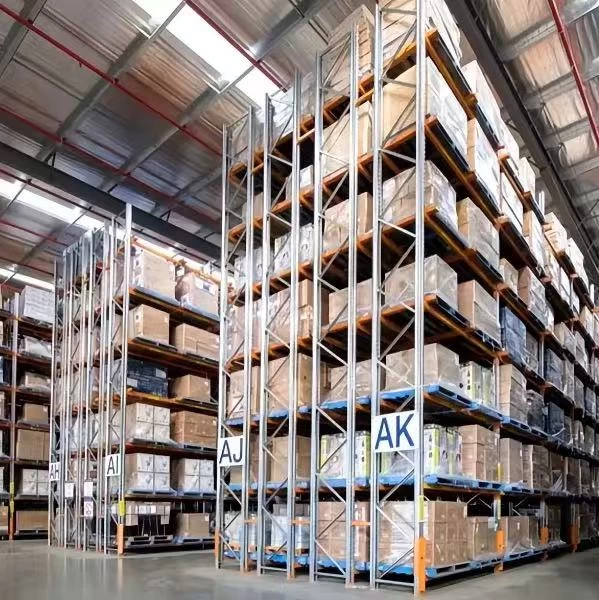
**Selective Pallet Rack**: This is the most conventional and widely used pallet racking system. It provides direct access to every pallet in the storage system without any need to move other pallets. Typically, pallets are stored one deep, offering high accessibility and flexibility, making it ideal for warehouses with a broad range of SKUs (stock-keeping units).
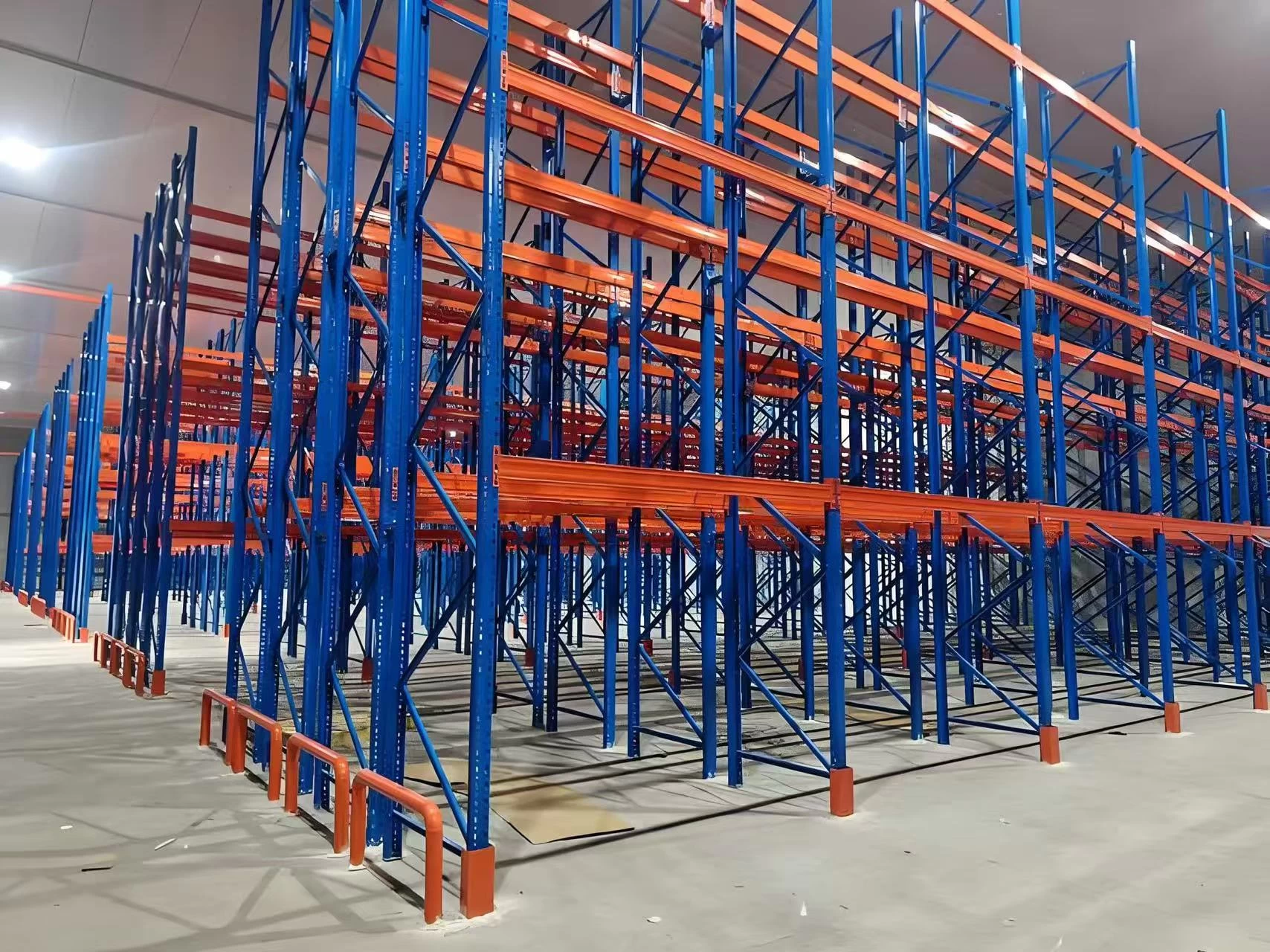
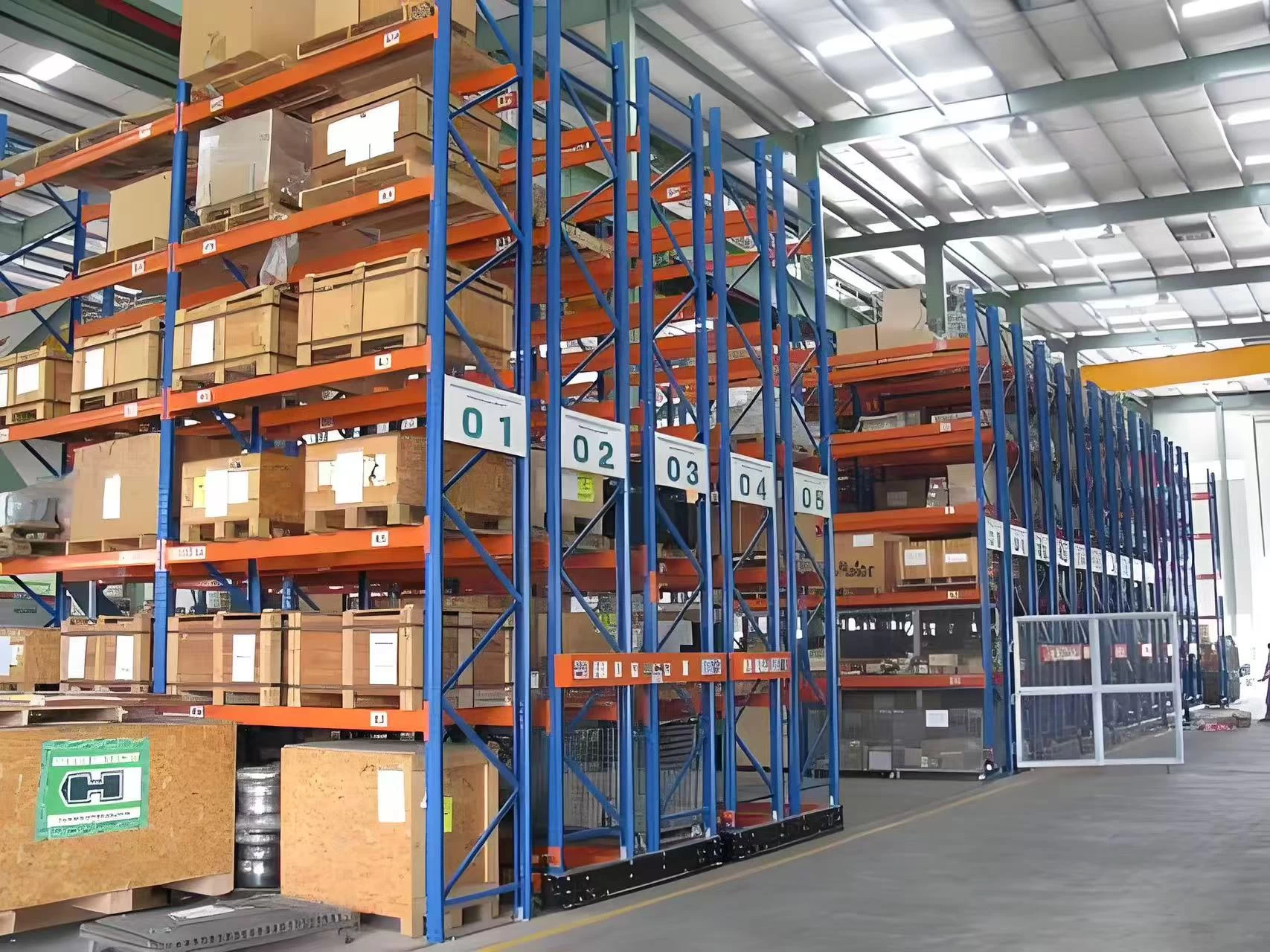
**Double Deep Pallet Rack**: As the name suggests, this rack stores pallets two deep instead of one. By allowing pallets to be stored behind each other, Double Deep Racking increases storage density by reducing the aisle space between racks. However, it requires specialized forklifts capable of reaching deeper into the rack system.
---
### Key Design Considerations
To evaluate which racking system fits your operation, let's explore some of the main design elements:
#### 1. **Storage Density**
- **Selective Racking**: Offers lower storage density because pallets are stored only one deep. This design results in more aisle space required to access every pallet.
- **Double Deep Racking**: Increases storage density by approximately 35-50% compared to selective racking. The ability to place pallets two deep reduces aisle space, maximizing cubic storage capacity.
#### 2. **Accessibility**
- **Selective Racking**: Provides full selectivity. Each pallet is easily accessible without moving other pallets, making it ideal for operations with frequent picking or varied inventory turnover.
- **Double Deep Racking**: Reduces selectivity since pallets stored at the back require moving front pallets to access them. This can slow down picking processes unless the inventory is managed carefully or if the front pallets are dedicated to slower-moving stock.
#### 3. **Equipment Requirements**
- **Selective Racking**: Compatible with standard forklifts, including counterbalance and reach trucks.
- **Double Deep Racking**: Requires specialized forklifts such as double-deep reach trucks equipped with extended forks to retrieve pallets from the second position, which may involve higher capital investment and operator training.
#### 4. **Cost Implications**
- **Selective Racking**: Generally lower initial cost given its simplicity and compatibility with existing equipment.
- **Double Deep Racking**: May incur higher costs due to the need for specialized handling equipment and potentially increased maintenance costs. However, savings on real estate or warehouse expansion costs could offset this.
---
### Operational Considerations
Understanding the operational flow and inventory characteristics in your warehouse is crucial when selecting a racking system.
#### Inventory Turnover and SKU Variety
- **Selective Racking** is optimal for warehouses managing a wide variety of SKUs with varying demand levels. Since every pallet is directly accessible, it's easier to handle fast-moving goods and accommodate frequent product changes.
- **Double Deep Racking** suits warehouses with fewer SKUs or those storing bulk quantities of the same product. It works well with products that have predictable, stable demand patterns and where first-in, first-out (FIFO) inventory management is less critical.
#### Picking Efficiency
Selective racks enable faster picking due to easy pallet access. Conversely, Double Deep racks can introduce delays when retrieving pallets located at the back, especially if the front pallets must be moved first. This can be mitigated by strategic inventory slotting or automated retrieval systems.
#### Space Constraints
If floor space is limited or costly, Double Deep racking offers a compelling solution to increase storage density without expanding footprint.
---
### Safety and Maintenance
Both systems must adhere to safety standards. However, the increased complexity of Double Deep racks and specialized equipment usage requires rigorous operator training and maintenance schedules to prevent accidents and equipment downtime.
---
### Installation and Flexibility
Selective racks offer greater flexibility for reconfiguration or expansion as warehouse needs evolve, given their modular design and straightforward installation. Double Deep racks are less adaptable to frequent layout changes due to their specialized structure and equipment requirements.
---
### Summary Table: Double Deep Pallet Rack vs. Selective Pallet Rack
| Feature | Selective Pallet Rack | Double Deep Pallet Rack |
|--------------------------|------------------------------------|--------------------------------------------|
| Storage Density | Lower | Higher (35-50% increase) |
| Pallet Accessibility | Full (each pallet accessible) | Reduced (back pallets require moving front)|
| Equipment Needed | Standard forklifts | Specialized double-deep reach trucks |
| Initial Cost | Lower | Higher (equipment & installation) |
| Suitable Inventory | High SKU variety, fast turnover | Bulk storage, limited SKU variety |
| Picking Efficiency | High | Moderate to low |
| Space Utilization | Less efficient | More efficient |
| Flexibility | High | Moderate |
| Operator Training | Standard | Required for specialized equipment |
---
### Making the Decision: Which Is Right for You?
Choosing between Double Deep Pallet Rack and Selective Pallet Rack depends on multiple factors:
1. **Inventory Profile**: If your warehouse handles many SKUs with varying demand and requires high selectivity, Selective Racking is likely the better choice.
2. **Space Availability**: Limited floor space may necessitate Double Deep Racking to maximize capacity.
3. **Budget Constraints**: Consider upfront and operational costs. Double Deep Racking involves higher capital expenditure but can reduce costs associated with additional warehouse space.
4. **Operational Workflow**: Evaluate whether your picking methods and inventory management systems can handle the reduced selectivity associated with Double Deep racks.
5. **Equipment Investment**: Ensure your budget and workforce are prepared to support specialized forklifts and training.
6. **Future Growth Plans**: Selective racks offer greater flexibility for expansion and reconfiguration.
---
### Conclusion
Both Double Deep Pallet Racks and Selective Pallet Racks have their places in warehouse storage solutions. Selective Pallet Racks excel in accessibility, flexibility, and handling diverse inventories, making them suitable for dynamic warehousing environments. Meanwhile, Double Deep Pallet Racks provide a cost-effective way to increase storage density when floor space is constrained, though they require trade-offs in accessibility and specialized equipment.
By carefully analyzing your storage needs, inventory dynamics, operational workflow, and budget, you can select the racking system that ensures efficient, safe, and scalable warehouse operations.
---
### Styling Note for Presentation (Optional Technical)
For web presentation of this article, consider applying CSS with the following styles to enhance readability and aesthetics:
```css
* {
box-sizing: border-box;
}
body.sde-body {
margin: 0;
background: #eef3f8;
font-family: Arial, Helvetica, sans-serif;
color: #102033;
}
.sde-page {
max-width: 790px;
margin: 0 auto;
background: #fff;
box-shadow: 0 0 15px rgba(0,0,0,0.1);
overflow: hidden;
padding: 30px 10px;
}
.sde-hero {
position: relative;
min-height: 650px;
background: linear-gradient(to bottom, #eef3f8, #cfd8dc);
padding: 40px;
}
```
This CSS ensures the content is presented professionally, with appropriate spacing, font clarity, and subtle background contrast for comfortable reading.
---
**By understanding the nuances between Double Deep and Selective Pallet Racks, warehouse managers and logistics professionals can make informed choices that optimize space, improve throughput, and ultimately contribute to business success.**